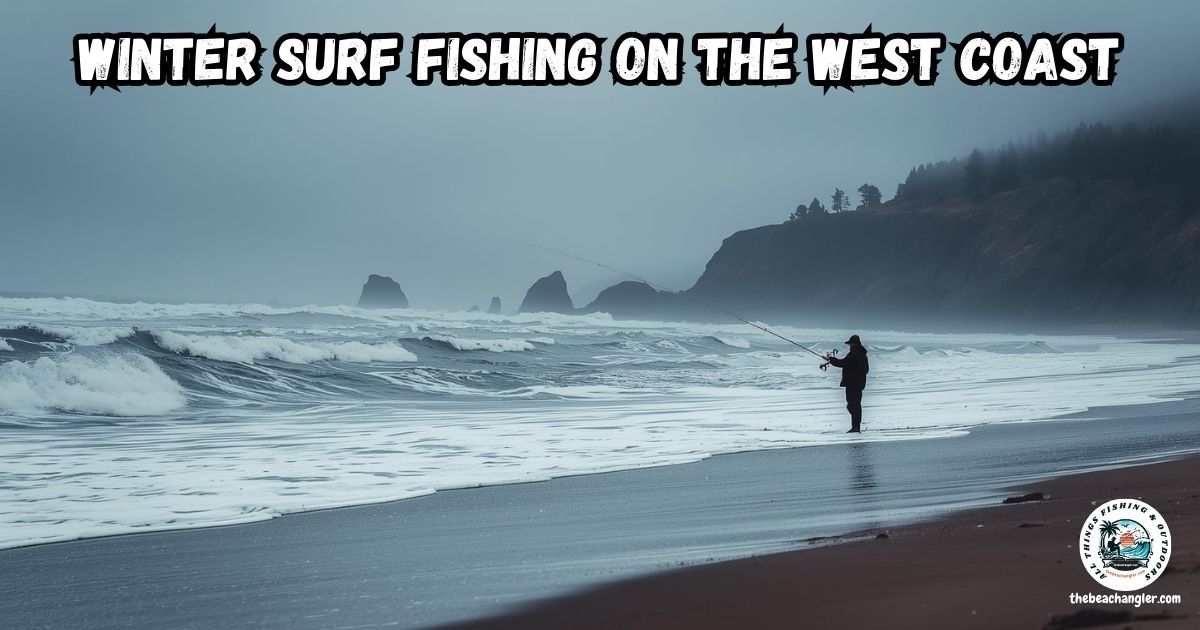
Winter surf fishing on the US West Coast offers a different kind of thrill and reward compared to the busier summer months. I find that the quieter beaches and seasonal fish runs really make it an ideal time if you enjoy being out in nature.
QUICK LOOK: Top Spots for Winter Surf Fishing on the US West Coast
- Southern California: Huntington Beach, Bolsa Chica State Beach, South Bay stretches (from Venice to El Segundo), and classic points near Malibu, such as Leo Carrillo and Point Mugu. I find the croaker and perch bite especially reliable in the deeper troughs running parallel to the beach. The sandy stretches here are easy to walk, and the tidal flows keep things changing, offering new chances to stumble upon different fish even throughout a single day.
- Central California: Monterey Bay is a winter favorite. Rockfish and lingcod cluster near rocky structure, and barred perch school up along sandy sections. Pismo Beach and Santa Barbara/Ventura beaches also provide good perch bites. When the surf is up, I sometimes scout smaller coves and points for less pressured areas. The Big Sur coast can offer solitude, with majestic scenery to match the fishing experience.
- Pacific Northwest: Washington and Oregon feature wild winter surf with strong runs of redtail surf perch. Look for beaches near river mouths or estuaries where structure is pronounced. A few favorites include Clatsop Beach in Oregon and the Long Beach Peninsula in Washington, where the natural environment feels raw, and the fishing action can be surprisingly hot even on chilly days.
Whether I’m out for surf perch in Oregon or chasing halibut near Southern California jetties, proper planning, gear, and a good sense of timing help make each outing more fun and productive. In this article, I’ll share practical strategies, gear tips, and spot recommendations based on real experiences along the West Coast in winter.
Understanding the Winter Surf Fishing Experience
On the West Coast, winter surf fishing has a reputation for producing some of the largest surfperch and making certain croaker species more accessible. Dropping temperatures switch up fish behavior, but I’ve found this season brings a lot of opportunity.
Crowds thin out, fish school up, and the surf is active with feeding fish when tides move. Instead of only targeting peak summer months, I now look forward to the calm and focus winter provides. Winter fishing does mean water is colder, winds can be steady, and wading requires extra caution.
I always bring a thermal base layer and waders, which keep long mornings comfortable. The fish still bite, especially when I focus on their need to find food and warmth near structures and in moving water. My own catches of surfperch and croakers have increased in size during winter, and there’s often less competition for space along the beach. I’ve even seen bigger fish move closer in on cold, clear days, which adds to the excitement of each trip. Plus, quieter beaches mean more room to explore and stay flexible with my fishing spots.
Popular Target Species in Winter
The variety of fish available to winter surf anglers is one of the best parts of fishing this season. Here are the common winter targets I focus on:
- Redtail Surf Perch: These fight hard and gather in large schools during winter. I find the best action in Northern California, Oregon, and Washington, especially near river mouths and energy-packed beaches.
- Barred Surfperch, Calico, and Walleye Surfperch: Common along Central and Southern California, these species move closer to shore and into the troughs during tidal changes.
- Halibut: While more known as a summer catch, I’ve had success catching halibut year-round, particularly in Southern California near jetties and estuary mouths.
- Corbina and Yellowfin Croaker: These show up even during the coldest months in Southern California, often taking natural baits in calmer surf.
- Rockfish and the occasional Striped Bass or White Seabass: Around structure and at certain deeper beaches or points, I’ll occasionally catch larger fish, making the effort memorable.
I also keep my eyes open for surf smelt, which sometimes make brief appearances and can be a fun bonus catch, especially during calm spells between winter storms.
Best Locations for Winter Surf Fishing on the West Coast
Where I choose to fish often depends on the species I want to target and the type of structure available. Quiet beaches with strong troughs and plenty of moving water tend to be the most reliable. These are some of my favorite spots along the West Coast for winter action:
- Southern California: Huntington Beach, Bolsa Chica State Beach, South Bay stretches (from Venice to El Segundo), and classic points near Malibu, such as Leo Carrillo and Point Mugu. I find the croaker and perch bite especially reliable in the deeper troughs running parallel to the beach. The sandy stretches here are easy to walk, and the tidal flows keep things changing, offering new chances to stumble upon different fish even throughout a single day.
- Central California: Monterey Bay is a winter favorite. Rockfish and lingcod cluster near rocky structure, and barred perch school up along sandy sections. Pismo Beach and Santa Barbara/Ventura beaches also provide good perch bites. When the surf is up, I sometimes scout smaller coves and points for less pressured areas. The Big Sur coast can offer solitude, with majestic scenery to match the fishing experience.
- Pacific Northwest: Washington and Oregon feature wild winter surf with strong runs of redtail surf perch. Look for beaches near river mouths or estuaries where structure is pronounced. A few favorites include Clatsop Beach in Oregon and the Long Beach Peninsula in Washington, where the natural environment feels raw, and the fishing action can be surprisingly hot even on chilly days.
Fishing around piers, jetties, and rocky outcrops increases your odds of finding aggressive, larger fish. During winter storms, I tend to stick closer to these structures, which offer shelter and hold fish when the rest of the surf is stirred up. Jetties especially create eddies and breaks in the current, making them hotspots for hungry predators lurking just outside the main current’s push.
Essential Gear and Bait for Winter Surf Fishing on the West Coast
Layering up and having the right surf equipment really makes cold-weather fishing more enjoyable. Over the years, I’ve refined my winter packing list to focus on what genuinely works for West Coast conditions.
- Rod and Reel: I use an 8- to 10-foot surf rod paired with a 2500 to 4500-size reel. This setup is light enough for long sessions but sturdy for heavier fish. A main line of 10- to 15-pound braid gives me a good balance of sensitivity and casting distance. A longer rod also comes in handy for reaching past tricky beach breaks on steeper slopes.
- Leaders, Rigs, and Terminal Tackle: For most surf species, I tie a 4- to 10-pound mono or fluorocarbon leader, connected with a 30-pound swivel. Carolina rigs are my favorite, and I use a 1/2- to 2-ounce egg or sinker depending on current and surf strength. In rougher water, I sometimes switch to a high-low (dropper loop) rig for better bait presentation. For rockier spots, I carry a few extra sinkers in case of snags.
- Baits: Soft baits like Gulp! Sandworms in Camo or New Penny color have been consistent, especially for surfperch. When I can, I also pick up fresh sand crabs, ghost shrimp, or mussel meat. In winter, smaller baits tend to outfish larger offerings, so I downsize when bites are scarce. If you’re up for it, digging your own sandworms or mole crabs is a great way to guarantee fresh bait for your session.
- Lures: Curlytail grubs rigged on a 1/4-ounce jighead, along with small chrome spoons (like Krocodiles), work well for both perch and the random halibut. I always pack a few options for days when the water is especially clear, and fish are more selective. The extra flash sometimes triggers reaction bites when natural baits slow down.
- Clothing: Staying dry is really important. Neoprene leggings, thermal tops and socks, and solid waterproof waders help me fish longer without discomfort. Polarized sunglasses cut through glare and help me spot structure even in winter’s lower light. A windproof beanie and a waterproof shell can really make a difference on blustery days.
Adding some simple creature comforts, like a hand warmer or a reliable thermos of hot coffee, can keep your spirits up and make a longer session much more pleasant. A compact, waterproof backpack helps keep essentials close and dry, while a small tackle tray with a mix of hooks, split shots, and swivels keeps you ready for any situation.
Top Techniques for Productive West Coast Winter Surf Sessions
Presentation and timing both play big roles in successful winter surf fishing. Here’s what I’ve learned about getting more bites when the weather cools off:
- Focus on Tides: Moving water stirs up food and gets fish active. I often plan trips around the first two hours of an incoming or outgoing tide. The “dinner bell” tends to ring right after a big push of water brings crabs, sandworms, and baitfish out of hiding. Middle tides, when the water covers the lower beach, often produce the most action.
- Cast to the Guts: The deepest water just past the first or second sandbar, called the “gut,” almost always holds feeding fish. I use a longer leader and keep my baits as natural-looking as possible when targeting these troughs. Watching how the waves break from the beach gives a good clue about where these guts form. If the wave reforms after the first break, that calmer patch is often the sweet spot.
- Steady Retrieve: Instead of aggressively jerking the rod, I’ve found that a slow, steady retrieve works best. Bites can be subtle with cold water, so I watch my rod tip closely instead of relying on feel alone. Some days, letting the bait sit with minimal movement is the best way to get fish to commit.
- Fish Near Structure: Jetties, piers, and rocky areas hold fish looking for shelter and food. I approach these spots carefully and fish both upcurrent and downcurrent sides to see where bites are most consistent. Sometimes, a slow-moving tide against a jetty edge attracts big perch holding in the slack water.
- Adjust for Conditions: During rough surf, I shorten up my leader and use a heavier sinker to keep my bait in the zone. On calm days, lighter tackle helps keep presentations as realistic as possible. Light wind can actually help by cutting surface glare and making fish less wary.
Changing up your tactics, like alternating retrieval speeds or targeting pockets behind breaking waves, can also spark more strikes. Don’t hesitate to try different baits or even scents, as winter fish can be unpredictable. Sometimes it’s the angler willing to experiment who hooks up when bites are tough to come by.
West Coast Surf Fishing Challenges to Expect and How to Manage Them
No fishing trip comes without some hurdles. Winter surf fishing on the west coast brings a few unique ones. Here are the most common challenges I face and how I handle them:
- Cold and Wet Conditions: Layer up and always bring a backup dry set of socks and gloves. Having a small dry bag has saved me plenty of times when spray or rain catches me off guard. I also pack a compact first-aid kit for minor scrapes or slips on slick rocks.
- Stronger Currents and Larger Waves: Be extra cautious with footing. I only wade if I can see where I’m stepping, and the swell isn’t pushing too hard. Using a wading belt adds another layer of safety above my waders. I recommend fishing with a buddy when possible, especially during big water conditions.
- Bait Scarceness: In colder months, local bait shops might not always stock sand crabs or fresh ghost shrimp. I plan ahead by picking up quality artificial baits or digging for my own when the beach allows. Bringing multiple bait options and learning to improvise with local resources have saved my day on more than one occasion.
- Changing Regulations: Always check the latest state fishing rules before heading out. Bag limits, season closures, and species restrictions can change yearly. I keep the California Ocean Recreational Fishing Regulations bookmarked on my phone and update myself before new trips. The same goes for Oregon and Washington—keeping the rules handy means fewer surprises on the beach.
Why Focusing on the Right Gear and Plan Matters
Doubling down on comfort and preparation ensures I can actually enjoy every trip. Better gear equals more time fishing, and a well-thought-out approach often pays off with more and larger fish. Even on slower days, being well-prepared can turn tough conditions into valuable learning experiences—and sometimes big surprises when the bite suddenly turns on.
Advanced Tactics for Experienced West Coast Surf Anglers
After a few seasons, I started mixing in some advanced tactics for even better winter surf fishing. Fine-tuning presentations, reading the surf, and matching baits to real-time conditions helps me catch more than just the average fish. Here’s what I try now:
Switch Up Bait Sizes Often: Winter surf fish are more sensitive to bait size. Downsizing, especially after a cold front, has put more fish in my cooler more times than I expected. On occasion, upsizing a bait or lure will surprise bigger fish lingering just outside the main school.
Scout the Beach at Low Tide: Walking the shoreline while the tide is out helps me spot hidden holes, troughs, and sandbars I might want to target later. Taking quick photos on my phone helps me remember location details when the tide comes in during a real session. I like to make notes on what I see—things like logjams, shell beds, or gravel patches, all of which tend to attract fish.
Keep a Catch Log: Jotting down tide, bait, location, and weather details after each trip lets me spot patterns over time and keeps my future sessions focused and productive. It’s a simple habit that has paid off with more consistent catches and a deeper understanding of how my favorite spots fish under different conditions.
Experiment with Scent and Bait Placement: During the winter, fish sometimes key on scent trails to find food in turbid water. Adding a bit of scent, or using baits like mussel soaked overnight for extra aroma, can be the difference between a strike and a pass. Casting into scattered foam lines also tends to yield bonus fish when bait congregates along the current seams.
Time Your Trips for Weather Windows: Between big storms, there are often calm spells where the water clears up, and the wind drops. I make a habit of checking the surf forecast and picking the best time to fish after letting things settle, giving myself the best odds for both comfort and success.
Key Elements to Consider Before Your Next West Coast Trip
I always review a few things before heading out for winter surf fishing. These reminders consistently make each trip smoother and less stressful:
- Check weather and surf forecasts a day or two in advance. I look for windows of moderate tides and lighter winds.
- Bring plenty of snacks, warm drinks, and water to stay fueled and hydrated.
- Charge and pack an extra battery for my phone and any electronics needed for safety and finding your way.
- Have my fishing license, a copy of current regulations, and an emergency plan in case conditions change fast.
- Let someone know where you plan to fish and when you expect to return, especially if traveling to more remote beaches.
Frequently Asked Questions about Winter Surf Fishing on the West Coast
New anglers often reach out with similar questions, so here are a few straight answers from my own experience:
What’s the most consistent bait for winter surf perch?
I’ve had the best consistency on Gulp! Sandworms in camo, but fresh mussel or sand crab work great if you can track them down.
Do I need waders for winter surf fishing?
Waders make things a lot more comfortable. Waterproof boots with neoprene leggings work in a pinch, but I wouldn’t want to fish long sessions in winter without something to stay dry.
What’s the safest time to fish in rougher winter surf?
Incoming tides early in the morning are generally safer and more productive, but I always avoid fishing during or right after big storms when the surf is unpredictable.
How do you tell where the “gut” or best trough is?
I look for areas where waves break, then form a calmer stretch of water before breaking again. This gap or darker water between sandbars is usually the gut, and almost always holds fish in moving tides.
Final Thoughts on Winter Surf Fishing on the West Coast
Wrapping up, West Coast winter surf fishing offers a unique mix of solitude, challenge, and big payoff when the planning and approach are right. With the tips above and a little experimentation, every cold-day outing has the potential for a next-level cool catch or two. Good luck, and stay sharp on your next coastal adventure!
As always, stay safe, enjoy the journey, and please try to leave it cleaner than you found it. If you have any comments, questions, ideas, or suggestions, please leave them in the comment section below, and I’ll get back to you ASAP. You can follow us on Facebook: Rex The Beach Angler, Instagram: thebeachangler7, Twitter: @AnglerBeach, and YouTube: Man Art Creations.
Check Out Our Most Recent Articles:
- Best Surf Rods Under $150
- Targeting Tarpon In The Surf
- Secrets To Finding And Catching Snook
- 4 Tips for Targeting Striped Bass In The Surf
- Live Bait Vs Artificial Lures In The Surf
- The Reel Everyone Recommends Vs. The Reel That’s Built For Saltwater
P.S. Thanks so much for checking out our blog; we really appreciate it. Just so you know, we may receive a commission if you click on some of the links that appear on our site. This helps us keep our content free and up-to-date for everyone. We appreciate your support!,





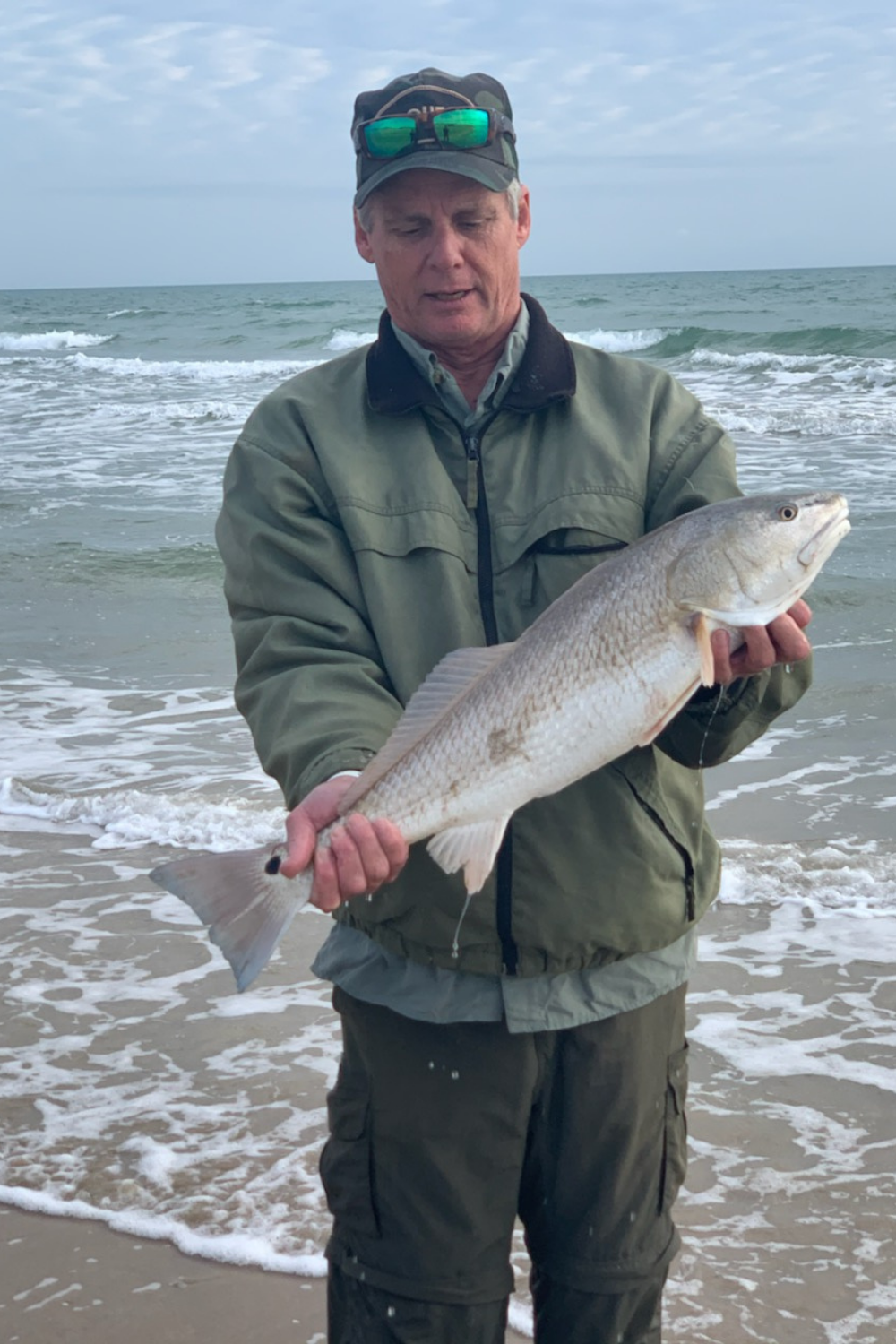
A life long surf fisherman with 50+ years of experience, I am also an avid hunter and outdoorsman. I will be sharing my passion for the outdoors with you so be prepared for hunting, fishing, camping, hiking and more. Along with gear reviews and the latest trends and innovations in the outdoor industry.