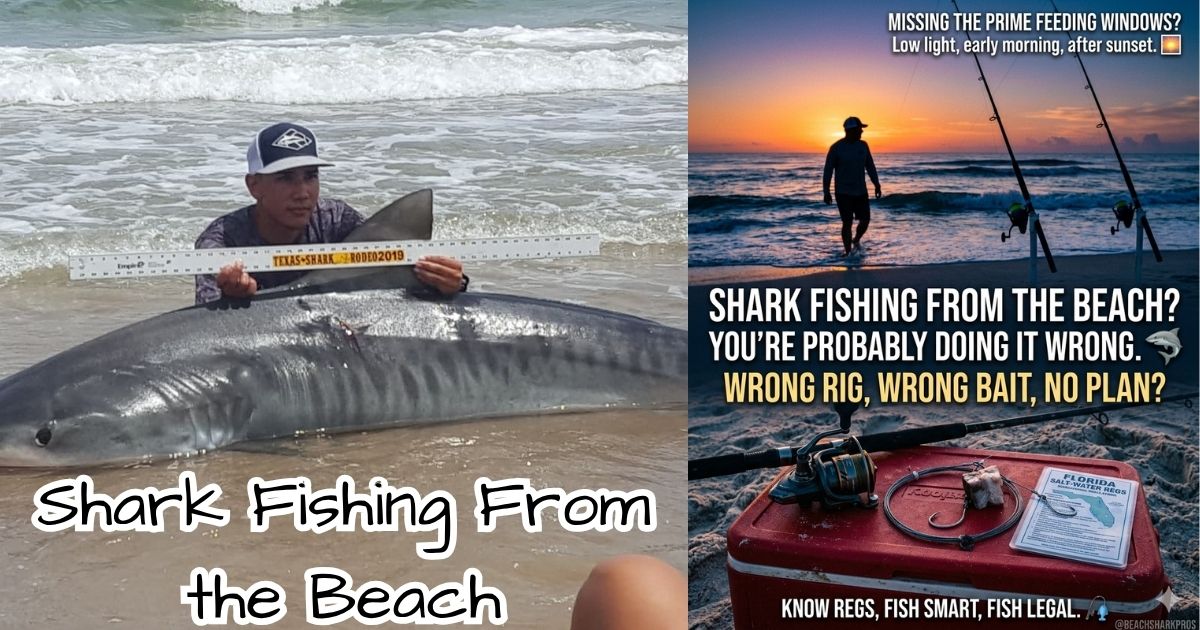
Beach shark fishing is something many anglers dream about but often find intimidating at first. When I tried it for the first time, I realized how much practical preparation and thoughtful gear choices mattered; it was far more important than just luck or strength. For beginners, learning the right approach can help avoid frustration and disappointment. Here, I’ll walk you through everything I wish I’d known, so your first shore-based shark trip feels a lot less mysterious and a lot more fun.
QUICK LOOK
- Get the Right Leader and Hook: Use a heavy wire leader and a big circle hook. This makes hooking the shark and releasing it much safer and simpler.
- Focus on Fresh Bait: Use fresh chunks rather than frozen options for a stronger scent trail. If you can’t catch fresh bait, buy the freshest you can from a local tackle shop.
- Don’t Skip on Safety: Always wear shoes or boots when wading. Shuffle your feet to avoid stepping on stingrays, and carry a first aid kit with you.
- Understand Handling: Long-handled pliers make hook removal much less risky. Never try to pick up a shark by the tail or gills, as this can injure both you and the shark.
- Follow Local Regulations: Each state has different rules, and some beaches require permits or have protected shark species. Know the laws before you start.
Core Gear You Need for Beach Shark Fishing
Tackling sharks from the sand relies on specialized gear and a little know-how. When I first started, I quickly learned that basic surf gear usually won’t cut it for targeting even small sharks. Here are the most important things I now bring with me for every session on the beach.
I rely on a strong rod in the 10 to 13 foot range, with a heavy-duty spinning reel because sharks pull hard and run for long distances once hooked. My line is always at least 50-pound braided mainline, attached to a leader made from heavy wire of 90 pounds or more. Standard mono or fluorocarbon leaders snap or get cut on the shark’s teeth right away. A circle hook, sized 10/0 to 12/0, helps make clean hooks in the shark’s mouth and makes releasing the shark safer for both of us.
For bait, nothing beats fresh cut bait. I use chunks of bonito, bluefish, or ladyfish if I can get them. Stingray wings are popular too. The idea is to create a strong scent trail in the water, and old frozen bait never does this as well as fresh. A large sand spike, a pair of long-handled pliers, and a sturdy leader float round out the basic gear list for me every time I go.
How to Get Started with Beach Shark Fishing
The first big surprise I had was realizing that dropping your bait in the right spot matters more than how hard you can cast. Sharks rarely swim in the first trough where waves break close to the shore. They patrol deeper water beyond the second sandbar, sometimes more than 100 yards out. If you simply cast from the sand, the bait often lands too shallow to attract real attention.
Wading out as deep as safety allows, or using a kayak to paddle your bait out if you’re comfortable, makes an enormous difference. Most sharks swim in predictable areas, and learning to target these is way more important than random casting.
- Watch the Surf: Look for cuts or channels where water flows back out through the sandbar. Sharks often use these paths as they hunt.
- Deploy Baits Past the Break: Wade carefully, carrying your baited rig out into waist-deep or chest-deep water, past the second sandbar if possible, before letting it sink.
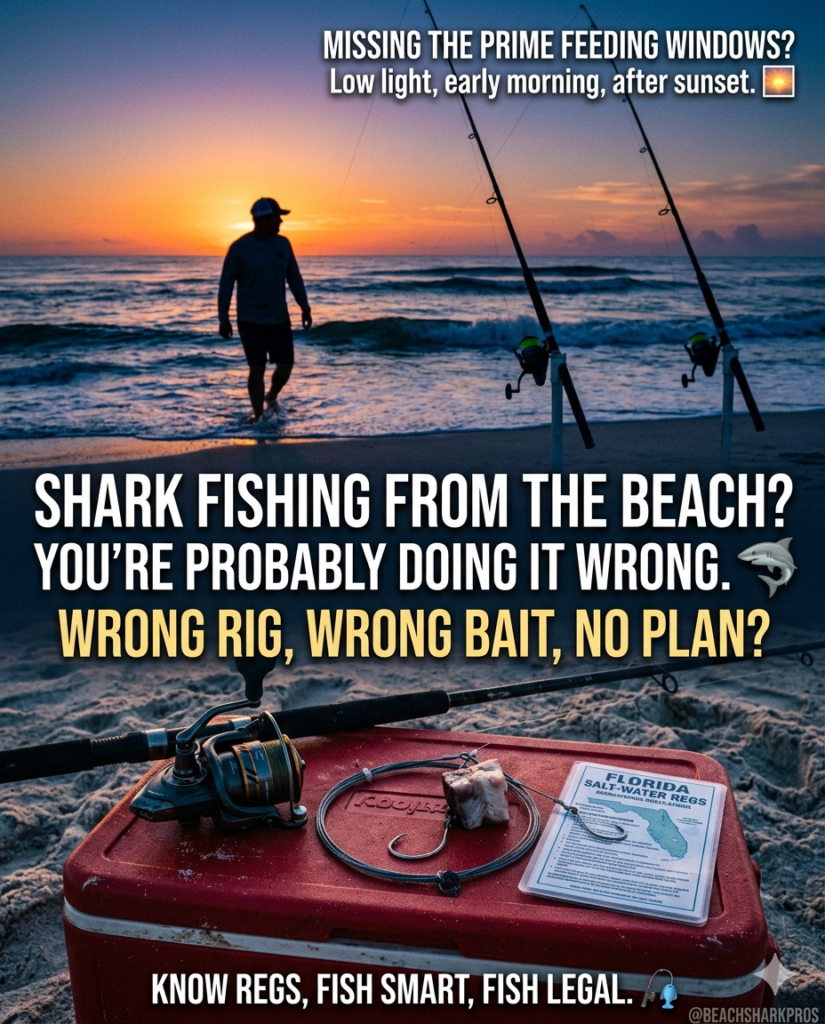
- Time Your Fishing: I have the best luck early in the morning, right before sunrise, or after sunset into the night. Sharks move in closer to the beach to hunt when light is low.
Quick Tips to Make Your First Beach Shark Fishing Trip a Success
- Get the Right Leader and Hook: Use a heavy wire leader and a big circle hook. This makes hooking the shark and releasing it much safer and simpler.
- Focus on Fresh Bait: Use fresh chunks rather than frozen options for a stronger scent trail. If you can’t catch fresh bait, buy the freshest you can from a local tackle shop.
- Don’t Skip on Safety: Always wear shoes or boots when wading. Shuffle your feet to avoid stepping on stingrays, and carry a first aid kit with you.
- Understand Handling: Long-handled pliers make hook removal much less risky. Never try to pick up a shark by the tail or gills, as this can injure both you and the shark.
- Follow Local Regulations: Each state has different rules, and some beaches require permits or have protected shark species. Know the laws before you start.
Following these steps helped me land my first decent-sized shark without trouble and release it safely back to the water.
Common Challenges for New Shore-Based Shark Anglers
Early on, I ran into a few challenges that nearly made me give up beach shark fishing altogether. Here’s what regularly trips up beginners (and how I learned to handle them):
- Sore Arms from Hauling Big Rigs: Heavy rods and reels get tiring fast. Setting up a solid sand spike lets you rest between bites and is a real lifeline during a long night.
- Frustration with Short Casts: No matter how hard I tried, reaching distant troughs with a cast was impossible. Learning to deploy bait by wading or kayak made a big difference in my catch rate.
- Unpredictable Bites: Sometimes a whole night goes by with nothing, then three runs in a row. Shark fishing is unpredictable. Keeping lines in the water during the best windows (dawn and dusk) really helps.
- Gear Damage: Saltwater ruins cheap gear quickly. After losing a good reel to corrosion, I now rinse everything thoroughly and invest in saltwater-rated equipment from the start.
- Handling Sharks Safely: My first close encounter was nerve-wracking, but using long-handled pliers and keeping the shark in shallow water for the hook removal kept both me and the fish much safer.
Leader and Hook Selection
Choosing the right leader is something I learned the hard way. Basic surf rigs almost always fail because sharks have powerful jaws and razor-sharp teeth. A leader of at least 90-pound coated wire and a strong circle hook (size 10/0 to 12/0 is my go-to) mean I lose fewer fish and can land and release them more quickly. I avoid standard J hooks, as they often guthook sharks and make safe handling impossible.
Timing and Tides
I used to fish only during daylight hours and wondered why I missed most of the shark action. Sharks come in shallow during low light, right before sunrise and just after sunset. Tides play a role too. I check the local tide charts and aim to fish an outgoing tide, which pulls scent away from shore and brings sharks in to investigate.
Dealing with Crowds and Curious Onlookers
Fishing where people swim raises questions and can create challenges. I keep my setup well marked and communicate with beachgoers nearby about what I’m doing. Picking less crowded stretches of sand, especially early in the morning or late at night, helps avoid unwanted attention and reduces risk for everyone.
Keeping Track of Regulations
There are lots of rules around shark fishing, and they’re changing regularly. Some beaches require a permit, many shark species are catch-and-release only, and using barbed hooks or certain baits might be banned in your state. I check my local wildlife or fisheries website for updates before every trip. Following the rules helps keep the sport alive and shows respect for wildlife and fellow anglers.
Being prepared, understanding your target, and knowing what to expect all make for a better shark fishing experience. Every angler has a favorite species or method they hope to master next. For me, it’s landing a big blacktip during the fall migration run. What shark are you hoping to catch from the beach this season? Share your target below!
Frequently Asked Questions about Beach Shark Fishing
Here are some of the questions I hear most from new beach shark anglers:
What is the best shark species for beginners to target?
Blacktip, spinner, and sandbar sharks are common and usually found within shore casting range. They’re powerful enough for a challenge without being overwhelming.
Do I need any special permit or license?
Most states require a special shore-based shark fishing permit or saltwater fishing license. I always check local regulations and carry the proper paperwork.
How do I keep a hooked shark under control on the beach?
Work the fish gently; avoid pumping and reeling hard. Once close, use the surf to help maneuver the shark, and keep its head pointed into the waves to tire it safely. Use heavy gear to avoid drawn-out fights, which stress the animal.
Advanced Tips for Better Beach Shark Fishing Success
Once the basics are comfortable, I’ve found a few next-level methods can dramatically boost the catch rate and quality of the overall experience.
Sharpen Your Location Habits: Walk the shoreline before setting up. Look for schools of baitfish, bird activity, or fresh tracks where sharks might have beached prey. These signs help me pick the most productive spots.
Refine Your Bait: Experiment with bait types and sizes. In summer, I bring both oily and bloody baits since sharks show preferences based on water temperature and available food sources.
Improve Your Rig: Adding a small float to my leader helps suspend the bait just off the bottom. This simple trick keeps crabs from stripping the hook and puts the bait right in the sharks’ line of sight.
Fishing with a friend or a small group is smart; hauling big sharks can be a team effort, especially when releasing them. Having a plan in place for handling fish safely and quickly is just as important as using good gear.
Beach Shark Fishing in Action
The excitement of hearing the clicker scream and seeing line peel off the spool as a shark takes your bait is hard to match. With the right setup, good timing, and a safe attitude, beach shark fishing becomes a lot more accessible. I still remember the rush from my first hookup, and the challenge of landing it solo in the surf had me hooked for good.
With every trip, my setup and tactics get better, and there’s always new ground to cover along the coast. If you stick to the basics and focus on responsible fishing, you’ll find beach shark fishing offers real rewards in memories and stories, plus a deeper respect for these powerful animals and the wild places they roam.
If you’re ready to jump into the world of beach shark fishing, prepare your gear, research your local spots, and be patient as you learn. Over time, each outing will help you grow in skill and confidence. Above all, respect the fish, the law, and your fellow anglers—and you’ll find every adventure more rewarding.
Check Out Our Most Recent Articles:
- Best Surf Rods Under $150

- Targeting Tarpon In The Surf
- Secrets To Finding And Catching Snook
- 4 Tips for Targeting Striped Bass In The Surf
- Live Bait Vs Artificial Lures In The Surf
- The Reel Everyone Recommends Vs. The Reel That’s Built For Saltwater

As always, stay safe, enjoy the journey, and please try to leave it cleaner than you found it. If you have any comments, questions, ideas, or suggestions, please leave them in the comment section below, and I’ll get back to you ASAP. You can follow us on Facebook: Rex The Beach Angler, Instagram: thebeachangler7, Twitter: @AnglerBeach, and YouTube: Man Art Creations.
P.S. Thanks so much for checking out our blog; we really appreciate it. Just so you know, we may receive a commission if you click on some of the links that appear on our site. This helps us keep our content free and up-to-date for everyone. We appreciate your support!





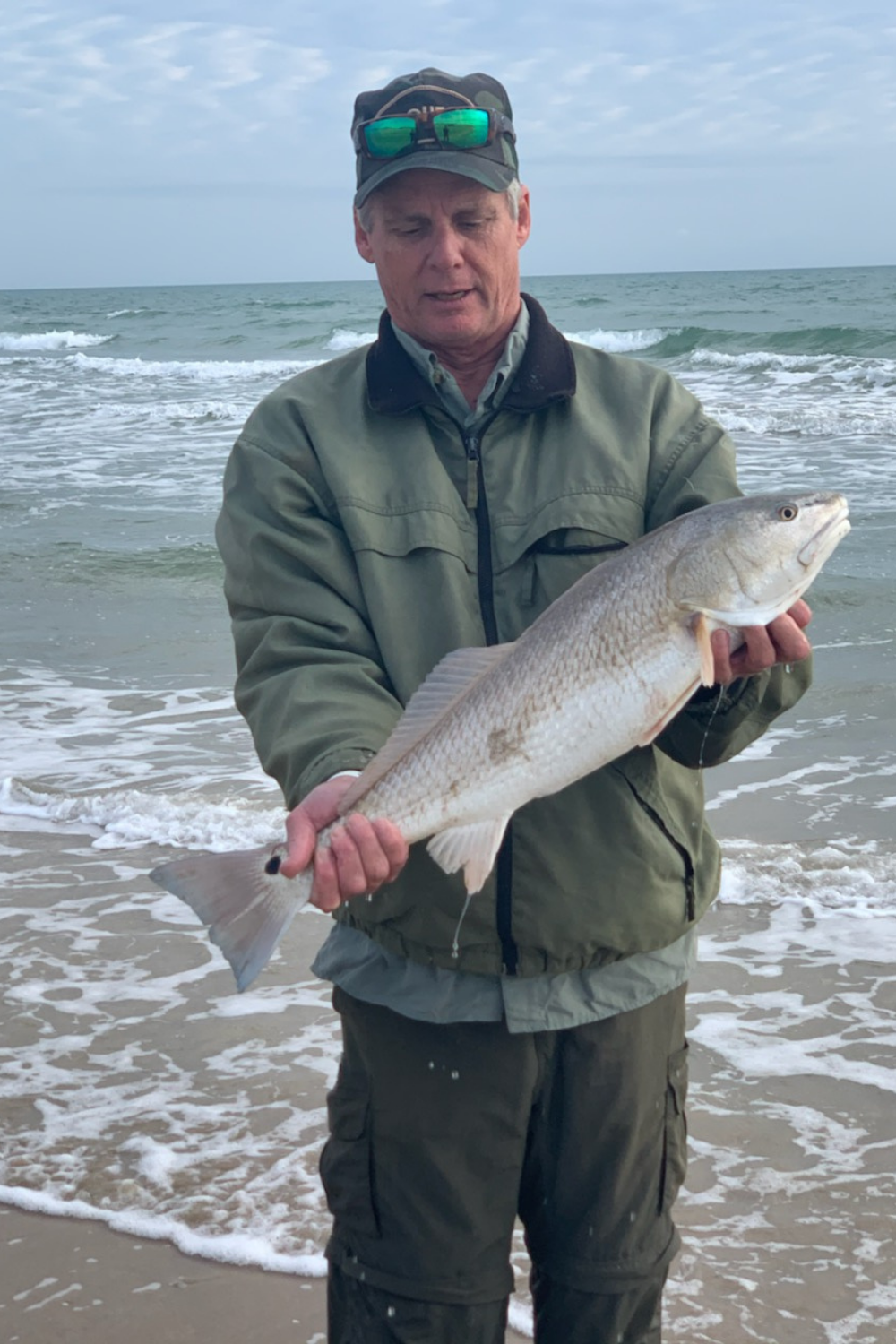
A life long surf fisherman with 50+ years of experience, I am also an avid hunter and outdoorsman. I will be sharing my passion for the outdoors with you so be prepared for hunting, fishing, camping, hiking and more. Along with gear reviews and the latest trends and innovations in the outdoor industry.