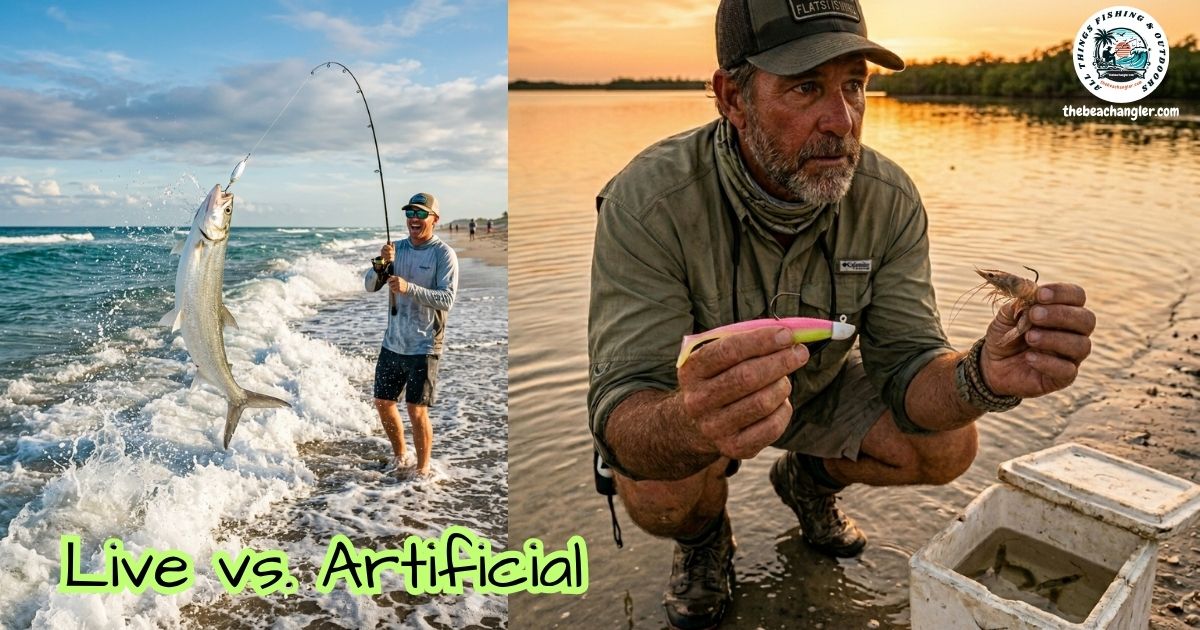
Every surf angler has heard this debate: live bait or artificial lures. Both sides have strong followers, and plenty of stories to back up their claims. I’ve tried both over the years and faced days when fish wanted nothing but the real thing, and other days when plastic out-fished anything alive. Understanding the difference, knowing the strengths of each method, and reading the conditions makes a real difference for anyone casting into the waves.
Why the Debate Matters: The Basics of Surf Fishing Bait Choices
Surf fishing means working with constantly changing tides, winds, and often unpredictable fish moods. The decision between tossing a live sand flea, strip of mullet, or a flashy spoon comes down to understanding each approach and adapting to the conditions of the day.
The debate isn’t just about personal preference. It comes from real practical experience and the result of hundreds of hours on the beach. For newcomers, this topic can get confusing, but seasoned anglers know that success depends on matching the bait to the bite.
Live bait offers real scent, motion, and the feel that can convince even wary fish. Artificial lures let me cover more water and trigger those aggressive strikes. Sometimes, I use both in a session. Knowing what makes each technique work helps me fish smarter and bring home more stories—and, hopefully, dinner.
Surf Conditions and When to Use Live Bait
Some days, nothing beats the appeal of a live bait wriggling on your hook. When the surf is dirty after a storm, or when the water’s cold and the bite slows down, live bait does more than just attract fish; it gets noticed. The natural oils and scents release into the water, and predators rarely turn down an easy meal. I’ve had days fishing pompano rigs with live sand fleas, only to watch nearby anglers with artificials struggle to get a bite.
Live bait really shines in a few scenarios:
- Murky or rough water: Fish rely on scent and vibration rather than sight. The real smell and movement can be the trigger for a strike.
- Heavily pressured beaches: When lots of anglers walk the sand, fish may get cautious. They’ve seen all kinds of plastics, but a fresh bait convinces them it’s safe to eat.
- Finicky or fast-moving species: Some days, fish need more time and a more realistic presentation before they’ll commit. Live shrimp, sand fleas, or cut bait can make the difference.
On calm, clear days, I sometimes reach for a live finger mullet on the end of my line. Watching a big fish pick it up and run is hard to beat. But I also pay close attention to tides, current, and activity before making that first cast.
When Artificial Lures Take Over & Their Advantages in the Surf
Artificial lures are all about action and covering water efficiently. When the surf is active and I want to target fast-moving predators like bluefish, ladyfish, or Spanish mackerel, artificials let me search a massive area without ever needing to rebait my hook. Lures like topwater plugs, jerkbaits, and metal spoons create vibration and flash, driving reaction bites in aggressive fish.
Here are times I’ve found artificials to be my best bet:
- Clear water and active fish: Predators hunt by sight. Lures that mimic injured baitfish or skip along the surface catch their attention quickly.
- Moving tides and changing spots: I can cast dozens of times in different areas, cover troughs and sandbars, and figure out patterns much faster than bait fishermen chained to a single rod holder.
- Early mornings or late evenings: Fish are often feeding actively and ready to chase. Artificial lures can get multiple strikes from the same school without needing to rebait.
If I want to keep moving, test different spots, and build up numbers, I usually reach for my favorite shrimp imitation or spoon. It speeds up my fishing, and sometimes that action keeps things exciting even when bites are scarce.
Don’t forget: artificial lures let you adjust your presentation quickly. If fish are looking for something slow, you can let the lure drop and work it gently, while an aggressive retrieve can draw strikes from hunting predators.
Comparing Strengths and Weaknesses of Live Bait vs Artificial Lures
Every approach has its strengths and weak points. Here’s what I’ve learned from years of sandy feet and sunburnt necks:
- Live Bait: Scent, realism, and texture that can fool even reluctant fish. Drawback: It can be messy, sometimes hard to find, and requires more maintenance to keep baits fresh and lively.
- Artificial Lures: Portable, reusable, and super effective at covering ground or mimicking a fast escape. Drawback: Some days, fish just don’t want plastic, or the water is too dirty for them to find your lure.
I always keep both in my tackle bag. When the bite changes, I change with it. It’s better than sticking to just one strategy and missing opportunities.
Quick Starter Guide on How to Decide What to Use in the Surf
When I walk out onto the sand, I don’t just pick the first rig that comes to mind. Here’s my thought process for picking between live bait and artificials each session:
- Read the water: Is it clear or dirty? Fast current or lazy tide?
- Watch for baitfish: Are schools visible, or are seagulls diving? If there’s a lot of visible life, artificials can really shine.
- Consider the target species: Some fish hit lures out of aggression, while others look for scent trails.
- Check the crowd: Heavy pressure may call for a more natural presentation like live bait.
- Mix it up: Start with one; if you’re not catching after 20 minutes, switch. Flexibility keeps things fun and productive.
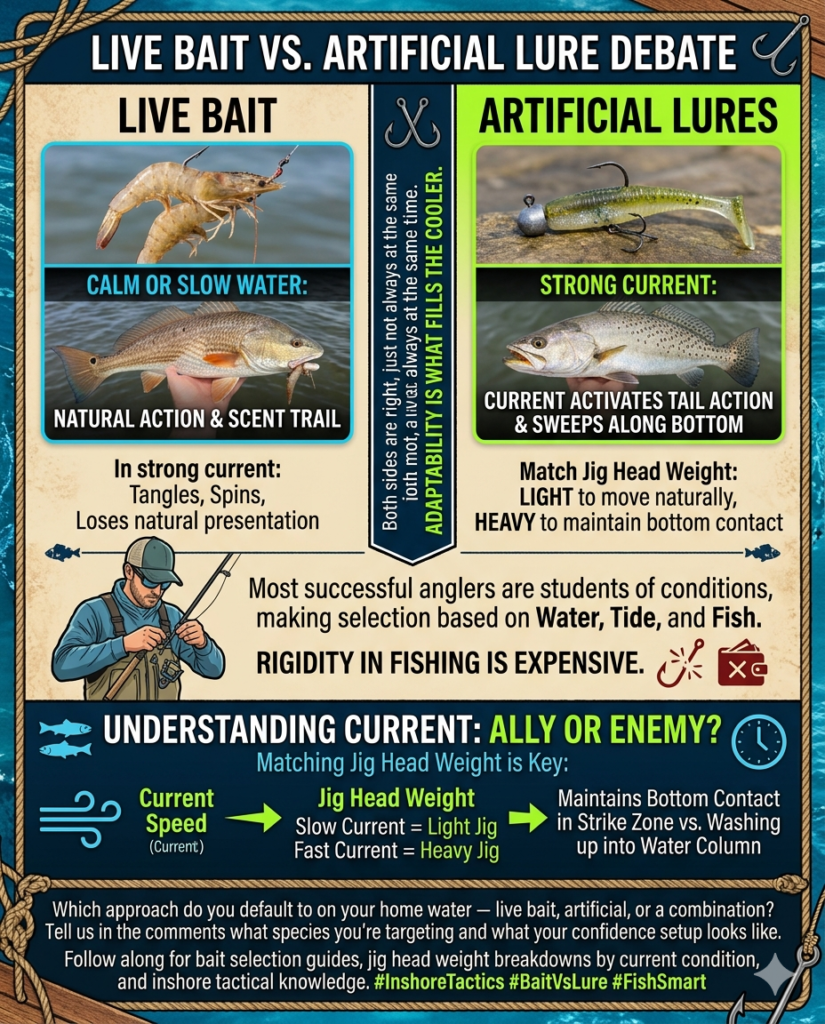
Knowing how to switch between methods isn’t just common sense. It’s what longtime surf anglers do without thinking. I’ve learned more from adapting than anything else.
Frequently Asked Questions
Is live bait always better for beginners?
Live bait can be more forgiving and often gets more bites, but learning to use artificials helps cover water and catch active fish. I suggest trying both and seeing what feels most comfortable.
What artificial lures work best in the surf?
Spoons, soft plastics that mimic shrimp, and topwater plugs all work well. The best choice depends on local baitfish and target species.
How do you keep live bait alive on the beach?
Use a good insulated bait bucket with an aerator. Change the water often and keep the bucket in the shade whenever possible.
Can you mix live bait and artificials in one trip?
I do it all the time. Sometimes, one rod soaks live bait while I cast lures with another. It doubles your chances.
Pitfalls and How to Avoid Them with Bait Choices
Every surf fisherman can recount missed chances or lessons learned the hard way. Keeping live bait alive in the sun is challenging. Artificial lures sometimes get snagged or battered, and not every lure attracts every species. A few things I’ve picked up:
- Always carry an insulated bait bucket with aeration for live baits.
- Rotate artificials so you avoid using the same lure style all morning.
- Sharpen hooks regularly. Sand dulls them quickly, especially with repeated casts.
- If fish ignore everything, scale down leader size and try a lighter presentation.
Most lost fish come from not adapting soon enough. If the angler fifty yards down catches fish while you’re stuck, take a look at what bait or lure he’s using and adjust your own setup.
Real World Experience: Stories and Tactics from the Surf
I remember one morning in summer fishing for whiting and pompano. I started with a small silver spoon but only caught a few nibbles. A friend down the beach switched to live sand fleas, and it was clear he found the school. I swapped rigs and immediately got on the fish.
Other days, bluefish chased anything fast and flashy, and live baits sat untouched. The best surf experiences come from being ready to pivot between styles as soon as conditions or fish behavior changes. Sometimes, the biggest breakthroughs on the beach come from asking questions or simply observing what’s working for others nearby.
Pro Tips for Maximizing Success with Both Tactics
Here’s what works for me:
Stay organized: Keep live baits fresh and avoid overcrowding them in the bucket. Always rinse lures to remove salt and sand before storing them.
Vary your retrieves: If you’re using artificials, switch speeds and let the current work your lure naturally. If you’re using live bait, lift the rod tip now and then to make the bait stand out in the surf.
Pack backup: Sometimes the local bait shop runs out, or you lose your last lure to a bluefish. Carry a mix so you’re always ready.
Watch the locals: Surf fishing is a community. Pay attention to what’s working for others. Many of my best techniques came from a tip given out on the sand.
- Reaction Strikes: Use fast-moving lures during peak feeding times.
- Deadstick the Live Bait: Let it sit naturally in the surf, but keep tension to feel subtle bites.
One bonus tip: match the retrieve of your artificial lure to the speed of the current. If you burn it too fast against the flow, your lure spends less time where fish feed. Let the current help and slow your retrieve. This little trick has helped me catch more fish without working as hard. And don’t overlook the importance of sharpening your hooks after a few casts on sandy beaches.
Final Thoughts and Flexible Tactics Lead to Surf Success
The best surf anglers carry a variety of bait and lures, pay attention to changing conditions, and never hesitate to switch tactics. Learning to read the surf and adapt gives me the best chance on any day, regardless of what the fish want.
Every session teaches something new; I encourage newcomers and experienced anglers alike to try both methods and figure out what works best. The next time I hit the beach, I make sure my tackle bag has both options ready, and I stay open to whatever the surf brings. Share a story with a fellow angler, test a new lure, and stay ready to mix up your methods. That’s how the best beach days happen, and that’s how the best fish tales are made.
Check Out Our Most Recent Articles:
- Best Surf Rods Under $150

- Targeting Tarpon In The Surf
- Secrets To Finding And Catching Snook
- 4 Tips for Targeting Striped Bass In The Surf
- Live Bait Vs Artificial Lures In The Surf
- The Reel Everyone Recommends Vs. The Reel That’s Built For Saltwater
As always, stay safe, enjoy the journey, and please try to leave it cleaner than you found it. If you have any comments, questions, ideas, or suggestions, please leave them in the comment section below, and I’ll get back to you ASAP. You can follow us on Facebook: Rex The Beach Angler, Instagram: thebeachangler7, Twitter: @AnglerBeach, and YouTube: Man Art Creations.
P.S. Thanks so much for checking out our blog; we really appreciate it. Just so you know, we may receive a commission if you click on some of the links that appear on our site. This helps us keep our content free and up-to-date for everyone. We appreciate your support!





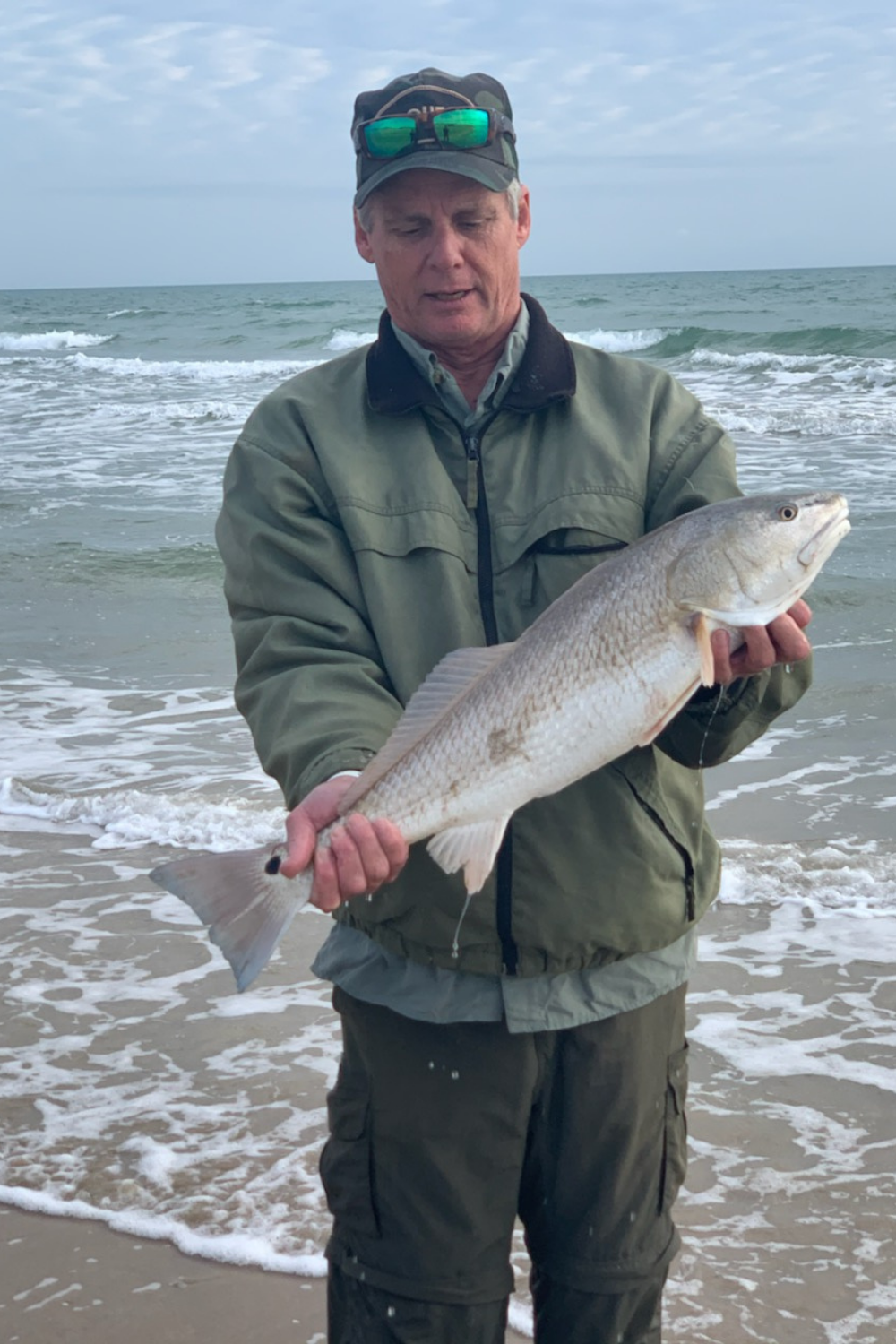
A life long surf fisherman with 50+ years of experience, I am also an avid hunter and outdoorsman. I will be sharing my passion for the outdoors with you so be prepared for hunting, fishing, camping, hiking and more. Along with gear reviews and the latest trends and innovations in the outdoor industry.