Targeting striped bass from the surf has always drawn me in, both for the excitement and the challenge. If you’re new to the scene, you might see a crowded midday beach and assume that’s when the bite is hottest.
QUICK LOOK: Tips for Targeting Striped Bass in the Surf
- Match the Hatch: I pay attention to local baitfish; if sand eels or bunker are running, I choose lures that mimic them in size and color.
- Vary Retrieve Speed: Changing up reel speed, adding pauses, and bouncing jigs along the bottom all help trigger strikes from hesitant fish.
- Keep a Journal: When I started tracking conditions (tide, moon phase, lure, activity), I noticed clear patterns. Over time, this journal has become one of my best learning tools.
- Stay Mobile: If I’m not getting bites after 15-20 minutes, I’ll move down the beach or try another spot. Stripers are on the move, and flexibility helps.
The truth is, stripers behave differently than most people think, and timing your sessions correctly can make all the difference. Here, I’m sharing what I’ve learned about surf fishing for striped bass, covering the basics, gear essentials, techniques, and a few surprising facts to give a boost to your catch rate.
Understanding Striped Bass Surf Behavior
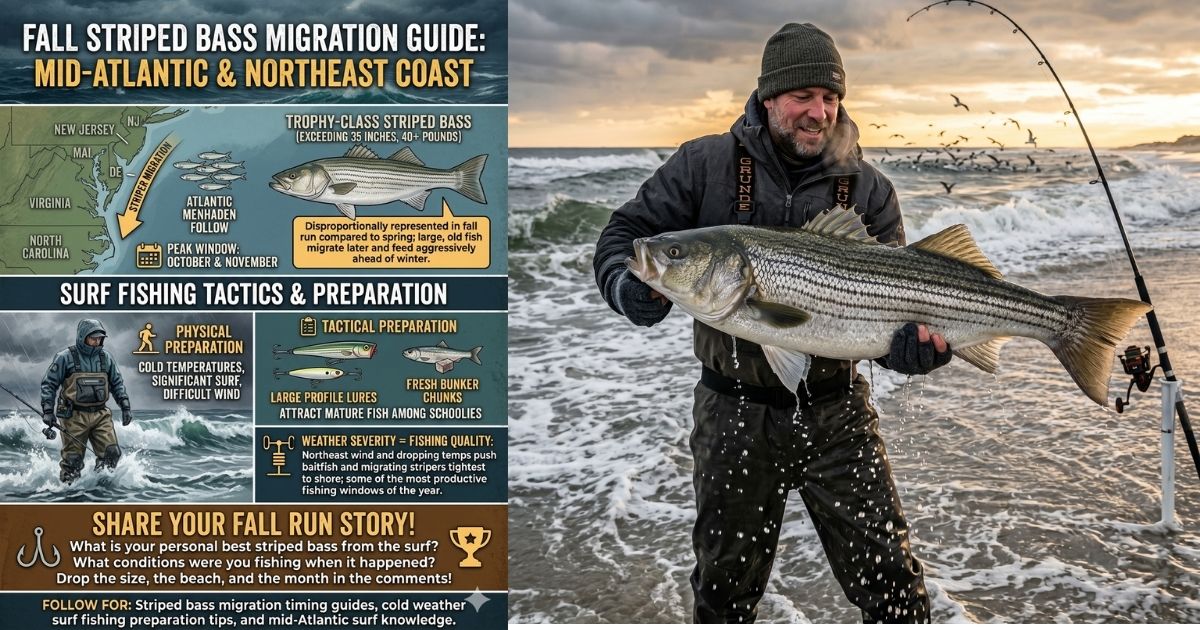
Striped bass, or “stripers,” have developed smart ways to hunt baitfish in the surf zone. These fish favor the cover of darkness or low-light conditions, using waves, current, and the churning wash to their advantage. In my experience, the most active feeding happens during short windows, typically just before sunrise and just after sunset.
Stripers push right into shallow water when conditions are right. They use their excellent low-light vision to ambush bait that gets disoriented in the surf. When the sun climbs higher, their activity usually drops off fast; most of my best sessions have happened before most people even make it out of bed.
This low-light feeding habit is why picking the right time is really important. Early mornings and evenings are when the stripers are closest to shore and more willing to strike. If you’re patient and keep an eye on subtle signs in the surf, you can often spot the feeding patterns that few other anglers notice, giving you the edge when conditions line up perfectly.
Basic Gear for Surf Striped Bass Fishing
Finding the right gear doesn’t have to be complicated, but a few key pieces make surf fishing much smoother. Here’s what I rely on in my own setup:
- Surf Rod and Reel: I use a rod between 9 and 11 feet long, paired with a saltwater-rated spinning reel. The longer rod helps get baits past the breaking waves, and a solid reel with a smooth drag holds up against strong fish and the corrosive saltwater.
- Braided Line: Braided line (between 20- and 40-pound test) provides extra casting distance and helps detect subtle bites in rough surf.
- Leader: I add a 20- to 40-pound fluorocarbon leader since it resists abrasion from sand and rocks and is less visible underwater.
- Waders or Surf Boots: Staying dry and comfortable is worth the investment, especially if you’re fishing in colder shoulder seasons.
Lures and terminal tackle matter, too. My go-to lures include bucktail jigs, topwater plugs, and soft plastic swimbaits. If the stripers are being picky, I’ll switch between sizes and colors until something clicks. Having a small surf bag with various lure shapes and weights enables me to adapt quickly when conditions or feeding preferences change.
Finding Productive Spots in the Surf
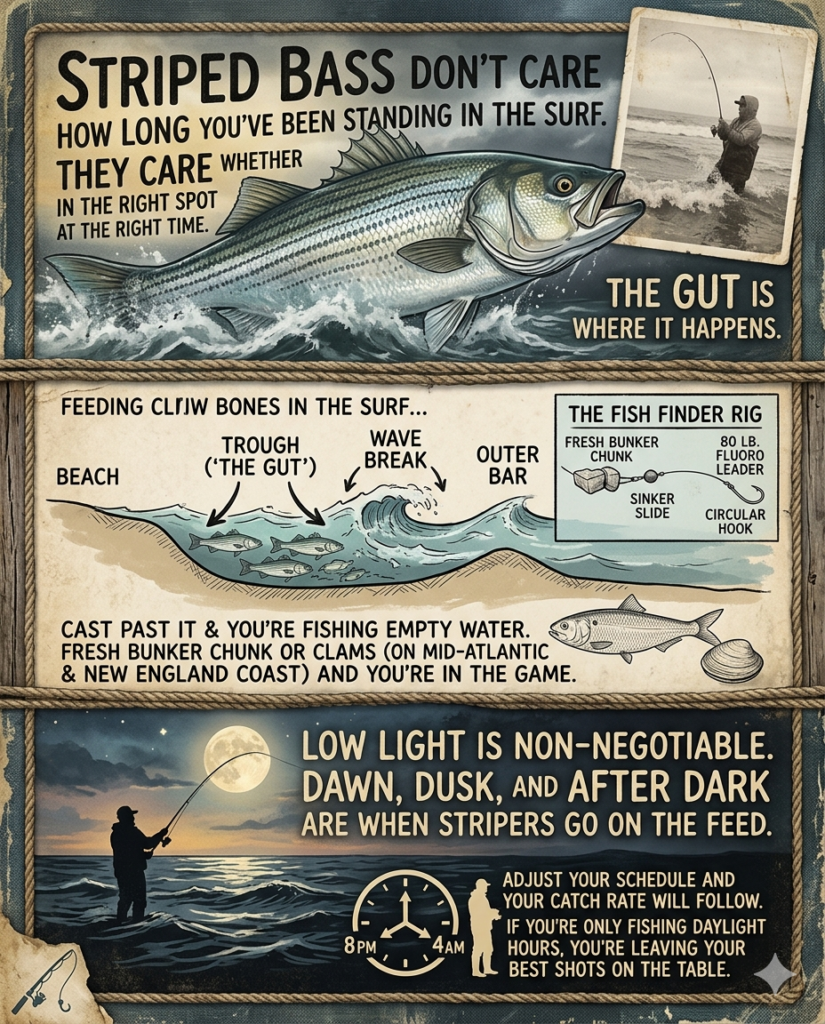
Learning where stripers like to hunt in the surf zone pays off over time. I look for cuts in sandbars, areas where waves break unevenly, and places where river mouths or jetties meet the surf. These spots create current and turbulence, which disorient baitfish and give stripers a feeding edge.
- Reading the Water: I watch for darker patches indicating deeper water, and places where the foam from waves gets pulled back out to sea through a trough. Stripers use these features to hide and ambush prey.
- Structure: Rock piles, jetties, and the edges of inlets are classic striper hangouts. Even during low tide, I’ll scout the beach for places where the bottom changes from sand to rock or where there’s a dropoff. These become hotspots when the tide rises.
Bringing a pair of polarized sunglasses helps spot likely areas, even in low light. Over time, I’ve learned that returning to the same beach at different tide stages often reveals these sweet spots. Familiarizing yourself with these patterns can give a boost to your fishing success, especially when you revisit promising sections of the beach at just the right time.
Timing Your Sessions for Striped Bass
Most anglers show up midday and wonder why they’re not getting strikes. Stripers, being lowlight feeders, almost always prefer dawn and dusk. I’ve landed far more quality fish in the pre-dawn haze or just as the beach empties at sunset. If I only have an hour or two to fish, I make those narrow windows my priority.
Tide also plays a huge role. The incoming or rising tide tends to gather baitfish in closer to the shore, which pulls in the stripers. Combining that moving water with the start or end of the day is my favorite recipe for a productive outing. Checking a tide chart and planning around these times is a simple adjustment that brings big results.
For those who prefer a quieter session, night fishing can be just as effective. Stripers stay active after dark, and I like to use noisy lures or chunk baits to get their attention. A headlamp with a red lens helps maintain my night vision and reduces spooking fish. When the crowds thin out and the waves calm down, you can often stumble upon great action long after sunset.
Tips for Improving Your Catch Rate
I’ve made plenty of mistakes chasing stripers, but a few small tweaks have made a huge difference:
- Match the Hatch: I pay attention to local baitfish; if sand eels or bunker are running, I choose lures that mimic them in size and color.
- Vary Retrieve Speed: Changing up reel speed, adding pauses, and bouncing jigs along the bottom all help trigger strikes from hesitant fish.
- Keep a Journal: When I started tracking conditions (tide, moon phase, lure, activity), I noticed clear patterns. Over time, this journal has become one of my best learning tools.
- Stay Mobile: If I’m not getting bites after 15-20 minutes, I’ll move down the beach or try another spot. Stripers are on the move, and flexibility helps.
Stick with it; even a slow morning can turn into a hot bite when conditions line up. Being ready pays off, and sometimes a last-minute switch of lure or location can be the move that hooks your fish of the season.
Frequently Asked Surf Striped Bass Questions
What’s the best time of year to surf fish for stripers?
Spring and fall migrations are the most consistent periods, when stripers move along the beaches in larger numbers chasing baitfish. I usually see the first signs in late April or early May, then again in September and October. In high summer, night fishing can still be productive, but your odds increase during migration months.
Do I need heavy tackle for surf stripers?
I stick with medium-heavy to heavy rods and reels, since stripers can exceed 30 pounds and there’s always a chance of running into something bigger in rough surf. Using gear that can handle big fish also makes it easier to release them unharmed, which helps the fishery stay healthy for everyone.
How important is stealth in the surf?
It matters more than people think; I avoid loud noises, wear muted colors, and make my first casts while standing back from the water’s edge, especially in calm conditions. Sometimes the difference between getting a hit and not getting one is how subtly you approach those first few casts.
Common Challenges of Striped Bass in the Surf and How to Handle Them
- Wind and Weather: Windy conditions make casting tricky and can stir up weeds. I switch to heavier lures and use wind to help get extra distance. A little rain never slows me down, since stripers actually seem to feed better under cloud cover and drizzle.
- Weeds and Debris: After a storm or in late summer, floating grass can foul lures and baits. Switching to slightly deeper diving plugs or adding a weed guard to jigs can help keep lines clean.
- Fishing Crowds: Some beaches can get packed. I try to find a less pressured stretch or fish off-peak times to avoid big crowds. Early morning often means I have most of the water to myself.
- Safety: Rip currents, large waves, and shifting tides can surprise even experienced anglers. I always keep an eye on wave patterns, check tide charts, and make sure someone knows where I’m fishing, especially at night.
Staying sharp and being aware of changes in weather and surf can help you avoid many common headaches. Preparation and observation are often just as important as the gear you bring.
Why Stripers Love Low Light
Understanding striped bass vision gave me a big confidence boost. These fish have eyes adapted to see well in dim conditions, unlike their baitfish prey. At dawn, dusk, or on cloudy days, stripers can sneak up on bait that can’t see them coming. Knowing this, I focus almost all my real efforts in those periods of soft light. If you want to increase your chances, focus on fishing during overcast or foggy mornings—they can produce some of the best bites of the year.
Using Live and Cut Bait
Live eels, bunker, or even fresh clams can be hard to beat on tough days. Rigging a live eel with a circle hook and letting it swim naturally draws plenty of strikes, especially when lures aren’t getting attention. Fresh cut bait works especially well at night. After months of trying different options, I keep a few fresh bait options handy in my cooler just in case. If natural bait isn’t producing, sometimes switching back to an artificial lure with a similar action pays off.
Making the Most of Striper Surf Sessions
Targeting striped bass from the surf is all about timing, location, and adjusting your approach as you learn the water. Gear choices, reading the surf, and matching your efforts to the fish’s habits lead to more fun and more fish. Week after week, I’ve found that fishing smarter, especially by being there for the low-light windows, makes my sessions far more successful.
Showing up when the stripers are ready to eat, not when it’s most convenient from a human perspective, is the main secret. If you’re not catching, try switching your time and spot; the fish are there waiting for you, especially at first light when the beach is still quiet. Once you start catching consistently, the surf will always call you back for more.
Check Out Our Most Recent Articles:
- Best Surf Rods Under $150

- Targeting Tarpon In The Surf
- Secrets To Finding And Catching Snook

- 4 Tips for Targeting Striped Bass In The Surf
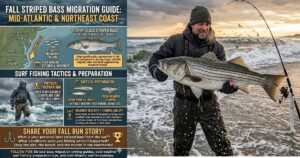
- Live Bait Vs Artificial Lures In The Surf
- The Reel Everyone Recommends Vs. The Reel That’s Built For Saltwater

As always, stay safe, enjoy the journey, and please try to leave it cleaner than you found it. If you have any comments, questions, ideas, or suggestions, please leave them in the comment section below, and I’ll get back to you ASAP. You can follow us on Facebook: Rex The Beach Angler, Instagram: thebeachangler7, Twitter: @AnglerBeach, and YouTube: Man Art Creations.
P.S. Thanks so much for checking out our blog; we really appreciate it. Just so you know, we may receive a commission if you click on some of the links that appear on our site. This helps us keep our content free and up-to-date for everyone. We appreciate your support!





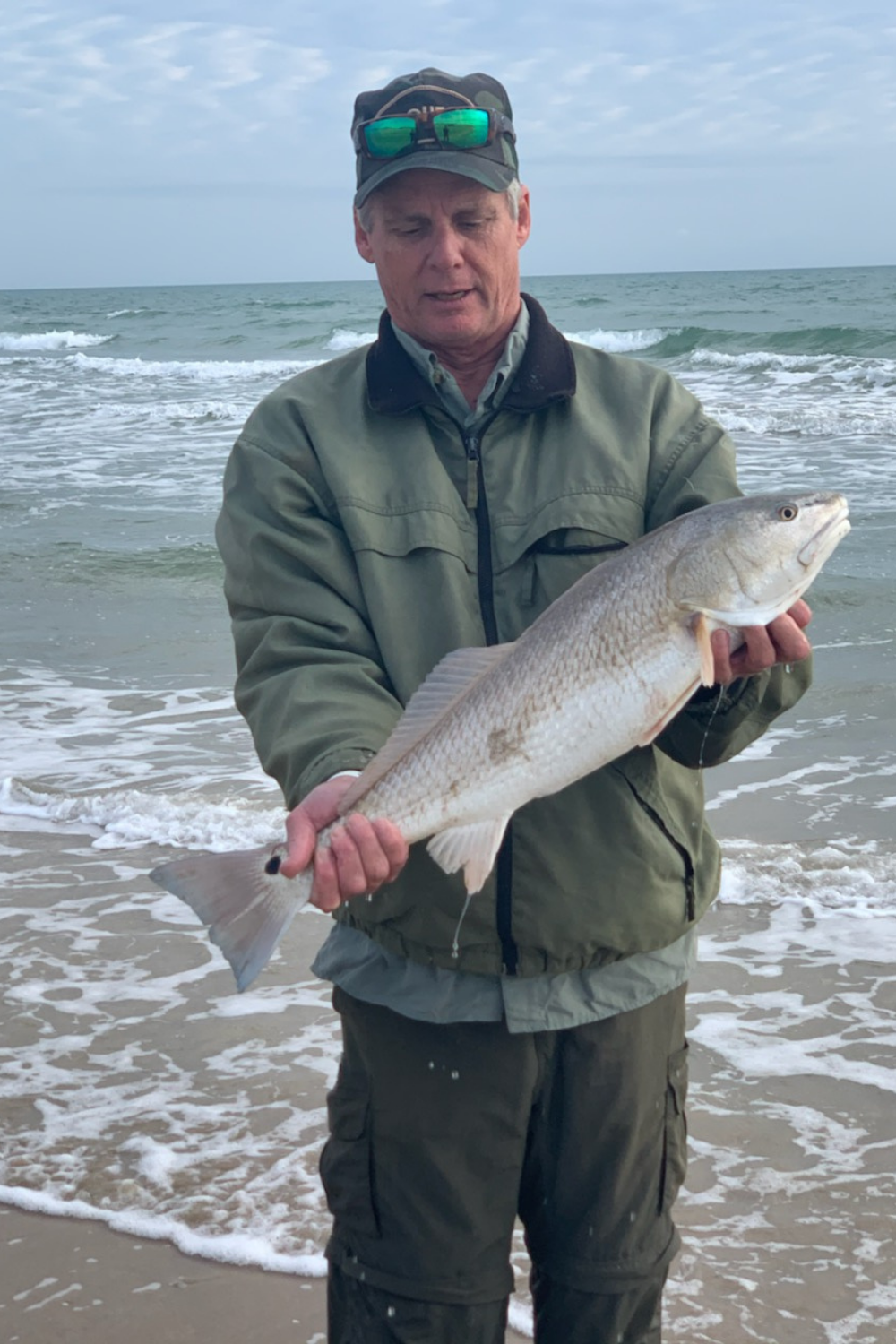
A life long surf fisherman with 50+ years of experience, I am also an avid hunter and outdoorsman. I will be sharing my passion for the outdoors with you so be prepared for hunting, fishing, camping, hiking and more. Along with gear reviews and the latest trends and innovations in the outdoor industry.