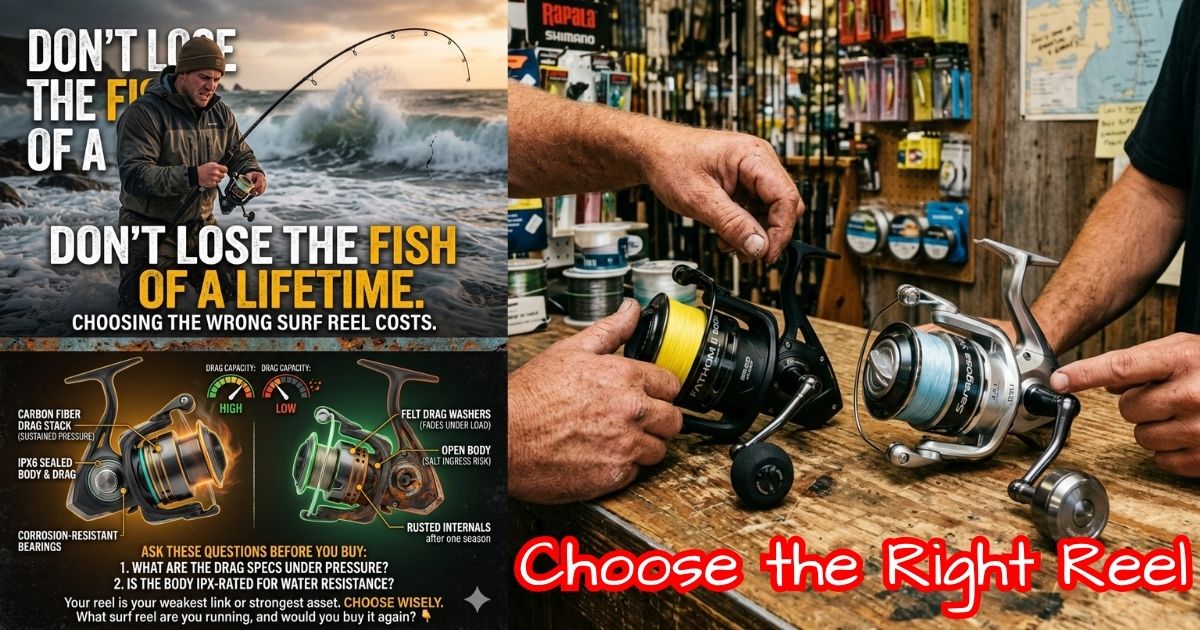
Trying to pick the right fishing reel can be harder than it looks, especially if you’re new to fishing or moving from freshwater to saltwater. I see the same reels popping up everywhere, on forums, in YouTube videos, and in those beginner buying guides.
The crowd favorites almost always look good on paper and feel smooth out of the box. Still, every angler who actually fishes saltwater knows most of these picks don’t last long once the salt, sand, and spray get involved.
Popular Reels vs. Saltwater-Ready Reels: What’s the Difference?
Fishing in saltwater means dealing with conditions that are way tougher than anything a lake or river can throw at your gear. I’ve seen it many times. A reel that feels perfect at first turns into a crunchy mess after just one season at the beach.
The real difference comes down to how a reel is built. Most popular reels focus on smooth retrieves, lightweight, and value, but their internals and finishes often aren’t made to handle saltwater exposure. Salt, sand, and constant moisture target weak points.
Gears can corrode, drags seize up, and handles start to grind. Reels actually designed for saltwater use bring specific features, like sealed bearings and corrosion-resistant metals, which make a huge difference in longevity. Price sometimes goes up a bit. That investment means you won’t need to replace your reel every other year, which saves you money and time in the long run.
Basic Reel Construction: What to Watch For
Understanding how reels are put together helps when you want something for the surf or pier. Here are a few terms I wish I had known before buying my first saltwater reel:
- Full Metal Body: Reels with all-metal frames are stronger, resist flex during hard fights, and don’t crack or wear out as easily as plastic-bodied reels.
- Sealed Drag System: Properly sealed drags keep out sand and saltwater, so the drag stays smooth even after harsh exposure.
- Corrosion-Resistant Bearings: Stainless or shielded bearings slow down rust and grind from salt. If the spec sheets say “marine grade” or similar, that’s a plus.
- IPX Ratings: Some reels now list water resistance as an IP rating (for example, IPX6). The higher the number, the better sealed the reel is against water intrusion.
Other construction factors you might want to track down are how tightly the side plates fit, whether the handle has a one-piece design, and if the spool is braid-ready (which helps when you’re targeting larger inshore species). These small design choices don’t just give a boost to durability, but also make using the reel a smoother adventure overall.
Choosing the Best Reel For Saltwater Fishing
So, how do I sort through the hype and zero in on a reel that will actually survive in salt? Here’s my usual process:
- Ignore the Most Popular Freshwater Models: Even the smoothest reel from a trusted brand doesn’t guarantee saltwater performance. Freshwater-focused options handle bass and trout well, but fail in the surf.
- Check for Saltwater-Specific Series: Brands like Penn, Shimano, Daiwa, and Okuma all make saltwater lines. These are built for durability and corrosion resistance.
- Look for Sealed Construction: Find reels with sealed drags and fully enclosed bodies. This design makes it easy to keep reels working after accidental dunks.
- Read the Specs Carefully: If a reel doesn’t specifically mention saltwater protection, IP ratings, or corrosion-resistant bearings, I skip it for anything beyond light inshore use.
- Ask Real Anglers: I like to check actual fishing forums or review sites for long-term feedback. Posts about reels “still running smooth after five years in salt” are a green flag to me.
Some anglers also dig into warranty details. A longer or more thorough warranty often signals a brand’s confidence that their reel will last in tough conditions.
Typical Problems With Popular Reels Used In Saltwater
Switching a reel designed for bass over to use in saltwater almost always reveals a long list of problems. Here are some of the most common issues I’ve seen firsthand and from other saltwater anglers:
- Corroded Gears: The inside mechanisms start to rust or seize if not built with proper protection.
- Seized Handles and Bails: Even a day of beach spray can make handles and bails stiff or stuck without sealed construction.
- Drag Failure: Unsealed drags get clogged with sand and salt, so you lose smoothness right when a big fish takes off.
- Crunchy Retrieve: When bearings aren’t shielded, the reel will feel gritty and loud when you turn the handle, even after just a few months.
In addition, sometimes the finish itself will begin to pit, or paint will flake off, leaving sharp edges and more places for corrosion to get a hold. I’ve even seen handles that refuse to turn after only a couple of beach trips, all because of skipped sealing around core parts.
Brands and Models: Saltwater-Specific Reels Worth Considering
I’ve gone through a lot of reels over the years, and a few stand out because they’re actually designed to survive rough marine use. Here are a few that friends or I have used, and what makes them a good choice:
4 Top Fishing Reels for Saltwater
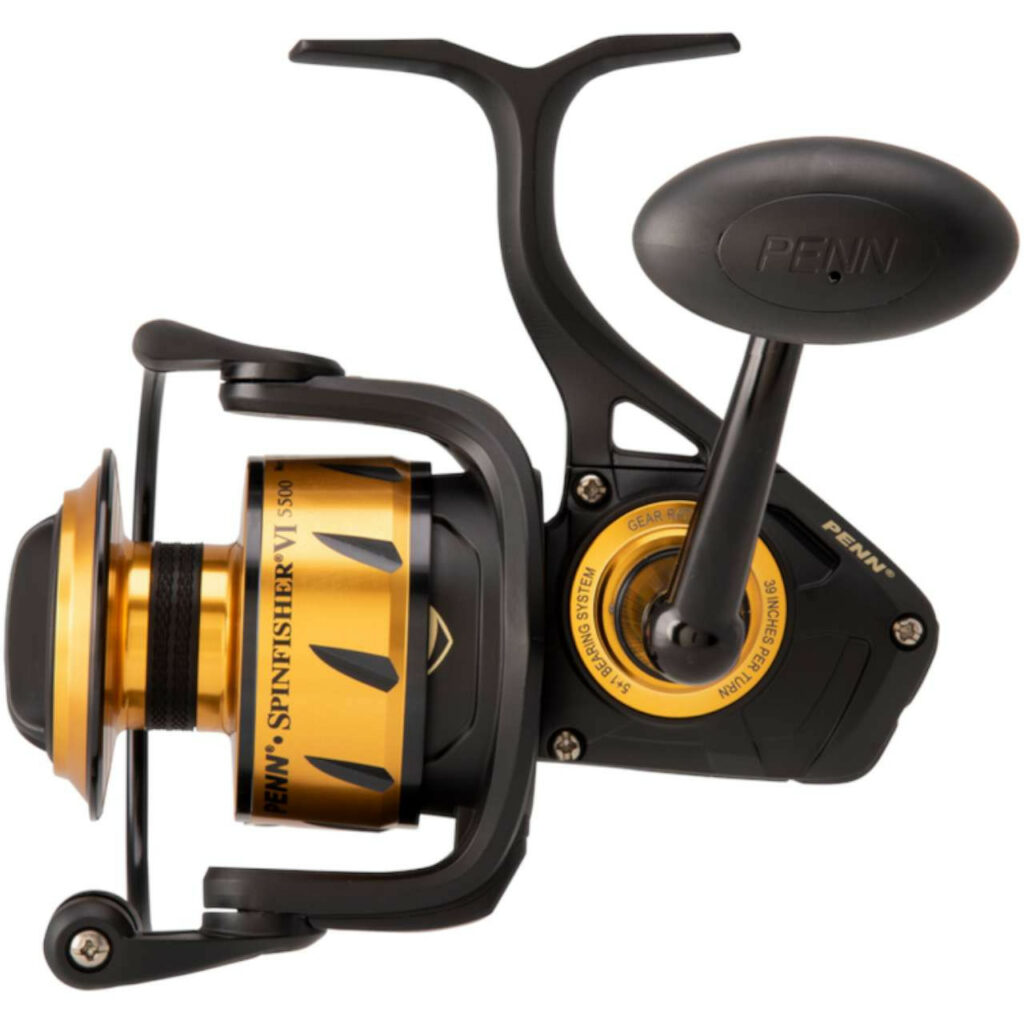
Penn Spinfisher Series:
Known for IPX-rated sealing, full metal construction, and affordability compared to similar sealed reels.
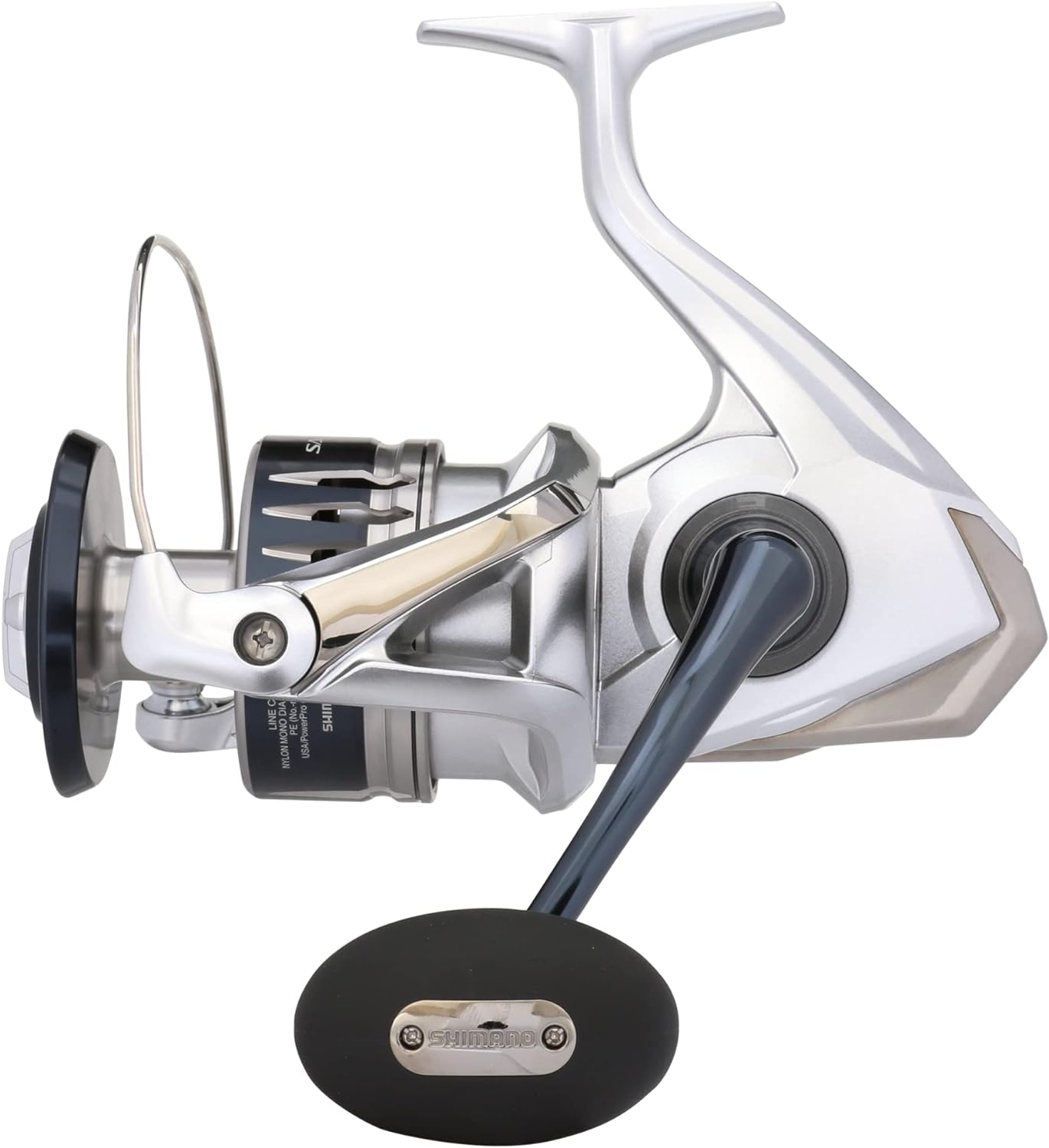
Shimano Saragosa SW:
This reel uses XShield body sealing, XProtect for the rotor, and a powerful drag for bigger game fish. A bit pricier but worth it for the durability and power against larger saltwater targets.
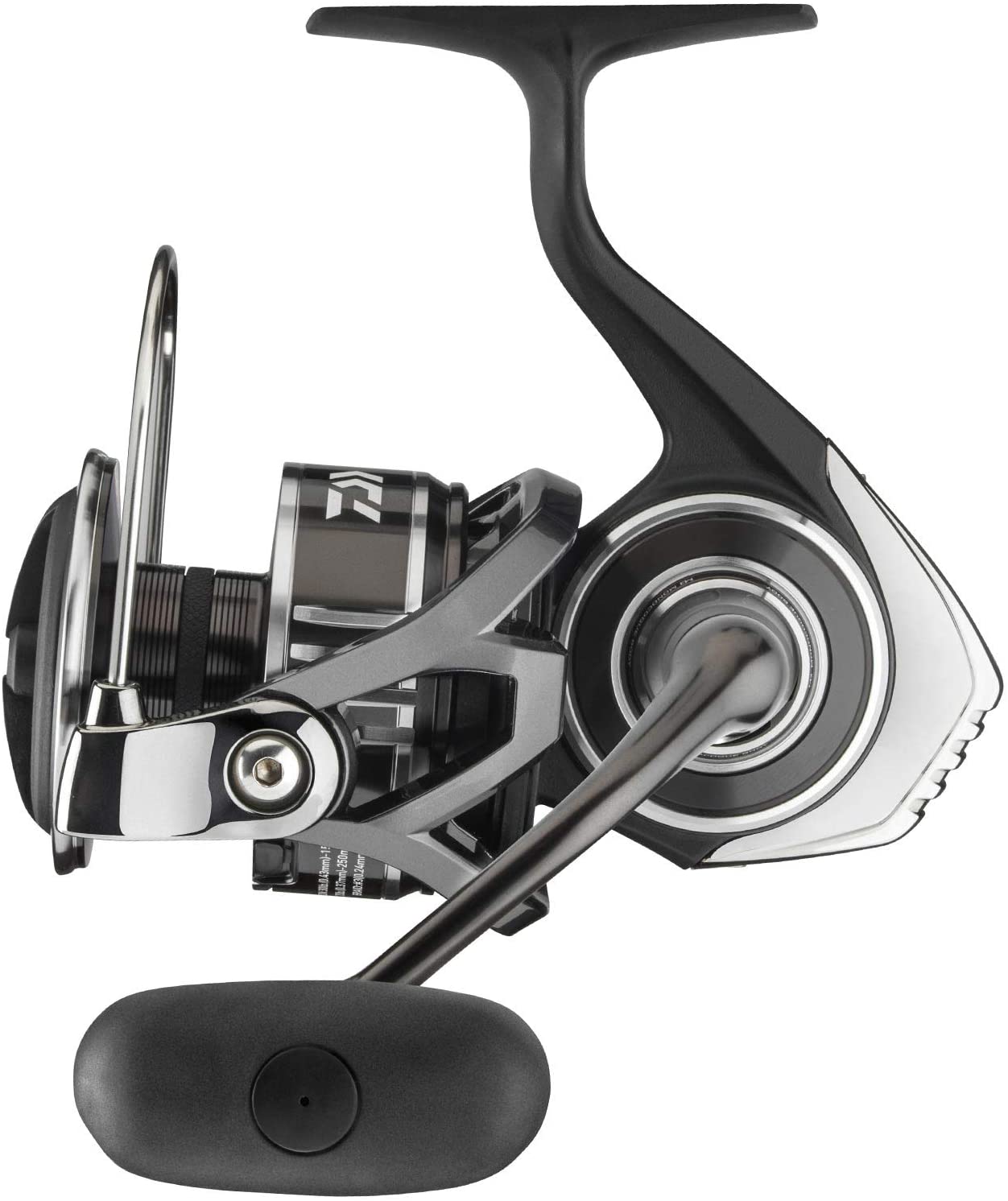
Daiwa BG MQ:
I like this reel for its aluminum body and Digigear system. It’s tough, relatively light, and holds up great against surf spray and sand. The low-profile design also makes it comfortable for long sessions on the pier.
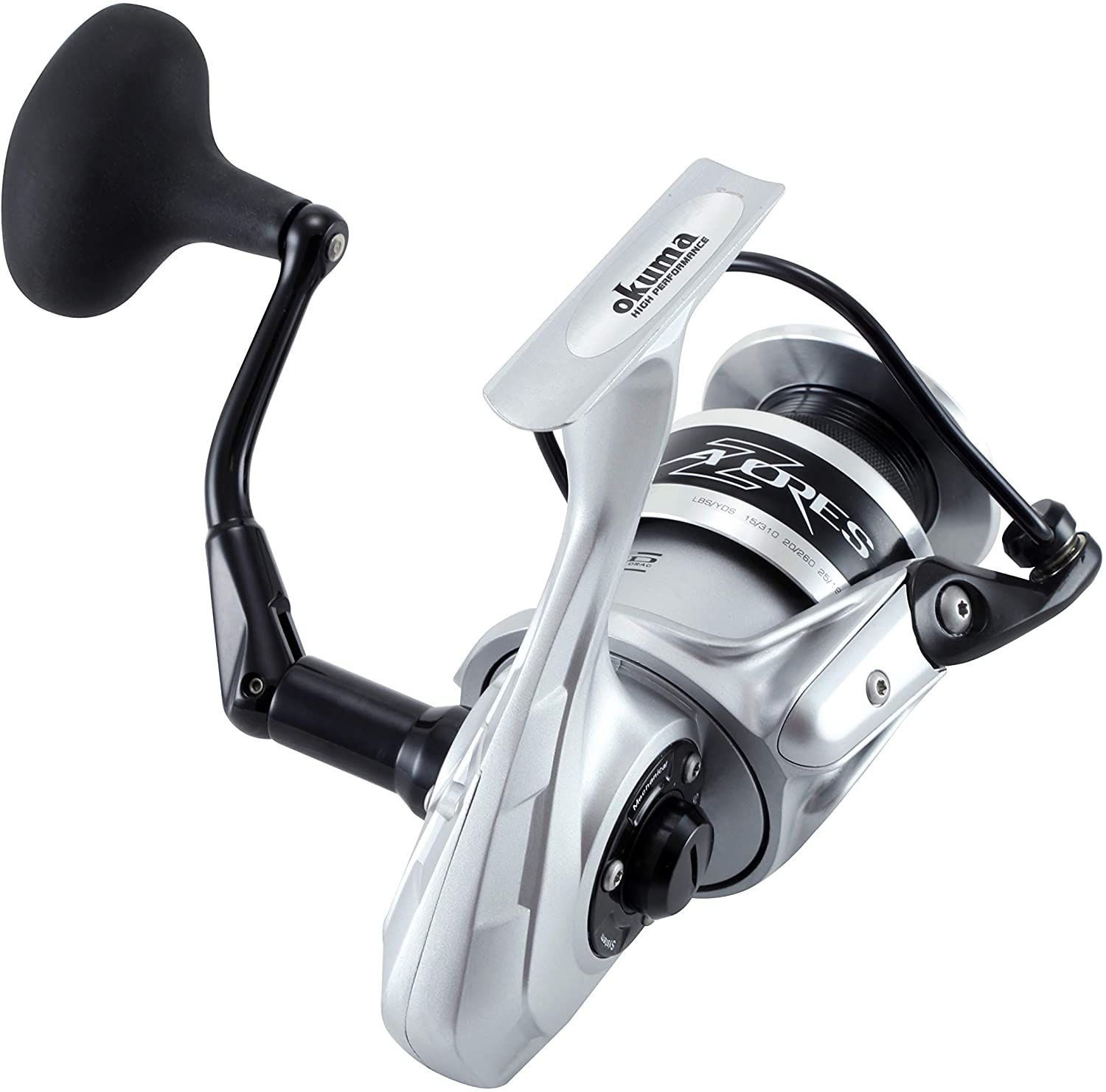
Okuma Cedros and Azores Lines:
Both are reinforced for saltwater with corrosion-resistant coatings and are budget-friendly for the features you get. These are good entry points if you’re just getting into saltwater fishing.
There are also higher-end options, like the Shimano Stella SW or Penn Authority, but those tend to be for anglers who are chasing trophy fish regularly and have bigger budgets. For most people, the above models strike a nice balance between price, toughness, and long-term reliability.
Common Questions About Saltwater Reels
Can I use my freshwater spinning reel in the ocean for a short trip?
You can, but I wouldn’t recommend it. Even one day in the salt can kick off corrosion that will show up weeks or months later. If it’s your only option, clean it thoroughly after use, making sure to get into every nook and cranny.
How do I know if a reel is truly saltwater-safe?
Look for words like “saltwater ready” and “sealed,” and check for an IPX rating. Forums and long-term user reviews give solid real-world insights. A reel that holds up in the hands of regular beach anglers is almost always a safe bet.
What’s the average life of a saltwater reel?
A saltwater-specific reel, used regularly and maintained well, can easily last five to ten years. Cheaper, unsealed reels will often start to fail in a season or two of consistent saltwater use, so don’t expect budget options to become lifetime gear without careful attention.
Tips for Keeping Your Reel Running Smooth Season After Season
Even the toughest saltwater reel needs some basic care. My usual maintenance routine saves me a lot of money and trouble over time, plus helps avoid surprises out on the water:
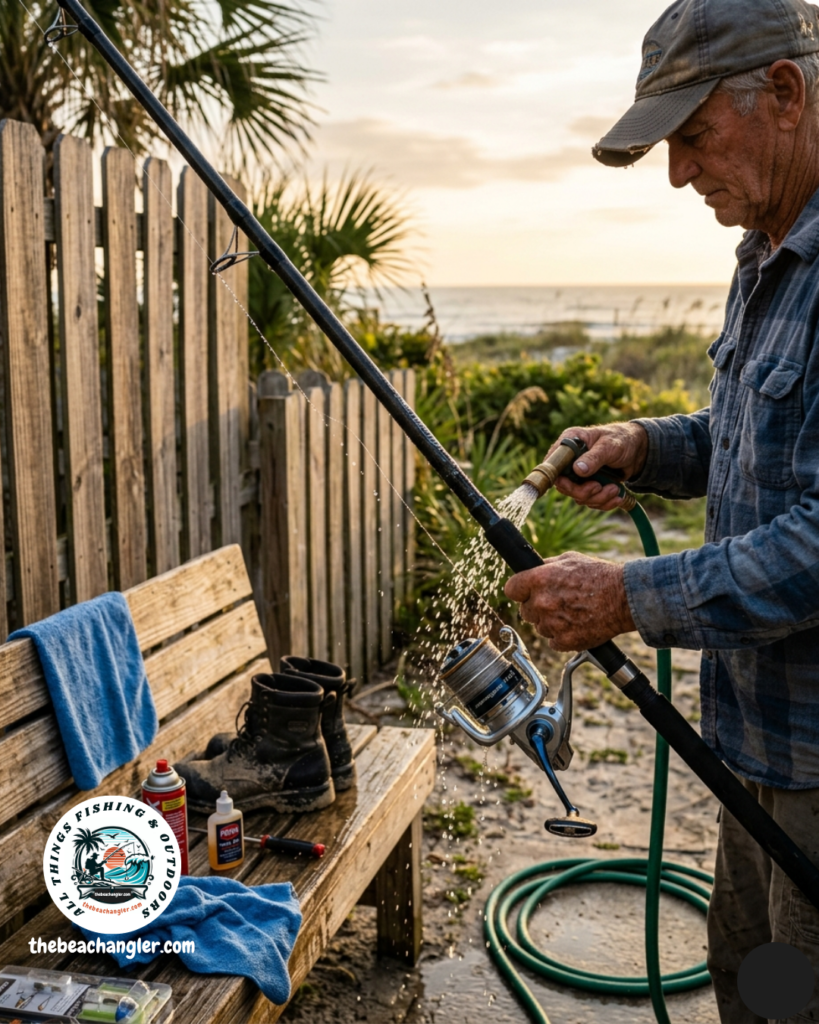
- Rinse with Freshwater After Every Trip: This single step does more to extend reel life than any fancy tech. I always rinse reels gently with lowpressure fresh water after every salt trip, including the handle and bail areas.
- Avoid High-Pressure Sprays: High pressure can force salt and sand deeper into the reel, worsening the problem you’re trying to solve. Use a trickle or a bucket dip if you’re out on the pier.
- Store Reels in a Cool, Dry Place: Humidity and salt can keep reels corroding even after you’re done fishing if left wet in the car or a garage. I keep mine in a closet or tackle bag with silica packs to soak up moisture.
- Grease and Oil as Needed: Checking manufacturer instructions, I’ll usually add a drop of oil to the handle and bail joints and a bit of grease to gears every few trips. Don’t overdo it, but don’t skip it either.
- Service Annually: If I’m out every week in the surf, I have my reels serviced once a year to fully clean, lubricate, and replace any worn parts. Doing so can save a solid reel from early retirement.
If your reel takes a dunk in the sand or surf, make sure to open it up and clean inside as soon as possible, even if it’s sealed. Grit can sneak in and wear down parts fast.
What Features Actually Matter For Saltwater Reels?
The fishing market is flooded with feature lists and buzzwords, but only a few matter when salt is guaranteed to be a factor. Here’s what I actually look out for when buying a saltwater reel:
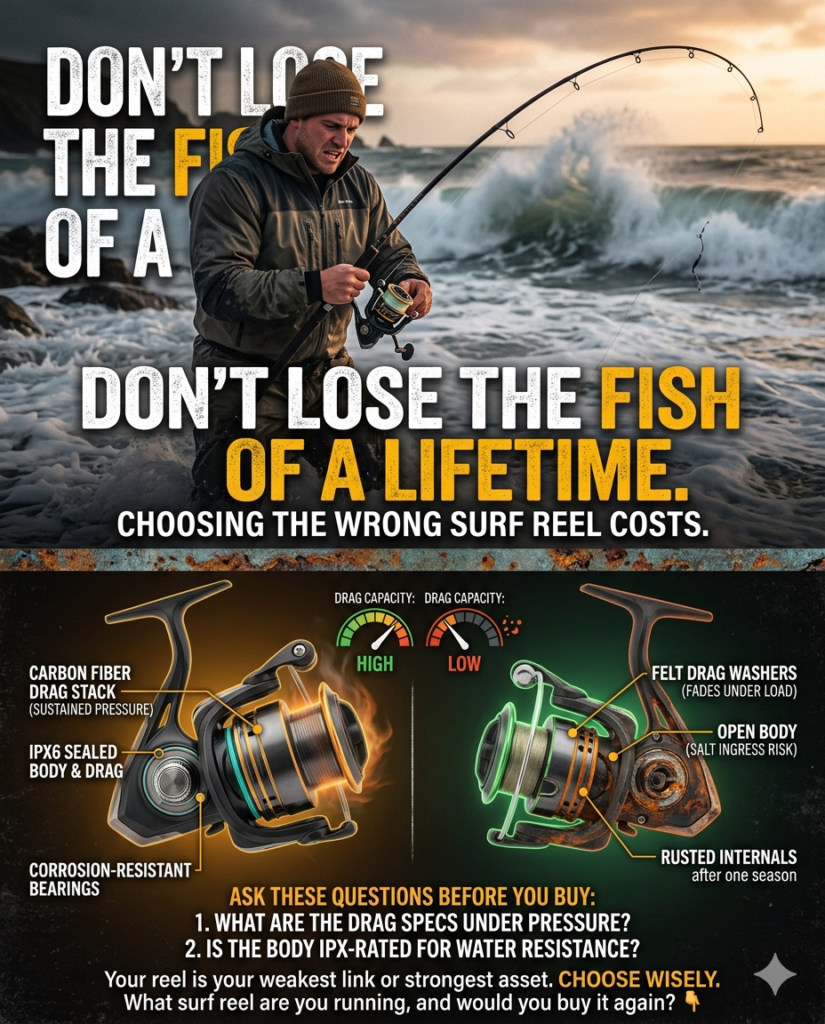
- IPX Rating: This rating is becoming more common and tells me how sealed your reel really is. Higher numbers mean better protection, which is essential for longer life.
- Stainless or Shielded Bearings: The more protection, the better. A few extra protected bearings are worth paying for, especially if you’re planning lots of beach or pier usage.
- Sealed Drag: Even a pricey reel will fail without this. Look for language like “sealed carbon drag” in the descriptions. If the drag isn’t sealed, it’s only a matter of time before issues show up.
- Machined Gears & Metal Frames: These parts resist flexing under load and corrode less, lasting much longer than plastic or cast aluminum. Consistent quality here makes a difference after dozens of saltwater trips.
- Line Capacity: Surf and inshore species run hard. I check the line capacity to make sure the reel can handle longer fights against feisty fish like stripers, bluefish, or redfish.
Other details you might want to check: anti-reverse mechanisms, drag max ratings suited for your target fish, and how comfortable the handle is for extended use. Comfort can matter on those all-day outings.
Final Thoughts and Practical Advice
Fishing in saltwater tests your gear in ways that freshwater never will. I always pick a reel built specifically for salt. A full metal body, sealed drag, and corrosion-resistant bearings are features I won’t skip. I pay attention to ratings and spend a few extra minutes cleaning up after each session.
It makes a massive difference in how long my reels stay smooth and reliable. If you’re using a reel that’s holding up well in saltwater, or if you went through a few duds before finding your go-to, I’m always interested in hearing about it. Drop your current reel in the comments, and share your experience. It helps everyone track down gear that really works.
Check Out Our Most Recent Articles:
- Best Surf Rods Under $150

- Targeting Tarpon In The Surf

- Secrets To Finding And Catching Snook

- 4 Tips for Targeting Striped Bass In The Surf

- Live Bait Vs Artificial Lures In The Surf

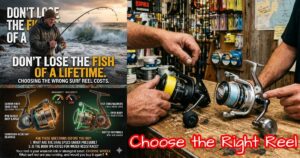
- The Reel Everyone Recommends Vs. The Reel That’s Built For Saltwater
As always, stay safe, enjoy the journey, and please try to leave it cleaner than you found it. If you have any comments, questions, ideas, or suggestions, please leave them in the comment section below, and I’ll get back to you ASAP. You can follow us on Facebook: Rex The Beach Angler, Instagram: thebeachangler7, Twitter: @AnglerBeach, and YouTube: Man Art Creations.
P.S. Thanks so much for checking out our blog; we really appreciate it. Just so you know, we may receive a commission if you click on some of the links that appear on our site. This helps us keep our content free and up-to-date for everyone. We appreciate your support!






A life long surf fisherman with 50+ years of experience, I am also an avid hunter and outdoorsman. I will be sharing my passion for the outdoors with you so be prepared for hunting, fishing, camping, hiking and more. Along with gear reviews and the latest trends and innovations in the outdoor industry.