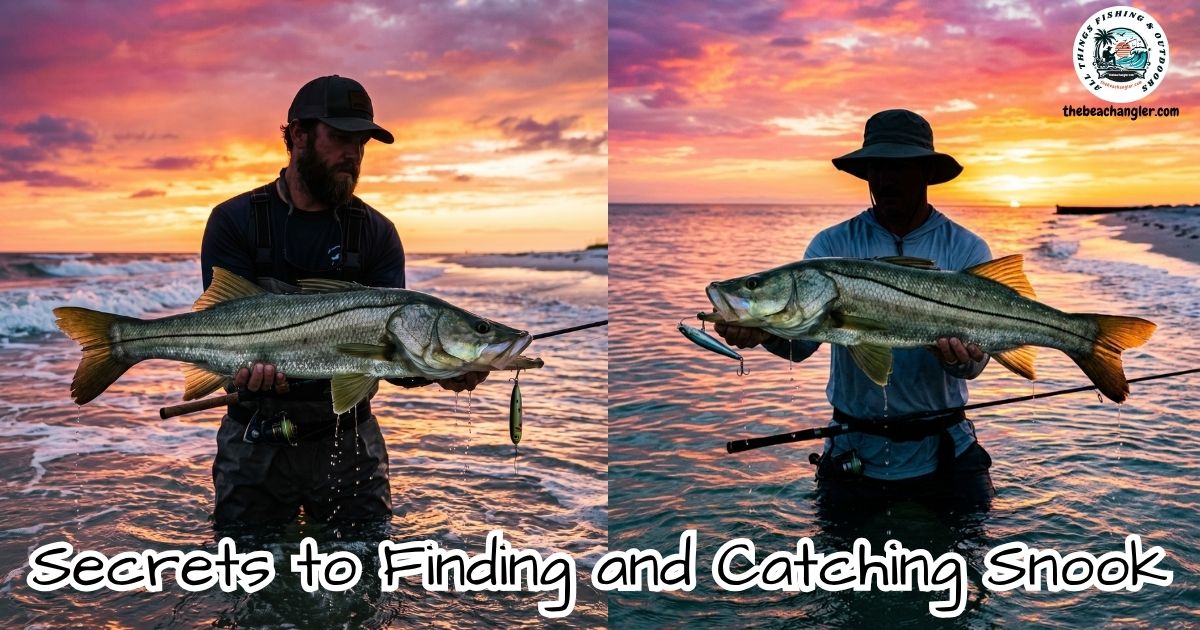
Targeting snook can be really exciting, but this species has a reputation for leaving even seasoned anglers frustrated. Most people think catching snook is straightforward—just fish near docks or bridges and wait. My own experience has shown me that success actually comes from understanding how snook behave, what they eat, and especially what conditions bring them out. I’ll share what I’ve learned about truly finding and catching snook, so you can move past the basics and start having more consistent days on the water.
QUICK LOOK: 4 Common Mistakes to Avoid When Targeting Snook
- Ignoring Tides: I see a lot of anglers fish through slack tide with little luck. Snook rarely feed in slack water, so missing the moving tide usually means missing the bite completely.
- Using Light Leaders: Some people use very light leaders for better lure action or more strikes, but they end up breaking off big fish. I’d rather use a heavier leader and maybe tie on a smaller lure than lose every trophy fish to a cut line.
- Fishing Only Obvious Spots: Docks and bridges are popular for a reason; they work. But after seeing the amount of pressure these spots get, I now spend more time exploring backwaters, creeks, and less visible ambush points for better results.
- Not Adjusting to Season: During winter, following the crowds to open water bridges used to leave me empty-handed. Once I started looking for warmer water refuges, I found fish that were more willing to eat even on the coldest days.
Understanding Snook Habits and Movements
Snook are some of the most adaptive fish found along the coast. They thrive in both salt and freshwater due to their euryhaline nature, which means they move easily between these environments. This ability makes them more unpredictable if all you do is fish obvious coastal spots.
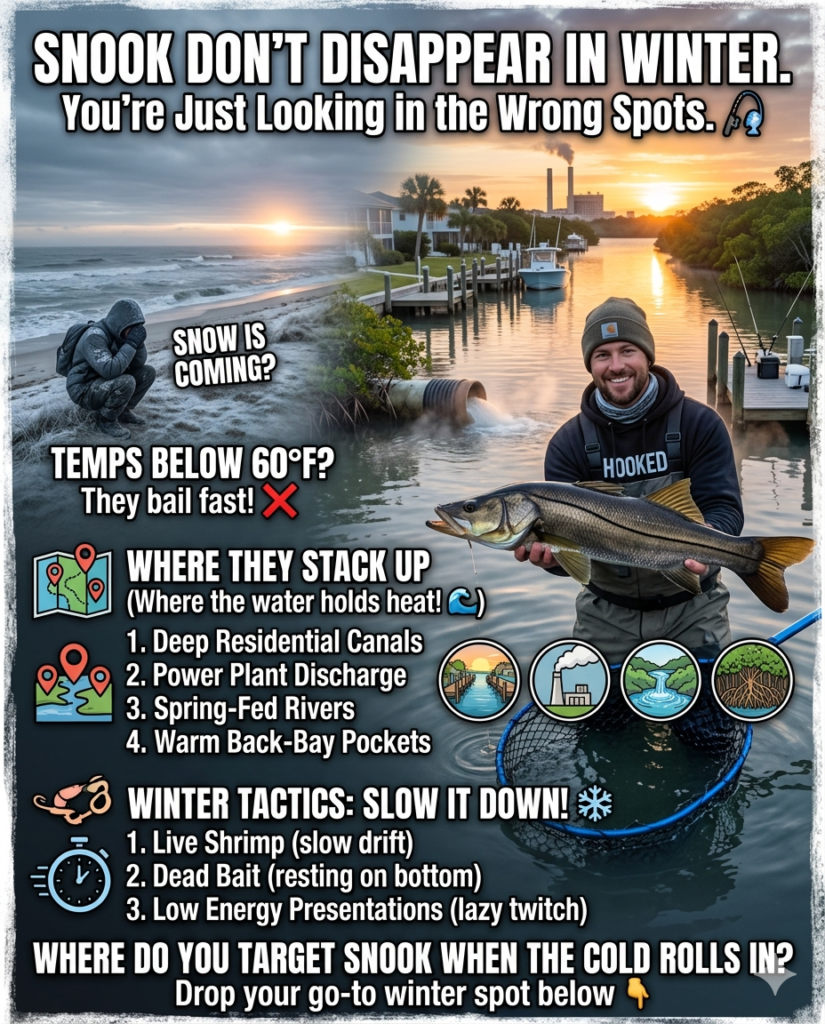
I’ve noticed that in the summer, for example, snook often push deeper into tidal creeks and river mouths looking for cooler water and more bait. During winter or sudden cold fronts, they seek out warmer spots like deep canals or water outflows, sometimes moving far from open water entirely.
Temperature guides almost everything snook do. When the water temperature drops below about 60 degrees Fahrenheit, snook stop feeding and focus more on survival. This is when I head to areas with stable or warmer water, places other anglers often ignore. Spending time tracking how the temperature in your favorite fishing spots changes with the seasons really pays off and helps you stay ahead of big changes in snook movement.
Local knowledge, like remembering where warm outflows or sunlit canals are, can give a boost to your chances when cold snaps come through. By paying close attention to weather patterns, you can often predict where the snook will be congregating based on the temperature shifts throughout the year.
Finding Snook: Beyond the Dock or Bridge
It’s easy to fall into the routine of fishing obvious structure, but most of the best snook I’ve caught came from less pressured areas. Tidal creeks, mangrove shorelines, and even residential canals can hold big snook if conditions are right.
I look for places where moving water pushes bait into ambush points. Creek mouths during outgoing tide, pinch points in mangroves, or edges of flats that fall into deeper water are all reliable starting spots.
Bait is another key factor. I always keep an eye out for active baitfish. If I see mullet, pilchards, or threadfin herring getting chased or jumping, I know snook aren’t far away. In the early mornings or evenings, bait tends to bunch up in shallow water or around lights near docks.
These are great times to fish artificial lures or pitch live bait into the mix. Sometimes, a brief walk along a shoreline in the early morning reveals subtle surface ripples or flashes from bait being herded by snook, making them easier to target for a successful outing.
Timing Your Snook Fishing for the Best Results
Most snook feed actively during a short window of time each day. I’ve had the most luck in the last couple hours of a strong outgoing tide, when water is moving the fastest and bait gets pulled out of hiding. Low light makes a real difference.
Dawn and dusk are prime feeding times, but overcast days or fishing at night around dock lights can work just as well. Snook are ambush feeders and won’t waste energy chasing unless the conditions make it easy for them.
Learning local tide charts and watching for strong current helps you plan your trips for the best bite window. For me, fishing a spot for hours without a bite only to hook a big snook when the tide turns has happened too many times to ignore.
Timing almost always matters more than spending all day hoping for a strike. Also, being willing to move if you’re not getting bites can save your fishing trip; hunt for water with moving currents and visible baitfish activity rather than sticking it out in one nonproductive place.
Essential Gear and Terminal Tackle for Snook
My snook setup usually includes a medium-heavy spinning rod paired with a high-capacity reel. I prefer strong braided line in the 20-30 pound range. Snook often use sharp structure to break free, so abrasion resistance is really important. When fishing around jetties or bridges, sometimes bumping up to 40-pound mainline is worth it, especially if you’re targeting larger fish or fishing in heavy current.
Leader material matters. I almost always use 30-40 pound fluorocarbon. Snook have sharp gill plates and tough mouths that can slice through lighter leaders. Even then, I check and retie after every fish or when I snag.
- Hooks: I stick to circle hooks when using live bait. They hook fish in the corner of the mouth and are easier to remove. For artificials, I like strong single hooks on jigs or soft plastics and high-quality treble hooks on plugs.
- Lures: Jerkbaits, swimbaits, and topwater plugs are classic snook producers. I’ve found that natural, baitfishlike colors work well in clear water, while darker or louder lures get attention in stained or nighttime conditions.
- Live Bait: When I use live bait, I go for pilchards, shrimp, or mullet. Keeping bait lively with an aerated bucket helps, since lethargic bait doesn’t attract as many strikes.
Additionally, I carry a small net for landing larger snook without putting too much stress on the fish. This is especially useful during catch-and-release fishing, which helps support the resource for future generations.
My Experience with Changing Conditions
I remember once targeting snook during a cold snap. Most local anglers were fishing bridges and deeper passes, but I found success up a small canal near a power plant outflow. The warmer water attracted both snook and bait, and I ended up catching my personal best for the season there.
Paying attention to details like water temperature really changes the game when conditions get tough. Changing up lures and tactics as conditions change is also key; sometimes, the fish want a slow-rolled soft plastic rather than a topwater plug when the water cools, so always be ready to adapt.
Frequently Asked Questions
What’s the best time of year to catch snook?
In my experience, late spring through early fall offers the best action when the water is warm and snook are actively feeding. However, winter fishing can surprise you if you look for warmer water habitats.
Which bait is the most effective for snook?
Live pilchards, mullet, and shrimp are reliable choices. If live bait isn’t available, soft plastic swimbaits or jerkbaits can produce just as well, especially when imitating local prey.
How do I spot a good snook spot?
Areas with fast-moving water, lots of bait, and some kind of ambush cover—like mangrove points, creek mouths, or shadow lines—are all top spots from my experience. Watch for nervous baitfish, surface strikes, or fish cruising in the shallows.
Common Mistakes When Chasing Snook
- Ignoring Tides: I see a lot of anglers fish through slack tide with little luck. Snook rarely feed in slack water, so missing the moving tide usually means missing the bite completely.
- Using Light Leaders: Some people use very light leaders for better lure action or more strikes, but they end up breaking off big fish. I’d rather use a heavier leader and maybe tie on a smaller lure than lose every trophy fish to a cut line.
- Fishing Only Obvious Spots: Docks and bridges are popular for a reason; they work. But after seeing the amount of pressure these spots get, I now spend more time exploring backwaters, creeks, and less visible ambush points for better results.
- Not Adjusting to Season: During winter, following the crowds to open water bridges used to leave me empty-handed. Once I started looking for warmer water refuges, I found fish that were more willing to eat even on the coldest days.
Extra Tips for Consistent Success
Snook fishing gets more productive when you mix up your tactics and trust what you see on the water. I always take a minute to watch the area before casting. If I see bait moving or fish breaking the surface, I know it’s time to cast.
Changing lure size and presentation based on the clarity of the water helps, too. In clear water, long casts and subtle lures fool wary fish, while dirtier water sometimes calls for bright colors or noisy topwater plugs. Snook can be leadershy, especially in places with heavy pressure. If I’m not getting bites, downsizing my leader by 5 to 10 pounds or switching to a more natural-looking bait often gets me back in the action.
Another good habit is to keep your hooks extra sharp and check your knots and leader regularly, since a small oversight can cost you a hard-fought catch. Over time, these attention-to-detail habits lead to more landed fish and less heartbreak.
Real-World Snook Fishing Scenarios
- Night Fishing: Some of my most memorable snook catches have come at night. I target dock lights, shadow lines, and calm stretches where bait hangs just beneath the surface. Live shrimp or small swimbaits drifted slowly catch snook that are otherwise hard to fool in daylight.
- Boat vs. Shore: I’ve caught snook both from boats and the shore. Boat anglers can reach hidden spots, but some of the biggest fish I’ve landed have come from casting under mangroves or walking small riverbanks. Both approaches can work if you put in the effort and read the water closely.
- Seasonal Switchups: Summer brings snook to the beaches to spawn. I watch for small groups of fish cruising the surf early in the morning. In winter, I track temperatures, looking for sun-warmed flats or deep, protected canals. Spring and fall can bring unpredictable feeding frenzies as snook transition between seasonal haunts, so stay flexible and keep your approach open to switching locations on a given day.
During the rainy season, freshwater inflows can also concentrate snook in river mouths or near spillways. After a heavy rain, check out areas where freshwater mixes with saltwater, since snook often gather to ambush bait flushed by the current. Bringing a rain jacket and waterproof bag for your gear is helpful if you plan to fish during sudden weather changes.
Final Thoughts on Snook
Finding and catching snook is never about luck alone. I’ve learned to focus on tides, temperature, and bait movement more than anything else. The gear you use, your approach to reading water, and your willingness to adjust on the fly really impact your results. Snook will keep you guessing, but putting in the time to understand this unique fish makes every hook-up that much more rewarding.
Start by reading the water, showing up for the important bite window, and learning from each trip. The more time you spend, the more those hard-won catches will come your way. Don’t be afraid to experiment with new locations or change your routine—snook fishing always has something new to teach you, and every day on the water gives you a chance to pick up another piece of the puzzle.
Check Out Our Most Recent Articles:
- Best Surf Rods Under $150
- Targeting Tarpon In The Surf
- Secrets To Finding And Catching Snook
- 4 Tips for Targeting Striped Bass In The Surf
- Live Bait Vs Artificial Lures In The Surf
- The Reel Everyone Recommends Vs. The Reel That’s Built For Saltwater
As always, stay safe, enjoy the journey, and please try to leave it cleaner than you found it. If you have any comments, questions, ideas, or suggestions, please leave them in the comment section below, and I’ll get back to you ASAP. You can follow us on Facebook: Rex The Beach Angler, Instagram: thebeachangler7, Twitter: @AnglerBeach, and YouTube: Man Art Creations.
P.S. Thanks so much for checking out our blog; we really appreciate it. Just so you know, we may receive a commission if you click on some of the links that appear on our site. This helps us keep our content free and up-to-date for everyone. We appreciate your support!





A life long surf fisherman with 50+ years of experience, I am also an avid hunter and outdoorsman. I will be sharing my passion for the outdoors with you so be prepared for hunting, fishing, camping, hiking and more. Along with gear reviews and the latest trends and innovations in the outdoor industry.