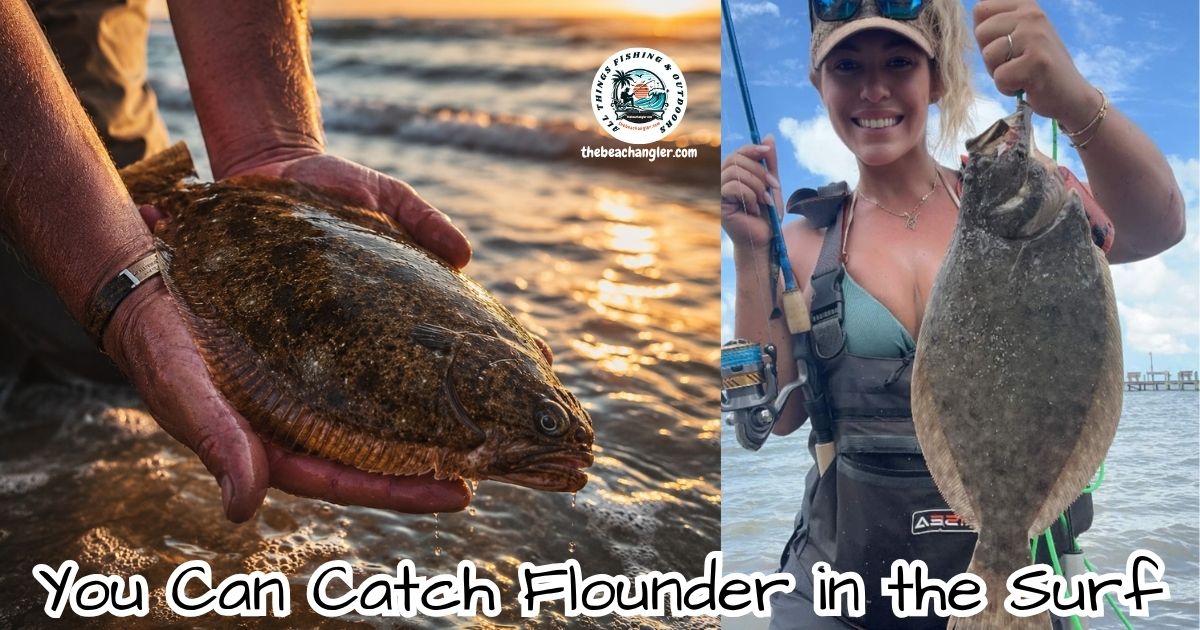
The idea that flounder can only be caught in deep water keeps a lot of beach anglers from trying for them in the surf. My own experience has shown me that not only can you catch flounder right from the beach, but you can also find some of the best fishing of the year just a few steps from the sand. Understanding how flounder behave, plus knowing exactly where to look and how to work your bait, can make a surprising difference if you’re ready to try.
Flounder Behavior in the Surf
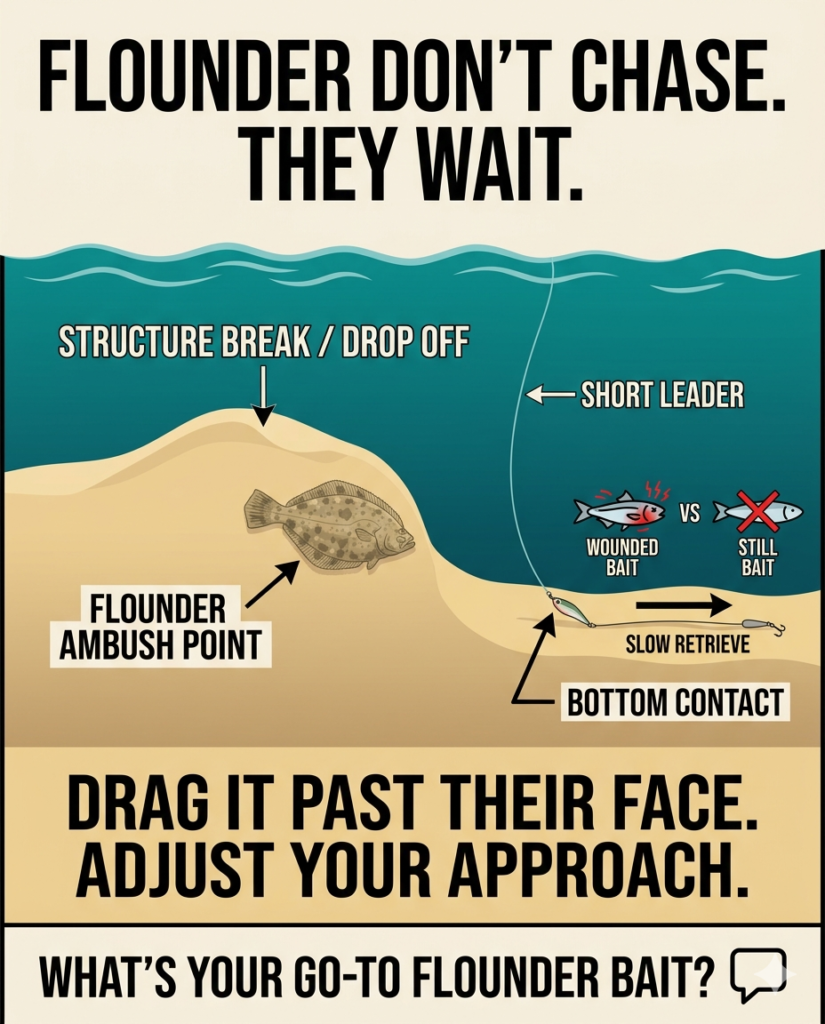
Flounder are ambush predators by nature. Instead of chasing after baitfish like bluefish or mackerel, flounder prefer to stay low on the ocean floor, often partially buried. They wait for food to drift or swim right past their mouths. Flounder don’t cruise open water or patrol in schools the way many beach anglers tend to expect. They’re looking for a perfect spot where the current brings food to them with minimal effort.
In the surf, this means flounder settle in areas where baitfish and crustaceans get swept past by the waves or tides. Structure is a big help, such as troughs, cuts between sandbars, and the edges of drop-offs. If there’s a pocket where the flow of water slows down, that’s often where I find them stacked and waiting.
Where to Find Surf Flounder
One of the most important things I’ve learned is that flounder are not randomly scattered along the beach. Most beaches have sandbars running parallel to the shore. Between those bars and the shoreline sits a trough, which is slightly deeper water that sweeps with the tide.
Flounder love these troughs, especially where an obvious dip or a point is interrupting the water flow. Other productive areas are the tips of jetties or groins, channel mouths, and anywhere a small feeder creek or culvert drains into the surf.
I search for the edges where sand drops off sharply, as these places not only concentrate water flow but also gather bait. Even patches of rocky bottom or scattered oyster shells create enough variation to attract and hold flounder for hours at a time. I’ve even tracked down flounder hiding along stormwater outflow pipes and next to bridge supports extending into the surf.
Effective Techniques for Surf Flounder Fishing
Once I figure out where flounder might be sitting, presentation becomes the next key. Many anglers make the mistake of casting a bait out and letting it sit completely still. While this works for some fish, flounder respond a lot better to a slow, steady drag right on the bottom.
Here is a basic approach I use:
- Drag and Pause: Cast upcurrent and let your bait settle on the sand. Slowly drag it a foot or two, then pause for a few seconds before repeating. This motion mimics a wounded minnow, shrimp, or crab moving naturally in the wash. Waiting between each movement also gives fish a chance to notice, approach, and take the bait.
- Keep Contact: Flounder are highly sensitive to vibration and movement directly on the bottom. If I don’t feel my rig bouncing along the sand, I reel in and check. Sometimes you need a heavier sinker to beat the waves and current. Keeping contact gives you a better shot at feeling even faint bites.
- Leader Length: I prefer a short leader, usually between 12 and 18 inches. This keeps my bait or lure hugging the bottom right in the strike zone. Anything longer lets it float too high, out of a flounder’s field of view.
For lures, I’ve found bucktail jigs, small paddletail soft plastics, and curlytail grubs work well, especially when tipped with a piece of natural bait like Gulp! scented strips, squid, or minnow. For natural bait, live mud minnows, finger mullet, and small shrimp get the job done. Don’t be afraid to switch things up if action is slow—sometimes a scent or color change makes all the difference.
Essential Gear for Surf Flounder
Having the right gear makes the process much smoother. I use a medium-action spinning rod between 7 and 9 feet for good casting distance and backbone. My reels are spooled with 12 to 20-pound braided line, which transmits even a soft flounder bite in the surf.
Fluorocarbon leaders give extra abrasion resistance for scraping across shells or rough sand. Sinker weight often depends on wave conditions. Pyramid and coin sinkers stay planted in shifting surf. For rigs, the Carolina rig is my go-to for presenting live or strip bait near bottom structure.
When fishing gulp baits or artificial lures, a jighead in the quarter to 1-ounce range helps me stay near or on the bottom where flounder hide. A good sand spike rod holder is handy for setting your rod down when retying or taking a break.
Common Mistakes to Avoid
I’ve spent enough time on the beach to know that not catching flounder is usually due to a few easy-to-fix mistakes. Here are some of the habits I make sure to avoid:
- Fishing Too Fast: Flounder aren’t openwater sprinters. If you retrieve your bait quickly or use a jerky motion, you’ll miss bites from fish that want something slow and easy to eat.
- Ignoring the Tides: Tides move new bait into the surf zone. I target the hour before and after high or low tide, when water flow and depth line up with where flounder like to feed. Tidal movement can spark short bursts of feeding that are worth timing your session around.
- Bait Off the Bottom: Flounder rarely come up to chase food. If your bait is drifting up in the water column, you won’t get bit. Double-check your rig weight and leader length to keep your offering near the sand, right where flounder can spot it.
Fishing With Currents
Something I always pay attention to is the direction of the current. Flounder almost always face into the flow, waiting for bait to drift toward them. I make a point to cast upcurrent and slowly work the bait back towards me, letting it pass right in front of their faces. This can double my hookup rate when conditions are right. Timing your casts so the bait rides the current into troughs or eddies gives natural presentation that flounder can’t resist.
Dealing With Waves and Beach Structure
Heavy wave action can make controlling your bait tricky. When the surf is rough, I choose a heavier weight and sometimes move to areas where jetties or rocks slow the waves. Shallow runs are easiest to fish on a gentle rising or falling tide, when water is moving but not wild.
I pay close attention to how water flows across different beach features, as even small cuts, dips, or points can concentrate flounder looking for an easy meal. Sometimes scouting the beach during low tide lets you mark where these features are once the water comes back up.
Frequently Asked Questions About Surf Flounder
What’s the best bait for catching flounder in the surf?
My top choices are live or fresh mud minnows, finger mullet, and shrimp. Artificial soft plastics like Gulp! on a jig have also worked well when fished close to the bottom.
What tide is best for surf flounder fishing?
I’ve had consistent success an hour before and after high tide, especially when the incoming tide covers fresh troughs and sandbar edges. Low tide can also concentrate fish in deeper pockets close to the shore.
How do I tell if there are flounder present in the surf zone?
Look for schools of baitfish getting chased or swept through deeper cuts and troughs. Sometimes the presence of birds diving or the sudden disappearance of bait is a clue that flounder are feeding below. I also look for subtle thumps or tap-taps on my rod tip, which often signal a flounder taking the bait.
Troubleshooting: If You’re Not Connecting With Flounder
Even with all the right steps, some days flounder just won’t bite, or it’s easy to miss the subtle takes they’re known for. Here are a few checks that help me get back on track:
- Change Locations: Flounder school up in specific pockets. Sometimes, if you’re not getting bites after 2030 minutes, a move 1020 yards down the beach puts you right on fish. Don’t be afraid to cover new ground every so often to keep your odds high.
- Switch Bait or Lure: Some days flounder are picky. Rotating through minnows, soft plastics, and fish strips often triggers more strikes than sticking with one bait all session. Offer baits in different sizes and colors to track down what’s working.
- Double Check Rig Placement: Watch the waves and currents carefully. If your rig is rolling or being carried into shallow flats, it’s not spending enough time in the productive troughs or drop-offs. Adding weight or recasting to new angles often solves this issue.
Persistent adjustment makes a big difference, and every trip teaches something new about how and where flounder hold in the surf. Staying sharp to small changes in water movement or bottom texture can bring surprise results. I keep a logbook of locations, tide stages, and catches, which helps spot subtle patterns over time.
Real-World Examples and Firsthand Experience
I remember one of my best days of surf flounder fishing happened during an autumn run, right after a few days of strong northeast winds. The water was swirling with baitfish pushed into the trough by waves, and I found flounder piled up in the deeper cut just 20 yards from the sand.
I stuck to dragging Gulp! swimming minnows along the bottom, adjusted my sinker as the current changed, and caught several keepers within a short window. The real difference was slowing things down and focusing on every inch of structure and current break in the surf.
Each fish came from a spot where tide and bottom structure combined to funnel food right to waiting mouths. On other occasions, I’ve tracked down flounder at the mouths of feeder creeks, where swirling current created pocket eddies ideal for ambushes. I simply targeted those holding spots rather than random casting, and my catch rate jumped dramatically.
Why Surf Flounder Fishing Is Worth Trying
Flounder fishing from the surf rewards patience and a willingness to do things a little differently. With careful attention to where the fish stack up, how to get your bait past their nose, and what the tides are doing, I’ve found more days with action and fresh fillets to show for it.
Getting out on the beach with a targeted approach has opened up flounder fishing well beyond what I once thought possible. Tracking down these fish in overlooked places can become an adventure in itself, and it’s added another reason for me to look forward to every trip when the conditions are right.
The excitement of feeling that slow, unmistakable tap on the line, not knowing how big the fish on the other end will be, keeps me coming back to chase surf flounder season after season.
Check Out Our Most Recent Articles:
- Best Surf Rods Under $150

- Targeting Tarpon In The Surf
- Secrets To Finding And Catching Snook
- 4 Tips for Targeting Striped Bass In The Surf
- Live Bait Vs Artificial Lures In The Surf
- The Reel Everyone Recommends Vs. The Reel That’s Built For Saltwater
As always, stay safe, enjoy the journey, and please try to leave it cleaner than you found it. If you have any comments, questions, ideas, or suggestions, please leave them in the comment section below, and I’ll get back to you ASAP. You can follow us on Facebook: Rex The Beach Angler, Instagram: thebeachangler7, Twitter: @AnglerBeach, and YouTube: Man Art Creations.
P.S. Thanks so much for checking out our blog; we really appreciate it. Just so you know, we may receive a commission if you click on some of the links that appear on our site. This helps us keep our content free and up-to-date for everyone. We appreciate your support!





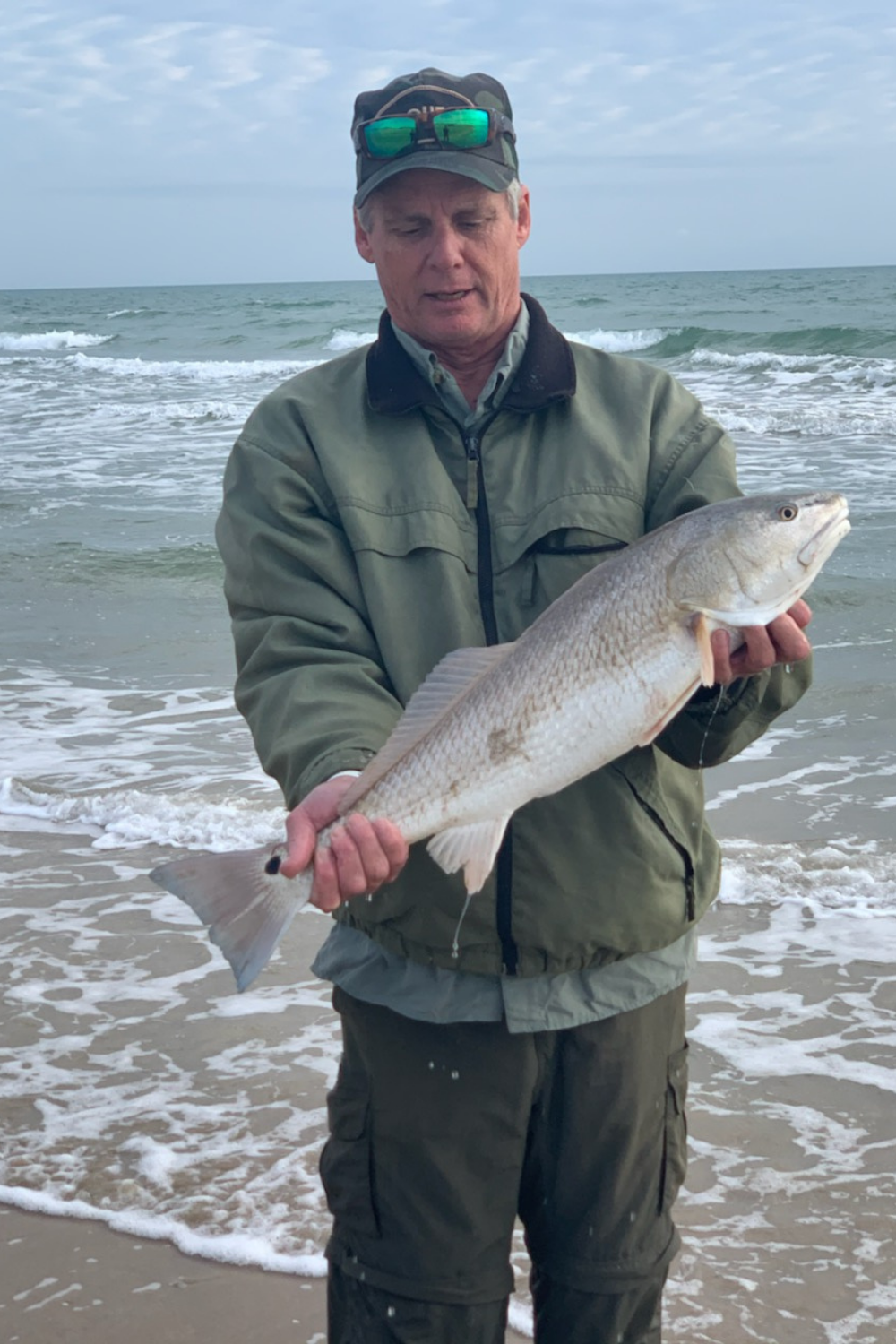
A life long surf fisherman with 50+ years of experience, I am also an avid hunter and outdoorsman. I will be sharing my passion for the outdoors with you so be prepared for hunting, fishing, camping, hiking and more. Along with gear reviews and the latest trends and innovations in the outdoor industry.