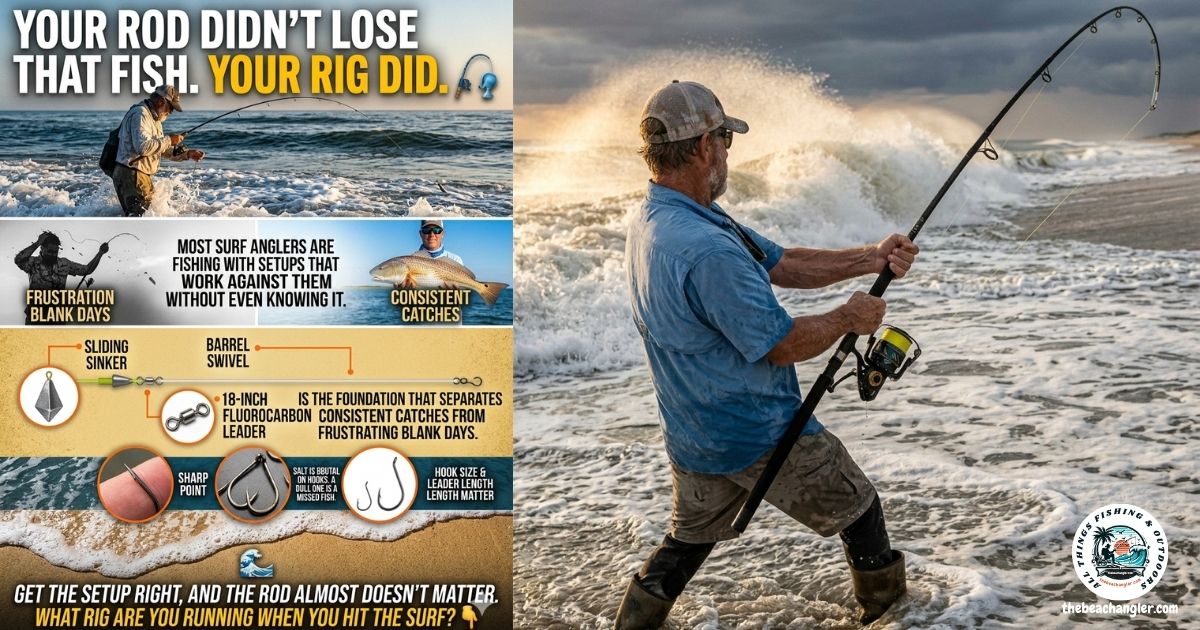
Watching a big fish break off after a long fight in the surf can leave even experienced anglers shaking their heads. The first instinct for a lot of surf fishermen is to blame the hook. Maybe it was too small, maybe not sharp enough, or just the wrong style for the job.
I’ve been there myself, replaying the loss in my mind and searching for a hidden gear flaw. The truth is, the number one reason surf fishermen lose fish usually comes down to how they handle the rod and drag control near the shoreline, not the hook at all.
Understanding Why Most Surf Fishermen Lose Fish
I’ve talked to dozens of surf anglers who’ve described the heartbreak of almost getting a monster striper or redfish to the beach, only for it to come unpinned right at the end. The disappointment is real, but there’s a pattern that shows up over and over: most big fish escape during the final moments in the surf wash.
It’s not about a bad knot, a faulty hook, or weak line. It’s usually about applying too much pressure, tightening the drag too much, or dropping the rod tip at exactly the wrong moment when the fish or the wave surges. The geography of the beach is part of what makes this moment so challenging. As soon as a fish comes into shallow water, it doesn’t behave the same way it did out deeper.
Waves, undertow, and the slope of the beach all come into play in those last few feet between the breaking wave and the sand. A fish will often make one last powerful run or use the energy of the surf to try to escape. Experienced anglers can get a feel for these changes with time, but it takes focus and attention during those final seconds.
While it might be tempting to blame equipment, the way the angler works with the surf is often the real deciding factor. Learning to spot the subtle shifts in fish behavior as it hits the shallows can mean the difference between a successful landing and another “one that got away” story among friends.
Key Mistakes Surf Anglers Make Near the Shoreline
During my own experiences out on the sand, I’ve caught fish that seemed nearly landed, only to watch the line go slack as a big wave rolled in. More often than not, there are two simple errors that lead to this outcome:
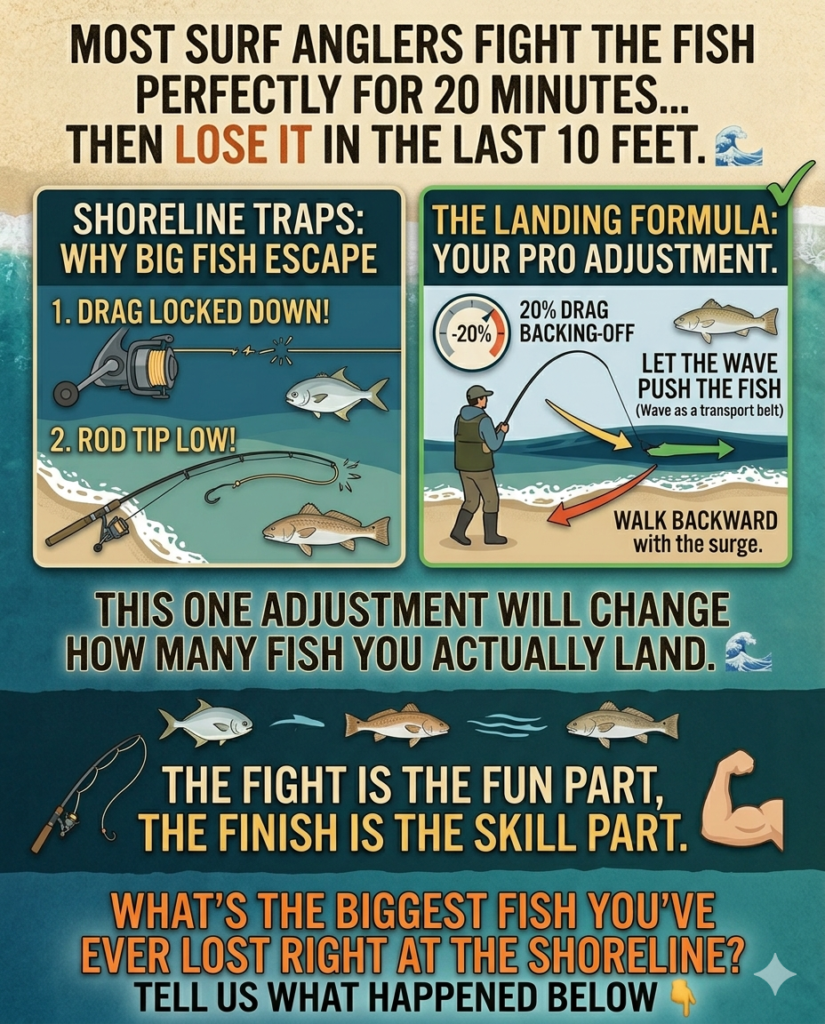
- Drag Too Tight: If I leave my drag at fighting tension all the way into shallow water, a sudden surge from a wave or a hard head shake from the fish can snap the line or pull the hook.
- Rod Tip Drops: When I drop the rod tip or lose focus during the commotion in the shallows, slack forms in the line. That can let the hook fall out, especially if the fish turns its head.
Many surf anglers focus so much on getting the fish through the long middle part of the fight that they become less careful at the end. But the final ten feet are the trickiest part, where water movement, the slope of the sand, and fish panic can combine against you. Even the most popular surf anglers occasionally stumble in this zone, showing just how common these mistakes are.
Maintaining confidence and a steady hand right up to the beach is the skill that often gets the job done. Developing a sort of muscle memory can help keep those critical final moments from turning into a frustrating loss as the fish thrashes in the shallow surf.
How to Land More Fish with Simple Adjustments That Work
The good news is that avoiding big losses at the surfline is mostly about small adjustments and heightened awareness. Here’s what’s worked for me and for other experienced surf casters I know:
- Back Off Your Drag: I usually loosen my drag about twenty percent as soon as I see the fish inside the outermost breaker. This gives enough slip for a final surge, so the line doesn’t snap from sudden pressure.
- Keep the Rod Tip High: I make sure my rod stays at about a forty-five-degree angle or higher through the whole landing. This keeps pressure on the fish and maintains tension as the waves move in and out.
- Move With the Surf: As a wave pushes the fish toward the beach, I walk slowly backward up the sand, allowing the wave to do the work. When a surge pulls the fish away, I don’t reel against it; I just let the drag and wave energy play out.
Most of the time, just keeping these steps in mind is enough to land the fish that might have gotten away before. Staying calm and letting the ocean help instead of fighting it is a big part of the process. For many surf anglers, the biggest challenge is remembering that patience usually leads to better results, not just brute force.
If you’re looking to step up your surf fishing success, remember to focus on these small details. You’ll likely stumble upon a newfound confidence and land more fish than before. It’s amazing what a simple change in drag tension or rod angle can do for your catch rate in the surf.
What Else Contributes to Losing Fish?
While drag and rod angle are by far the top reasons fish are lost at the shore, there are a few related factors that can add trouble if you’re not careful. Here are some of the most common and how I deal with them:
- Panic at the Shore: The excitement of seeing a big fish in the wash makes it easy to rush things. Taking a second to breathe and watch what the waves are doing really helps.
- Poor Positioning Along the Beach: Crowded or rocky sections of shoreline create extra hangups. I try to lead the fish into open water if possible before the last run.
- Slippery Footing: Wet sand and shells underfoot can cause me to stumble or lose my balance, which can drop my rod and tension. I always check my footing before I start moving backward.
- Wave Timing: Learning to time your landing attempt with incoming and outgoing waves can step up your odds. Sometimes waiting for the right wave makes all the difference between a smooth beaching and a last-minute escape by the fish.
Getting a feel for the shoreline you’re fishing and being mindful of these extra factors sets the stage for more successful outings. Every stretch of coast presents its own set of challenges, so adapting to spot-specific details can give a real boost to your results.
Common Questions About Losing Fish in the Surf
Why do fish break off so close to shore?
Fish break off in the last few feet mainly because the drag is too tight, and the rod tension drops as the fish gets into challenging wave movement. The final surge of a fish in shallow water, combined with chaotic surf, puts a lot of strain on the line if it isn’t managed carefully. Sometimes, a surprise head shake or sharp turn is enough to throw the hook if you’re not ready. It’s all about making small adjustments in those critical last moments, rather than relying on brute force.
How should I set my drag for surf fishing big fish?
Set your drag just tight enough to tire out the fish during the fight, but as soon as it enters the breakers, loosen the drag by about twenty percent. This lets the line give during short bursts or waves without snapping. Fine-tuning your drag takes practice, but erring on the side of a slightly looser drag at the finish often saves more fish than it costs.
Is it ever the hook’s fault?
Sometimes a dull, bent, or tiny hook can be a problem, but most big fish are lost due to handling errors, not hook quality. If the hook has already set well out deep, it’s done its part; losing fish near shore usually points back to landing technique more than the hardware itself.
How long should I play a big fish before landing it?
It’s smart to avoid rushing the fish to shore. Take your time, keep steady pressure, and wait until the fish is tired before guiding it into the surf line. Moving too fast creates chaos right at the moment things get trickiest. Patience and a slow, steady pace usually pay off, both in easier landings and in keeping your gear safe from sudden tension spikes.
Can changing hook types improve my landing rate?
Choosing strong, sharp hooks that suit your target species is important, but technique matters more near the shore. Practicing calm handling and paying attention to wave movement will do more to increase your landing rate than switching out hook styles alone. Still, regularly checking hooks for sharpness and integrity is a solid habit and reduces the chances of equipment issues.
Question:
Quick Reference: How to Handle the Last 10 Feet
After so many early mistakes, I use a simple checklist to help me focus as soon as a big fish comes close to the sand:
- Check drag tension, loosen it slightly
- Angle rod high, forty-five degrees or higher
- Move backward as the wave pushes the fish toward shore
- Stop reeling during a sudden surge and let the fish run if needed
This way, I keep pressure on the fish without pulling too hard or giving it slack, right up until it’s safely beached.
Extra Tips for Surf Fishing Success
Beyond drag and rod angle, there are a few extra habits that have helped me improve my surf landings:
- Use Proper Leaders: I pick abrasion-resistant leaders since fish in the surf can rub the line against sand, shells, or rocks near the shore.
- Watch the Tides: I pay attention to wave height and tide movement because strong waves need even gentler drag at the landing.
- Work With a Friend: When possible, I fish with a buddy, who can help tail the fish or grab it if it’s especially big or if surf conditions get tricky.
- Bring the Right Gear: Having a landing net or lip gripper handy makes it easy to control the fish in rushing water and reduces the chance of losing your catch right at the finish line.
Practicing these skills on smaller fish gives me the confidence to handle bigger catches when they finally hit. After a few successful landings, the right landing approach becomes second nature, and the heartbreak losses happen a lot less often. Fishing in different conditions—sunrise tides, midday winds, or evening surges—also helps build the experience you’ll need for all sorts of tough situations in the surf.
Applying These Lessons on Your Next Surf Fishing Trip
The next time I’m fighting a big fish in the surf, I keep my focus sharp as it nears the shore. I back off the drag, keep my rod up, watch the rhythm of the waves, and let the fish and water do the work. Simple steps like these make all the difference between the story of a trophy landed and the story of one that got away.
With practice, these landing skills turn missed opportunities into memorable catches. Wrapping up, if you stay patient and fine-tune your surf landing process, you’ll start bringing more giants to shore—and that feeling never gets old.
Check Out Our Most Recent Articles:
- Best Surf Rods Under $150

- Targeting Tarpon In The Surf
- Secrets To Finding And Catching Snook
- 4 Tips for Targeting Striped Bass In The Surf
- Live Bait Vs Artificial Lures In The Surf
- The Reel Everyone Recommends Vs. The Reel That’s Built For Saltwater

As always, stay safe, enjoy the journey, and please try to leave it cleaner than you found it. If you have any comments, questions, ideas, or suggestions, please leave them in the comment section below, and I’ll get back to you ASAP. You can follow us on Facebook: Rex The Beach Angler, Instagram: thebeachangler7, Twitter: @AnglerBeach, and YouTube: Man Art Creations.
P.S. Thanks so much for checking out our blog; we really appreciate it. Just so you know, we may receive a commission if you click on some of the links that appear on our site. This helps us keep our content free and up-to-date for everyone. We appreciate your support!





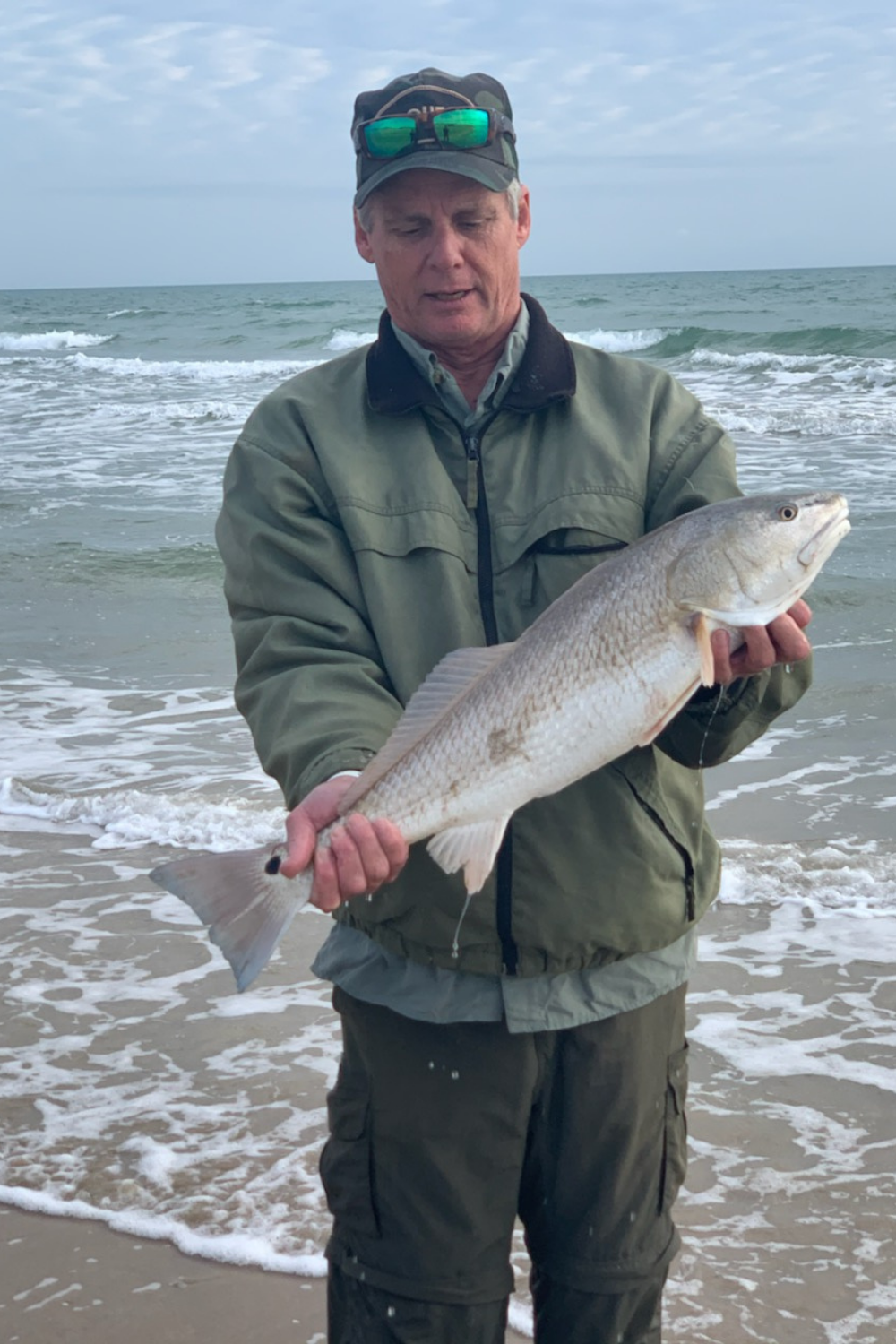
A life long surf fisherman with 50+ years of experience, I am also an avid hunter and outdoorsman. I will be sharing my passion for the outdoors with you so be prepared for hunting, fishing, camping, hiking and more. Along with gear reviews and the latest trends and innovations in the outdoor industry.