I’ve learned that understanding how each part of a saltwater fishing rod affects your casting and fighting ability really helps you pick gear that lasts, feels good in your hands, and gives you the best shot at landing your target species.
QUICK LOOK: What to Look for When Choosing a Saltwater Fishing Rod
- Balance your rod with your reel: If the rod is tip-heavy, you’ll get exhausted more quickly. Hold the complete setup before you buy when possible.
- Check guide alignment: Misaligned guides can reduce both casting distance and accuracy. Look down the blank to spot any that are off. A smooth lineup means better line flow.
- Do a flex test: Gently bend the rod with steady pressure. The bend should be smooth and even, with no flat spots or popping sounds.
- Match the lure weight: Always check the rod’s rated lure range and match it to your most common artificial or bait setups to ensure the rod performs at its best.
- Consider your fishing style: If I fish mainly soft plastics or topwaters, I prefer fast action and lighter power. For live bait or cut bait, moderate-fast works better. Think about the way you like to fish and choose a rod that matches that approach.
If you spend time fishing saltwater, the right rod can make your time on the water a lot more enjoyable. Whether you’re wading the flats or casting from a pier, selecting a saltwater rod that matches your style and environment helps turn missed hookups into lasting memories.
What Matters Most When Choosing a Saltwater Fishing Rod
Shopping for a saltwater rod can feel overwhelming given all the options on the market. I focus on a handful of main features first: length, power, action, rod material, guides, and handle material. Getting these right sets up a solid foundation for the rest of your rod selection.
Rod Length: Finding the Right Balance
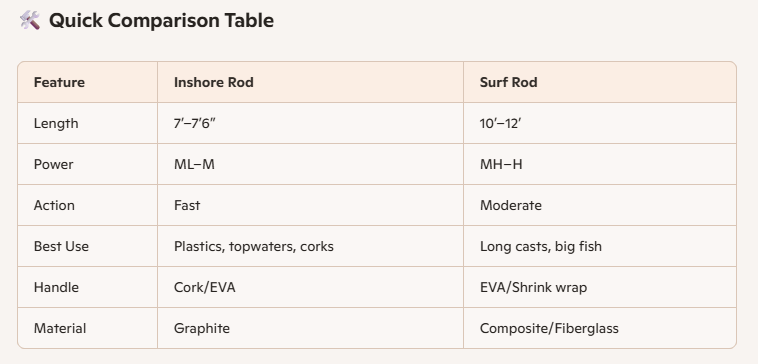
Length affects both how far and how accurately you cast, plus how much leverage you’ll have against fish. Shorter rods, around 6’6” to 7’, offer more accuracy and are easier to use in tight spaces like kayak seats or heavy marsh grass.
Longer rods, such as 8’ to 10’ surf rods, give you extra distance when you need to launch baits over breaking waves or deep channels. I reach for a 7’ to 7’6” rod for wading bays and flats because this range casts lures far enough while staying manageable throughout a long fishing day.
Choosing the correct length can also make it less likely to fatigue your arms after hours of casting, especially when you’re covering a lot of water searching for feeding fish.
Power: Targeting the Right Fish
Rod power is the amount of force required to bend the blank. This relates directly to the size of fish and the style of lure or rig you’ll use. Here’s how I match power to my targets:
- Light (L): For small trout, finesse fishing, and small lures.
- MediumLight (ML): Finesse redfish presentations, speckled trout, and light artificial applications.
- Medium (M): Versatile option for redfish, flounder, popping corks, and bigger lures.
- MediumHeavy (MH): Handles bigger redfish at jetties, heavier surf rigs, and stubborn fish.
- Heavy (H): For sharks, bull reds, and handling very large surf bait.
This approach works for most inshore and nearshore trips around the Gulf Coast or Atlantic and ensures you’re not overmatched or undergunned for the kind of fish you want to catch.
Action: Controlling Lure and Setting Hooks
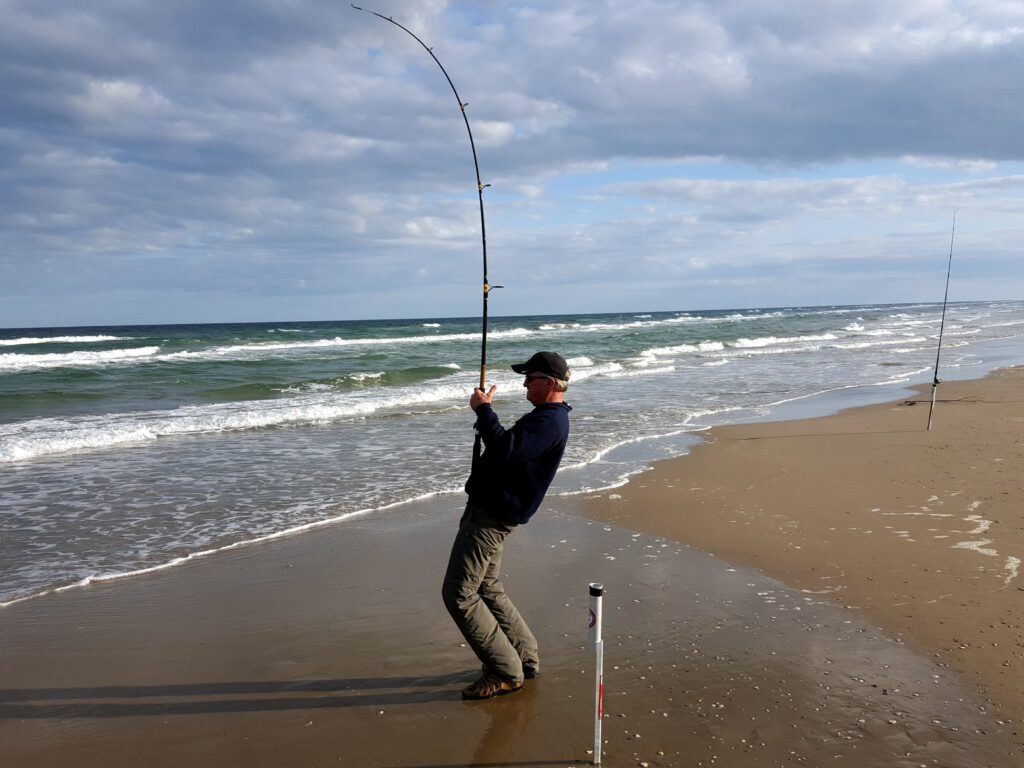
Action is all about where the rod bends along its length. Fast action rods bend mostly at the tip, giving me increased sensitivity and strong, quick hooksets, which is great with soft plastics and single-hook lures. Moderate action rods bend deeper along the blank, which helps absorb shock and is forgiving when using treble hooks or live bait. Moderate-fast sits in between and offers more flexibility for casting and fighting fish. Matching action to my most used bait type helps me feel more bites and lose fewer fish.
Rod Material: Sensitivity, Weight, and Toughness
Saltwater rods are usually built from graphite, fiberglass, or blends (composites). Graphite rods are light and sensitive, letting me feel the smallest tap from sneaky trout, but they can be more brittle. Fiberglass rods are strong and flexible but heavier and less responsive, so I use them for heavy-duty surf or jetty situations. Composite rods try to split the difference, delivering a mix of lightness and toughness.
Technology keeps evolving, but for finesse and inshore fishing, graphite is still my go-to when I want crisp action and easy handling. Composite rods are a popular pick for anglers wanting a rod that stands up to multiple conditions yet doesn’t add a ton of weight to their gear.

Guides: Standing Up to Salt and Pressure
Rod guides often don’t get enough attention, but if you’ve ever watched guides corrode or get grooves from braid, you know why they matter. I always choose rods with corrosion-resistant guides: stainless steel, ceramic inserts, and top brands like Fuji or American Tackle.
Quality guides help my line lay smoothly for better casting and resist damage from saltwater. Checking for evenly spaced, straight guides right on the shelf lets me avoid problems later, and I always run my fingers along the guides to check for nicks or rough edges, even in the store.
Handle Material: Grip and Comfort
Handle style is one thing, but material choice matters for comfort and grip, especially if my hands get wet or covered in bait. Cork feels nice and is lightweight, but tends to wear faster in hard saltwater environments. EVA foam is popular for kayak and surf rods because it lasts longer and doesn’t slip.
Rubber grips or heatshrink wraps are solid options for heavy surf rods where a sure grip is a big deal. Sometimes, the best handle is the one that feels most natural after hours of casting, so don’t be afraid to check different rods to see what feels best in your hand.
Frequently Asked Questions About Saltwater Fishing Rod Choice
How do I choose between graphite, fiberglass, and composite rods?
I pick graphite when I want a lightweight, responsive rod for inshore action and finesse. Fiberglass works best for me in the surf or heavy-duty situations thanks to its strength. Composite rods split the difference, so they work well if you want sensitivity and extra toughness in the same blank.
What are the main signs of a good-qualitycorrosion-resistantrod guide?
For saltwater, I always check that the guides are made from corrosion-resistant metals or ceramics, like Fuji Alconite or stainless inserts. The wrappings should be smooth and fully cover the foot of the guide, with no gaps or loose threads.
What if I want to use one rod for several purposes?
I look for a medium power, fast action rod between 7’ and 7’6”. This lets me cover everything from trout and reds with soft plastics to popping corks and even some light surf or pier work. Versatile rods like these help cut down on extra gear while staying ready for most conditions.
Matching Your Rod to Different Saltwater Environments
Each fishing situation needs its own rod approach. Here’s how I match rod features to my fishing locations around the coast:
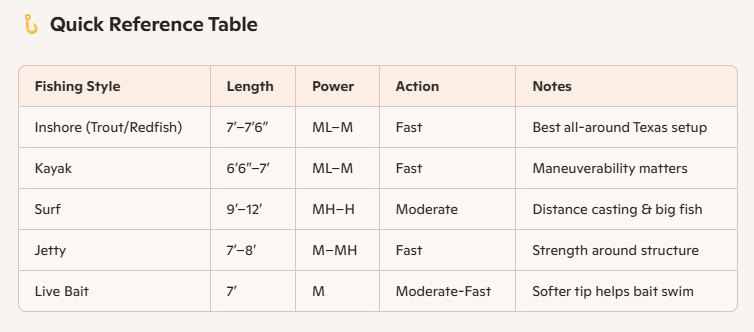
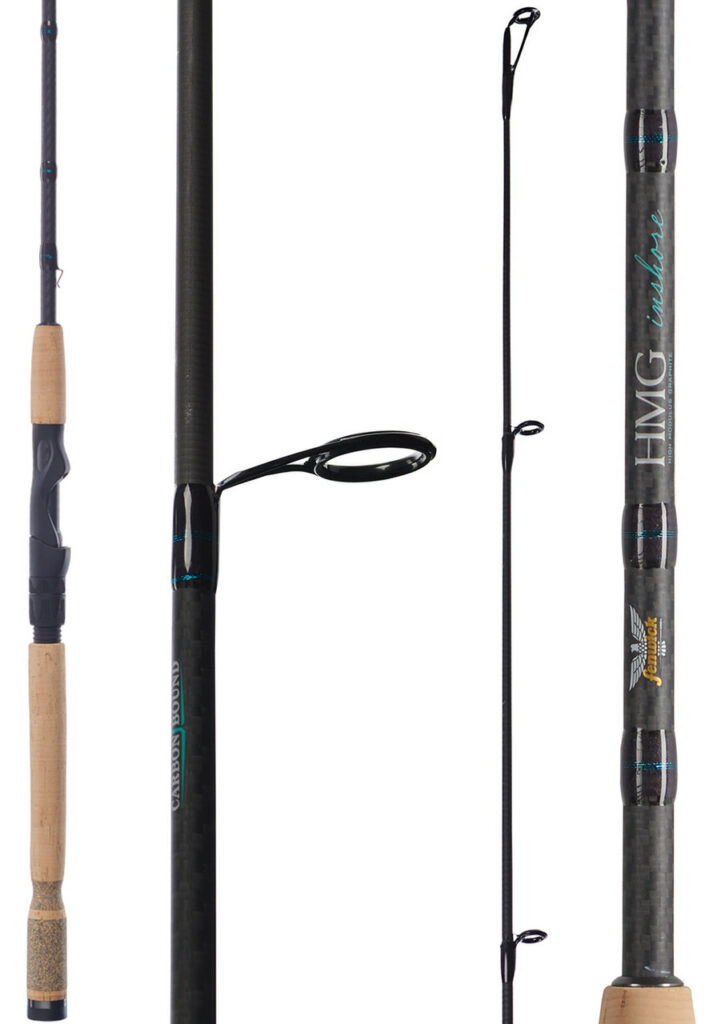
- Bays and Flats: I use a 7’ to 7’6” mediumlight or medium power rod with fast action for long casts and the ability to set hooks through plastic baits. Sensitivity is really important for feeling light strikes from speckled trout. These rods are usually comfortable for all-day wading and casting.
- Kayak Fishing: Shorter rods between 6’6” and 7’ are easier to maneuver around the bow, net fish, and avoid tangles. I still want decent power to move slotsized reds in shallow water, as well as enough length for a strong hookset even when sitting down.
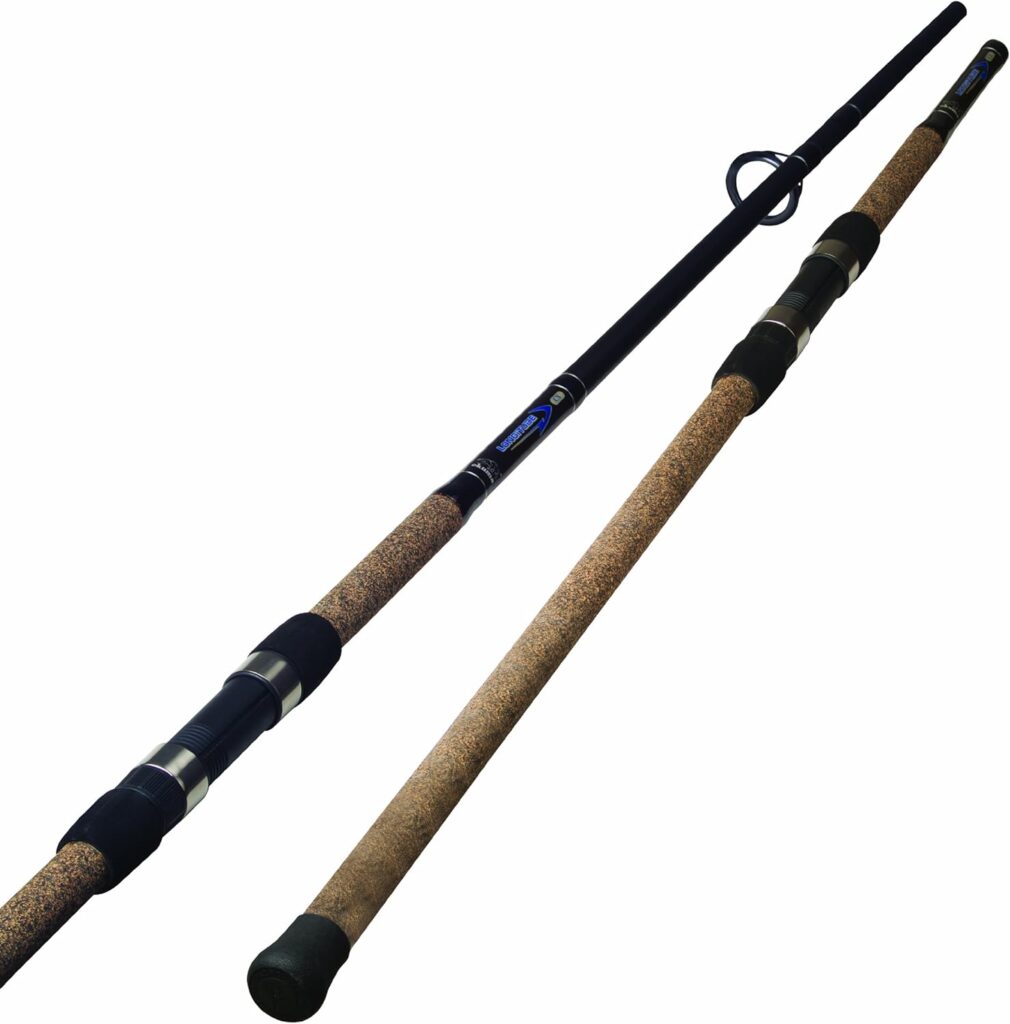
- Surf Fishing: I go for a rod 10’ to 12’ long, medium-heavy or heavy, and moderate action. Extra length means more casting distance, and the stiffer backbone helps keep fish headed away from breaking waves. These rods can also handle heavier sinkers required to hold bottom when the surf current is up.
- Jetty Fishing: Rods between 7’ and 8’, medium-heavy, with fast action, give me the strength to fight big drum, sheepshead, and reds around rocks and structure. Durability is important here because fish can make powerful runs, and the environment is unforgiving on gear.

Practical Rod Selection Tips and What to Look for When Shopping
- Balance your rod with your reel: If the rod is tip-heavy, you’ll get exhausted more quickly. Hold the complete setup before you buy when possible.
- Check guide alignment: Misaligned guides can reduce both casting distance and accuracy. Look down the blank to spot any that are off. A smooth lineup means better line flow.
- Do a flex test: Gently bend the rod with steady pressure. The bend should be smooth and even, with no flat spots or popping sounds.
- Match the lure weight: Always check the rod’s rated lure range and match it to your most common artificial or bait setups to ensure the rod performs at its best.
- Consider your fishing style: If I fish mainly soft plastics or topwaters, I prefer fast action and lighter power. For live bait or cut bait, moderate-fast works better. Think about the way you like to fish and choose a rod that matches that approach.
Technique Specific Rod Choices
I find that matching my rod even more specifically to technique can help me fish more confidently and efficiently. Here’s how I break down my picks by lure type:
- Soft Plastics (paddle tails, jerk shads): 7’ to 7’6” mediumlight or medium power, fast action. Fast tips feel light bites and help with solid hooksets, really boosting my hookup rate wading clear water.
- Topwater lures (Spooks, Skitterwalks): 6’10” to 7’, medium, fast action. Slightly shorter rods let me “walk the dog” longer without getting tired or wearing out my wrist from repetitive action.
- Popping Corks: 7’ to 7’6” medium, moderate-fast action. The slightly softer tip lets me launch the cork far and puts less stress on hooks, limiting pulled fish.
- Live Bait (shrimp, mullet, croaker): 7’, medium, moderate-fast. A moderate action blank keeps live bait from flying off the hook and works well for circlehook applications.
- Surf Casting: 10’ to 12’ medium-heavy or heavy, moderate action. These get big cut bait out to the second gut and help fight fish in heavier current and surf. Long rods with strong blanks also help keep lines above the breakers.
Understanding Rod Action in More Detail
One adjustment I made as I gained experience was thinking beyond just “fast” or “moderate” action. Fast action rods bend in the upper third of the blank, giving me a clear feel for everything happening at the end of the line.
Fast action helps with single-hook lures, and when I really want to drive hooks in quickly, especially for trout or redfish using soft plastics. Moderate-fast bends a bit deeper, giving me a more forgiving cushion for treble hook lures or popping corks.
Moderate action rods bend through the middle third and are a good match for surf fishing, as they help absorb shock during long casts or on head shakes when a bull red is surging in the trough. Taking the time to cast a few rods and get a sense of how their different actions suit your style can save headaches and missed fish on the water.
Why Focusing on the Right Features Pays Off
I learned pretty quickly that the rod that feels best for me isn’t always the fanciest or the most expensive. A rod that balances well, uses quality corrosion-resistant components, and matches my favorite fishing spots gets the most use and saves a lot of hassle.
If you’re new to saltwater fishing, focusing on basics: length, power, action, good guides, and comfortable handles puts you way ahead. Always try to handle several rods before making a buy and think about what species, techniques, and environments matter most for your fishing goals.
This practical approach helps make every trip more productive and fun, whether you spend your days stalking bays or braving the surf. If you stick to these principles, you’ll end up with gear that you love to use and that serves you well season after season.
Check Out Our Most Recent Articles:
- Best Surf Rods Under $150
- Targeting Tarpon In The Surf
- Secrets To Finding And Catching Snook
- 4 Tips for Targeting Striped Bass In The Surf
- Live Bait Vs Artificial Lures In The Surf
- The Reel Everyone Recommends Vs. The Reel That’s Built For Saltwater
As always, stay safe, enjoy the journey, and please try to leave it cleaner than you found it. If you have any comments, questions, ideas, or suggestions, please leave them in the comment section below, and I’ll get back to you ASAP. You can follow us on Facebook: Rex The Beach Angler, Instagram: thebeachangler7, Twitter: @AnglerBeach, and YouTube: Man Art Creations.
P.S. Thanks so much for checking out our blog; we really appreciate it. Just so you know, we may receive a commission if you click on some of the links that appear on our site. This helps us keep our content free and up-to-date for everyone. We appreciate your support!





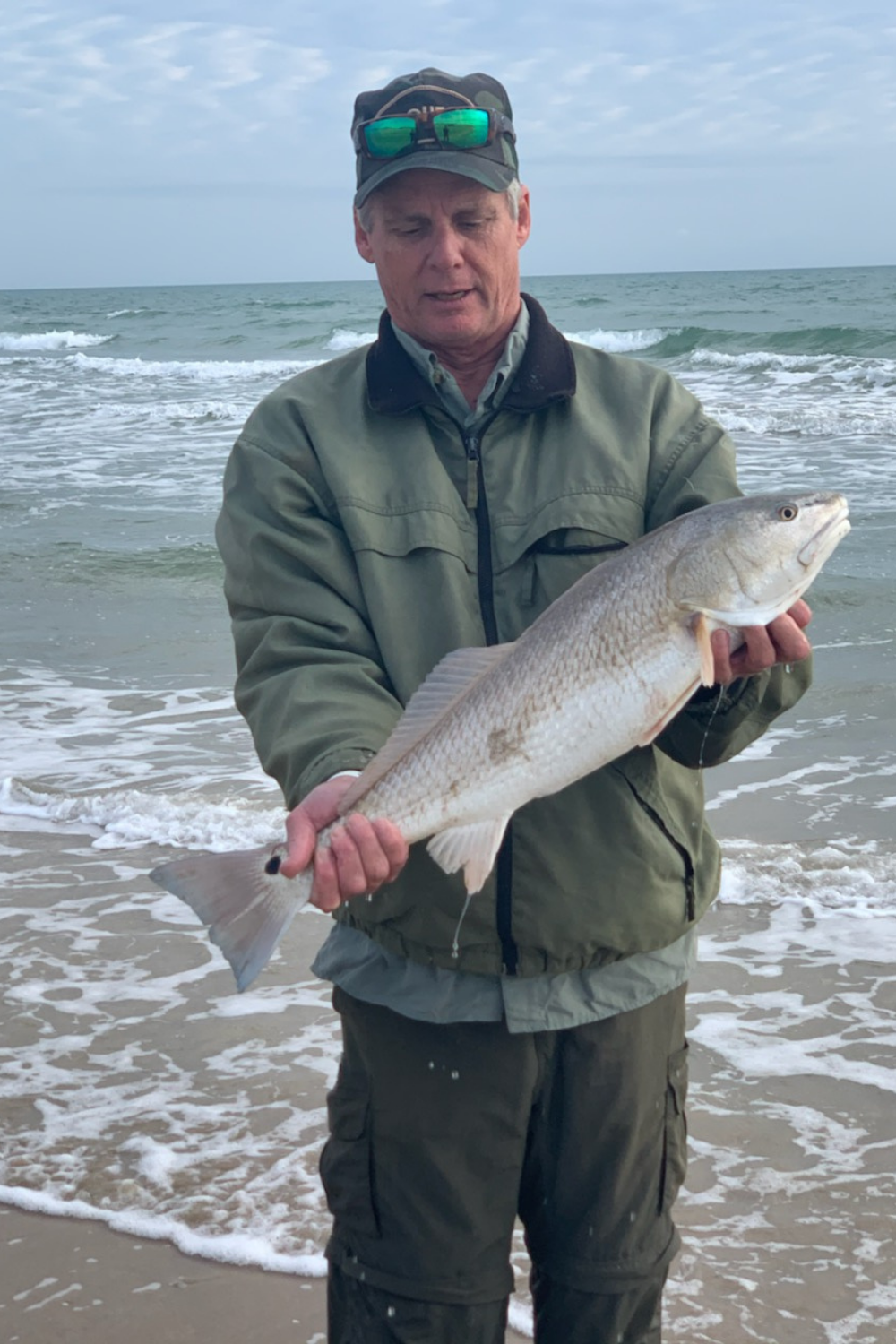
A life long surf fisherman with 50+ years of experience, I am also an avid hunter and outdoorsman. I will be sharing my passion for the outdoors with you so be prepared for hunting, fishing, camping, hiking and more. Along with gear reviews and the latest trends and innovations in the outdoor industry.