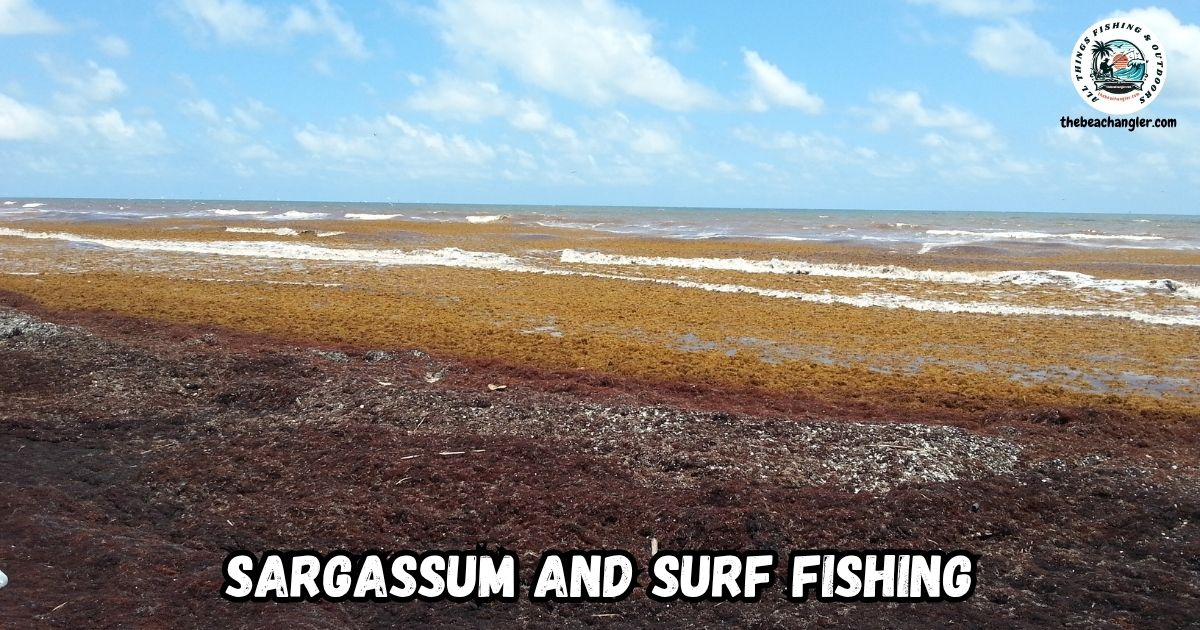
Sargassum, the floating brown seaweed, has become a daily sight on many beaches across the world, especially along the Caribbean, Gulf of Mexico, and parts of the Atlantic. For those who love surf fishing, sargassum presents both exciting opportunities and real frustrations. In this article, I’ll help you make sense of this seaweed’s good and bad sides for surf fishing, along with practical tips from experience and solid research to keep your beachtime enjoyable and productive.
Understanding Sargassum: What Is It and Why Does It Matter?
Sargassum is a type of algae that floats in gigantic mats on the open sea. These huge rafts are kept afloat by grape-like air bladders. Currents and winds push them toward the shore, leaving piles behind. Sargassum isn’t just an ordinary seaweed—it’s a living ecosystem. Out in the ocean, it creates shelter and food for over a hundred kinds of marine life, like small crustaceans, shrimp, various fish, and even young turtles.
When sargassum remains offshore, it helps the fishing community. But when it drifts to land, it can block access, dirty up the beach, and interfere with fishing routines. For surf anglers, getting a sense of the timing and movement of sargassum is key. Heavy arrivals typically peak in the spring and summer, affected by weather and sea temperatures.
Sargassum’s Upside for Surf Fishing and Marine Life
Although most anglers think of sargassum as a headache, it’s worth knowing how important it is for local fish populations. When these big mats float a few hundred yards offshore, there’s usually an uptick in activity from predatory fish like speckled trout, redfish, Spanish mackerel, and jack crevalle. Here’s how sargassum can sometimes make fishing better:
- Fish Aggregation: Sargassum mats are hot spots for feeding. Baitfish, shrimp, and crabs take shelter there, luring in larger game fish that patrol the edges looking for a meal.
- Nursery Areas: The weed gives protection for small fish and turtle hatchlings, keeping them safe from the open ocean’s threats. A healthy number of these young fish can eventually mean stronger inshore fishing catches as they grow up.
- Trolling and Casting Targets: Watching pelicans and diving birds hovering over clumps of sargassum just past the breakers is a dead giveaway that there’s life underneath, making those spots top picks for long casts or kayaking baits out for tarpon or king mackerel.
Even closer to shore, moderate sargassum can feed shorebirds and help trap sand, slowly building dunes that protect the coastline during storms. In this way, sargassum mats play a real part in keeping these important habitats alive and healthy.
The Challenges Sargassum Brings for Surf Anglers
Despite benefits, heavy arrivals of sargassum are a constant complaint among surf fishers in peak season. Here’s a rundown of the main issues sargassum causes on the beach:
- Line Fouling: Strands of sargassum bunch up on fishing lines—especially lighter monofilament. Currents heap weed on your line, making it hard to sense bites and often dragging your rig out of position.
- Gear Clogs and Damage: Reels and rod guides wear out faster thanks to the constant weed buildup. Heaps of sargassum can snag anchors or make it tough to pull in your gear.
- Lower Catch Rates: If the weed is thick in the surf zone, key species like pompano, whiting, and drum may head farther out to avoid clogged water, pushing anglers to cast further or search for clear pockets.
- Smell and Water Trouble: Once ashore, sargassum starts decaying. The smell alone is enough to send people packing. Worse, the breakdown process releases gases like hydrogen sulfide, hurting water quality and even driving away the hardiest fish.
Lots of surf anglers wind up spending hours cleaning lines, re-baiting, and scooping sargassum out of their buckets while fishing during the seaweed-heavy months.
Frequently Asked Questions from Surf Anglers
Here are some questions surf anglers like to ask when sargassum shows up in force:
When is sargassum season?
Most places see sargassum piles from late spring to early fall, but the peak can shift each year depending on winds, storms, and sea temperatures.
What techniques help keep sargassum off the line?
Heavier, tight-weave braided lines and strong sinkers help reduce buildup. Watch the current, cast into clearer pockets, and experiment with weedless rigs or small floats. Set your lines at a 45-degree angle into the current. Every beach and day is a little different, so it’s worth trying new methods.
Does Sargassum sometimes improve fishing?
Definitely. When offshore mats float within casting range, predatory fish like jacks and mackerel often hang out on the edge. This can mean more action than usual, as long as the mats don’t choke the entire surf zone.
Is Sargassum harmful to the environment?
Offshore, sargassum is an important floating habitat and food source. The real problems show up only when huge piles of waste stack up on beaches, which can damage water quality and local wildlife. But, in small doses, it helps rebuild beaches and is part of a natural cycle.
Real Angler Stories: Beach Experiences with Sargassum
I often swap stories with fellow anglers about huge sargassum events. One friend in South Texas told me, “You can’t keep your line clear for more than a couple of minutes. I lost a new lure and spent more time getting rid of weed than catching fish.” Across Florida, someone added, “Sometimes there are a few small jacks near the mats, but most days you just look for a hint of clear water.”
Local tackle shops say there’s a dip in beach fishing when sargassum is thick, especially among those who want clean sand and easy casting. Families with kids and older anglers often go elsewhere when the seaweed is piled high.
Adapting Your Surf Fishing Tactics to Sargassum
After years of fishing around sargassum, I’ve picked up several tricks to keep the experience fun:
- Braided Line: Using braided fishing line cuts sargassum much better, reducing buildup and helping you feel bites right away.
- Heavier Sinkers: Pyramid or sputnik-shaped sinkers dig into the sand and help keep your rig put, instead of drifting down the beach tangled in weed.
- Target Clear Water: Longshore currents and sandbars sometimes open up water pockets. Adjusting your casting angle even slightly can drop your bait into a cleaner area.
- Fish High Tide: Higher water conditions often float surface weed over the breakers, giving you a better chance at clear surf right at the shore.
- Simplify Your Rig: Use simple setups. The less hardware on your line, the fewer places there are for sargassum to grab hold.
Some days, the best plan is to roam the beach with a single rod and lightweight pack, moving along the sand to track down cleaner stretches of water instead of sticking to just one spot.
Sargassum’s Role in Beach Erosion and Shoreline Change
Over the years, I’ve seen beaches change during heavy sargassum seasons. When amounts are moderate, sargassum mats act as natural buffers, absorbing wave energy and trapping sand to build tiny dunes. This helps slow down erosion and brings nutrients ashore, assisting plant life and keeping beaches healthy over time.
Problems show up when thick mats linger for weeks. Removing seaweed with heavy equipment can carry away sand, which speeds up erosion and flattens the shoreline—sometimes damaging turtle nests. Thick weed layers can also stop hatchlings from reaching the water, and piles of rotting sargassum may overheat buried eggs.
Takeaways for Surf Anglers Dealing with Sargassum
Sargassum is here to stay at many top surf fishing locations, bringing pros and cons for anglers and beach communities alike. For those who fish, adapting and changing up tactics is smarter than staying away from the beach altogether. I make a habit of checking local beach reports, timing trips with the tides, and scouting for clearer areas before setting up.
The right gear and a good plan keep frustration low, and you might even stumble upon great fishing that other folks are skipping. With patience and a willingness to switch up your approach, you’ll find surf fishing can still be rewarding—even in the thick of sargassum season.
Check Out Our Most Recent Articles:
- Best Surf Rods Under $150
- Targeting Tarpon In The Surf
- Secrets To Finding And Catching Snook
- 4 Tips for Targeting Striped Bass In The Surf
- Live Bait Vs Artificial Lures In The Surf
- The Reel Everyone Recommends Vs. The Reel That’s Built For Saltwater

As always, stay safe, enjoy the journey, and please try to leave it cleaner than you found it. If you have any comments, questions, ideas, or suggestions, please leave them in the comment section below, and I’ll get back to you ASAP. You can follow us on Facebook: Rex The Beach Angler, Instagram: thebeachangler7, Twitter: @AnglerBeach, and YouTube: Man Art Creations.
P.S. Thanks so much for checking out our blog; we really appreciate it. Just so you know, we may receive a commission if you click on some of the links that appear on our site. This helps us keep our content free and up-to-date for everyone. We appreciate your support!





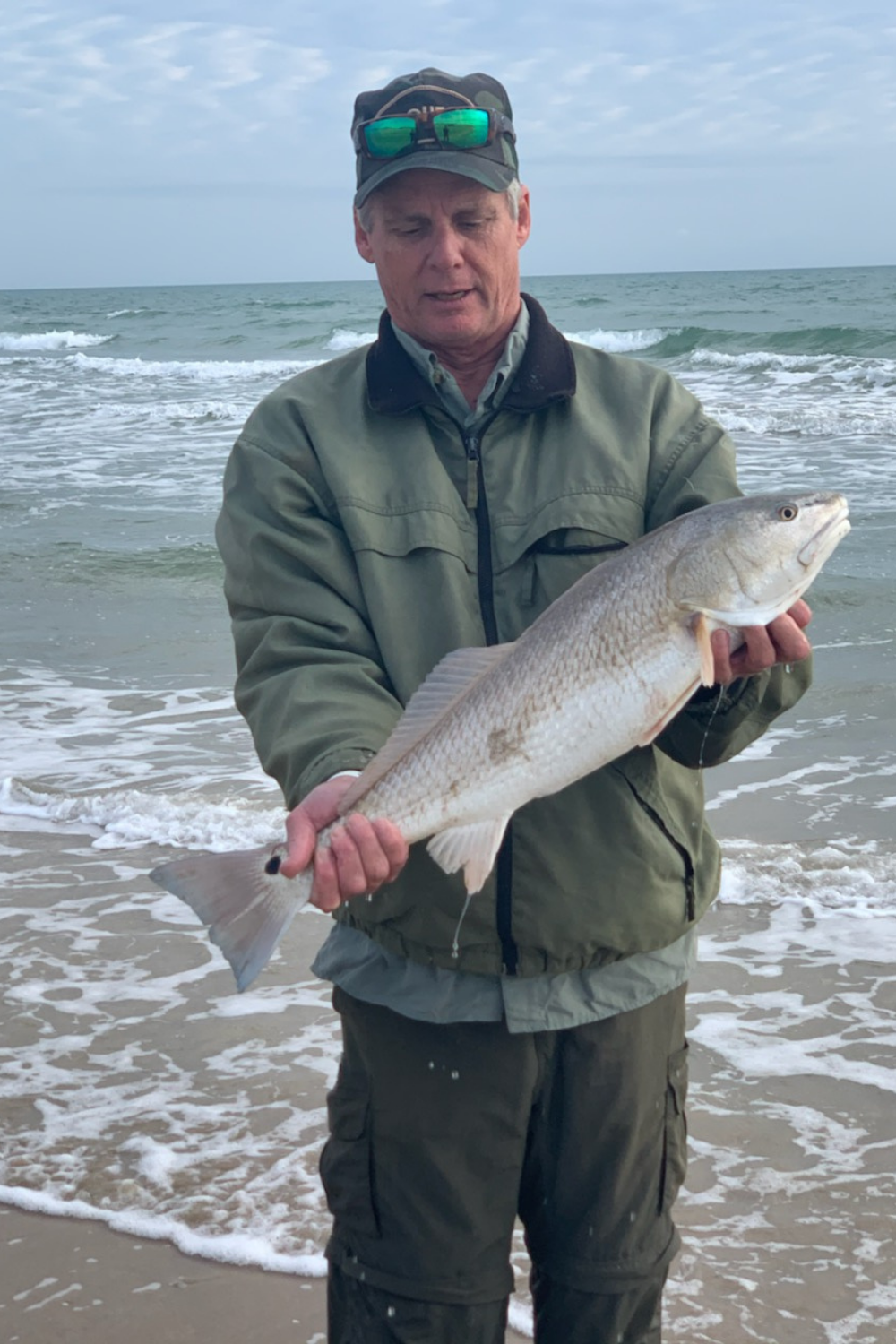
A life long surf fisherman with 50+ years of experience, I am also an avid hunter and outdoorsman. I will be sharing my passion for the outdoors with you so be prepared for hunting, fishing, camping, hiking and more. Along with gear reviews and the latest trends and innovations in the outdoor industry.