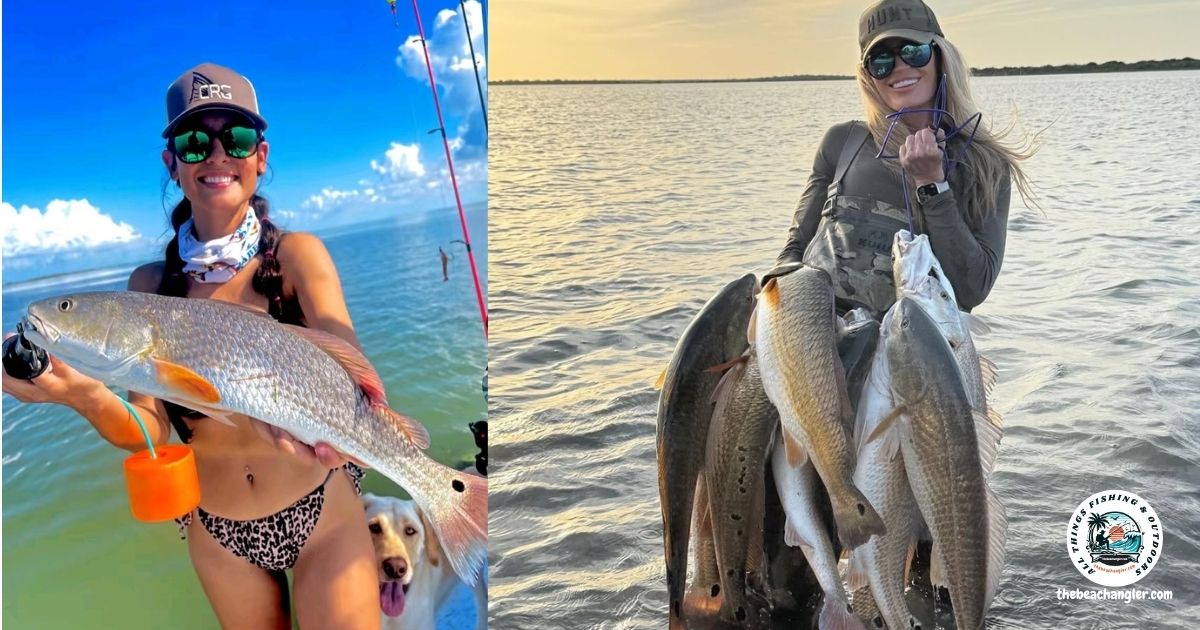
Fishing spring tides for marsh redfish is one of those experiences I always mark on my calendar. When the moon is either new or full, these tides pull in more water and create a feeding frenzy that every angler, from casual to serious, looks forward to.
QUICK LOOK: Tips for Marsh Redfish
- Timing the “First Push”: Reds often feed hardest in the first half hour of the tide moving, whether it’s flooding or falling. I always get to prime spots just before the tide swings. The early bird gets the redfish.
- Reading the Water: Wakes, pushes, and tails show where redfish are working shallow. Shrimp skipping or nervous bait are giveaway signs. I keep my eyes peeled at all times, since any subtle movement can mean a fish is nearby.
- Adjusting Wind: If the wind blows water into a drain, the bait piles up there. On the downwind side of an outgoing current, reds often cluster waiting for an easy meal. Working with the wind, instead of fighting it, is a key lesson I’ve learned.
- Mud Boils: When I see a sudden puff of mud, a red just moved out. Casting near that area usually produces another strike. Trust those mud puffs—they’re a secret sign.
Understanding how these water movements change the bite can turn a regular day on the flats into a memorable one. Let’s break down why spring tides matter, where redfish gather when the tides switch up, gear I trust, and specific strategies I use to get the most out of these prime windows.
Why Spring Tides Make Marsh Redfish So Predictable
Spring tides occur during the new and full moon phases, causing major changes in sea level and flow each month. When these tides roll in, the marsh landscape transforms fast. Water rises higher and drains out lower than on regular days, forcing redfish to adjust their movement and feeding spots.
What makes these tides really important for me is how they group bait and fish at certain times. Flooding tides let reds reach new ground and snack in places usually inaccessible the rest of the month. When the water drains, it pulls shrimp, mullet, and crabs out of hiding and into the open, concentrating redfish into bottlenecks or deeper pools. The movement stirs everything up, and that activity is what triggers redfish to hunt in the shallow marshes and drains.
Spring tides mean I can pattern where reds will be moving both as the water rises and especially as it falls, helping me plan my outings and make the most of time on fish rather than searching empty flats. Over the years, keeping tabs on these tidal patterns has transformed my fishing results, rewarding me with consistent action that’s hard to beat at any other time of the month.
How Redfish Move During Each Phase of the Spring Tide
Understanding redfish behavior with these changing water levels is key to finding them. Based on countless hours in the marsh, I break down my approach by the four major stages of the tide. Paying attention to these cycles lets me game-plan exactly where the fish should show up next.
Incoming Tide
When water starts flooding the grass, redfish push way up onto new flats and into the back lakes. Early in the push, I love targeting grass edges, shallow lake shorelines, and spots where you see small creeks or cuts draining into bigger lakes. Redfish are here looking for shrimp fleeing into flooded grass or crabs and mullet that get caught by the rising water.
For these areas, I often grab weedless spoons or a paddletail on a lightweight jig head, so I don’t snag grass. Topwater lures can come into play too, especially on sunny afternoons when the water warms. Noticing how bait reacts to the incoming water is something I always keep in mind, since it gives away where reds might move next.
High Tide
At tide peak, redfish can get way back into dry places most of the month. This is perfect for wading or kayaking. They’ll tail in thick grass, cruise new marsh ponds, and search for shrimp hopping among the stalks. Sight casting is the way I prefer, moving slowly and picking my shots with quiet presentations like weedless paddletails or shrimp imitations.
These areas can stack up fish, but you need to move quietly and often switch to lighter rigs to avoid spooking them in shallow, clear conditions. During these windows, using the right gear makes all the difference in sneaking up on tailing reds.
Falling Tide
This is my highest confidence window. As water drains, bait has to flush out of even the furthest pools and back lakes. Redfish know this and stack up along drains, creek mouths, and pinch points where outgoing current is strongest. It’s predictable, and the feeds can turn into a frenzy.
During these falling tides, I keep my best soft plastics and gold spoons handy, working them slowly through the current. When I’m after a bigger bite, I use live shrimp under popping corks around deeper cuts or toss mullet chunks where the water pools up. Watching for pushes of water, bait skipping, or that classic redfish tail means it’s time to focus on these outgoing funnels.
Low Tide
Once the tide bottoms out, redfish can group into deeper potholes, channels, or the edges of oyster reefs in the marsh. On really low tides, I focus more on these deeper depressions. Sometimes the fish can be spooky here, so I slow down a lot, use lighter line, and look for signs like nervous water or mud boils.
Soft plastics are still my go-to, bounced slowly along the bottom or even deadsticked where I see activity. Watching for subtle signs, like tiny wakes or mud puffs, usually leads me to fish waiting for the next tide push. Patience and observation during these periods can mean the difference between an empty hook and a redfish dinner.
How Weather and Bait Change the Shape of the Bite
Every spring tide isn’t the same, and marsh conditions can switch quickly. Paying attention to a few environmental factors always helps me adjust my plan and stay on fish. It’s not just about the tides, but all the things that ride in with them.
Water Temperature
Redfish in water below 60°F tend to feed mostly during the warmest part of the day. Once temps climb into the mid 60s and above, feeding windows get longer, and I see more topwater action. In spring, this usually means the bite gets best in the late morning or afternoon after a cool night. If a warm spell lines up with a spring tide, I know things are about to get good.
Winds
South winds usually blow water into the marsh, giving redfish access to new flats longer. When north or west winds hit, they pull water out faster, sometimes shortening the fishing window. I always check wind forecasts not just for safety, but to plan if I’ll have the extra water for marsh back lakes or a falling out tide to fish exits and cuts. Wind can be a friend or foe, depending on how it lines up with the tides.
Bait Movement
In spring, I look for glass minnows, small mullet, mud crabs, and the first pushes of shrimp. If I see birds picking or bait skipping the surface, that’s usually where I focus first. Matching lure size and action to whatever I see is really important for those finicky spring redfish. Finding the bait is half the battle, and the rest is putting the right lure in the right spot.
Favorite Gear and Lures For Marsh Redfish on Spring Tides
My lure box for spring redfish always includes a few standbys and colors that match the forage. Here’s what I rely on most often:
- 1/4 oz Gold Spoon: Works over grass and along edges in any water clarity. The flash attracts reds day in and day out, especially under bright skies.
- 3” Paddle Tail Swimbait: New penny or root beer colors with chartreuse tails are proven marsh winners. These paddle tails mimic mullet perfectly and have enough action to tempt even stubborn fish.
- DOA Shrimp: For sight casting or under a popping cork in current. As soon as I see shrimp in the marsh, these lures come out.
- Topwater Plug: I prefer these once water temps break the mid 60s, especially when it’s calm and clear. Explosive strikes on topwater are what every angler remembers.
- Weightless Jerk Shad: Perfect for thick grass and when fish are extra spooky on a high tide. Being able to present a subtle bait with minimal splash gets more bites.
Having a few color options lets me match water clarity and bait. Golds, pearls, root beer, and chartreuse tails are all productive for me every spring. Don’t be afraid to switch things up if the fish aren’t interested in your go-to colors.
Kayak Fishing During Spring Tides: Why I Love It
When I’m out during spring tides, my kayak gets me places no bay boat can reach. Quiet access to back lakes, the ability to move stealthily, and the freedom to anchor up at any drain or pocket are all reasons I stick with the kayak in spring.
I make a plan based on the tide chart, often launching as the water begins to flood, pushing as far back as possible for high tide sight casting, and then working my way back out as the water drops. Fishing the outgoing drains on my way to deeper water keeps me with fish throughout the entire cycle. There’s a certain magic to gliding silently over calm marsh water at dawn, waiting for that first wake or tail to show.
Common Questions About Spring Tide Redfishing
Over the years, I’ve been asked a lot about how, when, and where to fish spring tides for marsh reds. Here are a few of the most asked:
What makes spring tides so special for marsh fishing?
The extreme highs and lows group bait and redfish in predictable places. These tides create awesome feeding windows and reliable locations you can revisit every month.
Which lures should I pack for my first spring tide trip?
Bring a gold spoon, a few soft plastics in natural and bright colors, and a popping cork setup. Most bites will come on soft plastics or spoons, especially during moving water. Flexibility is important—carry several colors and don’t be afraid to experiment.
How can I avoid spooking fish on very shallow spring tides?
Approach as quietly as possible, stick to weedless or weightless lures, and avoid sudden movements, especially during high, clear water on sunny days. Pay attention to every step and cast, since redfish can sense even small disturbances.
Tactics and Tips From Years on the Marsh
Building knowledge from repeated spring tide trips helps me catch more fish each season. Here are a handful of tips I’ve picked up that can make a big difference when targeting marsh redfish during these moons:
Key Takeaways
- Timing the “First Push”: Reds often feed hardest in the first half hour of the tide moving, whether it’s flooding or falling. I always get to prime spots just before the tide swings. The early bird gets the redfish.
- Reading the Water: Wakes, pushes, and tails show where redfish are working shallow. Shrimp skipping or nervous bait are giveaway signs. I keep my eyes peeled at all times, since any subtle movement can mean a fish is nearby.
- Adjusting Wind: If the wind blows water into a drain, the bait piles up there. On the downwind side of an outgoing current, reds often cluster waiting for an easy meal. Working with the wind, instead of fighting it, is a key lesson I’ve learned.
- Mud Boils: When I see a sudden puff of mud, a red just moved out. Casting near that area usually produces another strike. Trust those mud puffs—they’re a secret sign.
Fishing the spring tides can truly feel like unlocking a cheat code for marsh redfish, especially with the right plan and gear. Every spring, I keep fine-tuning my approach, learning from each rising and falling tide. With the tips and strategies here, anyone can get in on these awesome bites and have long-lasting memories in the marsh.
Check Out Our Most Recent Articles:
- Best Surf Rods Under $150

- Targeting Tarpon In The Surf
- Secrets To Finding And Catching Snook
- 4 Tips for Targeting Striped Bass In The Surf
- Live Bait Vs Artificial Lures In The Surf
- The Reel Everyone Recommends Vs. The Reel That’s Built For Saltwater
As always, stay safe, enjoy the journey, and please try to leave it cleaner than you found it. If you have any comments, questions, ideas, or suggestions, please leave them in the comment section below, and I’ll get back to you ASAP. You can follow us on Facebook: Rex The Beach Angler, Instagram: thebeachangler7, Twitter: @AnglerBeach, and YouTube: Man Art Creations.
P.S. Thanks so much for checking out our blog; we really appreciate it. Just so you know, we may receive a commission if you click on some of the links that appear on our site. This helps us keep our content free and up-to-date for everyone. We appreciate your support!





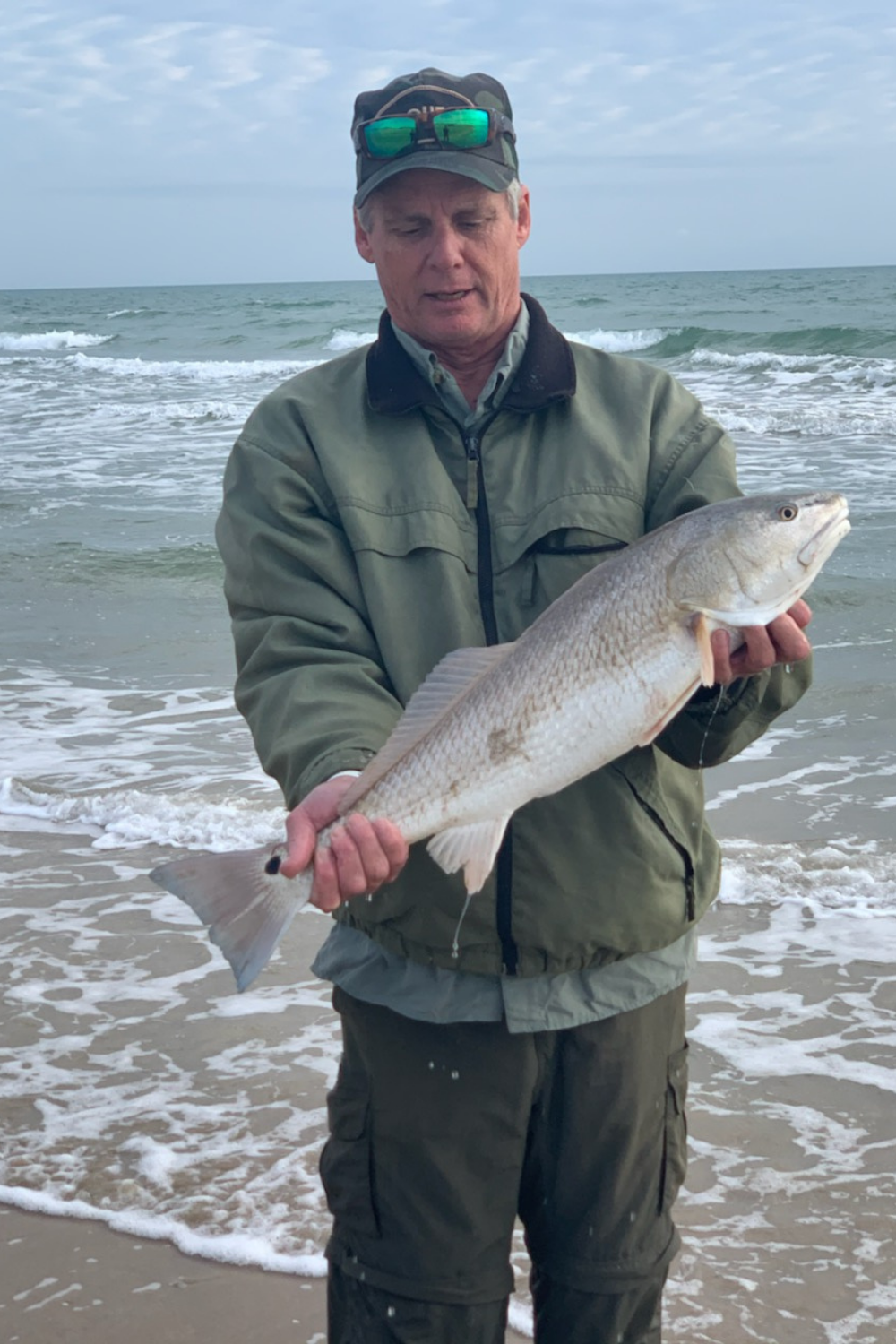
A life long surf fisherman with 50+ years of experience, I am also an avid hunter and outdoorsman. I will be sharing my passion for the outdoors with you so be prepared for hunting, fishing, camping, hiking and more. Along with gear reviews and the latest trends and innovations in the outdoor industry.