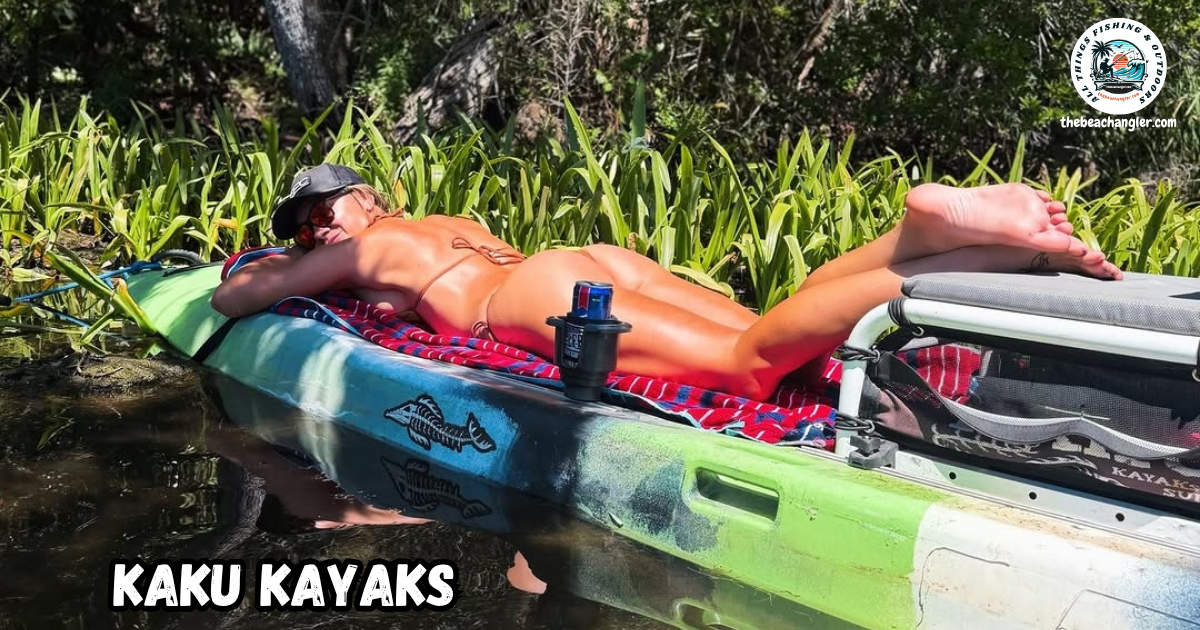
Kaku Kayaks have gained a strong following among anglers and adventure seekers who want a stable, flexible fishing platform. I’ve paddled and tested out several hybrid kayaks and can say that Kaku’s approach blends the best features of kayaks, standup paddleboards, and compact skiffs.
Their boats are built for open deck comfort, stability, and the flexibility to add motors or pedal drives. Here’s my all-in-one guide to what you can expect from Kaku Kayaks, whether you’re chasing redfish on the Texas flats or need a reliable platform for sight casting.
What Makes Kaku Kayaks Special?
Kaku Kayaks are known for combining the open decks of paddleboards with the utility of kayaks and small boats. This design allows anglers to move around easily, switch between standing and sitting, and add a wide range of accessories.
The Kaku Zulu and Voodoo are especially popular for their unmatched stability and flexibility, making them a great choice for serious fishermen as well as people new to kayak fishing who want to grow into the sport. I’ve noticed that Kaku Kayaks offer features that are hard to find in one package.
For example, while many fishing kayaks can handle standing, few match the wide, flat deck and sturdy feel of the Voodoo or Zulu. If you like the freedom to stand, sit, or walk on your boat without feeling tipsy, this is a brand to check out. At the same time, these boats are built tough and can take on everything from windy lakes to shallow flats.
Exploring the 2026 Kaku Kayaks Lineup
The latest Kaku lineup for 2026 includes several models designed for active anglers and those who want options for powering their boats with motors or pedal drives. Here are some of the main models I think stand out:
- Kaku Zulu X3: This advanced hybrid is 12.7 feet long and 36 inches wide. It holds up to 550 pounds, which is plenty for a big angler plus all your fishing gear. The new X3 has a spacious battery compartment, making it easy to rig up an electric outboard or trolling motor. The 360-degree swivel seat is a major perk, letting you keep an eye on the water all around you.
- Kaku Guru 14: A true heavyweight at 14 feet and made for big lakes and long river trips. It handles up to a 6hp outboard motor, so if paddling is too much, you can get where you’re going with some help. With a big 600 lb capacity and skiff-style hull, it’s built for comfort and all-day use.
- Kaku Voodoo: Long regarded as one of the best sight fishing boats around, the Voodoo gives you a wide, totally flat deck and the unique Voodoo Chair. It’s 12.7 feet, so it’s easy to transport, and loaded with mounting spots for accessories, poles, or motors. The 2026 upgrade includes a new raised bow for improved handling in chop.
- Kaku Kahuna: A 13-foot hybrid platform that blends elements of a standup paddleboard and kayak. It excels in shallow water and open water alike, letting you cruise flats with confidence and see fish before they see you.
Core Features and Standout Benefits
A few things make Kaku Kayaks really appealing, especially if you value stability, open space, and configuration freedom. Here’s what stands out in every boat I’ve tested:
- Patented Voodoo Chair: This multi-position frame offers several seating options. You can sit low for paddling, perch high for better fish spotting, or even stand directly on the frame when it’s time to cast. It’s simple but feels sturdy and makes a difference for all-day comfort.
- Open Deck Versatility: Most Kaku decks are nearly flat, with gear tracks and mounting points that let you set up your boat exactly how you want it. I found it easy to add rod holders, electronics, and even coolers or crates. That flexibility is great for crowded fishing trips or when you need to switch setups for a new target species.
- Multipower Options: Almost every current Kaku hull is built so you can add a motor or pedal drive. The hulls come with stern mounts and spaces for batteries, making it pretty straightforward to upgrade from paddling to powered travel. I appreciate that these boats don’t lock you into one propulsion style.
Things to Keep in Mind Before Choosing a Kaku Kayak
There are a few points to think about before investing in a Kaku, some of which I picked up during my own search for the right fishing platform.
- Weight: Kaku boats are heavier than smaller, traditional kayaks. I needed a cart or trailer to transport the Zulu, and car-topping can be a challenge solo. If you usually fish alone or lack trailer storage, plan for handling these boats.
- Paddling Speed: These kayaks are built for stability over speed. They move along well, especially with the help of a trolling motor or pedal drive, but if you want to cover miles by paddle alone, be prepared for a slower pace compared to sleeker kayaks.
- Seat Comfort: Most users, myself included, find the seat very practical for standing and short paddles. After a full day, though, you may want to add a padded cushion or take breaks to stay comfortable.
Weight and Portability
Kaku kayaks’ heft is linked to the thick, high-quality materials used in the hulls. This is one reason they feel so stable on the water. I suggest using a sturdy kayak cart or trailer for loading and unloading if you fish alone.
Performance in Different Water Conditions
I like how these boats handle chop and waves. The wide, flat hulls make them forgiving in rough water, while the elevated seat positions keep you dry and visible for sight fishing. The new raised bows on 2026 models, like the Voodoo, make noticeable improvements when running into wind or boat wakes.
Tips for Getting the Most Out of Your Kaku Kayak
Once you’ve chosen a Kaku Kayak, a few habits can help you get the best experience fishing or exploring on the water. Plus, if you want to ramp up your skills, consider the tips below for making every outing smoother and more enjoyable:
- Mount Accessories Creatively: Use the open deck and rail systems to arrange gear in a way that fits your style. I put rod holders and fish finders close at hand to minimize movement.
- Balance Your Load: These kayaks carry heavy loads, but spreading out your gear evenly makes paddling or motoring smoother and keeps the deck uncluttered for walking or casting. Also, try to pack only what you really need on each trip to avoid excess clutter and weight.
- Try Different Seating Positions: Switch between low, high, and standing stances during the day to reduce fatigue and get the best view of the water. I noticed better casting distance and fewer back aches by mixing it up. Testing various positions also adds some fun variety and may boost your fishing performance.
- Use the Swivel Seat (on Zulu X3): This lets you scan for fish in different directions without having to turn the entire kayak. It’s especially useful when anchored or using a Power Pole.
- Add a Motor for Open Water: If you want to reach distant fishing spots, rigging a lightweight trolling motor can be life-changing. I found it opens up new water that would be tough to paddle to, especially on windy days. Be mindful of battery placement and try shorter runs first to get used to powered options.
Additionally, taking time to check your kayak for loose bolts or fittings before each trip is smart. Even top-quality boats can develop rattles or need occasional tightening after sessions in rough water. Making these quick checks helps keep everything working fine and ensures safety during long adventures. If you paddle with friends, swap tips on rigging and learn from their setups to get inspiration for your own upgrades.
Frequently Asked Questions About Kaku Kayaks
Based on my experience and conversations with Kaku owners, here are some common questions:
Can Kaku kayaks be motorized out of the box?
Most current models, including the Zulu X3 and Guru 14, have ready-to-go motor mounts and battery compartments. I had no problem installing a stern-mount trolling motor or a bow-mounted system with basic tools.
Are Kaku Kayaks suitable for stand-up fishing?
Yes, their stability is one of the main reasons people choose Kaku over other fishing kayaks. I stand, cast, and even move around with confidence. Even in waves, the wide hull keeps things stable.
How are Kaku Kayaks for shallow water?
They’re excellent for shallow flats, especially the Voodoo and Kahuna. The hull shape lets you glide across skinny water without scraping, and the open deck keeps gear above water when accessing really shallow spots.
Can I transport a Kaku kayak alone?
You can if you have a sturdy cart or trailer, but expect a workout. These are heavier than basic recreational kayaks. If you often paddle solo, plan or ask your dealer about delivery and handling tools.
Where to Buy and How to Order Kaku Kayaks
Kaku Kayaks are available through their official website. I ordered directly and found the customer service quick to answer my questions about rigging options and motor compatibility. Delivery is handled by private drivers who take good care of the boats.
If you want to see a kayak in person before buying, specialty dealers like TG Canoes & Kayaks in Texas carry several models and can set you up with a test paddle. Ask about upcoming demo days—these events let you try out several boats on the water and meet other paddlers.
Final Thoughts on Choosing a Kaku Kayak
If your priorities are stability, open rigging, and motor-ready fishing, Kaku Kayaks are worth looking at. I like their customer support and how easy it is to upgrade as your needs change. The option to stand, power up, or completely rearrange your setup helps keep fishing fun, even after long days on the water.
Track down their latest lineup and compare models to find out which configuration works best for your waters and fishing style. Whether you’re after redfish in the salt marsh or exploring inland lakes, Kaku provides a solid platform for endless hours on the water and plenty of chances to get into new fishing opportunities. With the right planning and a creative mindset, these kayaks can adapt to just about any fishing scenario you throw their way.
Check Out Our Most Recent Articles:
- Best Surf Rods Under $150
- Targeting Tarpon In The Surf
- Secrets To Finding And Catching Snook

- 4 Tips for Targeting Striped Bass In The Surf
- Live Bait Vs Artificial Lures In The Surf

- The Reel Everyone Recommends Vs. The Reel That’s Built For Saltwater
As always, stay safe, enjoy the journey, and please try to leave it cleaner than you found it. If you have any comments, questions, ideas, or suggestions, please leave them in the comment section below, and I’ll get back to you ASAP. You can follow us on Facebook: Rex The Beach Angler, Instagram: thebeachangler7, Twitter: @AnglerBeach, and YouTube: Man Art Creations.
P.S. Thanks so much for checking out our blog; we really appreciate it. Just so you know, we may receive a commission if you click on some of the links that appear on our site. This helps us keep our content free and up-to-date for everyone. We appreciate your support!





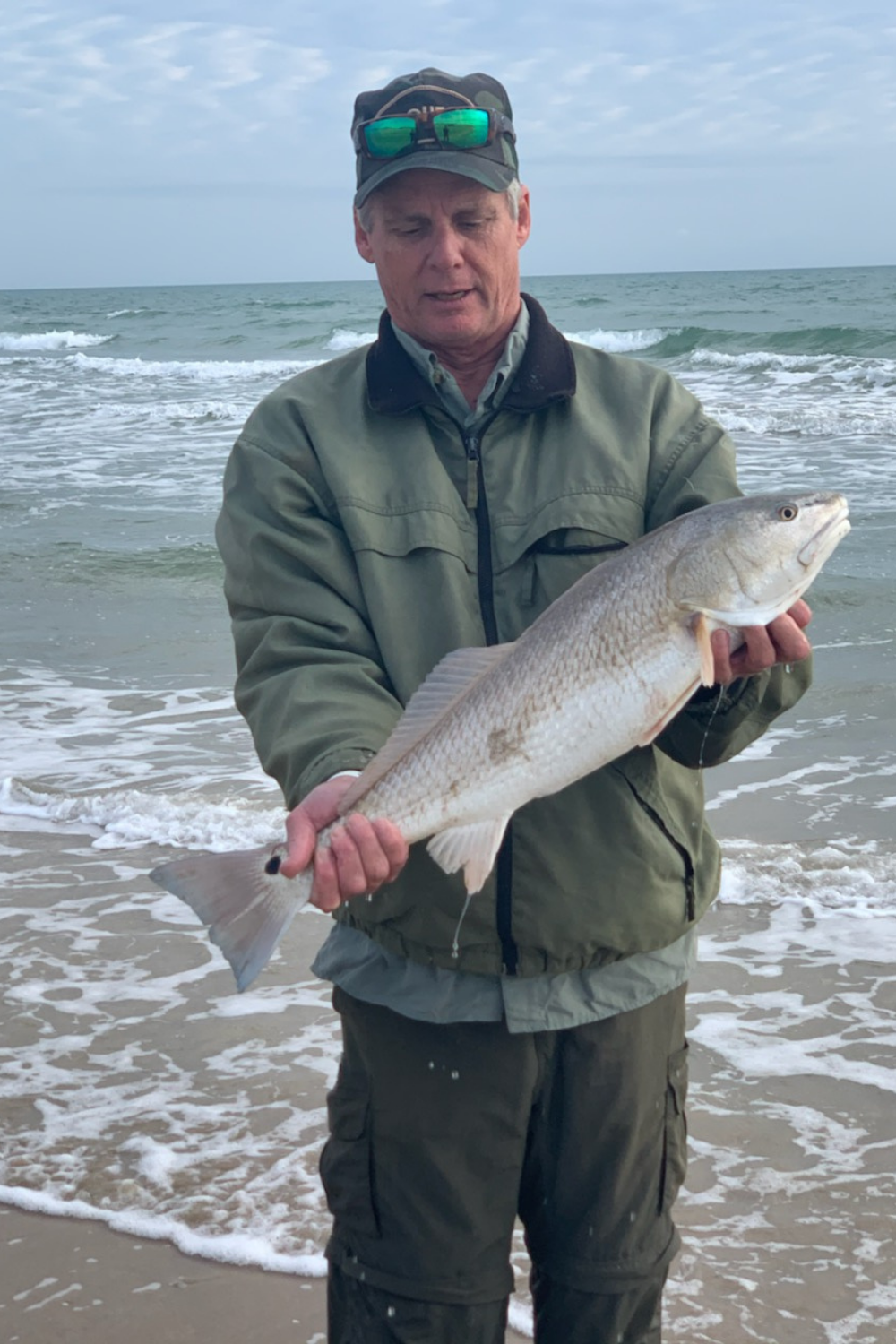
A life long surf fisherman with 50+ years of experience, I am also an avid hunter and outdoorsman. I will be sharing my passion for the outdoors with you so be prepared for hunting, fishing, camping, hiking and more. Along with gear reviews and the latest trends and innovations in the outdoor industry.