
Fall surf fishing in Florida gives me a great reason to wake up early and head to the coast. Cooler days, lower humidity, and the arrival of migratory baitfish make this season my favorite for casting from the sand. I find big game fish like redfish and snook move closer to shore, surrounded by their favorite prey.
QUICK LOOK: Tips for Fall Surf Fishing in Florida
- Incoming High Tide: The two hours before and after high tide usually deliver the most bites. That’s when bait is moving and predator fish are hunting actively in the surf.
- Low Tides: During low tide, I like to walk the beach and scout out sandbars, troughs, and deep holes. Making note of these helps me know where to set up when the water comes back in.
- Early Mornings and Late Evenings: Fish are generally less wary and more likely to bite in lower light conditions. When you combine this with a good tide, you’ll almost always get into some solid action.
- Follow the Mullet: Prioritize fishing during the peak of the mullet run. When you see thick schools near shore, predators are almost always close by.
- Cast Past the Breakers: A longer surf rod gets my bait over the first sandbar to the deeper second cut, where big reds, snook, and macks are lurking.
- Change Up Baits: If things slow down, I rotate between natural bait and eye-catching lures. Mixing it up helps keep fish interested, especially in pressured spots.
- Keep Good Notes: I jot down tide, weather, location, and my catches after each session. Noticing trends helps plan more successful trips later.
Mullet, shrimp, and other natural baits create a feeding frenzy that’s tough for anglers to beat. Here’s my rundown on getting the most out of fall surf fishing in Florida, with straightforward details on what to expect, what fish to target, must-have gear, and tips to score consistent success.
What Makes Fall Surf Fishing in Florida Special
When fall comes around in Florida, both the water and the air begin to cool off from the hot summer. I notice fish activity picks up as species start their annual migration or take advantage of the cooling water temperatures. The famous mullet run dominates this period, with clouds of baitfish moving along the shoreline.
These mullet bring all sorts of predators trailing close behind, making the surf an action-packed spot. I often see fish like king mackerel and bluefish busting through the schools just beyond the breakers.
Daytime temperatures are also more comfortable, and there are fewer crowds than in the summer. I get to enjoy miles of sand, listen to the waves, and target some of Florida’s most exciting coastal fish. The key is timing and switching up your approach as the season progresses.
Key Fall Surf Fishing Seasons: What to Expect
September is usually when I first notice changes along the Florida coast. The ocean remains warm (80-88°F), and summer species like sharks and ladyfish are still present in my catches. The early mullet run kicks off by mid-month, giving a preview of the prime fall action coming soon. As the weeks pass, larger redfish, pompano, and Spanish mackerel appear, drifting south with the bait. October and November offer even better, steady action.
Water temperatures drop gradually into the low 70s by late fall. During this time, fish get more aggressive, and I often land bigger redfish, snook, king mackerel, bluefish, and trout close to the shore. Pompano also get more active, especially after a cold front sweeps through. Schools of mullet become thick, bringing predators right to the water’s edge for some of the best surf fishing all year.
Top Species to Target in Fall
Fall opens up an impressive selection of fish, many of which swing into the surf zone thanks to the annual migrations happening just offshore. Here are some of my favorite catches during the autumn months:
- Redfish (Red Drum): These are top targets during the fall. Big bull reds are often found shadowing schools of mullet, and they go after both live bait and lures with force.
- Snook: As water cools, snook feed voraciously to bulk up for winter. I track them near troughs and along jetties, especially when bait is thick.
- King Mackerel: Thanks to the mullet run, these speedy fish come in near shore, offering a fun challenge for any angler.
- Pompano: Clean water stretches along the beach are where I seek pompano. They hit small crustaceans and eye-catching jigs worked in the surf.
- Speckled Trout: Cooler water brings trout closer to the surf, especially early in the morning when they’re feeding.
- Whiting and Black Drum: These are common catches, excellent for the table, and usually plentiful during the fall months.
- Bluefish and Spanish Mackerel: Both are aggressive and hit lures and live bait near the surface, in spots where baitfish schools are thickest.
Baits and Lures That Work in Fall
I always pick baits based on the exact fish I want to catch. Using live or freshly dead bait gets the most bites during fall, as fish feed hard ahead of winter. Some of my favorites include:
- Mullet: During the mullet run, casting live mullet on a fishfinder rig almost always brings strikes from redfish, snook, and king mackerel.
- Shrimp: Both live and frozen shrimp are reliable across all mentioned species, especially when targeting pompano, whiting, or drum.
- Sand Fleas and Clam Strips: These make perfect baits for pompano and whiting. I dig sand fleas at the surf line or get them from a local tackle shop.
- Artificial Lures: My top picks include colorful pompano jigs, soft plastics that look like shrimp or baitfish, and flashy spoons for mackerel and bluefish. When fish are hitting on top, a chugging plug or paddle tail swimbait is a blast to throw.
It pays off to try different bait types and presentations if action slows down, as even picky fish often respond to something new.
Timing and Tides: Planning for Productive Outings
Knowing the best times to fish can change the game. I always keep track of both tides and the time of day before heading out on a trip.
- Incoming High Tide: The two hours before and after high tide usually deliver the most bites. That’s when bait is moving and predator fish are hunting actively in the surf.
- Low Tides: During low tide, I like to walk the beach and scout out sandbars, troughs, and deep holes. Making note of these helps me know where to set up when the water comes back in.
- Early Mornings and Late Evenings: Fish are generally less wary and more likely to bite in lower light conditions. When you combine this with a good tide, you’ll almost always get into some solid action.
Essential Gear and Rigs for Florida Surf Fishing
Staying organized but minimal works best for me when fishing from the sand. Here’s the setup I rely on each fall:
- Rod and Reel: A 10-12-foot medium to heavy action spinning rod matched with a saltwater-ready spinning reel (size 5000-8000) is my go-to, giving excellent casting range and strength for big fish. This setup also lets me handle heavy sinkers and large baits with ease.
- Line and Leader: My preference is 15 to 20 lb braided or monofilament line. For extra protection against toothy mackerel or abrasion from sand, a fluorocarbon leader of 20–60 lb does the job.
- Rigs: When chasing pompano and whiting, I tie a two-hook pompano rig with size #1 or 1/0 circle hooks and small floats. If it’s redfish and snook I’m after, a fishfinder rig with 2/0 to 4/0 circle hooks works well. I stick with pyramid or sputnik sinkers, 2–6 oz, depending on surf and current, to keep my bait in place.
Common Challenges and How I Solve Them
- Finding Feeding Fish: I walk or drive the beach, watching for diving birds, suspicious bait, or little mullet jumping. Signs like these usually mean bigger fish are nearby.
- Wind and Current: On rough days, I increase my sinker size and keep my line tight to prevent slack. Surf spots sheltered by jetties or piers sometimes produce better when the waves are wild.
- Changing Water Clarity: Rain or west winds can make water murky. I look for clearer areas near inlets since pompano strongly prefer clean water.
- Gear Corrosion: Rinsing all gear in fresh water after every trip is a must. The salt is tough on rods and reels, but a quick wash extends their life.
Extra Tips: Landing More Consistent Bites
After years of fishing these beaches, a few tricks have paid off big for me each fall:
- Follow the Mullet: Prioritize fishing during the peak of the mullet run. When you see thick schools near shore, predators are almost always close by.
- Cast Past the Breakers: A longer surf rod gets my bait over the first sandbar to the deeper second cut, where big reds, snook, and macks are lurking.
- Change Up Baits: If things slow down, I rotate between natural bait and eye-catching lures. Mixing it up helps keep fish interested, especially in pressured spots.
- Keep Good Notes: I jot down tide, weather, location, and my catches after each session. Noticing trends helps plan more successful trips later.
Practical FAQs for New Fall Surf Anglers
I get lots of questions from newer surf anglers in Florida, especially as fall arrives. Here are some of the ones I hear repeatedly:
What’s the best spot for fall surf fishing?
My top spots are beaches with defined sandbars, near inlet mouths, or close to piers. For example, Sebastian Inlet and Juno Beach are prime for pompano, while any stretch where you spot mullet schools is great for redfish and snook.
How do I keep my bait from washing away?
I use pyramid or sputnik sinkers and make sure I’m casting out past the breaking waves. The surf’s friction moves light sinkers back fast, so a heavier weight keeps your rig anchored in the strike zone.
Is a fishing license required?
Yes, unless you’re under 16 or a Florida resident over 65, you need a valid saltwater license, which is easy to get online or at most tackle shops.
Real-World Advice for a Better Fall Surf Fishing Experience
Year after year, the most important lesson I’ve learned is the value of staying patient and flexible. Some days the surf is alive with fish, and I’m busy every minute. Other days require more moving, experimenting, or just soaking up time in nature. Learning to read the water and the conditions, not getting discouraged by a slow start, and appreciating even the quiet mornings make the sport even better.
Fall surf fishing in Florida is about good timing, being observant, and matching tactics to the species you’re after. With the right preparation and plenty of persistence, you’ll make some unforgettable memories and bring home some impressive catches from the Florida shore.
Check Out Our Most Recent Articles:
- Best Surf Rods Under $150
- Targeting Tarpon In The Surf
- Secrets To Finding And Catching Snook
- 4 Tips for Targeting Striped Bass In The Surf
- Live Bait Vs Artificial Lures In The Surf
- The Reel Everyone Recommends Vs. The Reel That’s Built For Saltwater
As always, stay safe, enjoy the journey, and please try to leave it cleaner than you found it. If you have any comments, questions, ideas, or suggestions, please leave them in the comment section below, and I’ll get back to you ASAP. You can follow us on Facebook: Rex The Beach Angler, Instagram: thebeachangler7, Twitter: @AnglerBeach, and YouTube: Man Art Creations.
P.S. Thanks so much for checking out our blog; we really appreciate it. Just so you know, we may receive a commission if you click on some of the links that appear on our site. This helps us keep our content free and up-to-date for everyone. We appreciate your support!





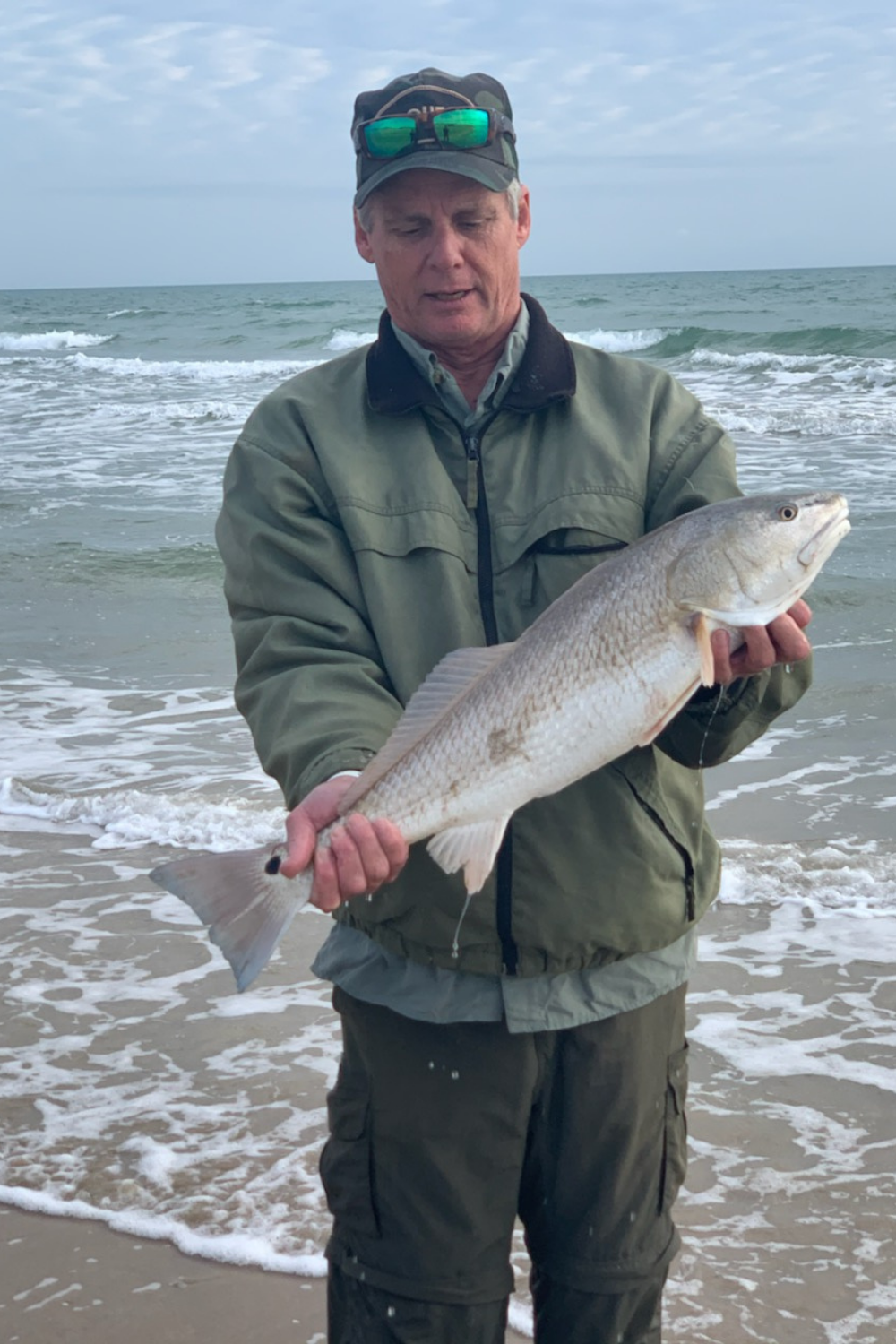
A life long surf fisherman with 50+ years of experience, I am also an avid hunter and outdoorsman. I will be sharing my passion for the outdoors with you so be prepared for hunting, fishing, camping, hiking and more. Along with gear reviews and the latest trends and innovations in the outdoor industry.