
Baja California is famous for its long coastlines and exciting beach activities, and surf fishing has become one of my top ways to enjoy the outdoors here. Fishing while standing with your feet in the sand brings a unique sense of peace.
QUICK LOOK: Tips and Tactics for Surf Fishing the Baja Peninsula
- Fish the Right Tides: My best catches come two hours before high tide and within an hour after. Arriving early at low tide lets you spot deep spots where fish will gather as the waters come in.
- Scout the Water: Watch for spots where wave action is different, the water looks darker, or seabirds are diving around. These are usually signs of baitfish or structure below.
- Use Local Knowledge: Don’t hesitate to ask local anglers for news—they often know which lures or baits are hot right now.
- Start Simple, Then Experiment: Begin with just a couple of lures or baits. Once you get a feel for things, mixing it up can lead to cooler or bigger fish.
- Be Safe: Keep your eyes on the ocean. Baja’s surf is unpredictable, and it’s best to know your nearest exit route and check the forecast for currents or big waves before you start.
- Early Mornings and Evenings: Fish tend to be more active in low-light hours. I like to get out at sunrise or stay into the evening for the best shot at a bite.
- Bringing Extra Water and Snacks: You’ll often be far from any shops or shade, so I always bring what I need to stay hydrated and energized.
- Respect the Environment: Picking up my trash and staying off sensitive dunes or tide pools is a must. The more we look after Baja, the longer it stays beautiful for everyone.
- Trying a Local Guide: My first Sea of Cortez trip wouldn’t have been the same without a guide. They helped me read the water, set up my gear, and catch fish I’d only dreamed of.

Yet, there are always surprises—from changing waves to unusual fish that you won’t see everywhere else. If you’re new to surf fishing in Baja or want to dig into tips and tricks, I’m going to talk through everything I’ve picked up, from choosing the right gear to finding the best fishing spots and how you can make each trip more enjoyable.
What Makes Baja So Good for Surf Fishing?
Baja California’s beaches stretch along both the Pacific Ocean and the Sea of Cortez. That gives you two totally different fishing settings. On the Pacific side, you’ll find cooler water and bigger waves—perfect for fish like corbina, surfperch, and halibut.
On the Sea of Cortez, the water is warmer and calmer, which draws in species such as roosterfish and sierra mackerel. Baja’s coastline includes sandy beaches, rocky hidden coves, and secret lagoons, so there’s always a chance for a new adventure, no matter your fishing style.
My early visits to Baja started on simple beaches near Ensenada, but I learned quickly that each area has its own vibe. If you ask local anglers, everyone has their own “must-try” stretch of coast. It’s easy to find both accessible beaches and more private, off-the-beaten-path spots. That makes Baja an awesome choice for surf fishers who like switching things up and trying something new.
Key Surf Fishing Spots in Baja California
After many trips up and down the coast, these spots have brought me the most luck or the best stories from fellow anglers:
- Ensenada: Known for its sandy beaches, it’s a great spot for California halibut or surfperch, especially in calmer surf areas during early mornings.
- Rosarito: Famous for flat, open beaches and the friendly surf fishing scene at La Pastora. Action peaks in the summer and early fall.
- Cerritos Beach: Close to Todos Santos, Cerritos is not just a surfer hotspot—it offers steady fishing all year long, too.
- Punta Abreojos: A more remote destination drawing both surf anglers and surfers. You’ll find good chances at larger catches near the point breaks.
- La Fonda and K38: These surf joints buzz with energy. During off-peak surf hours, I’ve had success landing leopard sharks and croaker from shore.
- San Jose del Cabo (Sea of Cortez): Around here, you can target warmwater fish like roosterfish, snapper, and jacks.
Popular Fish to Catch from the Surf
Baja’s mix of water temperatures and coastlines means you can track down classic favorites as well as once-in-a-lifetime species. It often depends on the season and your exact location.
- California Corbina: Most active between late spring and summer—June to August is prime, but you’ll spot them later as well.
- Yellowfin Croaker: These peak in activity during early summer. I’ve found the best bite from June through August.
- California Halibut: Sandy stretches near Ensenada are reliable for halibut, mainly in June and July.
- Leopard Shark: Not dangerous, but they make for an exciting catch as they show up regularly in shallow surf zones.
- Barred Sand Bass and Surfperch: Awesome options if you prefer consistent action on lighter tackle.
- Roosterfish: This is the “holy grail” catch for many surf anglers. The most legendary tales come from the Sea of Cortez, late spring through early fall.
- Sierra Mackerel and Jack Crevalle: These strong fighters spice up your session when they’re in season.
Licensing and Local Regulations
It’s super important to know the rules before fishing in Baja. Here’s what I keep in mind each trip:
- Shore Fishing (from land): No license is required for fishing right off the beach. This makes surf fishing especially inviting to those new to Baja’s scene.
- Fishing from a boat or kayak: Everybody on board needs a valid Mexican fishing license—even if you only plan to paddle and not fish.
- How to Get a License: Pick up licenses online from Mexico’s official government sites (look for daily, weekly, monthly, or yearly options).
- Conservation and Safety: Baja’s environment is something special, so I always respect local bag limits and rules about protected species. Watch for posted signs at beaches; they’ll give you the latest restrictions or off-limits details.
Basic Gear for Baja Surf Fishing
There’s no magic setup for everyone, but simple works best when you’re starting. Here’s my go-to checklist:
- Medium-action surf rod (9–11 feet): This rod length throws your bait past the breakers where the fish wait.
- Saltwater spinning reel: Salt, sand, and wind are tough, so I use a reel rated for 12–20 lb. test line.
- Braided or monofilament line (15–20 lb): This weight covers a wide range. For sharks or roosterfish, I use heavier line.
- Terminal tackle: Bring a mix of hooks (2–2/0 size), sliding sinkers, and swivels. I include some leaders and wire for toothier catches.
- Lures and Bait: Metal jigs, spoons, and soft plastics work well, plus sand crabs dug up right on the shore. The local bait shops are a goldmine for up-to-date tips on what’s working.
- Other essentials: Sand spike, backpack or bucket, pliers, plenty of sunblock, and a cooler to keep fish cool and fresh.
Essential Tips for Getting Started
- Fish the Right Tides: My best catches come two hours before high tide and within an hour after. Arriving early at low tide lets you spot deep spots where fish will gather as the waters come in.
- Scout the Water: Watch for spots where wave action is different, the water looks darker, or seabirds are diving around. These are usually signs of baitfish or structure below.
- Use Local Knowledge: Don’t hesitate to ask local anglers for news—they often know which lures or baits are hot right now.
- Start Simple, Then Experiment: Begin with just a couple of lures or baits. Once you get a feel for things, mixing it up can lead to cooler or bigger fish.
- Be Safe: Keep your eyes on the ocean. Baja’s surf is unpredictable, and it’s best to know your nearest exit route and check the forecast for currents or big waves before you start.
Things That Make a Difference (Based on My Experience)
- Early Mornings and Evenings: Fish tend to be more active in low-light hours. I like to get out at sunrise or stay into the evening for the best shot at a bite.
- Bringing Extra Water and Snacks: You’ll often be far from any shops or shade, so I always bring what I need to stay hydrated and energized.
- Respect the Environment: Picking up my trash and staying off sensitive dunes or tide pools is a must. The more we look after Baja, the longer it stays beautiful for everyone.
- Trying a Local Guide: My first Sea of Cortez trip wouldn’t have been the same without a guide. They helped me read the water, set up my gear, and catch fish I’d only dreamed of.
Quick FAQs About Baja Surf Fishing
Do I need to speak Spanish to get by in Baja?
It can help, especially further from touristy spots, but most tackle shops and beaches are used to visitors. Being friendly and using a translation app works wonders.
Is it possible to rent fishing gear locally?
Yes, you can find rentals in most larger towns and tourist centers. If you’re picky about gear or want specialty equipment, it’s smart to bring your own from home.
Can I eat what I catch?
Most fish are excellent to eat. Just be sure to double-check local advisories in case of red tides or area-specific food safety closures.
Getting More Out of Surf Fishing in Baja
Each time I fish Baja’s surf, I stumble upon something new—sometimes it’s a sunrise, a pod of dolphins past the break, or fresh fishing tips swapped with friends and locals. Baja surf fishing brings the thrill of the open ocean and a sense of adventure you can’t get from a dock or marina.
I find myself returning for the calm, good company, and that unbeatable feeling when you land a fish earned from the surf. If you’re looking to shake up your fishing experience, Baja’s beaches have a way of calling you back again and again.
Check Out Our Most Recent Articles:
- Best Surf Rods Under $150
- Targeting Tarpon In The Surf
- Secrets To Finding And Catching Snook
- 4 Tips for Targeting Striped Bass In The Surf
- Live Bait Vs Artificial Lures In The Surf
- The Reel Everyone Recommends Vs. The Reel That’s Built For Saltwater
As always, stay safe, enjoy the journey, and please try to leave it cleaner than you found it. If you have any comments, questions, ideas, or suggestions, please leave them in the comment section below, and I’ll get back to you ASAP. You can follow us on Facebook: Rex The Beach Angler, Instagram: thebeachangler7, Twitter: @AnglerBeach, and YouTube: Man Art Creations.
P.S. Thanks so much for checking out our blog; we really appreciate it. Just so you know, we may receive a commission if you click on some of the links that appear on our site. This helps us keep our content free and up-to-date for everyone. We appreciate your support!





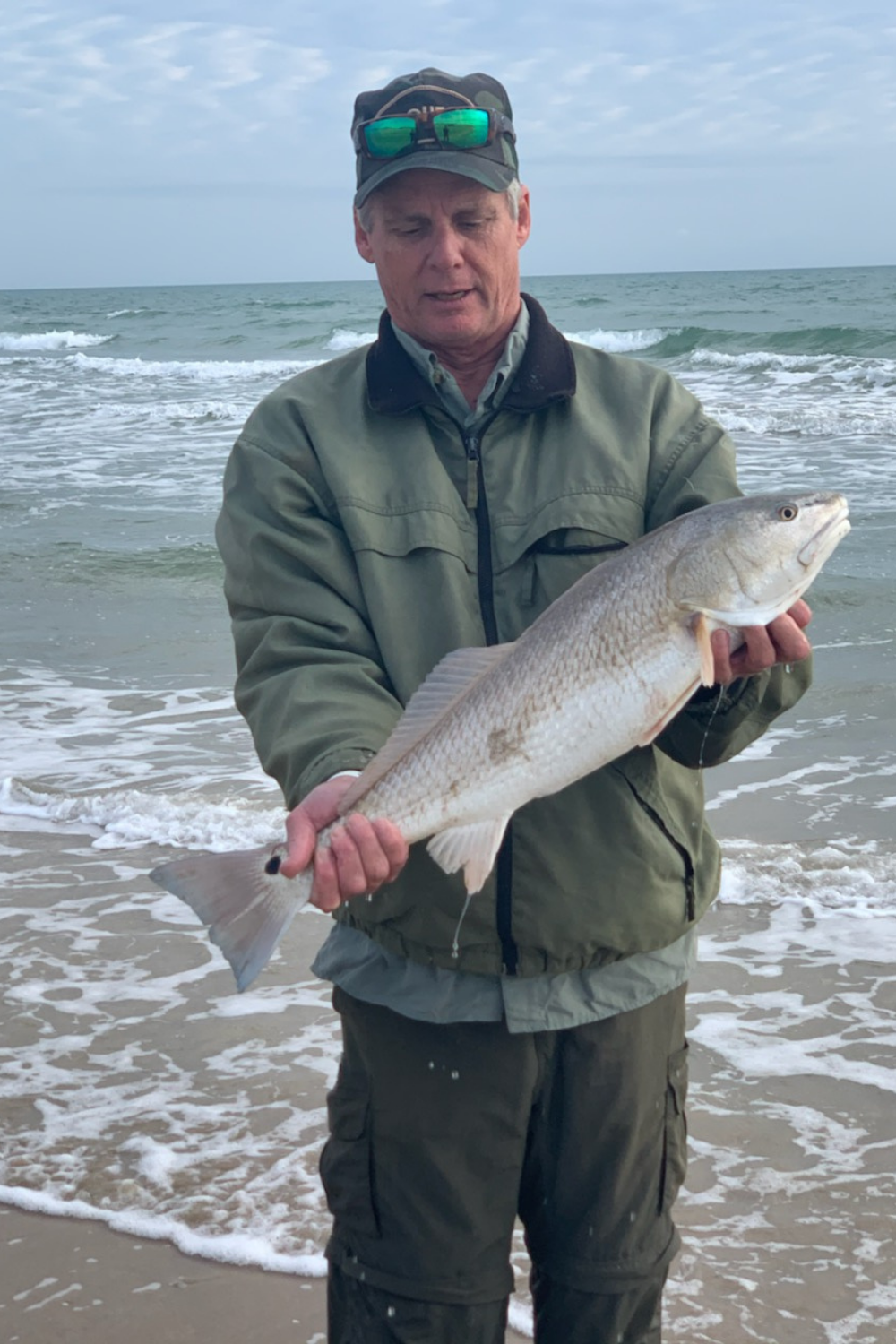
A life long surf fisherman with 50+ years of experience, I am also an avid hunter and outdoorsman. I will be sharing my passion for the outdoors with you so be prepared for hunting, fishing, camping, hiking and more. Along with gear reviews and the latest trends and innovations in the outdoor industry.