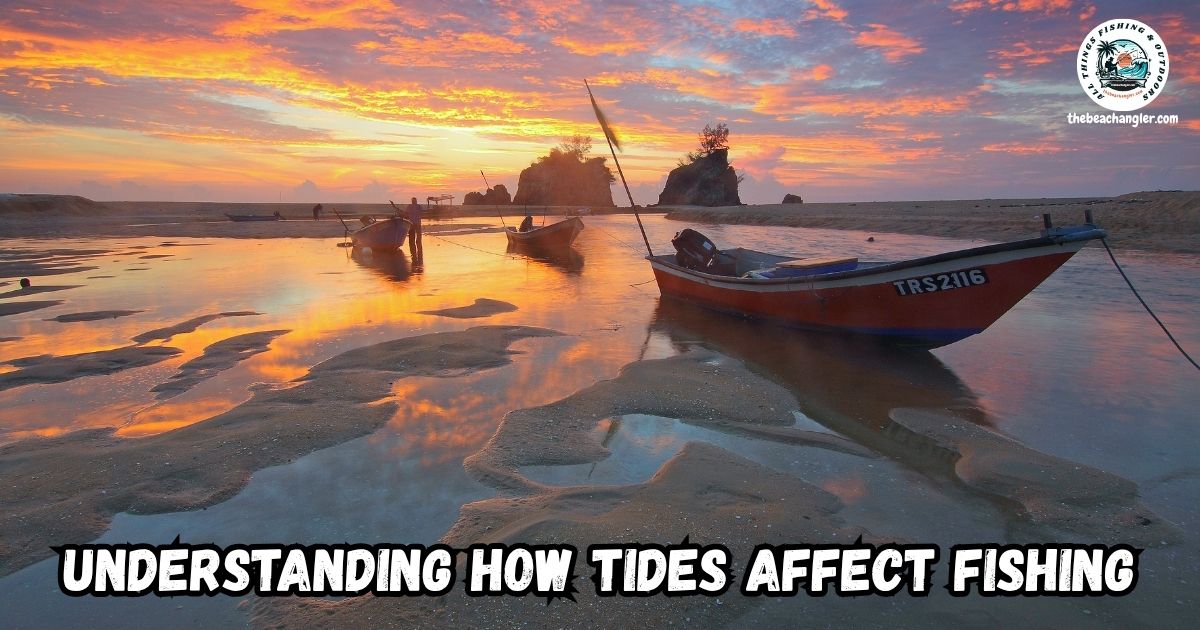
Tides play a really important role in shaping inshore saltwater fishing. From my own experience, understanding the way water moves—how and when it rises and falls—has been a game-changer for planning successful trips.
QUICK LOOK: Tips on Tides and Inshore Saltwater Fishing
- Keep a Tide Log: Writing down what was biting, and when, helps track which tides work best in your local waters. Over time, patterns become clear, and you can game plan future trips more confidently.
- Move With the Fish: As water comes in or goes out, follow the fish from spot to spot. Don’t be afraid to chase the moving edge of the tide. It might mean poling your boat a few extra yards or walking the shoreline, but it keeps you where the action is.
- Watch for Structure: Oyster bars, submerged rocks, and docks often hold fish as the tide pushes bait past them. I have some go-to spots that almost always produce when the current is right. Look for birds or baitfish jumping; these signs can mark a productive area worth exploring.
- Gear Up Accordingly: Stronger tides might mean heavier weights or different lures to stay in the strike zone. I always keep a variety of tackle handy so I’m ready for changing conditions. Don’t forget to check that your knots and leaders are up for handling bigger fish in swift current!
- Moving water usually means feeding fish. If you see birds working, baitfish scattering, or current lines forming, it’s a good bet that predators are close by.
- Rising tides open access to shallow flats and marshes. Fish move in right behind the new water and bait.
- Falling tides concentrate fish in deeper channels and holes. Flushing bait draws aggressive predators into these predictable hotspots.
- Slack tides tend to be less productive—often a good time for a break or to switch locations, or try different tactics altogether.
- Wind strength and direction can boost or tone down tides and fish movement. Always check the forecast and adjust your plans as needed to make the most of these factors.
Timing your outings around the right part of the tidal cycle isn’t just about luck; it’s about reading several clues from nature and using them to your advantage. Here’s my personal guide to how tides work and how you can use them to get the most out of your next inshore fishing adventure.
The Basics: What Are Tides and Why Do They Matter?
A tide is the regular rise and fall of sea level caused by the gravitational pull of the moon and sun on Earth’s oceans. This movement creates periods where water moves into (flood/incoming tide) and out of (ebb/outgoing tide) coastal areas. For inshore anglers, tides hold clues about when and where fish are going to be active.
Fish rely on these moving waters to help them feed and move between shallow and deep areas. So if I plan a trip without checking the tide chart, there’s a good chance I’ll miss out on prime action. I’ve learned that lesson more than once! In fact, some of my earliest trips ended with empty coolers simply because I didn’t pay close attention to the tide cycle.
Once I started checking tide charts and planning accordingly, my catch rates improved dramatically. It’s one of those fishing basics that always pays dividends, whether you’re new to saltwater fishing or have logged hundreds of days on the water.
Looking Closer: Incoming vs. Outgoing Tide
Each part of the tide offers its own set of opportunities and challenges:
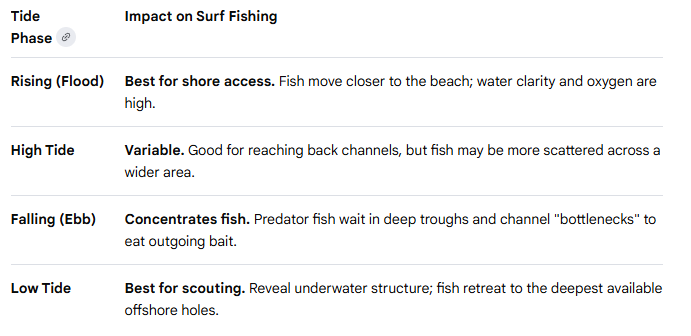
- Incoming Tide (Flood): As the tide rises, water covers flats, grass beds, and shallow shorelines. Fish move into these areas to chase bait that also comes in with the tide. Places where water is funneled—such as small creeks, inlets, or pinch points—become really good staging points. I like to focus my energy on those areas during a rising tide because predators know the bait is getting pushed in and is easy to hunt. I’ve stumbled upon schools of redfish and sea trout charging hard into the new water on a flood tide, taking full advantage of bait that’s suddenly vulnerable in the shallows.
- Outgoing Tide (Ebb): As the tide falls, fish retreat from shallow water back toward deeper channels, drop-offs, or holes. The outgoing water gathers baitfish and, as it flows back out, helps concentrate them in predictable spots. Casting behind a point or into a tidal creek as the water moves out has been a productive strategy for me many times. Fish wait to ambush prey as it’s being washed out to deeper water. On some trips, I’ve followed the water as it pulled out, moving from one spot to another and connecting with active fish each time.
- Slack Tide: This is the period at the highest or lowest point of the tide, when water movement slows to almost nothing. In my experience, fish activity drops off because there’s no current moving bait around, and the predators lose their edge. I often take a lunch break, change spots, or tweak my tackle during slack tide, saving my efforts for more active periods. Occasionally, a few fish can still be picked off with creative tactics, but it’s rarely as productive as fishing moving water.

How Tidal Currents Drive Feeding Behavior
It’s not just about rising or falling water levels; the real magic is in the moving current. Fish use tidal currents as a conveyor belt, letting food come right to them. Stronger currents can pin bait in place, pushing them against edges, marsh grass, oyster bars, and pilings. Current lines, foam, or bits of floating debris also help show exactly where the strongest flow is, pointing to places predators may be lurking.
I’ve learned that certain species react more strongly to faster or slower currents. For example, redfish and snook are often more active in moderate current, while flounder might hold tight to the bottom waiting for food to drift by more slowly.
Observing these patterns over time and keeping notes can help when planning future trips. The size and timing of tides in your area might also influence what gear you need to put to work, such as heavier jigs or live bait rigs able to stay put in the current.
Reading the Water: Where Tides Influence Fish Location
Whether you’re standing on a dock, casting from a kayak, or poling a skiff, knowing how even small changes in water depth affect fish movements can really pay off. During a high tide, flooded grass flats open up as feeding grounds.
On a falling tide, those same flats drain and force both bait and predators into narrow channels or deeper pockets. That’s where I pay attention to drop-offs and deeper holes, since fish often school up there as water leaves the flat.
Some of my most memorable catches have happened just off the mouth of a tidal creek as water poured out, flushing shrimp and minnows downstream where hungry fish were waiting. Watching the water clarity and temperature as the tide switches up can also give you tips on where to focus your casts.
On hot summer days, fish may move deeper with the dropping tide to find cooler water, while in early spring, a quick push of warm water on an incoming tide can fire up action along sun-warmed flats.
How Wind Affects Tide and Fishing Success
Tide isn’t the only thing moving the water around. Wind, especially when blowing hard onshore or offshore, can make high tides higher or low tides lower. If the wind is blowing in the same direction as the tide—which means pushing more water into shore—I’ve seen tides come in faster and stronger than what the tide chart predicted. Conversely, if the wind is blowing offshore, water can get pulled out, dropping water levels even lower.
That means checking both tide and wind forecasts before heading out. Wind-driven tides can be tricky, but they also give you a competitive edge because fewer anglers take the time to understand these patterns. Staying sharp on this factor has saved a few of my trips from disappointment.
You might find, for example, a typically dry flat with enough water to fish because a stiff breeze kept the tide in longer than normal, or the opposite—being unable to reach your planned spot because the wind blew water out early.
Planning Your Fishing Trip Around the Tides
I always begin trip planning by pulling local tide charts and mapping out the best windows for moving water. I pay special attention to the following:
- Find the periods when the tide is either rising or falling for the greatest water movement.
- Pick spots where I know the tide will push bait and fish into easy casting range, like the mouth of creeks, bridge pilings, or points with plenty of current.
- Keep an eye out for moon phases and large tidal swings, like spring tides around the new or full moon, as these can ramp up fish activity.
Local knowledge goes a long way, so checking in with other anglers, guides, or bait shop owners can open up more productive options. I always take notes after each trip, focusing on what the tide was doing when the bite was best. Over time, I’ve been able to spot reliable patterns in my home waters. Don’t overlook the value of networking; sometimes, you’ll stumble upon a tip that puts you on a great bite you would have otherwise missed.
Another smart tactic is to match your lure retrieval style with the strength and direction of the current. In faster currents, heavier jigs or lures that cast farther keep you in the strike zone longer. When things slow down, or you’re working the edges, lighter gear and subtler presentations get results. Change things up to see what fish are responding to—in my experience, versatility pays off.

Challenges and Common Questions About Tides
- Challenge: Reading complicated tide charts.
- To make things simpler for myself, I often use tide prediction apps that layer chart data over fishing maps, which saves time and reduces confusion. I also double-check which station is closest to where I’ll fish, since tides might vary between spots that are only a few miles apart. It can be tricky, but the extra effort leads to more consistent action and fewer blank days on the water.
- Challenge: Dealing with changing weather during planned tides.
- Weather switches can quickly change tidal conditions. If a big storm sweeps through, I’ve found the bite might die off or fish might relocate. Having backup spots or being ready to move with the fish keeps things flexible.
- FAQ: “Can I still fish during slack tide?”
- Yes, but I keep expectations low. Fish are usually less aggressive during these lulls. I sometimes switch to more finesse techniques, like using live shrimp or slower presentations, to tempt a bite. I’ve caught bonus fish during slack tide by focusing on deeper holes where fish tend to rest when there’s little current.
- FAQ: “How do moon phases affect saltwater tides?”
- The alignment of the moon and sun during new and full moons creates bigger tides, known as spring tides. Around quarter moons, tides are smaller and more subtle (called neap tides). Bigger tides can mean more aggressive feeding, especially when paired with strong currents. I always look ahead for these days to maximize my chances, marking spring tides on my calendar and planning trips around them. It’s another detail that, when factored into your planning, can set you apart from other anglers.
Extra Tips for Fishing Tides Like a Pro
After years of trial and error, these habits have helped me get more from every trip:
- Keep a Tide Log: Writing down what was biting, and when, helps track which tides work best in your local waters. Over time, patterns become clear, and you can game plan future trips more confidently.
- Move With the Fish: As water comes in or goes out, follow the fish from spot to spot. Don’t be afraid to chase the moving edge of the tide. It might mean poling your boat a few extra yards or walking the shoreline, but it keeps you where the action is.
- Watch for Structure: Oyster bars, submerged rocks, and docks often hold fish as the tide pushes bait past them. I have some go-to spots that almost always produce when the current is right. Look for birds or baitfish jumping; these signs can mark a productive area worth exploring.
- Gear Up Accordingly: Stronger tides might mean heavier weights or different lures to stay in the strike zone. I always keep a variety of tackle handy so I’m ready for changing conditions. Don’t forget to check that your knots and leaders are up for handling bigger fish in swift current!
Quick Reference: Tides and Inshore Fishing Success
- Moving water usually means feeding fish. If you see birds working, baitfish scattering, or current lines forming, it’s a good bet that predators are close by.
- Rising tides open access to shallow flats and marshes. Fish move in right behind the new water and bait.
- Falling tides concentrate fish in deeper channels and holes. Flushing bait draws aggressive predators into these predictable hotspots.
- Slack tides tend to be less productive—often a good time for a break or to switch locations, or try different tactics altogether.
- Wind strength and direction can boost or tone down tides and fish movement. Always check the forecast and adjust your plans as needed to make the most of these factors.
Observing these basics and adapting to local patterns can turn an average day into a memorable one. I’ve found that a little preparation and understanding of tides boosts both catch rates and the fun of exploring inshore waters.
There’s always something new to learn, and the rewards often go well beyond just the number of fish you catch. So next time you’re planning to fish inshore, check that tide chart and turn the movement of the water into your best ally.
Check Out Our Most Recent Articles:
- Best Surf Rods Under $150
- Targeting Tarpon In The Surf
- Secrets To Finding And Catching Snook
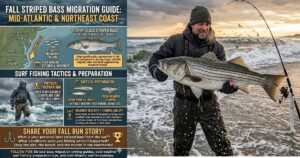
- 4 Tips for Targeting Striped Bass In The Surf
- Live Bait Vs Artificial Lures In The Surf
- The Reel Everyone Recommends Vs. The Reel That’s Built For Saltwater
As always, stay safe, enjoy the journey, and please try to leave it cleaner than you found it. If you have any comments, questions, ideas, or suggestions, please leave them in the comment section below, and I’ll get back to you ASAP. You can follow us on Facebook: Rex The Beach Angler, Instagram: thebeachangler7, Twitter: @AnglerBeach, and YouTube: Man Art Creations.
P.S. Thanks so much for checking out our blog; we really appreciate it. Just so you know, we may receive a commission if you click on some of the links that appear on our site. This helps us keep our content free and up-to-date for everyone. We appreciate your support!





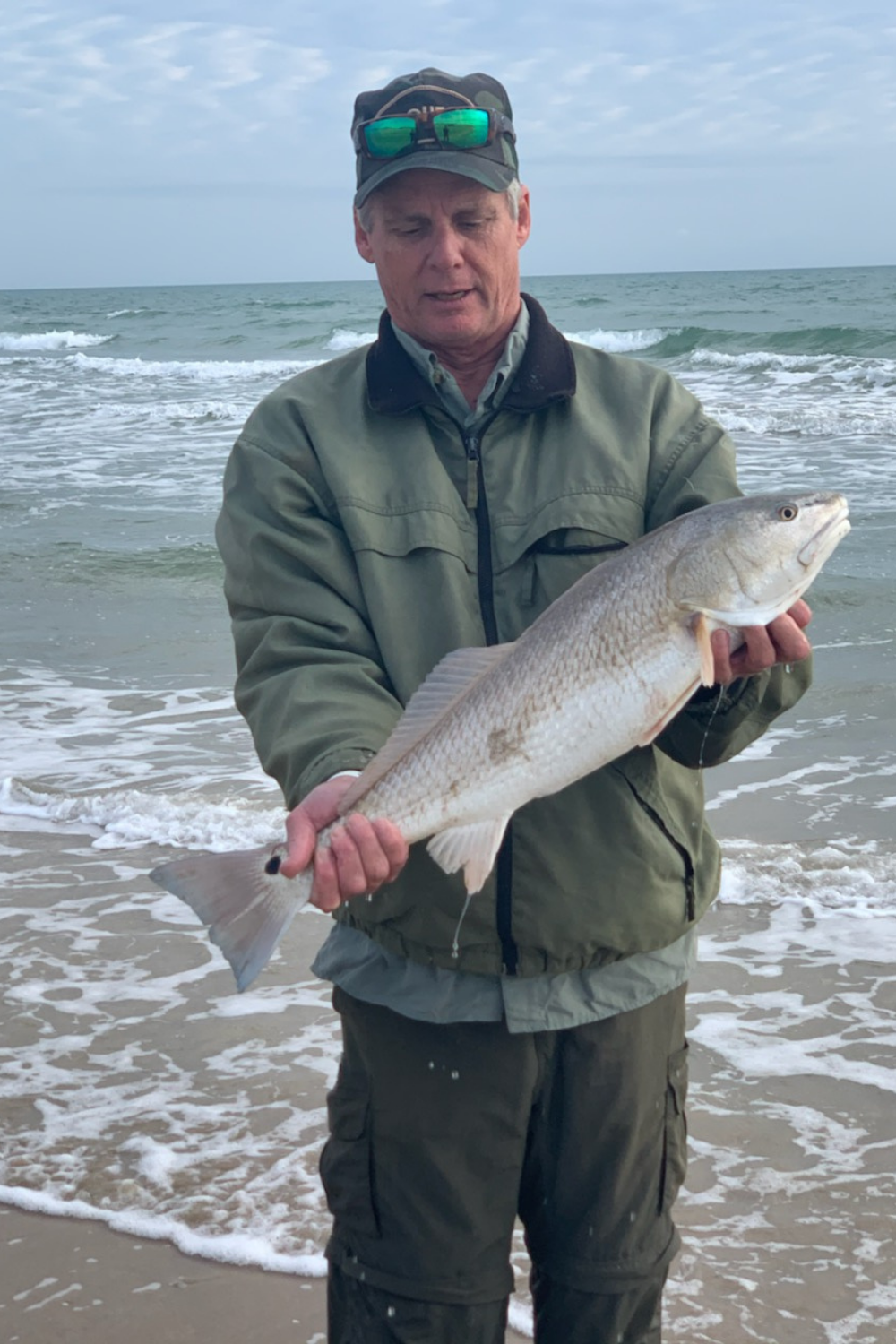
A life long surf fisherman with 50+ years of experience, I am also an avid hunter and outdoorsman. I will be sharing my passion for the outdoors with you so be prepared for hunting, fishing, camping, hiking and more. Along with gear reviews and the latest trends and innovations in the outdoor industry.