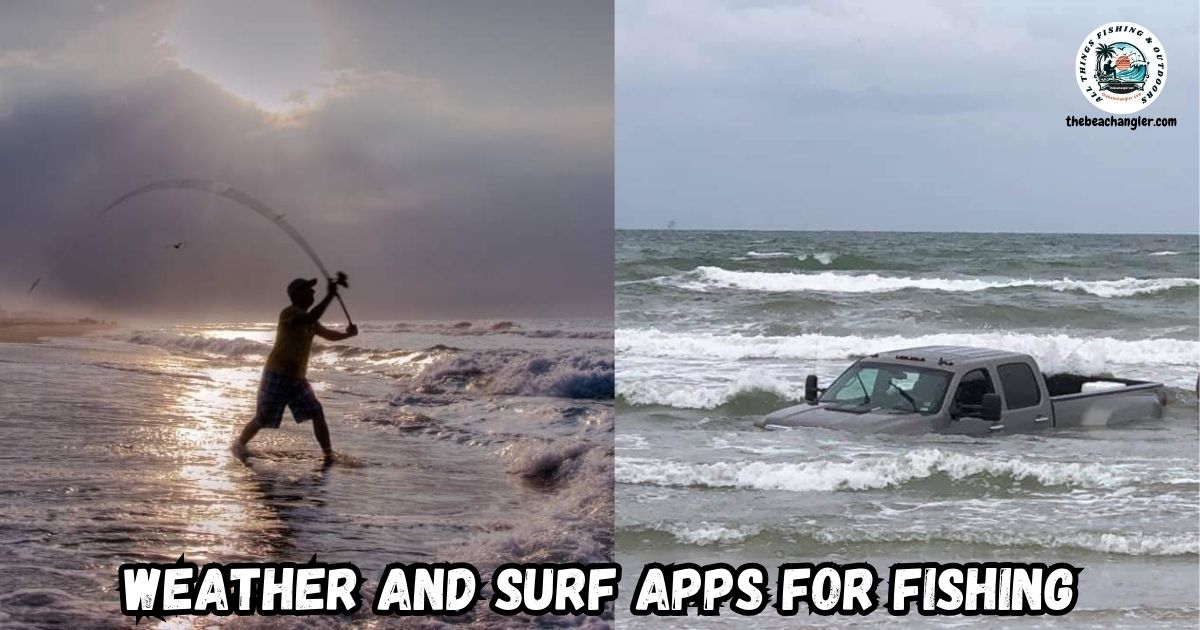
Fishing often depends as much on timing and conditions as it does on skill. Getting accurate, up-to-date information about weather, tides, and surf can really help whether I’m an inshore angler, casting from a pier, or heading offshore.
QUICK LOOK: Tips for Using Weather and Surf Apps for Fishing
- Customize Locations: I set up favorite spots in each app, so getting reports is quick and personal to where I actually fish.
- Enable Notifications: I turn on alerts for wind changes, tide shifts, and severe weather. This helps avoid surprises and keeps me safer while out fishing.
- Keep a Catch Log: Many apps let me record catches with weather and tide info. Over time, I start spotting patterns that help repeat good days or avoid conditions that led to slow outings in the past.
- Update and Cross-reference: I keep my apps updated and check different apps to confirm forecasts. Differences in prediction models can highlight sudden changes worth noting and give a more complete picture of what’s happening at my planned fishing spot.
- Explore User Communities: Many apps have built-in message boards, comment sections, or photo galleries where anglers share recent information. Checking these spots before a trip can clue me in on techniques, hot baits, or even warnings about changes at a certain location.
These days, there’s a whole world of fishing apps designed for exactly this purpose. I’m going to explain how the right weather and surf apps can make fishing days better, run through popular app choices, and share some guidance for choosing the tools that fit my needs.
Why Weather and Surf Data Matters for Fishing
Each fishing trip is shaped by weather, tides, and surf conditions. A light breeze might bring the bite, while heavy winds can turn the water into a mess. Tides change water levels and reveal or hide baitfish, while surf height can affect safety as well as which species show up near shore.
I rely on accurate forecasts to avoid wasted time and to stay safer. Understanding even the basics, like how air pressure or the moon phase can change fish behavior, lets me plan my sessions better and focus my effort on the most promising windows.
Popular Weather and Surf Apps for Anglers
With so many apps out there, it can be tricky to know where to start. I’ve tried a range of solutions and have found these apps really helpful for fishing:
- Fishbrain: Not just for social networking, Fishbrain brings in weather, water data, and popular spots reported by other anglers. I use it to track catches and check when others nearby are getting action.
- FishAngler: This app helps with fishing forecasts, community catches, and mapping. Forecast details include weather, tides, and even solunar activity, giving me a heads-up on when fish might be biting.
- Windy.app: I rely on this for up-to-date wind, waves, and marine forecasts. The animated map makes it easy to see approaching weather systems or wind changes before they hit.
- FishWeather: This is a favorite in fishing forums. Its real-time wind maps, tide tables, and hyperlocal reports help me check conditions before a trip or while I’m on the water.
- NOAA Marine Weather: While not itself an app, plenty of apps use NOAA data for official forecasts on marine conditions, wind, wave heights, and radar. NOAA’s data often feels like the go-to standard for reliability.
- Tides4Fishing: I use this website (and its app) to find tide predictions, solunar charts, moon phases, and weather, especially for planning trips around tidal windows.
- The Weather Channel: For radar images, current conditions, and general forecasts, The Weather Channel app proves dependable. I check it for approaching storms and key changes in wind or temperature that might affect fishing.
- Surfline: Even though it’s created for surfers, Surfline gives detailed surf forecasts, tide info, and wave camera feeds. I use it to figure out beach fishing opportunities and to stay safe when the surf gets rough.
- Magicseaweed (MSW): I turn to MSW for surf and swell data, especially helpful when looking for inshore or beach fishing spots. It also covers wind speeds, tides, and water temperatures.
- Navionics Boating: I find Navionics especially useful if I’m fishing from a boat. It offers charts, depth soundings, navigation routes, and even overlays for weather and tide data.
- FishTrack: For saltwater anglers, FishTrack delivers SST (Sea Surface Temperature) charts, chlorophyll levels, and detailed marine weather maps. It’s helpful to pinpoint offshore opportunities.
- Buoyweather: Designed for offshore trips, Buoyweather provides marine forecasts, focusing on wind, waves, and sea conditions by GPS location. I count on it when venturing far from shore.
- Tides Near Me: If I want a quick, local tide check, Tides Near Me loads fast and keeps things simple. The focus is on current tidal phases in my area, which is great for last-minute planning.
- FishRules: Knowing regulations is really important, and FishRules helps check legal catch sizes, seasons, and bag limits. It can use my location to provide accurate rules and includes maps of boundaries for restricted zones.
- Fishnotify: This app lets me know about peak fishing times for specific coastal locations based on weather and solunar data. It’s handy for setting reminders and picking the most promising hours.
There are also other apps worth checking out, such as MyRadar for instant weather radar, Navimatics Charts & Tides for detailed nautical navigation, and iSolunar for solunar data specific to fishing. Exploring a few different apps can help identify what features matter most for each angler’s style.
How These Apps Help Me Plan a Better Trip
Each angler’s needs are a little different. For me, these apps make it easier to answer questions like:
- Is it safe to launch my boat today?
- What spots are likely to be productive based on current wind, tide, or lunar conditions?
- Which species are biting nearby and when?
- What are the latest size or bag limits for the area I’m fishing?
Apps combine crowdsourced logs, official marine data, and push notifications, giving me almost real-time info to choose my gear, bait, and locations. Having all this on my phone means I get updates if storms pop up or if tides change faster than expected. Some apps even allow me to set up custom alarms for specific tide changes or wind shifts, giving a boost to both planning and safety.
Choosing the Right App for My Style of Fishing
Different types of fishing call for different data:
- Offshore Fishing: FishWeather, Buoyweather, FishTrack, and PredictWind give me detailed marine forecasts, focusing on wind, wave direction, and sea surface temperature. These features are especially helpful miles offshore, where things change fast.
- Inshore or Beach Fishing: Windy. App, Tides Near Me, and Surfline are super useful for knowing wave height, surf conditions, and local tides. These conditions can decide when predator fish move in close enough for shore casting or wading.
- Community and Hotspots: I use Fishbrain and FishAngler to see where others are catching fish, which lures are working, and when local activity peaks. The community input fills in the gaps left by standard forecasts.
- Navigation and Safety: For boaters, Navionics offers charts and overlays with weather and radar, which help plan safe trips and avoid shallow or restricted areas.
If I’m primarily a bank or pier angler, I might want a simple app that gives just tides and weather. Offshore boaters may prioritize GPS-specific marine forecasts and navigation overlays. Trying out several tools and focusing on which data I find myself needing repeatedly helps make the best choice.
Common Questions About Fishing Apps
I see a lot of anglers asking how to use fishing apps most effectively. Here are some answers I often share from my own experience:
How accurate are weather and surf apps?
Marine forecasts are generally reliable for the next 24-48 hours, but conditions can change unexpectedly. I double-check by looking at wind and tide data from more than one app, and I keep an eye out for sudden changes on the water. Factors like local geography, unexpected fronts, or tropical weather can alter conditions fast, so combining several app sources gives the best odds at staying prepared.
Do I need to pay for fishing apps?
There are lots of free apps with basic features, but paid or subscription versions usually add details, expanded maps, and more frequent updates. I recommend starting with free features and upgrading if I find a tool that really fits my fishing style.
Are fishing regulations included in apps?
Apps like FishRules and Fishbrain provide up-to-date rules for many states and local areas. Even so, I always check a state’s official site before keeping my catch, since local rules can switch up fast or have emergency changes posted online that apps may take a while to update.
Tips for Making the Most of Fishing Apps
Once I started using weather and surf apps for fishing, I picked up these habits to get more value from them:
- Customize Locations: I set up favorite spots in each app, so getting reports is quick and personal to where I actually fish.
- Enable Notifications: I turn on alerts for wind changes, tide shifts, and severe weather. This helps avoid surprises and keeps me safer while out fishing.
- Keep a Catch Log: Many apps let me record catches with weather and tide info. Over time, I start spotting patterns that help repeat good days or avoid conditions that led to slow outings in the past.
- Update and Cross-reference: I keep my apps updated and check different apps to confirm forecasts. Differences in prediction models can highlight sudden changes worth noting and give a more complete picture of what’s happening at my planned fishing spot.
- Explore User Communities: Many apps have built-in message boards, comment sections, or photo galleries where anglers share recent information. Checking these spots before a trip can clue me in on techniques, hot baits, or even warnings about changes at a certain location.
What I’ve Learned by Using Weather and Surf Apps for Fishing
Having tried dozens of fishing and weather apps, I’ve found that some work better for my style than others. Community apps like Fishbrain and FishAngler are great for comparing notes and tracking my progress. For safety, I lean on Windy.app and NOAA-based tools before heading out.
Features like offline maps or satellite overlays in Navionics are handy for longer excursions. By mixing specialized fishing apps with broader weather and surf data, I feel more prepared to make good decisions on the water, or to change my plans if it looks like the weather will ruin the day.
Careful research and a flexible approach end up making every trip a little more fun and much safer. The more I use these tools, the more I can spot patterns, find the best times to fish, and avoid dangerous or unproductive conditions. For any angler, picking the best apps and using them in concert with experience will set the groundwork for more successful and enjoyable fishing outings.
Check Out Our Most Recent Articles:
- Best Surf Rods Under $150
- Targeting Tarpon In The Surf
- Secrets To Finding And Catching Snook
- 4 Tips for Targeting Striped Bass In The Surf
- Live Bait Vs Artificial Lures In The Surf
- The Reel Everyone Recommends Vs. The Reel That’s Built For Saltwater
As always, stay safe, enjoy the journey, and please try to leave it cleaner than you found it. If you have any comments, questions, ideas, or suggestions, please leave them in the comment section below, and I’ll get back to you ASAP. You can follow us on Facebook: Rex The Beach Angler, Instagram: thebeachangler7, Twitter: @AnglerBeach, and YouTube: Man Art Creations.
P.S. Thanks so much for checking out our blog; we really appreciate it. Just so you know, we may receive a commission if you click on some of the links that appear on our site. This helps us keep our content free and up-to-date for everyone. We appreciate your support!





A life long surf fisherman with 50+ years of experience, I am also an avid hunter and outdoorsman. I will be sharing my passion for the outdoors with you so be prepared for hunting, fishing, camping, hiking and more. Along with gear reviews and the latest trends and innovations in the outdoor industry.