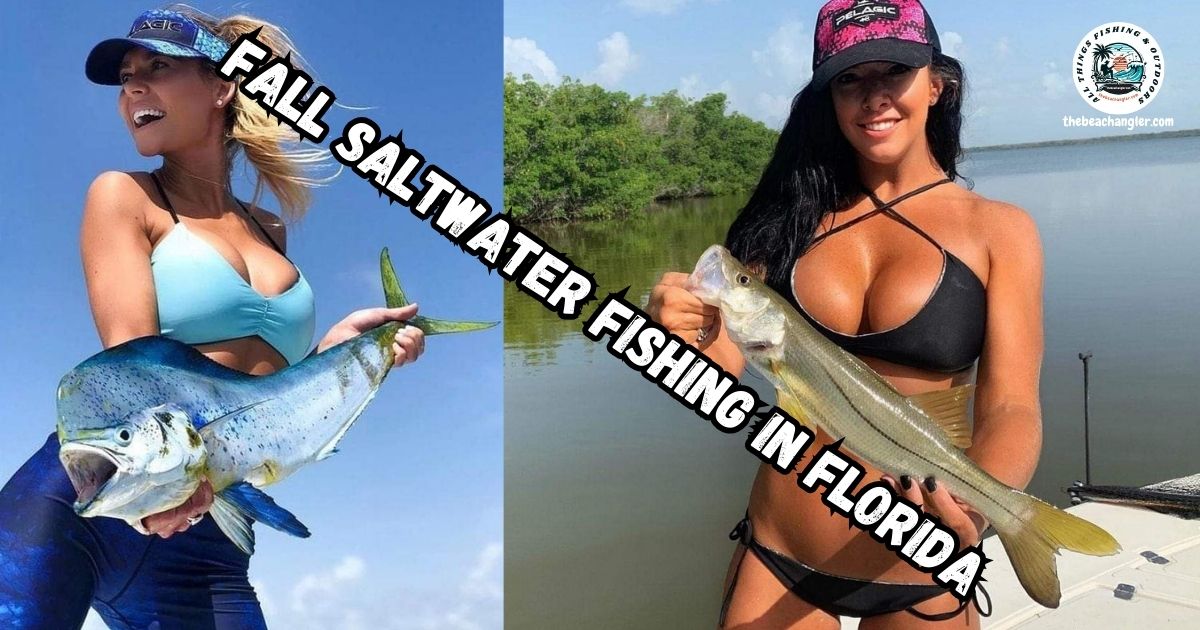
Fall Saltwater Fishing in Florida can bring some of the most exciting action of the year. As the weather cools, baitfish migrations begin, and gamefish like redfish, snook, and king mackerel start moving in search of food. I’ve spent many autumns on the water, and I want to share practical tips that make fall fishing both more productive and enjoyable, especially if you want to catch more fish in both inshore and offshore waters.
QUICK LOOK: Tips for Fall Saltwater Fishing in Florida
Fall Inshore Tips:
- Match the Migration: Following schools of baitfish like mullet will lead you to the big redfish and snook. I look for bait being chased, nervous water, and boils on the surface.
- Work Inlets, Passes, and River Mouths: In the fall, moving water funnels both bait and predators into these natural choke points. Casting up-current with paddle tails or live bait is a technique that brings results.
- Fish Deeper Edges and Potholes: As the air cools, fish gather in slightly deeper water at the edge of flats, or in sandy potholes in the grass beds. These are holding areas for redfish and speckled trout.
- Power Fish and Cover Ground: Instead of waiting in one spot, I move constantly and use search baits to locate schools quickly. Once I find active fish, I slow down and make more deliberate presentations.
- Size Up Lures: Larger lures are often more successful since the baitfish themselves get bigger in the fall. If you see mullet 5 inches or larger, don’t be afraid to “match the hatch” with bigger soft plastics or plugs.
Fall Offshore Tips:
- Follow the Bait Schools: As bait migrates along the coast, king mackerel, bonita, tuna, and even sailfish follow in large numbers. Watching for diving birds is a good way to find the action quickly.
- Reefs and Wrecks: Bottom fishing gets better in the fall as grouper, snapper, and other target species become more active in cooling water. I drop live pinfish or vertical jigs on reefs for grouper, and prefer squid or mackerel chunks for snapper on multihook rigs.
- Use the Right Tackle: Offshore fish can get big in the fall, especially the kingfish runs. I use heavier spinning and conventional rods loaded with 30-40 lb line, plus long wire leaders to prevent bite-offs from king mackerel.
Understanding the Fall Transition in Florida’s Saltwater Fishing
Fall in Florida brings noticeable changes to the water. Water temperatures start to drop, and big schools of mullet, pilchards, and other baitfish begin their migration along the coast. Gamefish follow closely behind, providing plenty of angling opportunities.
These conditions are different from the hot, slower summer months. Knowing what changes to look for in the environment and fish activity is really important for success. Fish often leave deeper waters where they spent the hot summer days and become more active near flats, grass lines, the beachfront, and other structure.
Cooler mornings can mean a hot bite early, but even midday can provide action when you track down bait and structure. The shift in temperature and daylight hours gets the fish moving, making autumn much more eventful for anglers than you might expect.
As fall days shorten and cool breezes become more common, watch for subtle clues signaling fish movement. Often, it’s the early morning or just before sunset when you’ll notice gamefish activity picking up around docks and mangroves. Don’t forget to check river mouths as freshwater inflows slightly change salinity and can attract redfish wanting easier meals.
Locating Baitfish and Targeting Active Fish
During the fall, baitfish migrations get going in earnest. I always focus my energy on finding the pods of bait first. Where there’s bait, there’s almost always hungry predators nearby. Look for mullet schools pushing along shorelines or nervous water, and keep an eye out for diving birds plucking fish off the surface.
You’ll usually find that the fish are more in the shallows, following these bait pods. Fish like redfish and snook will often cruise right behind or on the edges of these schools, using the opportunity to ambush prey. Working the 90/10 areas—meaning 10% of the water that holds 90% of the fish—saves time and energy.
Points, potholes, submerged grass edges, and abrupt depth changes are great ambush spots where fish wait for bait to pass by. It helps to pay attention to any commotion on the surface, such as baitfish showering out of the water or wakes from fish pushing against the current.
Sometimes you’ll spot glass minnows mixed in, signaling to bring out a small jig or soft plastic lure, while bigger mullet mean you should add a hefty plug or swim bait to your setup. Adaptability and close observation make finding active fish much more reliable.

Choosing the Best Fall Saltwater Fishing Spots
Every year, I see that certain types of structure just consistently hold more fall fish. I pay special attention to:
- Points and Oyster Bars: These are classic feeding stations. Predators use them as chokepoints as bait moves along shorelines or gets swept by the tides.
- Docks and Bridge Pilings: During fall, the shade, structure, and current breaks these areas provide really draw in ambush predators.
- Flooded Grass Lines: Use the high tides that are common in fall to fish up against flooded grass. Fish like redfish and snook nose right into the grass to pick off shrimp and small fish flushed in by the tides.
- Current Breaks (Inlets, Passes, Jetties): Fish tend to stack up at these natural migration funnels, especially when tides are moving.
I’ve found that if one area isn’t producing, staying mobile pays off. Sometimes the fish move quickly as bait travels, and following the bait can lead to consistent action. Checking several spots in a day, even just for a few minutes each, often unlocks a hidden hotspot where fish are stacked up. Never hesitate to start up the engine or paddle to a new area—mobility is often the key to success in the fall.
Essential Gear and Lure Tactics for the Season
Matching your lure selection and gear to fall conditions is pretty important in Florida. Here’s what I always make sure is in my kit:
- Baitfish Imitating Lures: Fall baitfish tend to be larger, so I use oversized topwater plugs, paddle tails, and subsurface jerkbaits. I always try to match my lure size to the mullet or pilchards in the area.
- Shrimp Style Lures: When I see evidence of a shrimp run—shrimp skipping the surface at dawn or dusk—I switch to shrimp imitations, which can turn a slow day into one full of hungry strikes.
- Versatile Setups: I stick to medium-heavy spinning outfits that handle both small inshore gamefish and bigger surprise catches, especially when fishing near structure. Fast action rods with 15-20 lb braid and fluorocarbon leaders do the job for most fall situations.
I also keep the mindset that conditions can change quickly, so I’m always ready to switch lures and move locations until I find active fish. Being flexible with rod choices ensures I’m ready for anything from redfish to a big mackerel.
Tips for Inshore Fall Fishing in Florida
Inshore fishing in the fall can be really fun and rewarding. I like to focus on several strategies that have proven effective year after year:
- Match the Migration: Following schools of baitfish like mullet will lead you to the big redfish and snook. I look for bait being chased, nervous water, and boils on the surface.
- Work Inlets, Passes, and River Mouths: In the fall, moving water funnels both bait and predators into these natural choke points. Casting up-current with paddle tails or live bait is a technique that brings results.
- Fish Deeper Edges and Potholes: As the air cools, fish gather in slightly deeper water at the edge of flats, or in sandy potholes in the grass beds. These are holding areas for redfish and speckled trout.
- Power Fish and Cover Ground: Instead of waiting in one spot, I move constantly and use search baits to locate schools quickly. Once I find active fish, I slow down and make more deliberate presentations.
- Size Up Lures: Larger lures are often more successful since the baitfish themselves get bigger in the fall. If you see mullet 5 inches or larger, don’t be afraid to “match the hatch” with bigger soft plastics or plugs.
On days when there’s a clear shrimp run, switching my setup to a popping cork with a shrimp lure moving through the grass or along an edge has helped me catch both numbers and size. It’s also helpful to experiment with retrieve speeds until you get the bites, as sometimes a slow drag or quick pop makes all the difference. Staying patient but observant is key—fish patterns can change with a new moon or a small cold front.
Tips for Offshore Fall Fishing in Florida
Leaving the inshore behind, the offshore opportunities in Florida’s fall season are just as impressive. Here are some tips I follow for a great offshore experience:
- Follow the Bait Schools: As bait migrates along the coast, king mackerel, bonita, tuna, and even sailfish follow in large numbers. Watching for diving birds is a good way to find the action quickly.
- Reefs and Wrecks: Bottom fishing gets better in the fall as grouper, snapper, and other target species become more active in cooling water. I drop live pinfish or vertical jigs on reefs for grouper, and prefer squid or mackerel chunks for snapper on multihook rigs.
- Use the Right Tackle: Offshore fish can get big in the fall, especially the kingfish runs. I use heavier spinning and conventional rods loaded with 30-40 lb line, plus long wire leaders to prevent bite-offs from king mackerel.
For trolling, slow trolling live baits—or even larger lipped plugs—along color changes or bait pods often triggers big strikes. I also like to have a set of spinning rods ready for when kingfish and tuna crash the surface. Keep a watch on the weather, and when you spot birds or fish busting on top, get ready to throw big spoons or jigs right into the action. Sometimes, that’s all it takes to hook a real trophy!
General Fall Saltwater Fishing Tips for Florida
A few more things help me stay consistent each fall:
- Watch the Tides: I prioritize fishing when the water is moving. Falling tides can be especially good as they trap bait and make it easy for predators to feed.
- Bird Activity: Birds feeding on bait at the surface usually means gamefish are below. I use this as my signal to move in and cast.
- Take Advantage of Low Light: Dawn and dusk are my best bets for inshore species. Fish feel more comfortable out in the open and tend to feed more aggressively.
- Use Weather Changes: Overcast and slightly breezy days have often produced some of my best catches, since fish venture further from cover without bright sun.
I always check the forecast before heading out. Even minor fronts can move fish or cause them to change their feeding patterns. Planning your trip around weather, tides, and moon phases gives you the best odds. A simple logbook helps record these conditions and can help crack the code for next year’s fall runs. Also, don’t forget extra sunscreen—the sun is still powerful even in cooler months!
Frequently Asked Questions
What is the best bait for fall saltwater fishing in Florida?
I’ve had the best luck with lures that imitate mullet or pilchards, as well as live bait for both inshore and offshore. During shrimp runs, switching to shrimp baits is a good idea.
What species should I target in the fall?
Inshore, I mostly go for redfish and snook, but trout and tarpon can also be hot some years. Offshore, king mackerel is my top pick, followed by grouper, snapper, and even the occasional sailfish.
How do I know where to fish when the bait is moving?
Watching for birds, surface busts, or nervous water helps to zero in on bait schools and the predators chasing them. Moving around until you find the action keeps things exciting.
The Basics: Gear and Mindset for Fall Success
Having the right tackle, keeping mobile, and being ready to switch strategies based on the bait and tides are my top ways to stay on fish through the fall. Watching bait patterns and water movement keeps me prepared for changes, while matching my lure choices and presentation speed to seasonal conditions helps me keep rods bent.
Learning these seasonal habits and adjusting your approach is often what changes an average fishing trip into a memorable one. Whether fishing solo or with friends, following these tips can make fall saltwater fishing in Florida a highlight of your year. Enjoy the ride out there, and may your lines stay tight!
Check Out Our Most Recent Articles:
- Best Surf Rods Under $150
- Targeting Tarpon In The Surf
- Secrets To Finding And Catching Snook
- 4 Tips for Targeting Striped Bass In The Surf
- Live Bait Vs Artificial Lures In The Surf
- The Reel Everyone Recommends Vs. The Reel That’s Built For Saltwater
As always, stay safe, enjoy the journey, and please try to leave it cleaner than you found it. If you have any comments, questions, ideas, or suggestions, please leave them in the comment section below, and I’ll get back to you ASAP. You can follow us on Facebook: Rex The Beach Angler, Instagram: thebeachangler7, Twitter: @AnglerBeach, and YouTube: Man Art Creations.
P.S. Thanks so much for checking out our blog; we really appreciate it. Just so you know, we may receive a commission if you click on some of the links that appear on our site. This helps us keep our content free and up-to-date for everyone. We appreciate your support!





A life long surf fisherman with 50+ years of experience, I am also an avid hunter and outdoorsman. I will be sharing my passion for the outdoors with you so be prepared for hunting, fishing, camping, hiking and more. Along with gear reviews and the latest trends and innovations in the outdoor industry.