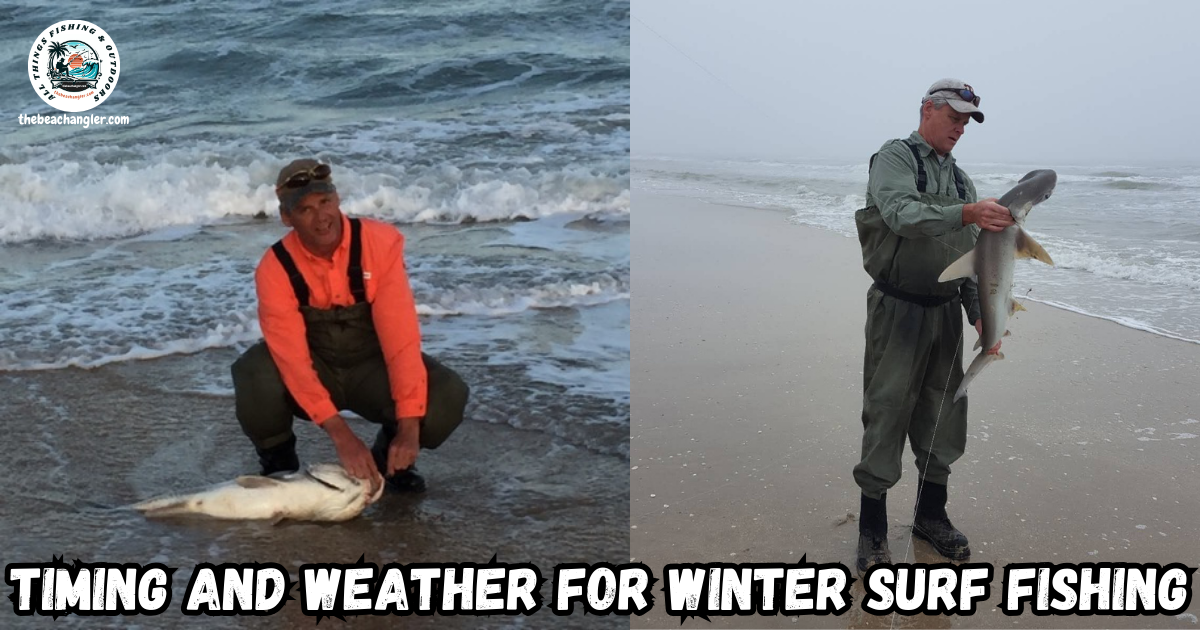
If you ask me, winter surf fishing is a challenge that rewards you for being prepared and paying close attention to your timing. Chilly air and cold water can make fishing feel less predictable, but it’s definitely possible to find success if you understand when and how weather windows play a part. I want to help break down the best timeframes and weather situations so you can pick days that give you a real shot at landing fish in the surf, even in the coldest part of the year.
QUICK LOOK: Best Weather Conditions for Winter Surf Fishing
- Light Winds: Calm or light winds are perfect, especially when they blow offshore. For me on the Texas coast, gentle west or northwest winds mean the water stays clear, my casting distance improves, and tangled, weedy conditions are less of a problem. Strong onshore winds can churn up the surf and push weeds closer to shore, making fishing more work than fun.
- Water Temperature: Most surf species slow down once water drops below the upper 50s (around 55-60°F is the range where I’ve had the best luck). Even a slight warming trend can give a boost, so I look for areas that get midday sun or where there’s darker sand, rocks, or channels that may hold just a couple degrees more warmth.
- Sunlight: On bright, calm days, shallow flats and sandbars heat up a little more. Fish often slide into these areas to warm up and hunt for an easy meal. Overcast and windy days usually mean the water stays colder and fishing slows.
- Stable Barometric Pressure: When the barometric pressure holds steady or rises a bit, the action usually improves. As a storm front approaches and pressure drops, fish often feed actively ahead of the change. After the front has passed and conditions get cold and unstable, I usually give it a day or two before trying again.
How Timing Influences Your Winter Surf Fishing Success
Being in the right spot at the right time really matters when surf fishing during winter. Cold-blooded fish slow down as water temperatures drop, so their feeding activity and movement switch up with daily changes in light and warmth. In my experience, targeting the warmest, most active period of the day improves your chances of bites. Here’s how I break it down:
- Time of Day: I usually plan to be on the beach between 10 AM and 2 PM. During these hours, the sun is at its highest. Even in winter, those extra degrees of sunlight can give a boost to water temperature in the shallows. Fish often move in to feed after sluggish early morning periods.
- Tide Cycles: Paying attention to the tide schedule is one habit that has put more fish on my line. I do my best fishing during a moving tide, specifically two hours before high tide through an hour or two after it peaks. As the tide comes in, bait gets swept toward the beach, and predatory fish follow. When the tide is slack (either dead high or low), I usually find that the action really slows down.
- Moon Phases and Tidal Influence: New and full moons often bring higher than usual tidal swings. I’ve noticed that during these periods, more bait is moving, and fish seem more active. Checking a tide chart online before heading out helps me plan my session for times that line up with both sun and moving water.
Reading Weather Windows for Winter Surf Fishing
Weather changes in winter can happen quickly, and learning to read them helps you figure out when it’s worth making the trip. Stable, sunny conditions make a difference for winter surf fishing success, while big fluctuations or passing cold fronts usually slow things down. Here are a few weather markers I trust:
- Light Winds: Calm or light winds are perfect, especially when they blow offshore. For me on the Texas coast, gentle west or northwest winds mean the water stays clear, my casting distance improves, and tangled, weedy conditions are less of a problem. Strong onshore winds can churn up the surf and push weeds closer to shore, making fishing more work than fun.
- Water Temperature: Most surf species slow down once water drops below the upper 50s (around 55-60°F is the range where I’ve had the best luck). Even a slight warming trend can give a boost, so I look for areas that get midday sun or where there’s darker sand, rocks, or channels that may hold just a couple degrees more warmth.
- Sunlight: On bright, calm days, shallow flats and sandbars heat up a little more. Fish often slide into these areas to warm up and hunt for an easy meal. Overcast and windy days usually mean the water stays colder and fishing slows.
- Stable Barometric Pressure: When the barometric pressure holds steady or rises a bit, the action usually improves. As a storm front approaches and pressure drops, fish often feed actively ahead of the change. After the front has passed and conditions get cold and unstable, I usually give it a day or two before trying again.
Practical Timing Strategies and Examples
Putting these pieces together, I’ve built a simple routine. First, I check local tide charts (I use the NOAA Tides and Currents or Surfline), then I look at the weather outlook for wind direction, speed, and cloud cover.
For example, when I spot the wind is light, and the tide will be coming in between late morning and early afternoon, I know that’s my best shot. If a cold front is predicted in 24 hours, that window can produce a flurry of bites as fish sense the oncoming change.
Plus, warm afternoons after a slight warming trend can turn on the bite. When postfront conditions settle in (cold north winds, muddy water, big temperature drop), I cut my losses and focus on planning for another day. Fish often move deeper and become harder to locate during these tough windows.
Dealing with Common Challenges in Winter Surf Fishing
Winter surf fishing throws a few hurdles that aren’t as much of an issue in the summer. I’ve had days where wind, freezing spray, and even ice buildup on my rod guides put a quick end to the trip. Here’s how I adapt:
- Water Clarity and Swell: On calm days, the water often turns clear, making fishing better for many species. A little color, slightly murky water, can also work because it hides fish from predators and encourages them to move closer. However, if the water is chocolate brown and weedy, conditions are usually pretty poor. I often switch up my plans or wait for things to improve.
- Layering and Safety: Staying warm is super important. Layered clothing, a windproof shell, and insulated waterproof boots help make those long hours in the cold bearable. When water temperatures drop below 50°F, I sometimes wear an inflatable life vest, especially if I’m wading further out.
- Spotting Structure: Winter is a good time to scout beach structure since lower tides can show off cuts, holes, and seams in the sand. I take notes on these spots at low tide so I can target them when the water rises. Structure often holds both bait and predatory fish.
Advanced Tips for Maximizing Bite Windows
Once you start to get a feel for timing and weather, you can mix in a few more tricks to tip the odds your way:
Match Your Presentation to the Conditions: In cold water, I usually slow down my retrieve and pick smaller baits or even live ones if they’re available. Fish aren’t looking to chase after fast-moving or large prey, so keeping things subtle helps.
Monitor Microclimates: Sometimes, a stretch of beach near rocks, jetties, or a tidal creek outlet will have warmer water or more baitfish. Visiting a spot during the lowest tide of the day helps me locate these features before they’re submerged during the next fishing window.
Watch for Subtle Weather Trends: Even a slight bump in temperature or a quick break in persistent clouds can bring fish in for a short period. I’ve learned not to pack up too early if there’s a hint of warming sun on the horizon. Patience really pays off in winter.
Essential Comfort and Gear for Winter Surf Fishing
Dressing for the weather and bringing the right gear isn’t just about comfort; it keeps you focused on fishing instead of shivering. Here’s what works for me:
- Thermal base layers, warm hats, and wind-blocking outer shells
- Waterproof waders or insulated boots to keep feet dry and warm
- Pocket hand warmers and a thermos with a hot drink
- Backup gloves since the first pair usually gets wet
- A compact weather radio or phone with weather apps to track conditions in real time
- A folding chair for long waits and a waterproof tackle box to protect bait and gear
Having extra towels, a change of clothes in your vehicle, and snacks for extra energy can also make a real difference when fishing for hours in the cold. Being ready keeps your focus sharp and your trip fun instead of miserable.
Frequently Asked Questions About Timing and Weather for Winter Surf Fishing
When is the absolute best time to go winter surf fishing?
From what I’ve seen, the few hours on either side of midday, especially if coinciding with an incoming tide and calm, sunny weather, usually bring the most action. Consistent conditions for several days in a row often mean fish will stick to their patterns and feed predictably near the shore.
Is it worth fishing after a cold front?
I’ve found that the period before a cold front arrives is much more productive. Fish feed hard as the pressure drops. After the front passes, it can take a day or two for the bite to rebound, especially if temperatures plunge and the wind stays steady from the north. Waiting for things to settle and warm slightly really helps improve your odds again.
Does water clarity matter in winter?
For many target species, some visibility (green to slightly stained water) is ideal. Super clear water can make fish cautious, but totally muddy or weedy water almost always leads to fewer bites. Weather and popular winds play the biggest role in water clarity during the winter months.
How do I find the right spot on the beach in winter?
Arrive early and spend some time looking for structure like cuts, holes, bars, or rocky outcroppings. Even in winter, these areas gather bait and fish, especially at the peak of high tide. I use online maps in advance, and walking the beach at low tide reveals even more details you can use next time.
Why Getting the Timing and Weather Right Matters
Catching fish in the surf during winter comes down to stacking the odds in your favor. Focusing on midday windows, targeting incoming or moving tides, and picking calm, sunny, stable weather days hands you the best shot at action.
Adding in safe and warm clothing, being flexible with your schedule, and reading the water before you cast means you’ll spend less time grinding it out in tough conditions and more time enjoying real winter bites.
With experience and a little research, winter surf fishing sessions can be just as productive and fun as summer by the sea. If you stay patient and blend local knowledge with keen observation, you might even find yourself looking forward to those brisk, rewarding winter sessions every year.
Check Out Our Most Recent Articles:
- Best Surf Rods Under $150

- Targeting Tarpon In The Surf
- Secrets To Finding And Catching Snook
- 4 Tips for Targeting Striped Bass In The Surf
- Live Bait Vs Artificial Lures In The Surf
- The Reel Everyone Recommends Vs. The Reel That’s Built For Saltwater

As always, stay safe, enjoy the journey, and please try to leave it cleaner than you found it. If you have any comments, questions, ideas, or suggestions, please leave them in the comment section below, and I’ll get back to you ASAP. You can follow us on Facebook: Rex The Beach Angler, Instagram: thebeachangler7, Twitter: @AnglerBeach, and YouTube: Man Art Creations.
P.S. Thanks so much for checking out our blog; we really appreciate it. Just so you know, we may receive a commission if you click on some of the links that appear on our site. This helps us keep our content free and up-to-date for everyone. We appreciate your support!





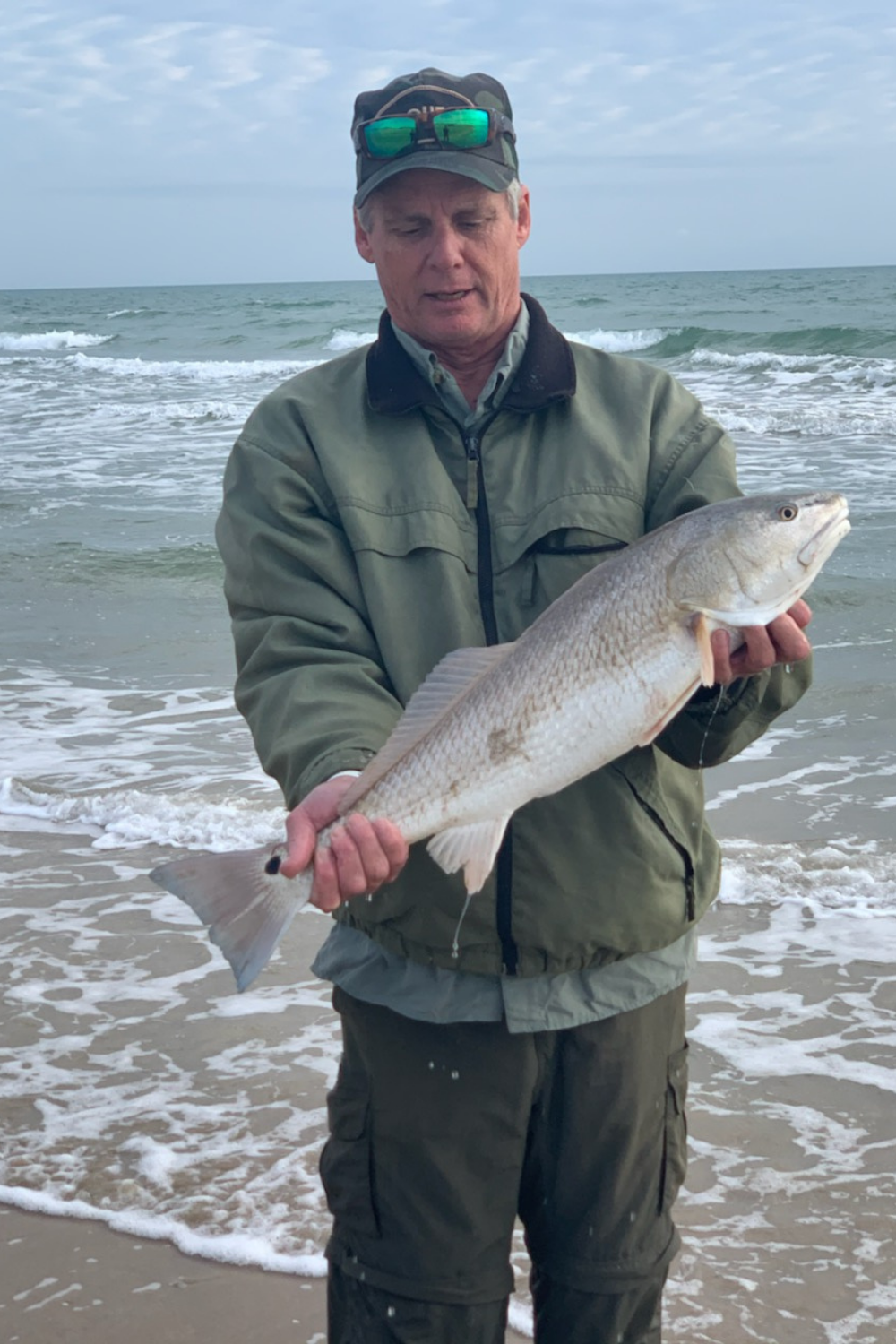
A life long surf fisherman with 50+ years of experience, I am also an avid hunter and outdoorsman. I will be sharing my passion for the outdoors with you so be prepared for hunting, fishing, camping, hiking and more. Along with gear reviews and the latest trends and innovations in the outdoor industry.