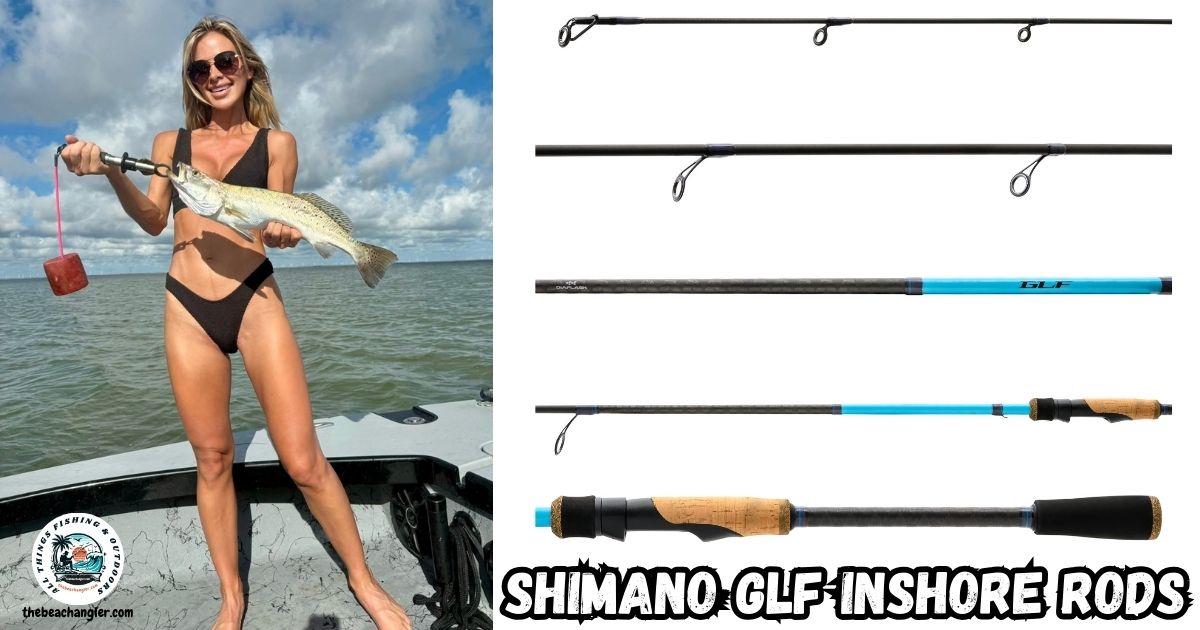
I’ve spent plenty of hours on the water with the Shimano GLF Inshore rods, so I’ll lay out my personal experience and what makes them stand out for anyone thinking about picking one up for light tackle inshore fishing. If you spend time fishing the Gulf Coast or any inshore areas, you probably want a rod that offers a good balance of sensitivity, strength, and comfortable handling. Their mix of performance, value, and ease of use genuinely makes them a top pick—let’s jump right into the details.
QUICK LOOK: Top Features of the Shimano GLF Inshore Rods
- Comfort: The split grip and custom reel seat kept my hands happy for long days. Even while repeatedly working topwater lures or making hundreds of casts, I didn’t get sore palms or callouses.
- Sensitivity: Small bites don’t go unnoticed, so you rarely miss out when trout are biting lightly.
- Casting Distance: Lightweight GLF models still toss baits farther than many competitors—no need for heavy sinkers or lures to hit those distant spots.
- Value: The tech and feel of these rods rival more expensive inshore lines, making them a great bang for the buck.
- Warranty: Shimano makes warranty claims straightforward. A buddy of mine had a rod swapped fast after a break, no hassle.
Shimano GLF Inshore Rods: Who Are They For?
Shimano GLF Inshore rods are tailored for those targeting inshore species like speckled trout, redfish, and flounder. Many Gulf Coast anglers rely on them, but they work great for saltwater or brackish areas throughout the coastal U.S.
Similar to the Daiwa Laguna series rods, the shorter butt section is practical for wading or kayak anglers who want less rod under their arm, making casting and movement easier. If you value a rod that fuses a sensitive tip with a strong backbone to handle stubborn fish, this series is definitely worth checking out.
Key Features of Shimano GLF Inshore Rods
- Sensitive Tip: The tip is soft enough to detect the slightest bite from trout or flounder, helping you react quickly before the fish drops the lure.
- DIAFLASH Construction: Shimano uses diagonally wrapped carbon tape patterns on the graphite blank. This design adds strength and keeps the rod from twisting—a real plus when fighting a bigger catch.
- Split Hybrid Grip: You get a comfortable handle made of EVA and rubber cork that feels great even after hours of use. The shorter butt helps with maneuvering in tight spots.
- Titanium Oxide Guides: I’ve noticed these guides are smooth, which helps stop line fray, and they resist saltwater corrosion far better than cheap aluminum options.
- Shimano Custom Reel Seat: This keeps your reel snugly in place for long sessions, so you don’t have to keep tightening it.
Most models use a moderate-fast action, which is crucial for landing soft-mouthed fish like speckled trout without pulling the hook. The rod series stays light, so my arm never felt worn out, even after entire mornings working topwaters or popping corks. Shimano thoughtfully engineered every part for coastal fishing—whether you are wading, in a kayak, or casting from a skiff.
Real-World Experience: What I Noticed on the Water
From my first outing with a GLF inshore rod, the high sensitivity grabbed my attention. Catching trout on soft plastics felt easy, since you sense the initial tap right away. On the rare big redfish grab, the strong butt delivered solid hooksets, even with the lighter medium model. The moderate fast action really shined for single-hook baits where you want a forgiving feel so fish don’t tear off.
During kayak trips, the short butt made rod management simple—nothing snagged on my life vest or gear. For wade fishing, the lightweight build and compact handle made it a breeze to shift spots, cast, and manage the rod without feeling awkward or getting fatigued. Some rods just feel like an extension of your arm, and this was one of them.
Why Gulf Coast Anglers Like These Rods
Plenty of anglers, myself included, appreciate the way Shimano crafted these rods around the needs of Gulf Coast fishing. For species like speckled trout, flounder, and redfish, you need both finesse and the strength to pull fish from grass beds or oyster reefs.
The moderate-fast action especially helps you keep trout buttoned up, and the construction holds up to tough saltwater conditions. Even after a season, guides stay rust-free, and the blank remains crisp. Friends of mine who fish the medium-heavy GLF point to their ability to cast farther than they were used to at this price.
That’s invaluable when schools of trout are holding just out of normal range. Some have told me that even after multiple trips in salt and brackish water, the rod maintains its feel and durability, showing why this model gets high marks among inshore fans.
Pros and Cons: What to Know Before Buying
- Comfort: The split grip and custom reel seat kept my hands happy for long days. Even while repeatedly working topwater lures or making hundreds of casts, I didn’t get sore palms or callouses.
- Sensitivity: Small bites don’t go unnoticed, so you rarely miss out when trout are biting lightly.
- Casting Distance: Lightweight GLF models still toss baits farther than many competitors—no need for heavy sinkers or lures to hit those distant spots.
- Value: The tech and feel of these rods rival more expensive inshore lines, making them a great bang for the buck.
- Warranty: Shimano makes warranty claims straightforward. A buddy of mine had a rod swapped fast after a break, no hassle.
On the flip side, here are a couple of things to watch for:
- Medium Power Durability: I’ve seen reports and heard stories of medium power rods snapping on especially hard casts. While that hasn’t happened to me, it’s something to be aware of if you like whip-fast casts.
- Grip Design: The exposed blank under the reel seat saves a little weight, though some folks don’t like the look. I didn’t mind it, but it’s a matter of taste.
How Shimano GLF Inshore Rods Compare to Other Brands
Having tried several inshore rods in the $100–$130 range, mostly from St. Croix and Daiwa, here’s how the GLF stacks up:
- St. Croix Triumph Inshore: Both are great values, but the GLF’s short butt and moderate fast action are better for wade fishing. Higher-end St. Croix has extra nice touches, but at a steeper price.
- Daiwa Back Bay: Daiwa’s rods feel a bit heavier and use different guide materials. Overall sensitivity and casting range are close, but I found the Shimano more comfortable after long periods.
- Other Options: More expensive rods give you fancier guides and lighter blanks, but for the money, the GLF performs solidly for most inshore scenarios.
Specs Overview: What You Get With the GLF Series
Specs make choosing easier. Here’s what you get in the GLF lineup:
- Blank Material: High modulus graphite, featuring Shimano’s DIAFLASH technology
- Guide Train: Titanium Oxide for longevity and smooth line flow
- Grip: Hybrid EVA and rubber cork split grip for comfort and durability
- Action: Mostly moderate to fast for a mix of sensitivity and power
- Rod Lengths: Range from 6’6” to 7’6”, so you can match your style—kayak, shore, or boat
- Target Species: Speckled trout, redfish, flounder, snook, tarpon, and even freshwater bass
For a detailed breakdown of rod powers and actions, I recommend checking Shimano’s official site or reputable retailers like TackleDirect and Academy Sports. Their listings include comparison charts so you can match just the right rod to your needs. You’ll also run into user reviews, which add a helpful perspective if you’re on the fence about a certain model.
Buying Tips and What to Look for
If you’re picking out a Shimano GLF, start by matching the rod’s power to your main target. For trout and smaller lures, medium light or medium is the way to go. After redfish, snook, or the occasional tarpon? Go medium heavy for extra backbone.
Rod length is key too—7’ and above delivers the flexibility and reach for both kayak and bank anglers. Buying in person? Check guide spacing and alignment, feel for any oddities near the ferrules, and see how your favorite reel fits in the seat so you know you’re set up right.
Don’t forget, warranty coverage is a big plus—hang onto your receipt. Also, it’s well worth rinsing your rod and guides with fresh water after saltwater adventures. That quick wipe-down has kept all my GLF rods corrosion-free season after season.
Common Questions About Shimano GLF Inshore Rods
These are some frequent questions asked by friends and other anglers, along with what I’ve found from my own fishing and time researching:
Can I use these rods for freshwater bass?
Absolutely. The GLF series is designed for saltwater, but the moderate fast action and sensitive tip work well for largemouth and smallmouth bass, especially with moving lures or spinnerbaits.
Does the rod come with a warranty?
Yes, Shimano offers a limited warranty against manufacturing defects. Their customer support has a good reputation—they replaced a friend’s broken rod quickly once he sent proof of purchase and a photo of the break.
What spinning reels work best?
I’ve liked pairing the GLF with Shimano NASCI and Sedona reels, but practically any 2500–4000 size spinning reel will balance nicely. Baitcaster fans can match with the Shimano SLX or similar-sized low-profiles, too.
Final Thoughts on the Shimano GLF Inshore Rods
Shimano GLF Inshore rods have landed a permanent spot in my fishing arsenal. They pull off an excellent balance of sensitivity with the muscle for bigger fish, and I’m always happy with the comfort and durability after scoring fish-filled days on the coast.
For anglers wanting solid inshore performance without breaking the bank, this lineup brings all the right features. Whether you fish from the shore, wade through the flats, or chase fish by kayak, the GLF series definitely deserves a spot on your shortlist.
Check Out Our Most Recent Articles:
- Best Surf Rods Under $150
- Targeting Tarpon In The Surf
- Secrets To Finding And Catching Snook
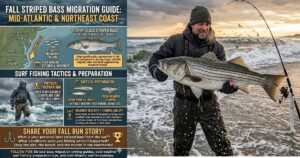
- 4 Tips for Targeting Striped Bass In The Surf
- Live Bait Vs Artificial Lures In The Surf
- The Reel Everyone Recommends Vs. The Reel That’s Built For Saltwater
As always, stay safe, enjoy the journey, and please try to leave it cleaner than you found it. If you have any comments, questions, ideas, or suggestions, please leave them in the comment section below, and I’ll get back to you ASAP. You can follow us on Facebook: Rex The Beach Angler, Instagram: thebeachangler7, Twitter: @AnglerBeach, and YouTube: Man Art Creations.
P.S. Thanks so much for checking out our blog; we really appreciate it. Just so you know, we may receive a commission if you click on some of the links that appear on our site. This helps us keep our content free and up-to-date for everyone. We appreciate your support!





A life long surf fisherman with 50+ years of experience, I am also an avid hunter and outdoorsman. I will be sharing my passion for the outdoors with you so be prepared for hunting, fishing, camping, hiking and more. Along with gear reviews and the latest trends and innovations in the outdoor industry.