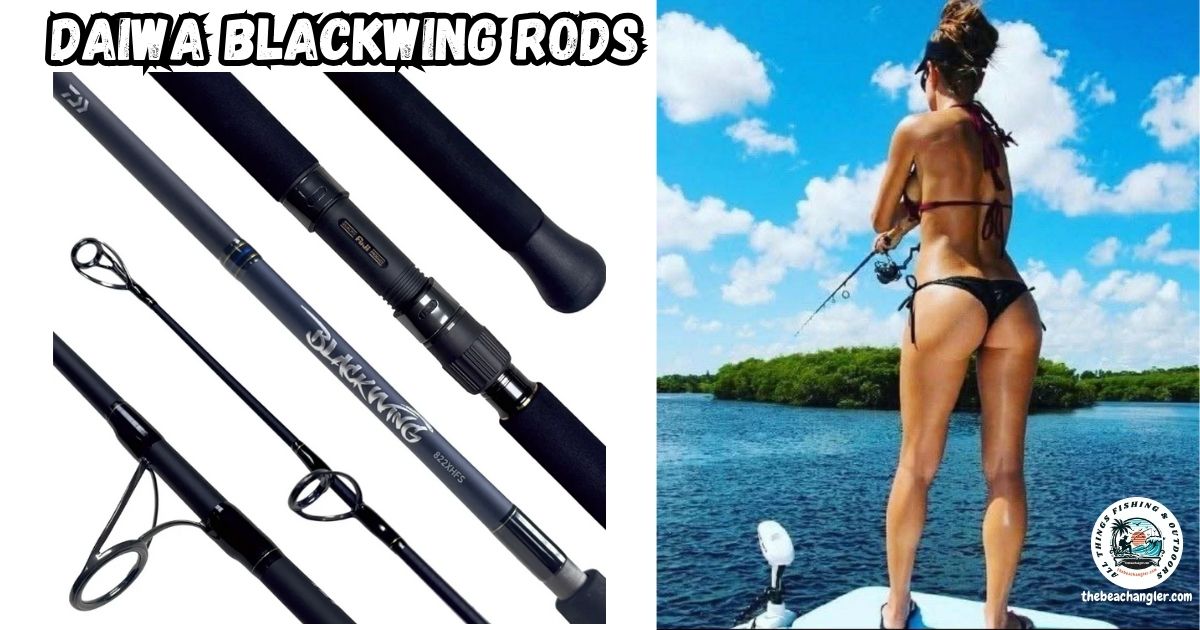
If you’re someone who loves the thrill of chasing powerful fish across open water, the Daiwa Blackwing rods are built to handle those serious offshore battles. Having spent a lot of time with fishing gear, I can say these rods combine a lightweight build with real muscle and the kind of reliability you need when you’re on a trip after surface-feeding giants.
QUICK LOOK: Top Features of Daiwa Blackwing Rods
- Strong backbone for turning large saltwater fish.
- Feels light in the hand, reducing tiredness on marathon casting days.
- Delivers excellent casting distance and accuracy with popping lures.
- Convenient twopiece travel design performs like a one-piece rod on the water.
- Premium guides and reel seats hold up to braid and hardware abuse.
- Warranty support stacks up well against other high-end rod brands.
In this article, I’m going to break down what makes the Blackwing series unique, who will benefit most from them, and what important details you should pay attention to before adding one to your fishing setup.
Key Features of Daiwa Blackwing Rods
When fishing for tuna, GT, or large yellowtail, rod technology needs to bring both strength and precision. The Daiwa Blackwing series uses some of Daiwa’s most advanced engineering to solve this. The heart of the Blackwing starts with HVF Nanoplus graphite, a material that packs a high graphite density.
I notice the blank feels noticeably lighter compared to many alternatives, yet still has the sensitivity and toughness anglers expect for hard fights. A significant part of the Blackwing’s edge is its X45 Bias graphite construction. This method wraps the blank in a 45-degree pattern, which helps control twisting and prevents the rod from losing shape under load.
Because of this, I see improved casting accuracy and more dependable hook sets, both of which matter a lot when targeting big, topwater fish. Another noticeable detail is the V-Joint Technology. Many two-piece rods can feel clunky or less responsive at the joint, but the Blackwing’s V-joint smooths out the bend, so it acts and feels like a one-piece.
This spot makes it much easier to apply consistent pressure on a big fish without worrying about a weak point where the rod separates for travel. Daiwa didn’t overlook the hardware. Most models feature Fuji SiC TangleFree guides, which handle braid nicely and reduce tangling when casting heavy lures all day.
For reel seats, options include Fuji Graphite or Daiwa’s Air Sensor design, both of which do a solid job of locking down the reel and delivering good sensitivity into your hands. The Blackwing gets a sleek, all-black finish, built to stand up to salt spray and the rough life of travel. EVA grips feel comfortable, even after long hours of casting. The 5-year limited warranty also gives peace of mind for tough trips and long-term use.
Pros & Cons of the Daiwa Blackwing Rods
After real-time use using one or two of these rods in saltwater settings, some clear strengths and potential drawbacks stand out. Here’s what I’ve found with the Daiwa Blackwing lineup:
| Pros of the Daiwa Blackwing Rods |
|---|
| Strong backbone for turning large saltwater fish. |
| Feels light in the hand, reducing tiredness on marathon casting days. |
| Delivers excellent casting distance and accuracy with popping lures. |
| Convenient twopiece travel design performs like a one-piece rod on the water. |
| Premium guides and reel seats hold up to braid and hardware abuse. |
| Warranty support stacks up well against other high-end rod brands. |
| Cons of the Daiwa Blackwing Rods |
|---|
| Some models lack a gimbal for fighting belts, which can tire you out when fighting truly giant fish. |
| Standard butt caps work for most, but dedicated fighting belt users might need an accessory. |
| Certain features (like reel seat style) vary among models, so double-check before buying. |
| These rods are premium-priced, so first-time high-end buyers should be aware of the investment. |
Who Should Use the Daiwa Blackwing?
The Blackwing is targeted towards a particular type of saltwater angler. If you spend your season targeting tuna, large trevally, amberjack, yellowtail, or trophy stripers with topwater lures, this rod is built for you. It’s made for people who demand focus and durability from their gear in tough situations, where an ordinary rod simply wouldn’t cut it.
For offshore or big inshore casters, these rods offer just the right mix of casting ability, fish-handling strength, and compact travel design. Even if you’re not a seasoned pro but want to take on heavier techniques and bigger fish, the Blackwing opens that door. I see crossover potential, especially for those who travel and want to avoid the hassle of transporting long one-piece rods by air or on long drives.
Those who are buying mainly for freshwater or smaller fish will probably be happier with something more versatile, unless they have special reasons for needing this much rod.
Best Fishing Applications
The Blackwing is built to take on massive pressure, large lures, and strong fighting ocean predators. Some favorite uses include:
- Topwater Popping: Perfect for big poppers and stickbaits aimed at bluefin, yellowfin, or GT.
- Conventional Saltwater Techniques: Ready for jigging or live bait thanks to its slow, powerful bend.
- Offshore and Coastal Fishing: Excels on trips off Southern California, Hawaii, Florida, and other hot spots for big openwater species.
One key feature is the lure weight rating (some handle up to 200g), letting you cast and work big lures with confidence. Heavier models include slower, deeper actions, helping you tame large fish without tiring your arms too fast in a drawn-out fight.
Performance and Value Compared to Other Rods
If you’re comparing the Blackwing to rods from brands like St. Croix, Shimano, or boutique Japanese makers, the blend of features at this price sticks out. The HVF Nanoplus and X45 construction creates a lighter, responsive feel while keeping enough backbone to stop big fish.
I’ve had the chance to throw and battle fish with higher-priced rods from Japan, and while some may be a tiny bit lighter or showcase fancier craftsmanship, the Blackwing measures up well for a better price.
Looking at Shimano’s offerings, a few anglers feel Shimano sometimes gets extra creative in design, but Daiwa’s build quality and practical design details help the Blackwing shine in the U.S. popping rod market. Especially when you consider its price is just below the top-shelf Japanese rods, it’s a strong pick for serious anglers.
Buying Tips and RealWorld Considerations
Careful research is your friend when picking out a rod like this. Here’s what I recommend you check before making your choice:
- Review the model numbers for lure and line ratings. Not all Blackwing rods are meant to throw giant 200g lures, so you’ll want the right match for your usual fish and favorite style.
- Double-check which reel seat and guide system your particular model uses; these items can mix it up across lengths and powers.
- If you use a fighting belt for large tuna or GT, check if your choice includes a gimbal or if you’ll need to add one.
- Think about your travel and rod storage routine before settling on a length, especially if you fly regularly with your gear.
I also suggest reading reviews from seasoned anglers when you need to figure out which Blackwing model fits your water and the rest of your fishing gear. Check out angler forums and specialized tackle dealers for the most detailed opinions.
Frequently Asked Questions
Are Daiwa Blackwing rods only for saltwater fishing?
The Blackwing is designed for tough saltwater use. While they can be more than you need for freshwater, some anglers chasing big catfish or pike might put them to good use. Most of the time, though, they’re built for boat-based, offshore fishing.
How do I pick the right length and power?
Make your choice based on the usual lure weight, fish species, and your main fishing technique. Shorter rods offer more control over hard-pulling fish, while longer ones boost casting for topwater. Pick the power rating that fits your line strength and the lure size you mostly use.
Does the two-piece design affect performance?
Daiwa’s V-joint makes a big difference, allowing these rods to perform close to a one-piece model. There’s hardly any dead spot, and most anglers say there’s no real loss in action or power in use.
Final Thoughts on Daiwa Blackwing Rods
Finding a rod series that blends performance, dependability, and travel-friendliness like the Daiwa Blackwing does can really open up new types of trips and targets for anglers. I highly suggest testing a rod in person if you can or talking to a reliable dealer before buying. Blackwing rods are a smart investment for anyone looking to take on challenging saltwater fishing with gear that’s made for the task.
As always, stay safe, enjoy the journey, and please try to leave it cleaner than you found it. If you have any comments, questions, ideas, or suggestions, please leave them in the comment section below, and I’ll get back to you ASAP. You can follow us on Facebook: Rex The Beach Angler, Instagram: thebeachangler7, Twitter: @AnglerBeach, and YouTube: Man Art Creations.
Check Out Our Most Recent Articles:
- Best Surf Rods Under $150

- Targeting Tarpon In The Surf
- Secrets To Finding And Catching Snook

- 4 Tips for Targeting Striped Bass In The Surf
- Live Bait Vs Artificial Lures In The Surf
- The Reel Everyone Recommends Vs. The Reel That’s Built For Saltwater
P.S. Thanks so much for checking out our blog; we really appreciate it. Just so you know, we may receive a commission if you click on some of the links that appear on our site. This helps us keep our content free and up-to-date for everyone. We appreciate your support!





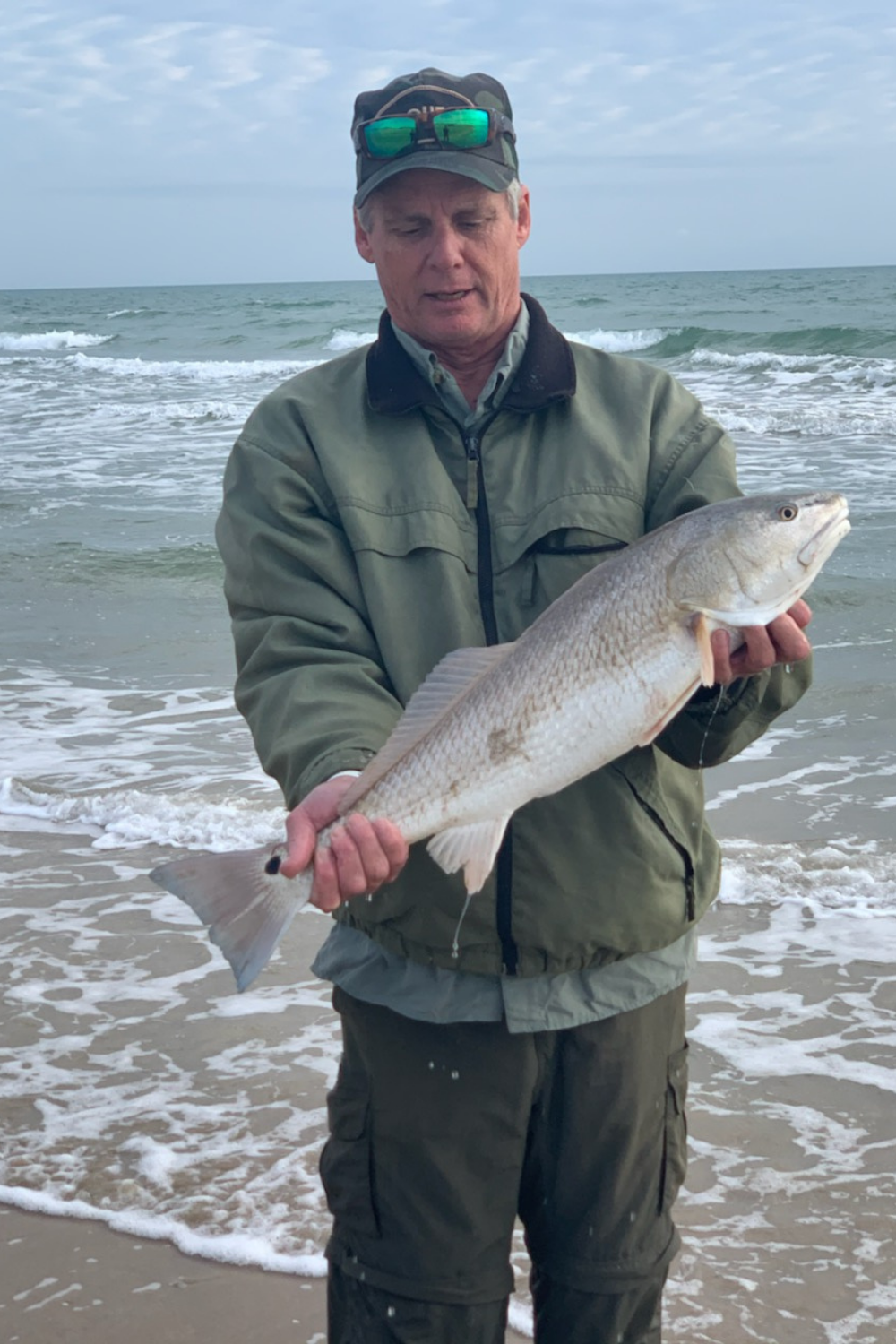
A life long surf fisherman with 50+ years of experience, I am also an avid hunter and outdoorsman. I will be sharing my passion for the outdoors with you so be prepared for hunting, fishing, camping, hiking and more. Along with gear reviews and the latest trends and innovations in the outdoor industry.