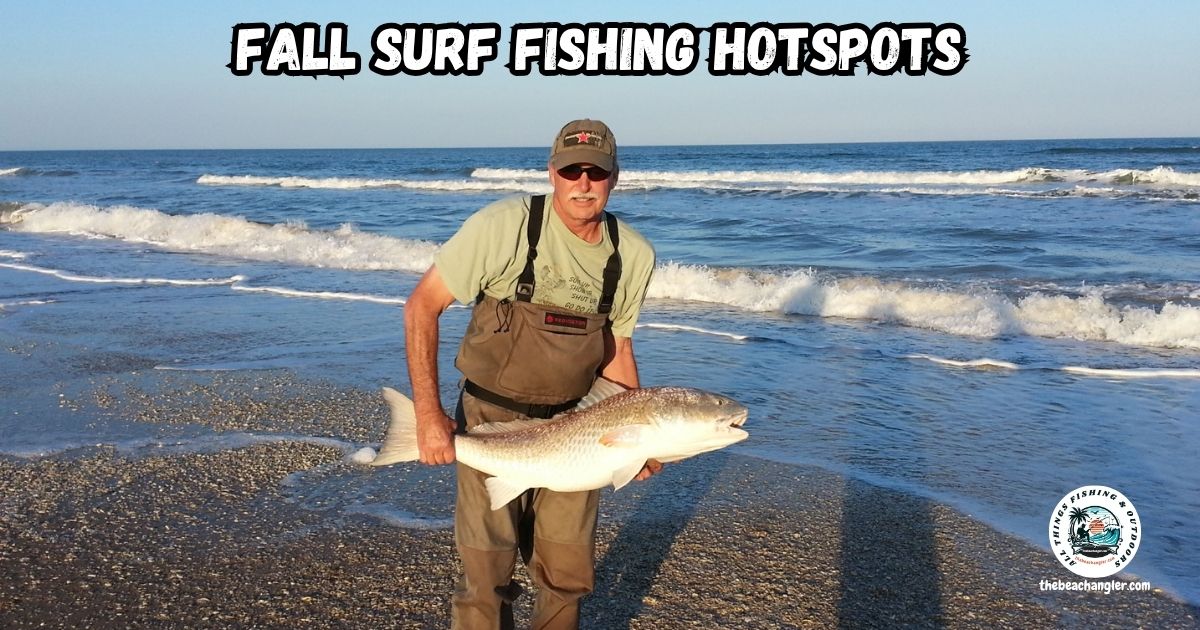
Fall surf fishing brings an exciting mix of active fish species and cooler, comfortable days on the beach. This time of year is my favorite for catching bigger fish with fewer crowds, and I always look forward to checking out different hotspots during the fall runs. If you’re interested in trying new locations or want practical tips to improve your fishing, I’m sharing my guide to top fall surf fishing locations and what makes them worth visiting.
QUICK LOOK: What to Look for in a Fall Surf Fishing Spot
- Structure: Natural features like troughs, jetties, dropoffs, breakwaters, entrances, and sand points concentrate fish. I always look for cuts and holes where fish can hide and bait accumulates.
- Baitfish Activity: If birds are diving or baitfish schools are breaking the surface, I know predatory fish are likely nearby. A sudden change in water color often means that bait and predators are moving through.
- Tides and Currents: I’ve caught more fish during moving tides, either rising or falling, than at slack water. Surf fishing during these times puts your bait right in the path of feeding fish.
- Water Temperature: Fish like striped bass and red drum prefer cooler water during fall migrations. Bringing a small thermometer helps me pick the best days for active feeding.
- Scouting at Low Tide: I like to visit new beaches before or during low tide to check for holes, cuts, or troughs. These features become your target areas once the tide moves back in.
- Fresh Bait: Harvesting sand fleas, ghost shrimp, or fresh mullet right from the beach often turns a slow day into a productive one.
Best Fall Surf Fishing Hotspots Across the U.S.
I’ve found that the best way to catch more fish in the fall is to focus on proven fall surf fishing destinations. Each region offers a unique experience and a variety of species. Here’s an overview of some of the top spots, based on my experiences and what other anglers regularly report.
Northeast Atlantic Coast
The Northeast is known for dramatic fall fishing runs, especially for striped bass and bluefish. When I plan a fall trip up north, these are always on my shortlist:
- Cape Cod, Massachusetts: The outer beaches and bays are popular during fall. Striped bass and bluefish chase baitfish close to shore before heading south. The surf action here can be non-stop, especially around the Wellfleet and Truro beaches.
- Montauk, New York: Called the “Surf Fishing Capital of the World” for good reason. I’ve seen anglers line up along rocky outcrops and sandy shores hoping for trophy stripers during the fall migration.
- Long Island, New York: Places like Jamaica Bay and Cedar Beach attract bass and bluefish as they cruise the coastline. Night sessions here are particularly productive in October and November.
Mid-Atlantic and Chesapeake Bay
Each fall, striped bass and bluefish start to stack up along the beaches and deeper waters of the Mid-Atlantic. If you’re roadtripping or live in this region, these are worth checking out:
- Chesapeake Bay, Maryland: I try to visit during “Rocktober” for the striped bass run. The surf along bay points and bridges can produce action all day when bass, bluefish, and perch are moving deeper.
- Beach Plum Island and Cape Henlopen State Park, Delaware: These beaches see concentrations of migrating fish, and I’ve had success here using both bait and lures in the surf zone.
Southeast Coast and Gulf of Mexico
The southern coast offers a wider mix of targets. As the water cools, red drum, speckled trout, and bluefish become more active and are easier to catch from the shore.
- Outer Banks, North Carolina: This stretch is legendary for trophy red drum. When the mullet run peaks, nearly every cast can attract a strike from drum or bluefish.
- Charleston Harbor, South Carolina: In the fall, I look for both inshore and nearshore species, including trout, grouper, and snapper. The surf around the harbor mouth gets especially active during baitfish migrations.
- Clearwater, Florida, and the Florida Keys: I often hear about Spanish mackerel, cobia, and snook being caught right from the surf. The Florida Keys are a different world, where I’ve caught tarpon and permit within casting distance of the shore.
- Venice, Louisiana: One of my favorite spots for targeting redfish, speckled trout, and even yellowfin tuna in the deeper surf, especially during the cooler months.
Texas Gulf Coast
Texas beaches provide long stretches of public access, strong fall species runs, and friendly weather. When I’m planning a Texas trip, these places deliver:
- South Padre Island: Known for its tarpon, but in fall the surf zone fills up with redfish, speckled trout, and even flounder.
- Port Aransas and Baffin Bay: South Jetty in Port Aransas can be crowded, but the fishing is reliable. Baffin Bay offers a remote feel, and I’ve found some of my best fall action here for trophy trout and redfish.
- North Packery Channel Jetty and Rockport: These jetties and piers near Corpus Christi give anglers a shot at a variety of species, and the area’s protected beaches can be fished well in early fall.
- Gulf Shores, Alabama: This stretch is great for a fall mix of pompano, redfish, and bluefish, especially near structure like piers and inlets.
West Coast Locations
If you’re heading to the Pacific, the action can be just as good, especially as water temperatures start to drop. Some of my recommended spots include:
- San Diego, California: The start of the bottom fishing season in October brings yellowfin tuna and halibut closer to shore. Fishing the surf often turns up surfperch and occasional halibut near rocky points.
- Southern California Beaches: I’ve had fun catching yellowtail, bonito, and calico bass from locations like Aliso Creek and San Onofre State Beach. Blacks Beach is also good for spotting activity, especially when the surf is moving.
Top Features to Look for in a Fall Surf Fishing Spot
Choosing the right location makes a bigger difference in the fall than at any other time. After years of fishing, I pay close attention to these elements whenever scouting or returning to my favorite beaches:
- Structure: Natural features like troughs, jetties, dropoffs, breakwaters, entrances, and sand points concentrate fish. I always look for cuts and holes where fish can hide and bait accumulates.
- Baitfish Activity: If birds are diving or baitfish schools are breaking the surface, I know predatory fish are likely nearby. A sudden change in water color often means that bait and predators are moving through.
- Tides and Currents: I’ve caught more fish during moving tides, either rising or falling, than at slack water. Surf fishing during these times puts your bait right in the path of feeding fish.
- Water Temperature: Fish like striped bass and red drum prefer cooler water during fall migrations. Bringing a small thermometer helps me pick the best days for active feeding.
- Scouting at Low Tide: I like to visit new beaches before or during low tide to check for holes, cuts, or troughs. These features become your target areas once the tide moves back in.
- Fresh Bait: Harvesting sand fleas, ghost shrimp, or fresh mullet right from the beach often turns a slow day into a productive one.
How to Prepare for a Successful Fall Surf Fishing Trip
My fall surf fishing success often depends on how much preparation I do before heading out. Here’s a checklist I use at the start of every fall season:
- Research the Area: Checking local fishing reports and forums helps track down when the runs start and which areas are producing.
- Check Weather and Tides: Fall fronts can change conditions quickly. I always bring gear for both warm and cool days, and try to line up my fishing with incoming or outgoing tides.
- Pack Versatile Gear: A mix of rods and rigs lets me adjust quickly if conditions change or different fish show up.
- Get Licenses and Permits: State rules and permit requirements sometimes change in the fall, so I double-check before planning a weekend.
- Scout for Access Points: Some beaches limit vehicle access in fall and winter. I look up public parking, walking trails, and shuttle options so I don’t waste prime fishing time driving around.
Being thorough in planning keeps me safer, more comfortable, and more likely to go home with a few great fish stories.
Common Questions About Fall Surf Fishing Hotspots
Every time a new season starts, I hear similar questions about how and where to surf fish in the fall. Here are a few I get the most:
Can I catch big fish from the surf in the fall?
Yes. Fall is prime time for large striped bass, red drum, and multiple other species to move into the surf. Many anglers land trophy fish at this time thanks to the annual migration and active feeding.
What bait works best in the fall?
I rely on fresh bait whenever possible. Mullet, sand fleas, ghost shrimp, and cut baitfish are my top choices. Synthetic baits like Fishbites and FishGum are good options when fresh bait is scarce. Artificial lures like bucktails and soft plastics also work well around structure or in heavy surf.
Is fishing during the day or at night better in the fall?
I’ve caught fish at both times, but night or early morning hours are often more productive for larger, wary fish, especially in high-traffic areas. Adjust according to tides and the specific species you’re targeting.
Extra Tips for Making Your Trip Count
Of all the things I’ve picked up over the years as a fall surf angler, these tips stand out for helping turn a good trip into one I remember for months:
- Move around and don’t stick to one spot if nothing is biting. Covering more ground often uncovers hungry fish.
- Talk with local anglers and tackle shop staff to pick up last-minute advice on where fish have been running.
- Bring a headlamp and waders for night sessions or colder days.
- Stay safe by being aware of tides, tricky surf conditions, and weather changes.
- Take notes after each trip about what worked, the condition of the beach, and any structure you spotted. Over time, these notes help you spot patterns and time future trips better.
- Consider bringing multiple types of rigs, such as fishfinders and high-low setups, to be ready for different surf and species conditions.
Fall surf fishing is more than just catching fish. It’s about enjoying beautiful coastlines, sharing time with friends, and making the most of the season while the fish are biting their best.
Check Out Our Most Recent Articles:
- Seviin GW Series Spinning Reels
- New Mirrolure Chameleon Series Lures
- Field-testing The Quantum Benchmark Spinning Reel
- Z-man Swag Lt Swimbait
- Kastking Kapstan Se Saltwater Spinning Reel
- The Daiwa Crosscast Surf Reel
As always, stay safe, enjoy the journey, and please try to leave it cleaner than you found it. If you have any comments, questions, ideas, or suggestions, please leave them in the comment section below, and I’ll get back to you ASAP. You can follow us on Facebook: Rex The Beach Angler, Instagram: thebeachangler7, Twitter: @AnglerBeach, and YouTube: Man Art Creations.
P.S. Thanks so much for checking out our blog; we really appreciate it. Just so you know, we may receive a commission if you click on some of the links that appear on our site. This helps us keep our content free and up-to-date for everyone. We appreciate your support!





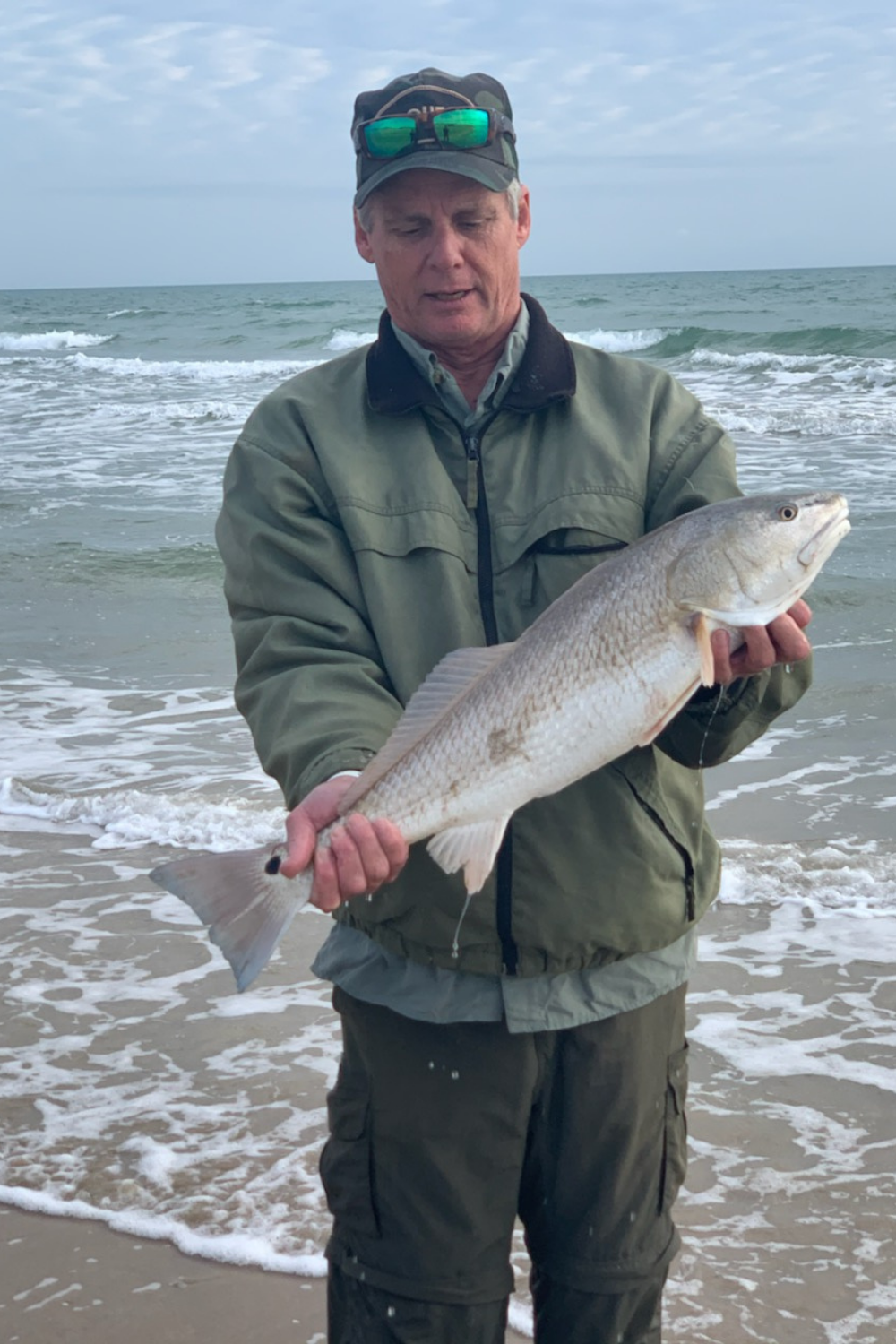
A life long surf fisherman with 50+ years of experience, I am also an avid hunter and outdoorsman. I will be sharing my passion for the outdoors with you so be prepared for hunting, fishing, camping, hiking and more. Along with gear reviews and the latest trends and innovations in the outdoor industry.