Learning fish behavior has made a huge difference in the way I approach fishing trips. Once I started paying closer attention to how fish sense their world, where they travel, what makes them feed, and how they react to changes, my time on the water became both more productive and enjoyable. Predicting fish actions turns fishing from a guessing game into a satisfying puzzle. Research and countless angler stories support this: understanding fish behavior actually shapes your results.
QUICK LOOK: Tips for Reading Fish Behavior
- Target areas where bait is active but looks nervous, such as jumping, darting, or huddling near structure. This usually means predators are close.
- Use current and wind direction to zero in on spots where predators can pin baitfish with little effort. Points, shorelines with wind blowing in, and creek mouths are classic hotspots.
- Change retrieve speed as the weather shifts—slow things down in cold water, speed up when it’s warm. Adapting to fish activity levels keeps them biting.
- Approach quietly. Leaving the engine off, paddling, or drifting quietly into position boosts your odds of finding active fish without spooking them.
- Switch lure size or color if fish chase but refuse to strike. Sometimes all it takes is a little tweak to turn a looker into a biter.
Foundations of Fish Behavior
Fish don’t act randomly. How they move, feed, and respond comes down to centuries of adaptation. Every fishing decision, from lure choice to location, can work better when I consider these behavioral basics. This approach is especially effective for anglers who want fewer empty casts and more consistent catches.
The more I learn about fish biology and habits, the easier it becomes to decode what’s happening under the surface. Research in behavioral science and field studies both show that fish behavior is predictable in certain ways.
Seasonal changes, weather events, and the daily rhythm of sun and moon work together to influence when and where fish are likely to eat. That’s why, for me, reading the water is as important as knowing what’s in my tackle box. When you check out how fish respond to local factors, you can make much smarter calls throughout your adventure.
Key Factors That Shape Fish Behavior
Fish have their own “senses” that guide how they interact with the world. If you want to improve your catch, focusing on these factors really pays off:
- Vision: Fish see differently from people. Water clarity, light penetration, and even the colors that reach different depths all affect how well fish see baits. Bright, flashy lures work in muddy water, while natural colors shine in clear conditions.
- Lateral Line (Vibration Sensing): This system helps fish detect movement and vibrations. Swimbaits, rattletraps, and even quiet retrieves can be adjusted to change the vibrations fish pick up. This is especially important in low-visibility water.
- Smell: Some species, like catfish or black drum, rely heavily on smell. Scented baits or positioning baits downcurrent helps the scent reach fish and draw them in.
Field research confirms that small changes in how you present a lure to these senses can be the difference between a strike and a missed chance. I’ve had days where switching from a non-scented to a scented bait suddenly got fish biting again, especially with fish like drum who use smell to feed in murky water.
Location, Movement, and Feeding Patterns
Fish are motivated by a need for food, shelter, and energy conservation. These needs make their movements more understandable, and, for anglers, more predictable.
- Food: Wherever baitfish, shrimp, or insects gather, predator fish won’t be far behind. Fish often stack in currents, creek mouths, or around structure where food comes to them. Sharp changes in the environment, like a sudden drop-off or a patch of weedbed, create ambush points.
- Shelter: Weeds, rocks, drop-offs, and submerged logs all serve as protection from predators and as ambush points for unsuspecting prey. I’ve found that focusing on these structures cuts down wasted effort.
- Rest/Energy: Fish try to rest in areas with a gentle current or slack water to avoid wasting energy. In rivers, slower pools or eddies are hotspots for species like bass and trout that don’t want to fight the main flow all day.
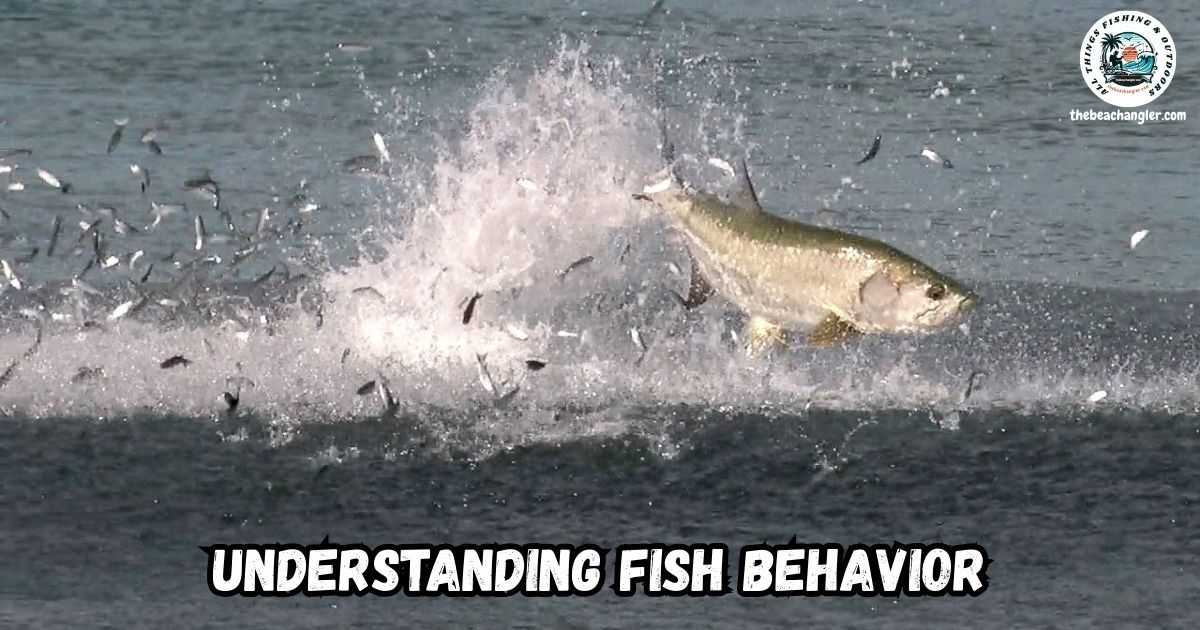
One thing I always watch for is the movement of bait. Nervous baitfish skipping across the surface or pushed tight to grass lines is a giveaway that predator fish are close by.
Studies on fish movement support the idea that their feeding activity is tied to predictable windows: dawn, dusk, tidal changes, moon phase, and water temperature swings. When I plan trips around these peak times, my results are much better. Even in lakes and ponds, fish often set up along the same types of structures at the same times.
Environmental Cues and How Fish Respond
Fish behavior is shaped by their surroundings, and certain changes will spark feeding or cause them to stop biting. Knowing how to spot these cues can give me a big advantage out there.
- Water Temperature: Colder water slows down fish metabolism, so you’ll want to use slower retrieves and smaller baits. Warmer water speeds things up, making fish more active and sometimes more aggressive.
- Tide and Current: For coastal or tidal waters, tide changes can trigger heavy feeding. Incoming tides tend to pull baitfish into areas where gamefish await, especially near marsh edges or cuts.
- Light Levels: Overcast skies, early morning, and dusk make fish more comfortable leaving cover to feed. On bright, clear days, fish will often tuck under grass, docks, or go deeper to avoid predators and excessive light.
- Barometric Pressure: Fish tend to feed more before a front moves in, especially as pressure drops. After a front, they often become sluggish or retreat to deeper water, so your presentation should slow down to match their mood.
- Wind: Wind-driven waves can concentrate plankton and bait along certain shorelines. Predatory fish often key in on these areas since all the food has been pushed close together.
Adjusting tactics based on these cues is backed up by angling research, and in my experience, it keeps me a step ahead of changes in fish activity. For example, fishing midday in the heat might mean finding deeper holes, while a prefrontal morning session can bring explosive topwater action.
Behavioral Triggers That Make Fish Strike
Fish respond instinctively to certain movements or actions, even when they’re highly pressured or have seen lots of lures. Recognizing and putting these triggers to work can transform slow days into ones you’ll never forget.
- Sudden Movement: A sharp twitch or burst of speed from your bait mimics a fleeing baitfish and can provoke reaction strikes. Fish are sometimes hardwired to attack what looks like it’s getting away.
- Stopping and Starting: Pauses during the retrieve often give the following fish a reason to commit. When something suddenly stops, it appears wounded and vulnerable, giving predators an easy target.
- Matching the Hatch: Using lures that closely mimic the size and color of local food sources gives fish more confidence to strike. In many fisheries, local insect and baitfish cycles really determine what’s hot.
- Stealth: Quiet approaches are key, especially in shallow or ultra-clear water. I’ve noticed wading or drifting in a kayak produces more hookups than anything noisy. Fish are quick to pick up on threats in these situations.
Scientific studies confirm that these tactics match how fish respond to real prey encounters. Whenever I notice fish following but not biting, I change my retrieve to include some stops or quick darts, or I swap out lure colors until I get a response. Small details can make a big difference.
Frequently Asked Questions About Fish Behavior
Here are some common things I get asked by other anglers who want to better track down fish behavior:
How do I know what fish are feeding on?
Look for what’s present in the area—baitfish, shrimp, insects, or crabs. Check stomach contents (if keeping fish) or observe what prey is being chased. Matching your bait or lure to these food sources usually gets more bites.
What should I do when fish are following but not biting?
Try adding pauses, speeding up, switching lure colors, or using smaller baits. Sometimes fish just need a behavioral trigger to commit, and these small changes can make all the difference.
Does fishing pressure affect fish behavior?
Yes, heavily pressured waters often make fish more wary. Downsizing tackle, using more natural presentations, and being extra stealthy are important in these situations if you want more strikes.
Applying Fish Behavior Knowledge to Real Situations
The more specific I get about the fish I’m after, the more I can put behavior insights to work. Some examples from popular inshore targets include:
- Redfish: Tailing redfish on shallow flats signals active feeding. Following subtle wakes or muddy puffs gives away their path and helps you set up for a targeted cast.
- Speckled Trout: These fish often gather along dropoffs or in deeper potholes when the water cools. Casting to these spots at sunrise or as tides drain out consistently yields more bites.
- Flounder: Ambush points, like drains, sandy transitions, or along dock pilings, are perfect for flounder. Slow, bottom-hugging retrieves often get picked up by a waiting fish.
- Black Drum: More eager for scent than visual triggers, using shrimp or crab baits in current areas can draw in these targets. Black drum feed by rooting around the bottom, so natural scents excel here.
Once I quit casting blindly and started searching for behavioral clues, my hookup rates improved dramatically. Instead of covering random water, I focus on where fish should be, especially where food, cover, and the right environmental cues combine to draw them in.
Practical Tips for Reading Fish Behavior on the Water
Turning knowledge into action produces results you can measure. Here’s how I put behavioral understanding to work on every trip:
- Target areas where bait is active but looks nervous, such as jumping, darting, or huddling near structure. This usually means predators are close.
- Use current and wind direction to zero in on spots where predators can pin baitfish with little effort. Points, shorelines with wind blowing in, and creek mouths are classic hotspots.
- Change retrieve speed as the weather shifts—slow things down in cold water, speed up when it’s warm. Adapting to fish activity levels keeps them biting.
- Approach quietly. Leaving the engine off, paddling, or drifting quietly into position boosts your odds of finding active fish without spooking them.
- Switch lure size or color if fish chase but refuse to strike. Sometimes all it takes is a little tweak to turn a looker into a biter.
All these tweaks are rooted in how fish experience their environment and are backed up by scientific studies and firsthand stories from seasoned anglers. Every time I make these small adjustments, I get reminders of how closely fish behavior links to success on the water.
Helpful Gear and Tools for Behavioral Fishing
A few gear choices can help you read or make the most of fish behavior more easily:
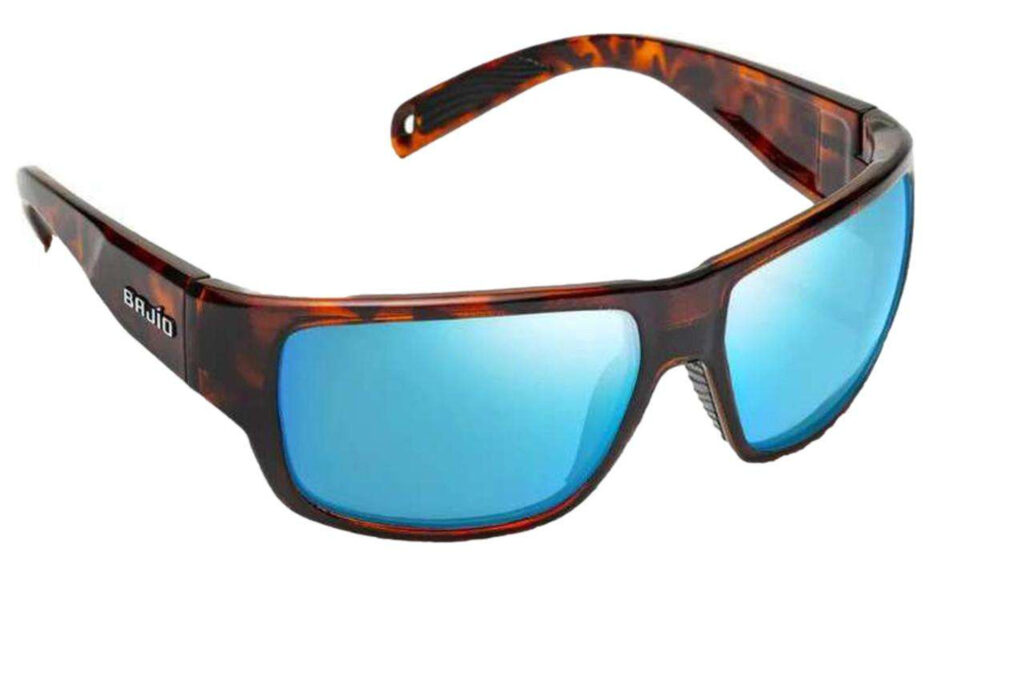
- Polarized Sunglasses: These reduce surface glare so you can spot fish, bait, and features underneath more clearly than with regular shades. This lets you ‘see’ the action before anything hits your lure.
- Quality Electronics: Fish finders or depth sounders give clues about underwater structure and bait concentrations. This info helps you spend more time where fish are likely to be hanging out.
- Quiet Boats or Kayaks: Less disturbance means you often get closer to actively feeding fish, especially in pressured or clear waters. A soft approach always works in your favor.
- Thermometers and Barometers: Monitoring weather can tip you off to activity changes before fish reveal themselves. Tracking temperature swings and pressure drops can make trip timing a lot more precise.
- Scented Lures: Especially useful in stained water or when targeting species that hunt by smell. Some days, scent makes all the difference in turning sniffers into biters.
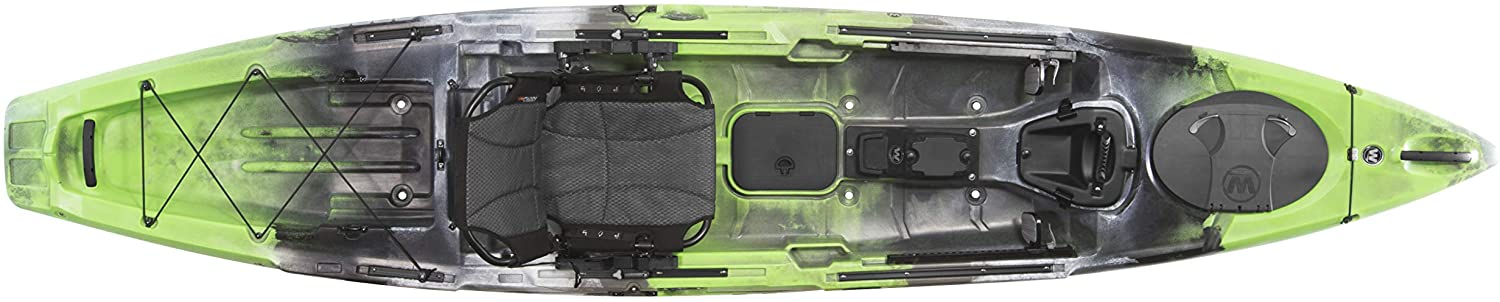
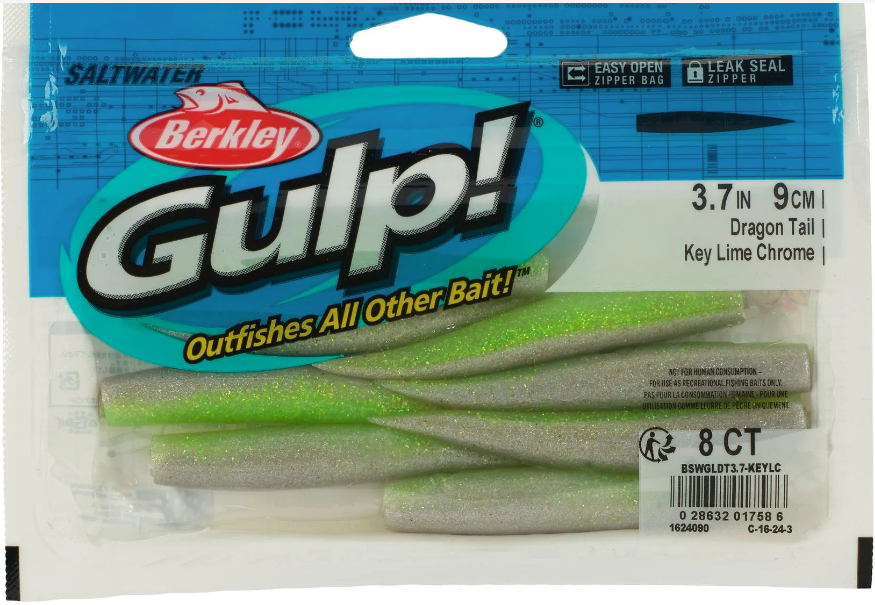
Adding these tools to your kit supports the behavioral observations you make each day, making your experience less about trial and error and more about reading what’s really happening.
Building Confidence in Fishing Through Behavior Observations
Making sense of fish behavior is what turned my fishing from hit-or-miss into a sport where every cast has purpose. Understanding how fish use their senses, why they gather in certain spots, and what gets them to bite is the clearest way to improve results. For me, fishing became a lot more fun when I started reading behavior and adjusting, rather than hoping for luck.
Try paying closer attention to the signals the fish, bait, and environment are giving you next time you’re on the water. With a bit of practice, these skills become second nature, and fish become easier to find and catch. The more you practice reading fish behavior, the more confident and effective you’ll become on every fishing adventure.
Check Out Our Most Recent Articles:
- Best Surf Rods Under $150

- Targeting Tarpon In The Surf
- Secrets To Finding And Catching Snook
- 4 Tips for Targeting Striped Bass In The Surf
- Live Bait Vs Artificial Lures In The Surf

- The Reel Everyone Recommends Vs. The Reel That’s Built For Saltwater
As always, stay safe, enjoy the journey, and please try to leave it cleaner than you found it. If you have any comments, questions, ideas, or suggestions, please leave them in the comment section below, and I’ll get back to you ASAP. You can follow us on Facebook: Rex The Beach Angler, Instagram: thebeachangler7, Twitter: @AnglerBeach, and YouTube: Man Art Creations.
P.S. Thanks so much for checking out our blog; we really appreciate it. Just so you know, we may receive a commission if you click on some of the links that appear on our site. This helps us keep our content free and up-to-date for everyone. We appreciate your support!





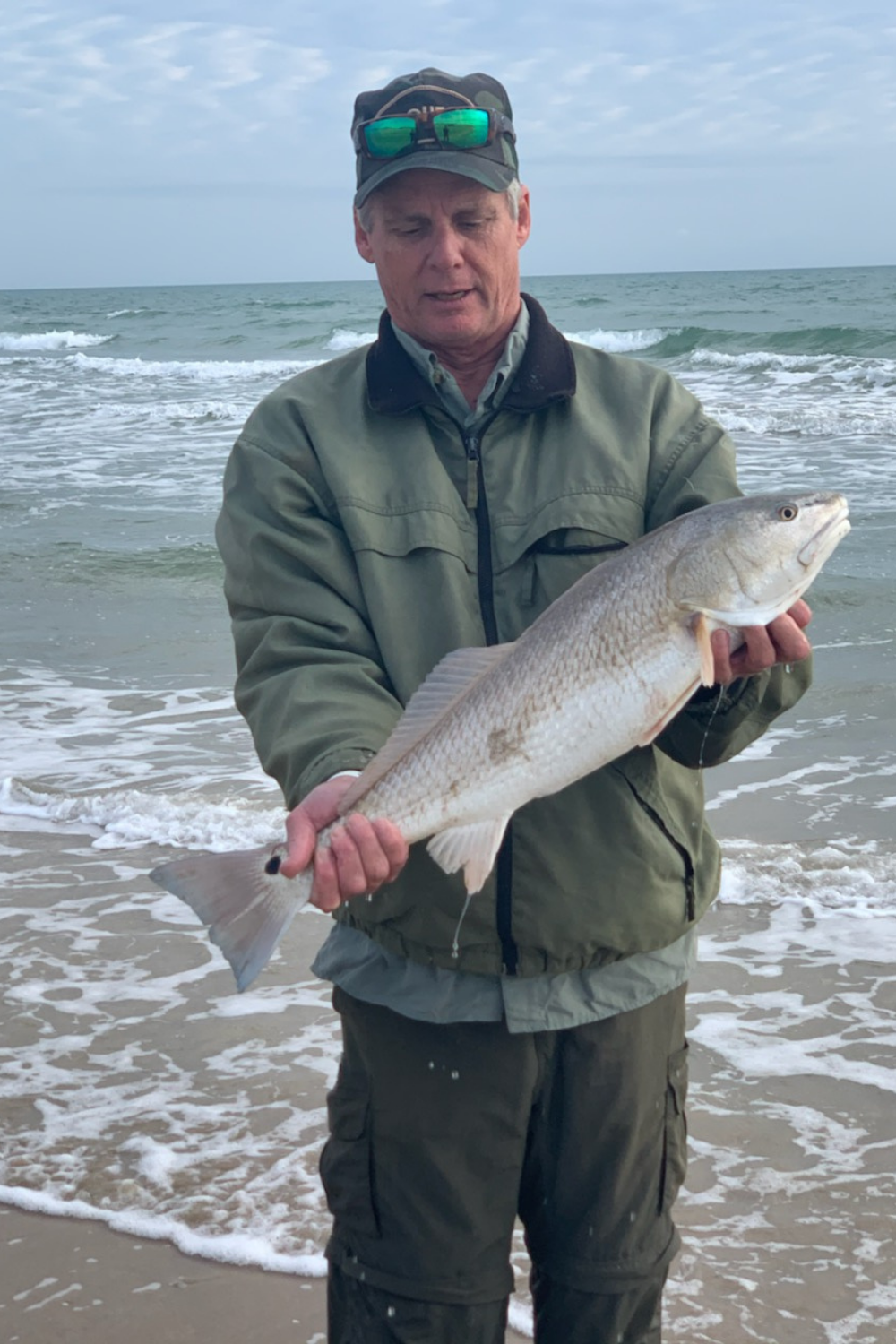
A life long surf fisherman with 50+ years of experience, I am also an avid hunter and outdoorsman. I will be sharing my passion for the outdoors with you so be prepared for hunting, fishing, camping, hiking and more. Along with gear reviews and the latest trends and innovations in the outdoor industry.