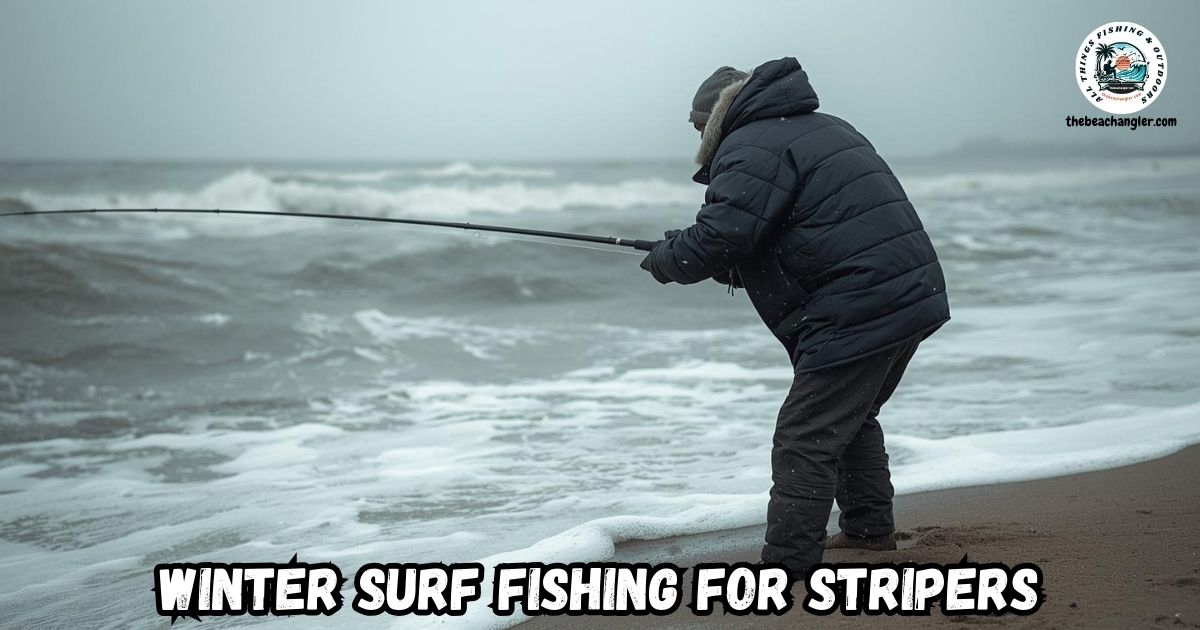
Winter surf fishing for striped bass, or stripers, has become one of my favorite ways to get outdoors when it’s cold. In the colder months, chasing stripers along the beach brings unique challenges compared to the summer runs, but it also offers a quieter shoreline and some surprisingly good action.
QUICK LOOK: Winter Surf Fishing Tips for Stripers
- Slow Retrieve: Stripers save energy in winter. I slow down my retrieves much more than in the warmer months. Moving lures just fast enough to keep them off the bottom, with subtle twitches, can make a big difference.
- Feel the Bottom: Letting the lure tap the bottom helps me identify bottom changes, like going from mud to rocks. Stripers often hang on the edge where two bottom types meet. I take my time working lures along these spots.
- Match the Hatch: Downsizing lures is the quickest way I can copy winter forage. If I notice sand eels or other bait in the surf, I’m quick to swap to a lure that’s the same size and shape.
- Work Close to Shore: Some of my best winter stripers have hit within just 30 or 40 feet of the sand. I always make a few short casts before going for distance.
- Scouting for the Right Spot: I use apps like Navionics to find promising structure, but walking the beach at low tide and looking for deep bowls, cuts, or current shifts is still my favorite way to get to know a spot.
- Use Teasers: Rigging a small teaser 12–18 inches above my main lure has helped on tough days. Winter stripers often hit the smaller offering first. Sometimes, almost all my hits come on the teaser, especially when the baitfish are tiny.
- Pick Calm Days: Wind and rough water push stripers into deeper, protected spots. I always check the forecast and pick west wind or calm days when the surf cleans up.
- Stay Mobile: When things change, moving to a new stretch of beach or swapping from rocks to an inlet can pay off. I don’t spend too long in one spot if nothing is happening.
- Log Your Trips: Keeping a fishing log of tides, conditions, and what worked has taught me more than any online article. Looking back over several winters, I spot patterns that help me decide where to go next time.
Cold weather pushes most baitfish out, but there are always some “holdover” stripers that linger along the coast. Focusing your efforts on deeper holes, structures, and carefully watching water temperature makes winter surf fishing a whole new fishing adventure.
Understanding Winter Striper Behavior
During winter, stripers slow down and gather where the conditions are most comfortable. Most of the migrating population heads south, but holdover stripers remain in local estuaries, bays, and stretches of coast. These fish look for water just a little warmer than the open surf. They often group up in deeper holes near rocks or jetties where the currents provide enough food and cover.
The drop in temperature changes their feeding habits. Instead of chasing quick meals, stripers become much more careful about how they bite and what they eat. By understanding these habits, I’m able to target them far more effectively, even on frigid days.
Where and When to Find Winter Stripers
Finding stripers in winter comes down to three main ingredients: depth, structure, and food. My first step is always scouting for deeper holes, bowls, or drop-offs right near the shore. These areas hold heat better than shallow flats and tend to collect fish.
- Deeper Water and Structure: I focus on spots such as jetties, rock piles, and the mouth of estuaries. Rocky zones or the edges of channels often serve as prime winter staging areas.
- Baitfish Activity: Stripers stay close to whatever forage is around, mainly sand eels, peanut bunker, and sometimes herring. If I spot small schools of baitfish, especially during a warming trend, I know I’m in the right place.
- Sun-Warmed Banks: On mild, sunny days, I check south-facing beaches and flats. Just a few extra degrees from sunlight can draw stripers onto these areas, especially after a few days of calm weather.
- Water Temperature: I find my best success when the water is above 48°F, but I’ve caught nice fish even in 45°F water. I usually check local NOAA reports, and if I’m not sure, the local tackle shop often provides updates for my favorite spots.
Essential Gear and Lures for Winter Surf Fishing
Winter conditions mean downsizing both my tackle and my expectations. Most of the winter fish are smaller schoolies, though a few big ones stay in the mix. My approach focuses on lighter setups, better sensitivity, and lures that match the smaller profile of winter baitfish.
- Rods: My go-to is an 8 to 9-foot medium action surf rod. This lighter rod makes casting smaller lures easier and gives plenty of fun when a fish grabs the hook. When I need to cast bigger plugs or reach out into deeper water, I’ll bump up to a 10-foot rod.
- Line: For most winter fishing, I spool up with 15 to 20 lb braided line. If I’m fishing off a jetty loaded with rocks, I might use a 30 lb braid for added abrasion resistance.
- Lures: Winter stripers respond better to smaller, subtle lures. I use 1/4 to 1.5 oz bucktails, skinny metals that look like sand eels, or small swimming plugs. Teaser rigs, which dangle a small soft plastic or fly above the lure, often get more bites than the main lure itself.
- Bait: Live shiners, small herring, or even bloodworms are really effective. I often bring along some salted clams, as these stay on the hook during rough surf and offer plenty of scent to attract slow-moving stripers.
Best Winter Surf Fishing Techniques
Changing up my retrieve and presentation is necessary when the water drops. Here are the changes I make every winter to keep the bites coming:
- Slow Retrieve: Stripers save energy in winter. I slow down my retrieves much more than in the warmer months. Moving lures just fast enough to keep them off the bottom, with subtle twitches, can make a big difference.
- Feel the Bottom: Letting the lure tap the bottom helps me identify bottom changes, like going from mud to rocks. Stripers often hang on the edge where two bottom types meet. I take my time working lures along these spots.
- Match the Hatch: Downsizing lures is the quickest way I can copy winter forage. If I notice sand eels or other bait in the surf, I’m quick to swap to a lure that’s the same size and shape.
- Work Close to Shore: Some of my best winter stripers have hit within just 30 or 40 feet of the sand. I always make a few short casts before going for distance.
- Scouting for the Right Spot: I use apps like Navionics to find promising structure, but walking the beach at low tide and looking for deep bowls, cuts, or current shifts is still my favorite way to get to know a spot.
Safety and Staying Comfortable in Colder Conditions
Staying warm and safe is crucial when I’m fishing through winter. With air and water temperatures low, I dress in layers, starting with moisture-wicking base clothes and topping off with a windproof and waterproof jacket. Breathable waders are necessary to keep dry, and a good wading belt keeps icy water out in case I stumble in the surf.
Rocks and jetties get super slippery in the cold, especially with algae and the occasional ice patch. Studded boots have saved me from more than one close call. I also keep a set of fingerless gloves for tying knots, but always carry a backup pair in case the first ones get soaked.
Fishing with a friend is a habit I keep in winter. Cold water can sap your energy fast, so having someone nearby adds a safety net. If I do fish alone, I always let someone know which stretch of beach or jetty I’ll be checking out.
Recommended Winter Lures and Baits
Having a few select lures for winter makes my gear bag lighter and my choices easier when the bite is tough. Here are my consistent producers:
- Sand Eel Imitations: Thin metals like Deadly Dicks or Ava jigs work well when sand eels are present. I fish them with a slow, hopping retrieve across the bottom.
- Soft Plastics: Paddle tail swimbaits on a 1/2 to 1 oz jighead have saved more winter trips than I can count. Fluke-style soft plastics also work, especially when stripers are after tiny bait.
- Swimmers and Minnow Plugs: Daiwa SP Minnows or YoZuri Mag Darters in natural colors draw fish, especially early or late in the day. I keep my retrieve steady but slow.
- Natural Baits: Bloodworms, salted clams, or pieces of fresh herring soak well and put out plenty of scent. These baits stay near the bottom, perfect for stripers that aren’t eager to chase.
Tips for Winter Surf Fishing Success
Over the years, I’ve found a few keys that really give a boost to my catch rate in winter:
- Use Teasers: Rigging a small teaser 12–18 inches above my main lure has helped on tough days. Winter stripers often hit the smaller offering first. Sometimes, almost all my hits come on the teaser, especially when the baitfish are tiny.
- Pick Calm Days: Wind and rough water push stripers into deeper, protected spots. I always check the forecast and pick west wind or calm days when the surf cleans up.
- Stay Mobile: When things change, moving to a new stretch of beach or swapping from rocks to an inlet can pay off. I don’t spend too long in one spot if nothing is happening.
- Log Your Trips: Keeping a fishing log of tides, conditions, and what worked has taught me more than any online article. Looking back over several winters, I spot patterns that help me decide where to go next time.
Frequently Asked Questions
Here are some questions I often hear from newer winter surf anglers and my answers:
When are stripers most active in the winter?
Most of my winter bites come right before sunrise or during sunset, especially on milder days. However, stripers do feed throughout the day if there’s bait nearby and the water is just a few degrees warmer.
What is the best way to dress for winter surf fishing?
Layering is crucial. I start with a thermal base layer, add a fleece, then cover everything with a windproof jacket and breathable waders. Don’t skip the surf belt—it’s critical for safety. Fingerless gloves and a beanie are essential, too.
How do I know if there are holdover stripers in my area?
I check local fishing reports, talk to tackle shops, and keep notes from my previous seasons. Cold water stripers turn up most often in deep bays, estuaries, and areas with year-round bait.
Making Winter Surf Fishing Enjoyable and Productive
Winter surf fishing for stripers brings quiet beaches, new challenges, and plenty of rewards. Downsizing my tackle, slowing down my approach, and focusing on structure and bait make each trip more successful. Even when it’s cold, a bit of planning and preparation means I can enjoy solid fishing all winter long. With a little patience, winter can bring some of the most memorable surf-caught stripers of the year.
As always, stay safe, enjoy the journey, and please try to leave it cleaner than you found it. If you have any comments, questions, ideas, or suggestions, please leave them in the comment section below, and I’ll get back to you ASAP. You can follow us on Facebook: Rex The Beach Angler, Instagram: thebeachangler7, Twitter: @AnglerBeach, and YouTube: Man Art Creations.
Check Out Our Most Recent Articles:
- Best Surf Rods Under $150
- Targeting Tarpon In The Surf
- Secrets To Finding And Catching Snook
- 4 Tips for Targeting Striped Bass In The Surf
- Live Bait Vs Artificial Lures In The Surf
- The Reel Everyone Recommends Vs. The Reel That’s Built For Saltwater

P.S. Thanks so much for checking out our blog; we really appreciate it. Just so you know, we may receive a commission if you click on some of the links that appear on our site. This helps us keep our content free and up-to-date for everyone. We appreciate your support! windproofdrop-offs





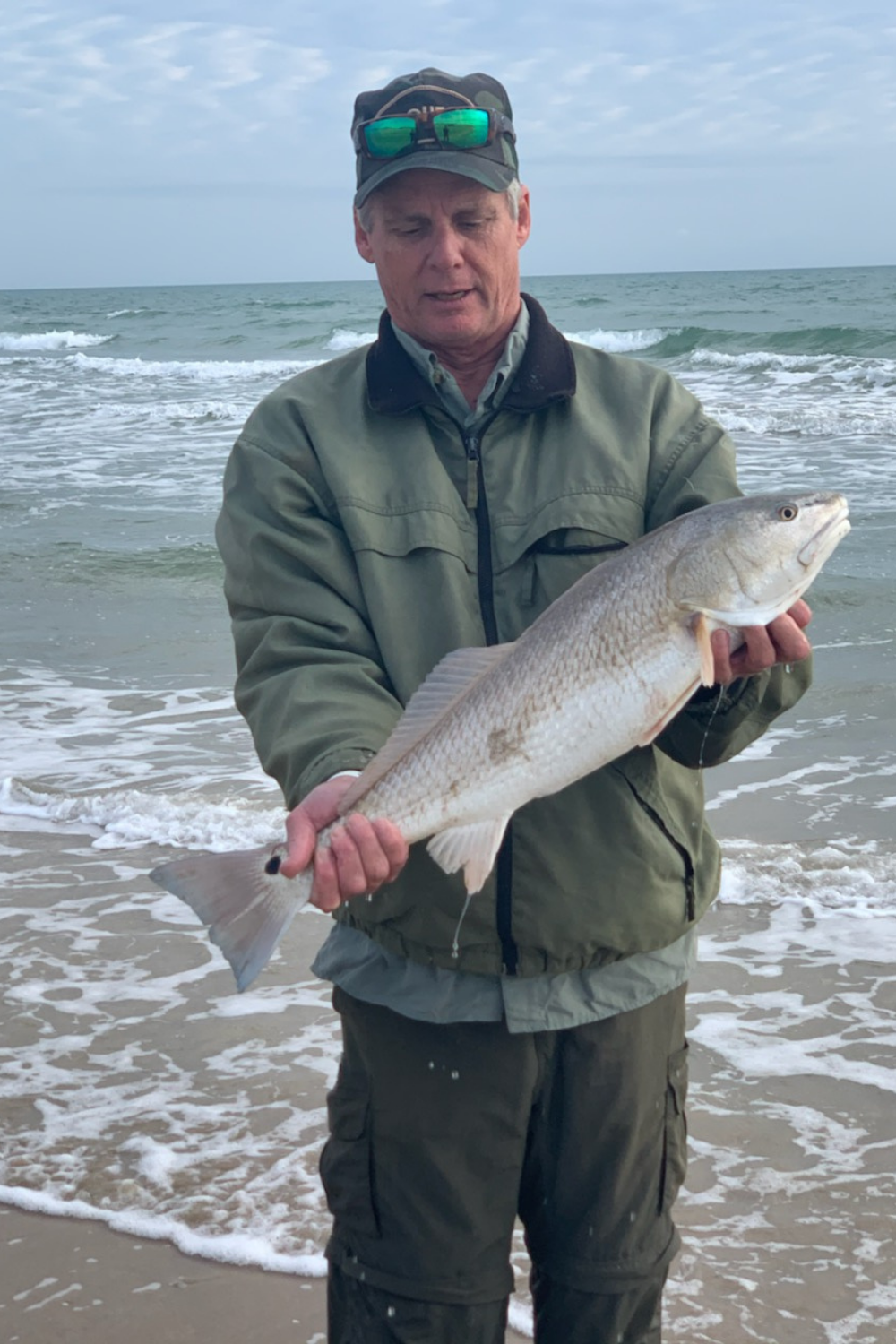
A life long surf fisherman with 50+ years of experience, I am also an avid hunter and outdoorsman. I will be sharing my passion for the outdoors with you so be prepared for hunting, fishing, camping, hiking and more. Along with gear reviews and the latest trends and innovations in the outdoor industry.