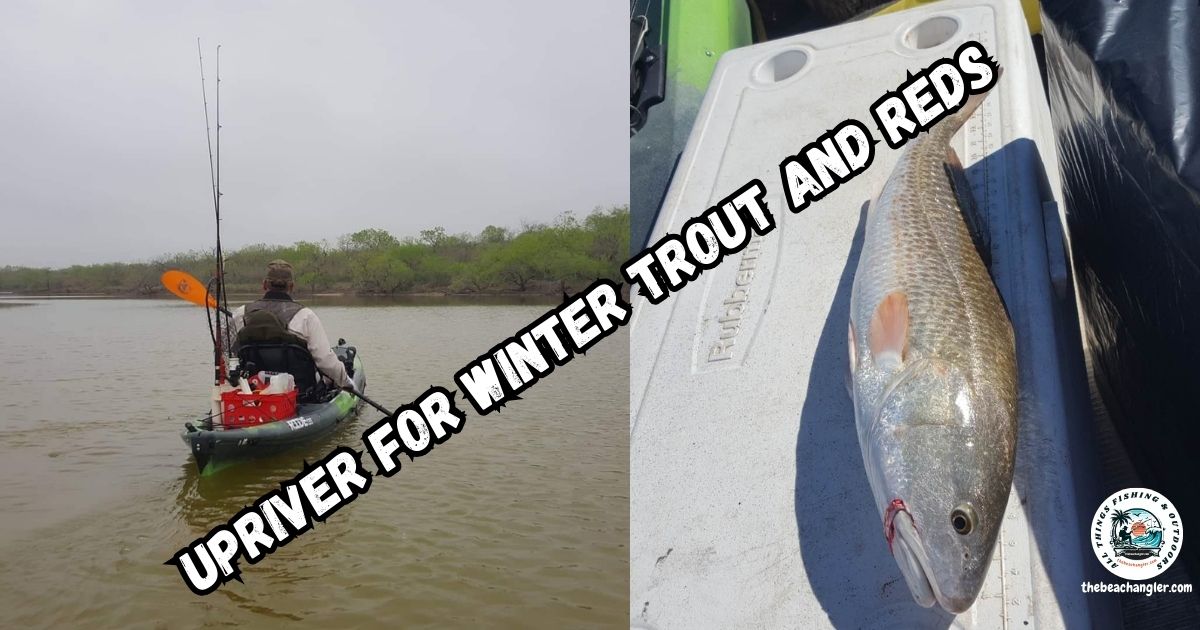
The cooler months change the pattern for targeting trout and redfish dramatically, especially along the Gulf Coast, where both species make upriver moves to find stable temperatures. Over the years, heading upriver for cold-weather trout and redfish has become my go-to strategy once winter takes hold.
QUICK LOOK: Tips and Tactics for Wintertime River Trout and Redfish
- Use electronics to find fish: A good sonar unit saves me a lot of blind casting. Marking schools of trout hugging the bottom or redfish stacked in a deep hole makes for more productive fishing. Don’t be afraid to spend half an hour scanning before you even cast.
- Follow bait movement: If glass minnows or small mullet are flipping on the surface, I know trout and redfish are nearby. Staying mobile and watching for bird activity or surface flashes is key. Sometimes a subtle swirl is all you need to spot a pod of fish.
- Adjust for muddy water: After rain events, rivers often get dirty. I switch to darker lures, add rattles, or use scented soft plastics to help fish find my bait. Sometimes, using a jighead with an oversized paddle tail can produce a strong vibration that the fish pick up on.
- Keep a logbook: I track which river sections produce under which conditions year after year. Over time, recognizing patterns in water temperature, salinity, and time of year helps me dial in spots faster each season. By keeping notes, you’ll be able to spot trends and refine your approach each year.
- Don’t overlook local advice: Chatting with marina owners, bait shop workers, or other river anglers can unlock fresh ideas for new spots or recent patterns. Some of my best upriver days came after a tip from someone who’d been fishing even longer than me.
This approach puts me in the best position to catch quality fish during tough conditions. If you’re just getting into this, you’ll quickly see how your odds go up by learning the nuances of this tactic, even on days when most anglers struggle.
Why Trout and Redfish Move Upriver in Winter
Both speckled trout and redfish are sensitive to water temperature changes. When cold fronts push through, and bay temperatures drop, these fish leave open, shallow waters for deeper, more sheltered areas.
River channels, tidal creeks, and backwater canals offer more stable temperatures, higher dissolved oxygen, and a refuge from the harshest winter conditions. Moving further up rivers also puts the fish in areas with less saline water, but they can tolerate these levels short-term if it means finding comfort and food.
It’s part of their adaptability, and knowing when this happens gives you a big edge over others who stick to summertime tactics. In my own experience, I start seeing this migration pattern kick in as soon as the first consistent cold snaps arrive.
On tough, bluebird-sky days after a front, checking deep river bends or dock-laden creeks has saved more trips than I can count. You’ll be surprised by how many fish pack into these deep holes when bay temps crash. If you fish local tournaments, this is also a great chance to target bigger, unstressed fish that others aren’t finding.
Key Areas to Track Down Cold-Weather Trout and Redfish
Knowing where to look upriver can make or break your trip. Based on my time spent chasing winter trout and redfish, I focus on a few reliable zones:
- Deep River Channels: I like to start by checking the deepest holes and runs, which usually range from 12 to 30 feet deep, depending on the river. These spots hold more stable temperatures.
- Outside Bends and Dropoffs: Outer bends of rivers and steep dropoffs concentrate fish in winter. The floor drops several feet quickly, which attracts resting trout and redfish looking for minimal current and overhead cover.
- Upper River Reaches: As big cold fronts keep rolling in, I often push further up rivers, even past where I found fish a week earlier. Trout especially like to migrate well upstream if salinity holds steady.
- Marinas, Canals, and Docks: Manmade features like marinas or deep residential canals often harbor slightly warmer water and attract large numbers of both species. In fact, older dock pilings and secluded corners can sometimes hold surprises, especially if bait is present.
- Creek Mouths and Junctions: The “X” where smaller creeks join the main river are some of my favorite ambush spots as fish stage here to feed during tidal swings.
Some regions have industrial canals that always produce during cold snaps. If you have access to an old ship channel or working dock area, it’s worth checking out, especially after multiple cold days. Even a short scout in these spots can yield a few bonus fish. Don’t forget about bridges where deeper water flows beneath; the pilings and shadow lines are powerful magnets in winter.
Timing and Weather Conditions
I pay really close attention to both the time of day and the stage of the weather system when planning a trip upriver. If conditions are tough, these little changes can mean the difference between a slow or productive trip.
Midafternoon Sun: The best bite window often comes mid- to late afternoon. The sun warms dark mud banks and shallow ledges next to the deep holes, pulling baitfish and the trout and redfish that feed on them slightly shallower for a few easy hours of action. Sometimes, even on cold days, the water temperature can climb a couple of degrees by 2 or 3 p.m., sparking a brief feeding frenzy.
Just Before or Immediately After Temperatures Change: Sometimes, the best fishing happens right ahead of an approaching cold front or a short window once high pressure settles in. Trout go on the feed just before a big cold snap, then hunker down in deep holes as things settle. Keep an eye on the wind: as it switches direction, subtle changes can push bait and predators into predictable areas.
Focus on Brackish Zones: Both trout and redfish need some salinity, so I look for upstream areas that hold at least 5–10ppt salinity. Local river gauges and salinity maps online help with this. If there’s been heavy rain, salinity may drop, and fish may push downriver again until things stabilize, so checking a few stretches is always smart.
Gear and Lure Selection for Winter River Fishing
The gear I use upriver in winter is all about sensitivity and the ability to fish slowly. I tend to scale down my tackle and really focus on subtle presentations. Staying flexible—having both power and finesse options—sets you up for success.
- Rod and Reel: I prefer a 7-foot, medium-light spinning rod paired with a reel that holds at least 150 yards of 10–15 lb braid. This setup helps me pick up the “soft tick” bites trout are known for in the cold.
- Lures:
- Suspending Twitchbaits: Lures like the MirrOdine, Rapala XRap, or Corky are perfect for slow suspending retrieves. Working these baits with long pauses—sometimes five seconds or more—triggers bites from slower-moving fish.
- Soft Plastics: 3- to 4-inch paddletails or shrimp lures rigged on 1/16 to 1/8 oz jig heads catch both trout and redfish. My go-to colors are natural or darker hues that stand out in stained water. Don’t forget to add a dab of scent to help fish find your lure in murky conditions.
- Live Bait: When things get tough, live shrimp fished on a split shot rig can coax bites in the deepest holes and near dock pilings. Finger mullet or mud minnows are prime options for redfish, too.
- Terminal Tackle: I use 20 lb fluorocarbon leaders to reduce visibility and resist abrasion around oyster shells or structure. If the water is extra clear, I’ll drop to 15 lb for more bites.
The main tactic upriver is to fish slow. A slow drag or crawl across the bottom with frequent pauses works best. Cold fish do not like to chase, so giving them time to find the bait is critical. Sometimes simply letting the lure sit still for a few extra moments can seal the deal.
My Retrieve and Presentation Tips
Fishing for winter trout and redfish upriver requires slowing things down and paying attention to the lightest bite. Here are some things I do consistently:
- Slow Rolling Paddletails: Just enough movement to let the tail swim, keeping the lure close to the bottom, usually by reeling painfully slow.
- Suspending Lures: After a twitch or two, I let the lure pause for several seconds. Most bites come during that hang time. Don’t rush the next movement—patience is key here.
- Lift-and-Dragnear-deadstick Jigs: I make short hops over the bottom, keeping the bait in the strike zone as long as possible. Use your rod to gently sweep the lure, then let it settle back.
- Watch the Line: Most winter bites are super soft, just a weighted feel or a twitch in the line. Braided mainline really helps feel those subtle takes.
I’ve had many days upriver where changing from a fast retrieve to a near-deadstick approach instantly put fish in the boat. Trying two different retrieves in the same area can reveal what the fish want that day.
Other Important Considerations
Finding feeding fish upriver in winter is more consistent if I focus on a few environmental cues:
- Water Temperature: Even a degree or two difference can attract more fish. I always have a thermometer with me and check for slightly warmer outflows, springs, or sunwarmed coves. These microclimates can gather fish fast.
- Tidal Stage: I like either the top or bottom of the tide when the current is slowest, and fish can conserve energy.
- Structure: Riprap, shell banks, old pilings, and dock edges concentrate fish and act as ambush points. Even sunken debris or an isolated brushpile can do the trick.
- Time of Day: Dawn and late afternoon continue to be solid feeding times, but on cold days,s I have had better luck waiting for the sun to warm the water a bit. Sometimes a midday bite is the strongest all week.
When fishing upriver, I also try to avoid spooking fish in tighter quarters. Quiet approaches, low trolling motor speed, and soft casts help a lot. The more stealthy you are, the more chances you’ll get.
Advanced Tips and Tricks
Spending a few winters chasing trout and redfish upriver has taught me a few helpful tricks:
- Use electronics to find fish: A good sonar unit saves me a lot of blind casting. Marking schools of trout hugging the bottom or redfish stacked in a deep hole makes for more productive fishing. Don’t be afraid to spend half an hour scanning before you even cast.
- Follow bait movement: If glass minnows or small mullet are flipping on the surface, I know trout and redfish are nearby. Staying mobile and watching for bird activity or surface flashes is key. Sometimes a subtle swirl is all you need to spot a pod of fish.
- Adjust for muddy water: After rain events, rivers often get dirty. I switch to darker lures, add rattles, or use scented soft plastics to help fish find my bait. Sometimes, using a jighead with an oversized paddle tail can produce a strong vibration that the fish pick up on.
- Keep a logbook: I track which river sections produce under which conditions year after year. Over time, recognizing patterns in water temperature, salinity, and time of year helps me dial in spots faster each season. By keeping notes, you’ll be able to spot trends and refine your approach each year.
- Don’t overlook local advice: Chatting with marina owners, bait shop workers, or other river anglers can unlock fresh ideas for new spots or recent patterns. Some of my best upriver days came after a tip from someone who’d been fishing even longer than me.
FAQs About Upriver Winter Trout and Redfish
Here are some common questions I hear about this approach:
How far upriver do I need to go to find trout and redfish?
This depends on recent temperatures and rainfall. Most years, I start at traditional brackish reaches near the mouth. As temperatures drop, I push upstream until I find clean, stable water and decent salinity. Sometimes, fish may move miles upstream compared to their positions in the fall.
What if I can’t find deep holes?
Any channel, sharp bend, or dock with even a few feet more depth than the surrounding area will hold fish during cold spells. Even a 3–5 foot difference can be enough. Look for spots with wood or rock cover if depth is limited.
Do I need live bait, or will artificial lures work?
Both options work. I start with artificials for covering water, but when the bite is tough, live shrimp, finger mullet, or mud minnows can save the day, especially around structure. Sometimes, if you just want some action for dinner, live bait is the surest bet.
Is it possible to limit out on redfish and trout in the same river trip?
When conditions line up with stable temperatures, moderate salinity, and active bait, it is definitely doable. I have had winter days upriver where both species stacked up in the same holes, making for an incredibly memorable trip. Stay flexible and be prepared to change spots if one runs cold.
Upriver trips during the cold season offer some of the most consistent fishing for both trout and redfish. With the right timing, location, and a little extra patience, you can keep catching through winter’s toughest weeks. Stick with this strategy, and before long, you’ll be the one others come to for advice on winter trout and redfish upriver techniques.
Check Out Our Most Recent Articles:
- Best Surf Rods Under $150
- Targeting Tarpon In The Surf
- Secrets To Finding And Catching Snook
- 4 Tips for Targeting Striped Bass In The Surf
- Live Bait Vs Artificial Lures In The Surf
- The Reel Everyone Recommends Vs. The Reel That’s Built For Saltwater
As always, stay safe, enjoy the journey, and please try to leave it cleaner than you found it. If you have any comments, questions, ideas, or suggestions, please leave them in the comment section below, and I’ll get back to you ASAP. You can follow us on Facebook: Rex The Beach Angler, Instagram: thebeachangler7, Twitter: @AnglerBeach, and YouTube: Man Art Creations.
P.S. Thanks so much for checking out our blog; we really appreciate it. Just so you know, we may receive a commission if you click on some of the links that appear on our site. This helps us keep our content free and up-to-date for everyone. We appreciate your support!





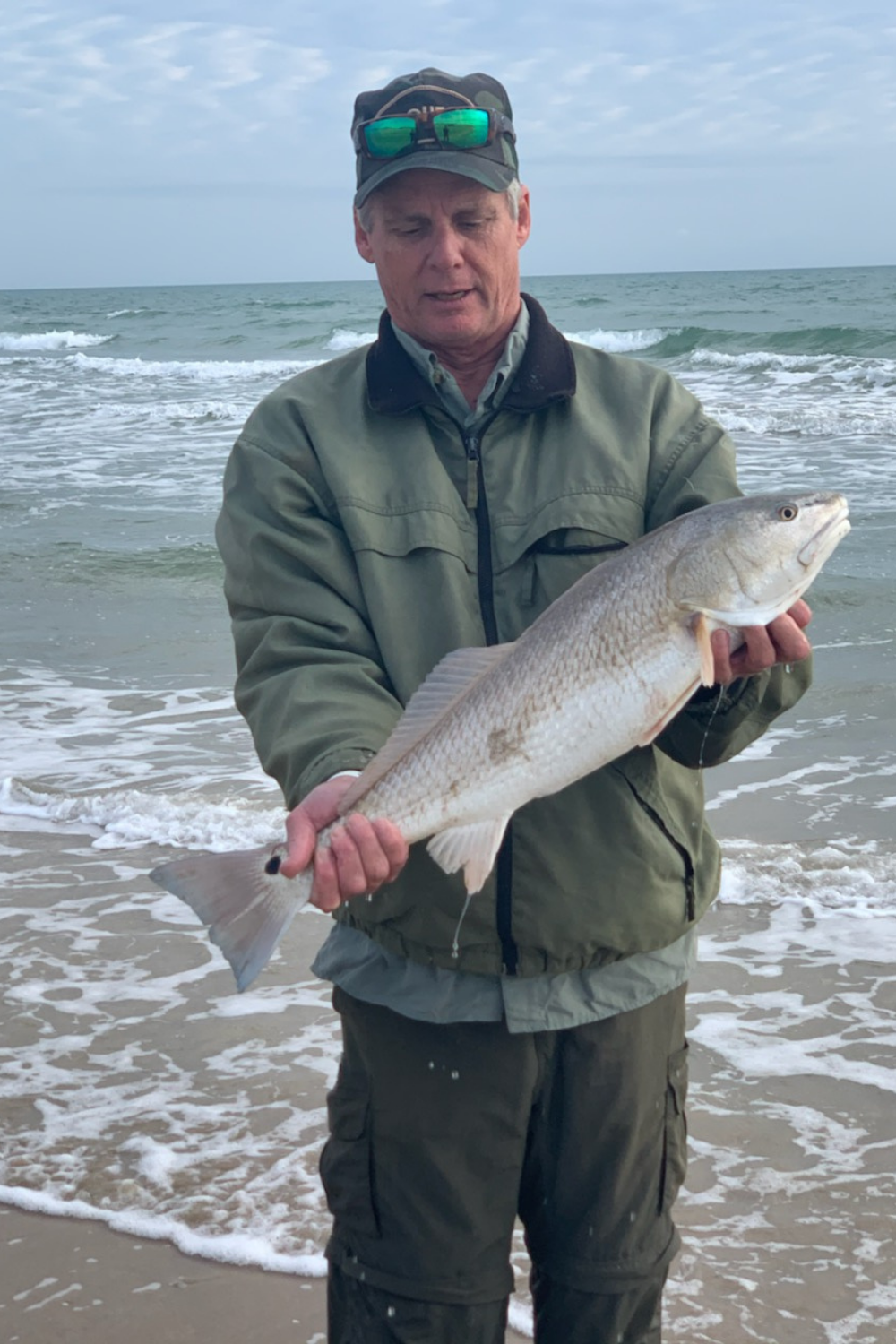
A life long surf fisherman with 50+ years of experience, I am also an avid hunter and outdoorsman. I will be sharing my passion for the outdoors with you so be prepared for hunting, fishing, camping, hiking and more. Along with gear reviews and the latest trends and innovations in the outdoor industry.