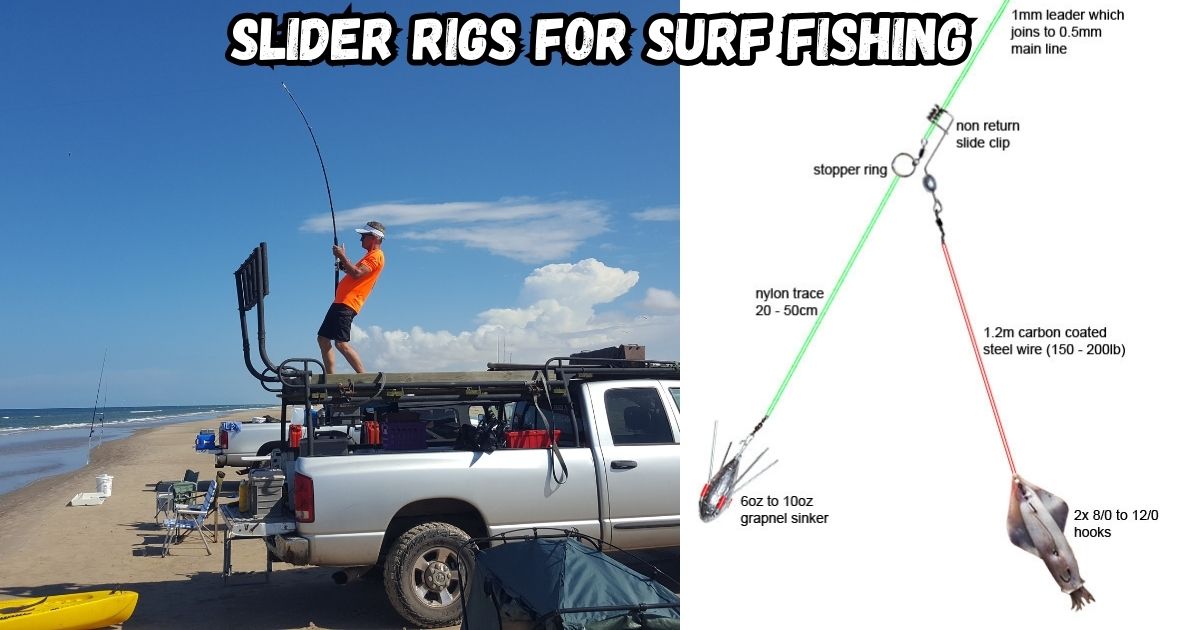
Surf fishing introduces a whole new level of excitement when you start using slider rigs. These rigs give me a handy way to send big or lively bait into deeper water without needing to be a pro at long casting. Slider rigs can really come in handy on days when the fish are holding far out or when conditions make regular casting almost impossible. I’m going to share what I know about slider rigs for surf fishing, so you can get the best start if you want to try this approach for yourself.
QUICK LOOK: Tips for Using Slider Rigs for Surf Fishing
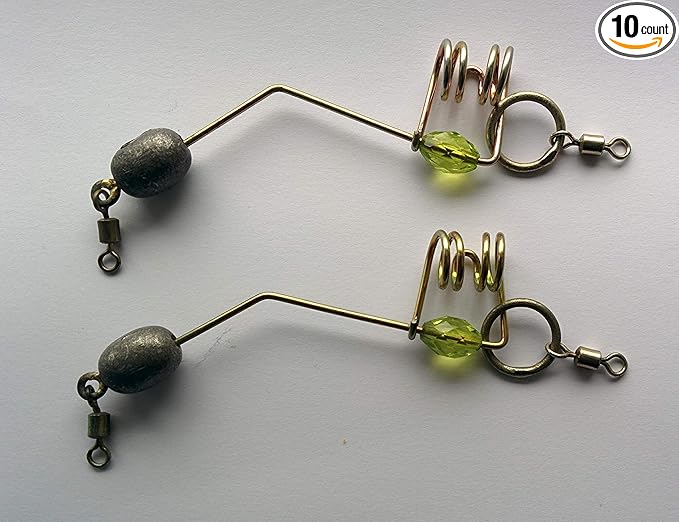
- Choose the right sinker: A spider weight holds better than a pyramid sinker in surf. If it moves, the slider won’t travel down the line smoothly.
- Pre-rig your leaders: I pre-tie several baited leaders at home. That way, I just have to swap in fresh bait quickly without wasting time on the beach.
- Watch the surf conditions: A strong sweep or offshore wind can stop a slider from moving properly, so I pick my moments carefully.
- Keep the line tight: Slack line means the slide won’t reach the sinker. I always reel down a bit if waves create too much slack.
- Test your hardware: Before making a big cast, always check that your slider moves smoothly and your knots and swivels can handle stress. It’s easier to spot issues at home than on the sand.
- Use a rod holder: When waiting for a bite, a rod holder keeps your setup stable and prevents your rod from tumbling over if a big fish hits hard. Having sand spikes or rod holders makes long waits more comfortable and frees your hands.
Slider Rig Basics: What They Are and How They Work
A slider rig, sometimes called a sliding bait rig, is set up so that the bait can travel down my fishing line towards a fixed sinker after I’ve cast out. This motion happens thanks to a special clip or sleeve that slides along the main line.
Here’s what usually happens. I cast my sinker out first, make sure it’s settled on the bottom, and keep my line tight. Then, I attach my baited leader to a slider clip on the main line. By shaking the rod slightly or letting wave action help, my bait starts moving down, “sliding” out towards the sinker. Bigger baits or even live baits go much farther this way than I could ever cast them.
Key Parts of the Slider Rig
I always pay careful attention to the parts that make up my slider rig, since each has a specific purpose. Here are the components I rely on the most:
- Nonreturn Slider Clip: A spring steel clip that slides only one way, away from me, toward the surf. I never have to worry about my bait washing back in.
- Bite Trace: This is typically a short section (2–12 feet) of steel wire if I’m going after toothy fish like sharks. For less aggressive fish, heavy mono or fluorocarbon works too.
- Shock or Rub Leader: Heavy monofilament or fluorocarbon helps absorb strikes and deals with rough bottoms or fish with big tails.
- Hooks: When targeting large fish, I stick with strong, sharp circle hooks, usually between 8/0 and 20/0 if I’m hoping for a shark or a big ray. They keep the hookups clean and increase the odds of a safe release.
- Sinker: A spider sinker with foldable wire legs holds in the sand and keeps my rig steady, even in rough surf.
Choosing the Right Gear for Slider Rigs
Getting my slider rig to work well means pairing it with the right rod and reel setup. I’ve found that longer surf rods, in the 10–14 foot range, really help. They keep the line above the breaking waves, which makes a sliding rig much more effective.
As for reels, I use big spinning reels (size 8000 and up) or heavy-duty conventional reels. These can hold plenty of 50-100 lb braided line, plus a heavy monofilament topshot. This combination gives me both the casting power and the security I want when fighting big fish from the shore.
It always pays to match your rod and reel to both the fish you’re after and the environment you’re fishing in. Heavier gear helps when battling large sharks, rays, or cobia in heavy surf, while a medium setup handles drum and striped bass just fine if the water isn’t as rough.
Don’t forget about quality terminal tackle. Premium hooks, swivels, and slider clips will prevent equipment failure when it matters most. I’ve seen cheap components fail under the strain of a big run, so investing in solid gear is worth it, especially since you’re often putting your bait further out and dealing with stronger fish.
Popular Commercial Slider Rigs to Buy
There are a few commercial slider rigs and kits that I’ve used and found reliable. Some of the best I’ve come across in 2025 include:
- Terra Firma Tackle Deluxe Slide Baiting Pack: A full kit that gives you sliders, wire leaders, and sinker adapters, making it easy to get started.
- Leadertec Big Game Live Bait Slider: Heavy-duty sliders designed for really big fish like sharks or big drum.
- Pitbull Tackle 2 Hook Sliding Rig: A lighter option on a 40lb leader, great when targeting smaller species or when the water isn’t too rough.
These kits save you time on the beach, since you can just open the package and start fishing. If you like DIY setups, you can make your own slider rig at home using quality materials and customizing it for your preferred bait and target fish.
Slider Rigs for Different Species
I’ve used slider rigs both to target toothy sharks and other big predators, as well as more shy or line-shy bottom fish. The flexibility of this setup makes it super practical for many situations off the beach.
My go-to setup for sharks is the full slidebait rig. Heavy sinker, non-return slider, strong steel trace, and a large, lively bait. This way, I get my bait out far beyond the breakers, past the zone most swimmers and surfers reach. It’s also a good setup for kingfish, tarpon, and cobia, especially when I want my bait to stay alive longer and move naturally in the current.
Mulloway, Drum, and Striped Bass
Some rigs use a simpler “fishfinder” approach, where the weight slides freely on the main line above a leader. When fish like red drum or striped bass are known to “pick up and run” with the bait, this rig helps, since they feel very little resistance and are less likely to spit the bait.
Other Surf Targets
Sliders work for a lot of other species, too. In Australia, I’ve seen plenty of anglers use them for big mulloway (jewfish), dropping live mullet into deep surf gutters. Anglers going after permit will sometimes slide big crabs out, letting the permit hook themselves as they turn to run. You can also use slider rigs for bluefish or striped bass when the current is strong, and you need to keep your bait firmly on the bottom but still present it naturally.
Why Slider Rigs Excel in Surf Fishing
The slider rig becomes a top pick for me when I run into any of these situations:
- Deep water is too far to hit with a regular cast.
- Big or delicate live baits are likely to come flying off during a power cast.
- Strong winds are blowing in my face, making casting tough, but the slider can still “walk” the bait down the line once my sinker is anchored.
- I need my bait to stay close to the bottom and near an obstacle, like a deep gutter or jetty edge, but want to keep my mainline clear of snags.
Using sliders lets you cover water you’d otherwise miss and present baits more naturally, especially invaluable when targeting pressured or wary fish. The flexibility to send live mullet, bluefish, or big chunks of cut bait into inaccessible spots really gives you an edge.
Comparing Slider Rigs:
| Rig Type | Common Uses | Main Advantage |
|---|---|---|
| Nonreturn slide rig | Big baits for sharks, kingfish, cobia, and jewfish. | Gets the bait out far and keeps it alive longer |
| Fishfinder rig | Cut bait for drum, bass, and flounder. | Cut bait for drum, bass, and flounder. |
| Carolina rig | Small live bait for trout, whiting, or smaller predators | Bait can swim more freely just above the bottom. |
Tips for Using Slider Rigs Effectively
- Choose the right sinker: A spider weight holds better than a pyramid sinker in surf. If it moves, the slider won’t travel down the line smoothly.
- Pre-rig your leaders: I pre-tie several baited leaders at home. That way, I just have to swap in fresh bait quickly without wasting time on the beach.
- Watch the surf conditions: A strong sweep or offshore wind can stop a slider from moving properly, so I pick my moments carefully.
- Keep the line tight: Slack line means the slide won’t reach the sinker. I always reel down a bit if waves create too much slack.
- Test your hardware: Before making a big cast, always check that your slider moves smoothly and your knots and swivels can handle stress. It’s easier to spot issues at home than on the sand.
- Use a rod holder: When waiting for a bite, a rod holder keeps your setup stable and prevents your rod from tumbling over if a big fish hits hard. Having sand spikes or rod holders makes long waits more comfortable and frees your hands.
In addition, be patient—sometimes it takes a while for your bait to make it all the way to the sinker, especially in choppy conditions. Keeping a steady eye on the line and being ready to adjust ensures you won’t miss opportunities.
Considerations Before Using Slider Rigs
- Rig complexity: There are more moving parts than in a standard fishfinder rig. Practice at home first to get used to setting everything up quickly.
- Legal requirements: Some beaches restrict the use of wire leaders or large hooks, so it pays to check local fishing rules.
- Handling big fish: Be prepared with strong gear and a safe spot to bring the fish in. Never underestimate the power of a large shark or ray in the surf.
- Environmental impact: Use biodegradable or reusable rig components when you can. Leftover tackle can harm wildlife and people.
Environmental and Ethical Tips
If you’re like me and want to release your catch, consider using circle hooks, heavy leaders to shorten the fight, and always carry cutters or pliers. It’s also important to clean up after yourself, since sliders, traces, and sinkers can be hazardous if left behind on the beach. Think of your fellow anglers and future generations by leaving the beach cleaner than you found it.
Frequently Asked Questions About Slider Rigs for Surf Fishing
How far out can I get my bait with a slider rig?
If conditions are right, I’ve had bait slide out 150 yards or more beyond the sandbar, much farther than any regular cast could manage.
Will slider rigs work for small fish close to shore?
It’s possible, but slider rigs shine with big baits or when trying to get bait far out. For smaller inshore species, standard rigs are simpler and often more efficient.
What line strength should I use?
I use at least 50–80 lb braid for my main line and up to 100 lb for big sharks or rays. Mono topshots of 100–200 lb increase abrasion resistance.
Final Thoughts on Slider Rigs for Surf Fishing
Slider rigs can take my surf fishing game to another level by letting me use big or live baits and get them way beyond where I could ever cast. With the proper setup, a little practice, and some planning, they give me a real edge for connecting with trophy surf fish. I find them especially useful when fishing for shark, large drum, cobia, or any species that prowls beyond the breakers.
By getting familiar with the parts, gear, and best situations for slider rigs, anyone can boost their odds on the beach and enjoy some of the most exciting bites surf fishing has to offer. Remember to always check local rules, look out for fellow beachgoers, and take your trash with you so everyone can enjoy a better fishing adventure.
Check Out Our Most Recent Articles:
- Best Surf Rods Under $150
- Targeting Tarpon In The Surf
- Secrets To Finding And Catching Snook
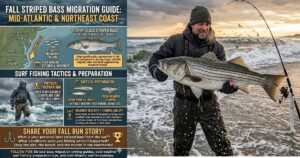
- 4 Tips for Targeting Striped Bass In The Surf
- Live Bait Vs Artificial Lures In The Surf
- The Reel Everyone Recommends Vs. The Reel That’s Built For Saltwater
As always, stay safe, enjoy the journey, and please try to leave it cleaner than you found it. If you have any comments, questions, ideas, or suggestions, please leave them in the comment section below, and I’ll get back to you ASAP. You can follow us on Facebook: Rex The Beach Angler, Instagram: thebeachangler7, Twitter: @AnglerBeach, and YouTube: Man Art Creations.
P.S. Thanks so much for checking out our blog; we really appreciate it. Just so you know, we may receive a commission if you click on some of the links that appear on our site. This helps us keep our content free and up-to-date for everyone. We appreciate your support! heavy-duty





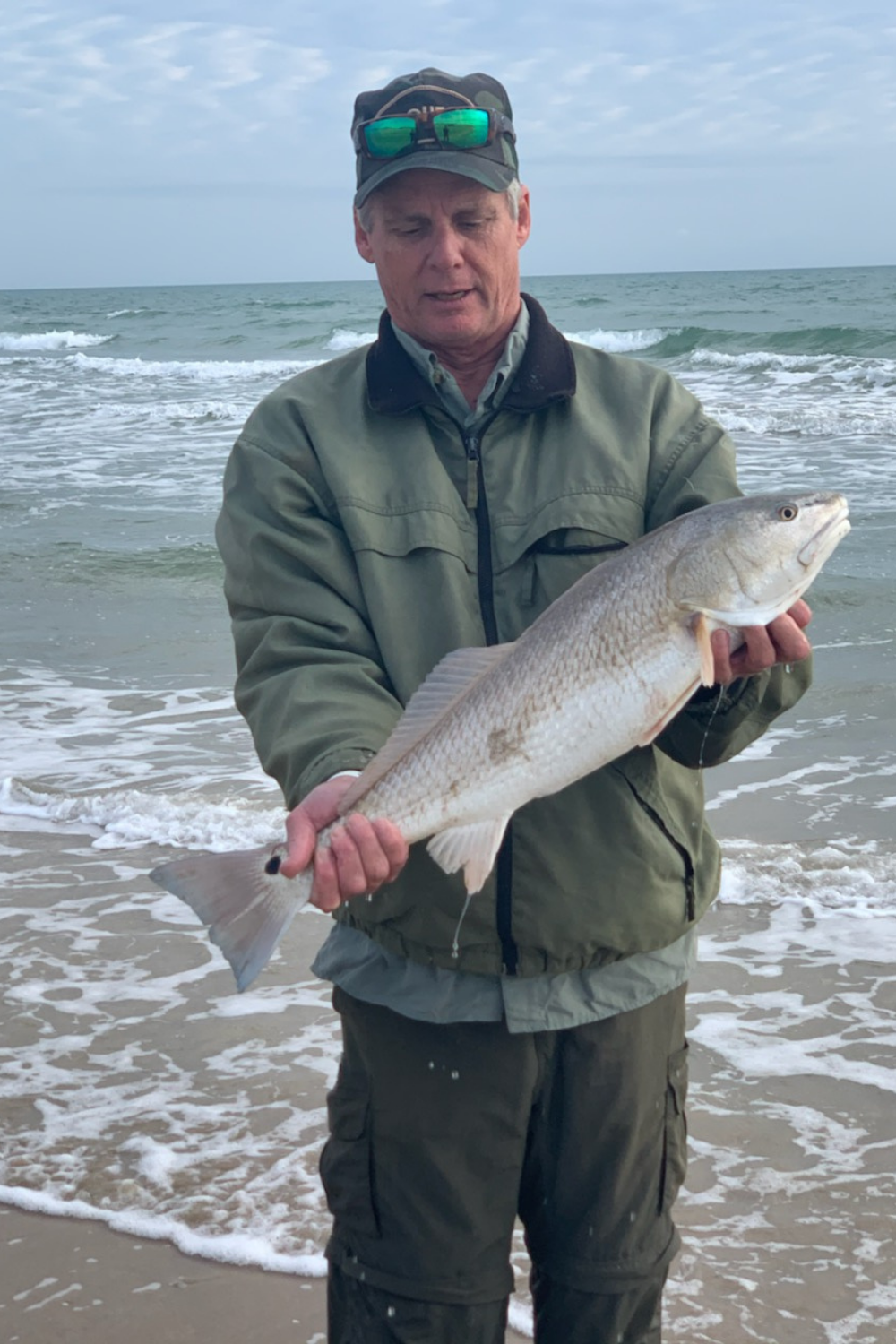
A life long surf fisherman with 50+ years of experience, I am also an avid hunter and outdoorsman. I will be sharing my passion for the outdoors with you so be prepared for hunting, fishing, camping, hiking and more. Along with gear reviews and the latest trends and innovations in the outdoor industry.