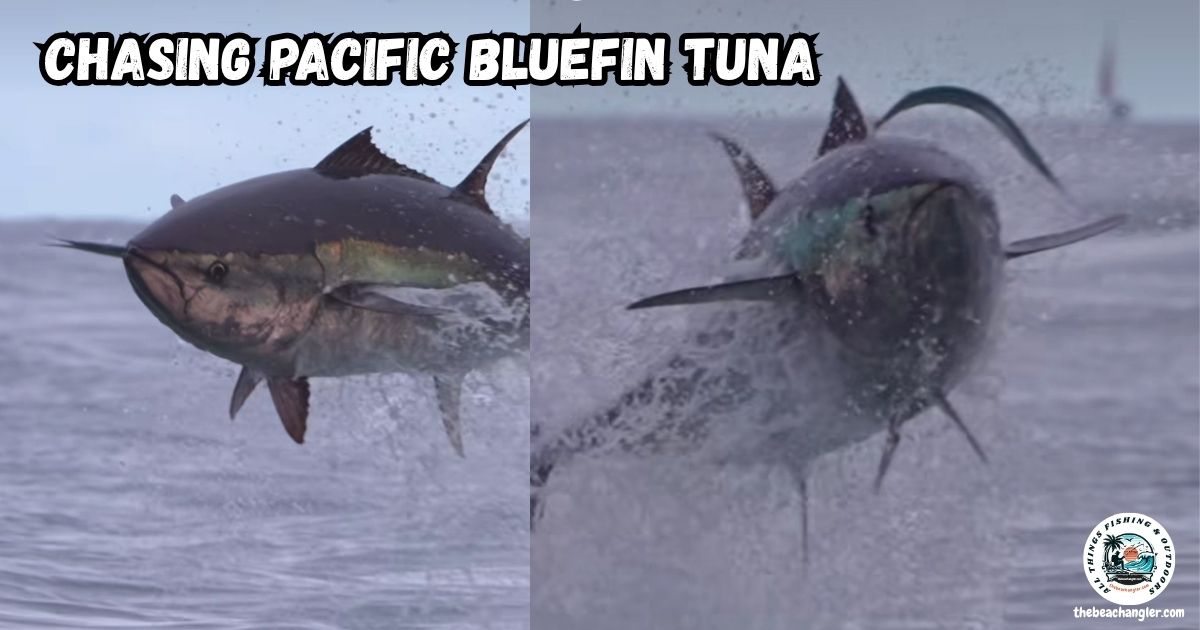
Chasing Pacific Bluefin Tuna is one of those fishing adventures that sticks with you for years. Every angler I’ve met who has gone after these powerful fish will tell you that it’s not just about luck. Preparation, patience, and knowing a few key details can help you land that memorable catch.
QUICK LOOK: Where and When to Find Pacific Bluefin Tuna
- San Diego, California: Often called the “Tuna Capital of the World,” San Diego’s offshore banks like Cortes, Tanner, and the 43 Fathom Spot run hot with bluefin from spring through fall.
- Dana Point and Orange County: Here, deep offshore canyons and productive temperature breaks make for consistently good fishing, especially on long-range charters.
- Baja California, Mexico: Throughout Ensenada, Punta Banda, and beyond, the seasonal runs from June to early November can be epic for bluefin chasers.
- Up the California Coast: Cordell Bank and the Farallon Islands outside San Francisco also see their share of tuna each year when warm currents flow north.
- Down Under: Australia’s southern coastline boasts some of the largest bluefin, especially during their late spring and early summer runs.

Over time, I’ve learned the excitement comes from piecing together clues, whether that’s choosing gear, following migration routes, or spotting baitfish boils. Here’s my take on how to get started and what to focus on if you’re new to bluefin tuna fishing.
Basic Equipment Every Bluefin Tuna Angler Needs
Bluefin tuna fishing is not for beginners, mostly because these fish are strong and known for putting up quite a fight. Selecting the right gear is a major step that can keep you from making expensive mistakes and boost your success offshore. My essentials list includes:
- Heavy-duty Rods and Reels: Standard inshore equipment simply won’t do. I go with fast-action rods paired with reels that can handle between 300 and 600 yards of line, with a drag rating above 30 pounds. A strong setup like this makes it possible to handle the intense battles Bluefin offer.
- Braided Main Line and Fluorocarbon Leader: Braid gives you strength and sensitivity, and tying in a fluorocarbon leader helps keep cautious tuna from getting spooked by the line.
- Appropriate Hooks: Circle-style hooks sized 3/0 to 7/0, matched to the bait and size of tuna, usually do the job.
- Bait and Lures: I carry poppers, metal jigs, trolling plugs, and always keep live sardines and mackerel handy.
Having your rig dialed in is satisfying in itself. It prevents headaches and puts your mental energy into fishing instead of fumbling with broken tackle.
Core Tuna Fishing Techniques That Work
No one tactic is guaranteed every time, so I tend to mix things up based on conditions or where I’m fishing. These are the core methods I typically use along the coast:
- Trolling: Pulling lures or live bait at different depths and speeds behind the boat helps me cover more water and stumble upon active fish.
- Kite Fishing: Lifting baits to the surface with a kite minimizes boat noise and gets bites from tuna hunting near the top.
- Jigging: Dropping metal jigs and working them up vertically is a big favorite, especially when bluefin are hanging deep on sonar. It’s tough on arms, but totally worth it when fish are focused down deep.
- Flylining: Free drifting a live bait, unweighted and away from the boat, can often tempt tuna hanging near the upper water column.
- Chumming: Tossing chopped bait overboard draws tuna close and holds them near your boat. I never leave the dock without bringing extra bait to toss.
Timing is just as crucial as technique. Most of my action comes early in the morning or late afternoon, especially around tide swings. Paying close attention to tuna behavior helps you decide which strategy to use.
Understanding Pacific Bluefin Tuna Behavior
Chasing bluefin tuna is about more than location; understanding their behavior can seriously boost your results. Some things I constantly track include:
- Migration Patterns: Tuna move up and down the coast following bait and ideal water temperatures. Checking fishery charts or talking with local guides can help you keep track of the current hot spots.
- Feeding Windows: Bluefin show the most activity at first and last light when baitfish are near the surface. I always try to plan my outings around these windows for a better chance.
- Spookiness: Bluefin are wary, especially in clear, calm water. Using quiet presentations and keeping gear as out of sight as possible often pays off with more bites.
- Preferred Water Temps: I focus my search where water temps are 62°F to 68°F, using a portable gauge to check on the go.
Every trip brings something unpredictable, so adjusting in response to these factors keeps things interesting and productive.
Staying Safe and Following Local Regulations
Being far offshore never means safety or rules can be ignored. I take a safety-first approach every time and make it a habit to stay updated on regulations.
- Fishing with Friends: I’m much more comfortable running offshore alongside another boat. If things go sideways—weather or mechanical problems—having help available makes all the difference.
- Checking Regulations: Size and bag limits are updated frequently. I always check with local agencies like the California Department of Fish and Wildlife before fishing, so I avoid trouble or loss of equipment.
- Weather Awareness: Conditions offshore can deteriorate quickly. I make sure my marine weather apps are working and that my VHF radio is charged and reliable.
Good safety gear and solid knowledge of local rules let you focus on fishing, not worrying about what might go wrong.
Tips That Make a Real Difference in Bluefin Tuna Fishing
Success with bluefin tuna usually comes down to a mix of good sense, careful observation, and creativity. Here are a few tricks and habits that have helped me catch more fish:
- Watch for Bird Activity: Flocks of birds diving are a telltale sign that bait is being pushed up by tuna underneath. Seagulls, terns, and pelicans act as extra sets of eyes for me.
- Look for Tuna Boils or Surface Action: Splashes and disturbances indicate tuna are feeding near the surface. Keeping a rig ready to cast at a moment’s notice can pay off big.
- Use Scent if Bites Slow Down: Adding a touch of sardine or anchovy oil to my lures and baits sometimes gives them extra appeal on quiet days.
- Bleed and Ice Tuna Immediately: For top-quality meat, take the time to bleed out and ice fish right away. It makes a big difference in texture and taste when you get home.
Where and When to Target Pacific Bluefin Tuna
I’ve traveled and fished much of California and Baja and found several reliable places for bluefin. Whether you’re local or visiting, these locations are worth checking out:
- San Diego, California: Often called the “Tuna Capital of the World,” San Diego’s offshore banks like Cortes, Tanner, and the 43 Fathom Spot run hot with bluefin from spring through fall.
- Dana Point and Orange County: Here, deep offshore canyons and productive temperature breaks make for consistently good fishing, especially on long-range charters.
- Baja California, Mexico: Throughout Ensenada, Punta Banda, and beyond, the seasonal runs from June to early November can be epic for bluefin chasers.
- Up the California Coast: Cordell Bank and the Farallon Islands outside San Francisco also see their share of tuna each year when warm currents flow north.
- Down Under: Australia’s southern coastline boasts some of the largest bluefin, especially during their late spring and early summer runs.
Talking with locals, checking the weather, and logging each trip sets up a winning routine for repeating success season after season.
Common Questions I Hear About Bluefin Fishing
Both newbies and seasoned anglers have questions, and separating myth from fact is always useful. Here are some of the queries I get most:
What’s the best bait for bluefin tuna?
Live sardines or mackerel are always my top picks. If I can’t get those, trolling with poppers or deep-diving plugs works too.
How do I find tuna when nothing’s showing on the surface?
Using a fishfinder to look for bait schools or tuna arcs underwater is key. I also keep an eye out for subtle changes in water temperature or structure lines that can hold fish.
Can I catch bluefin from shore?
Bluefin are almost always offshore, but in rare circumstances, inshore runs can bring them near piers or rocky coastlines. It’s a long shot, but if your equipment is up to it and timing is spot on, you might get lucky nearshore.
Wrapping Up: Making the Most of Your Tuna Chase
Catching Pacific bluefin tuna is about so much more than landing a big fish. Every trip builds new skills, brings stories to share, and teaches something fresh about the unpredictability of offshore angling.
By investing in reliable equipment, switching up techniques to fit the day, and respecting safety and conservation rules, you give yourself the best shot at memorable adventures. If you’ve been considering it, prep your gear, check local tips and reports, and jump at the chance—your first wild bluefin run will be something you’ll never forget.
Check Out Our Most Recent Articles:
- Best Surf Rods Under $150
- Targeting Tarpon In The Surf
- Secrets To Finding And Catching Snook
- 4 Tips for Targeting Striped Bass In The Surf
- Live Bait Vs Artificial Lures In The Surf
- The Reel Everyone Recommends Vs. The Reel That’s Built For Saltwater
As always, stay safe, enjoy the journey, and please try to leave it cleaner than you found it. If you have any comments, questions, ideas, or suggestions, please leave them in the comment section below, and I’ll get back to you ASAP. You can follow us on Facebook: Rex The Beach Angler, Instagram: thebeachangler7, Twitter: @AnglerBeach, and YouTube: Man Art Creations.
P.S. Thanks so much for checking out our blog; we really appreciate it. Just so you know, we may receive a commission if you click on some of the links that appear on our site. This helps us keep our content free and up-to-date for everyone. We appreciate your support!





A life long surf fisherman with 50+ years of experience, I am also an avid hunter and outdoorsman. I will be sharing my passion for the outdoors with you so be prepared for hunting, fishing, camping, hiking and more. Along with gear reviews and the latest trends and innovations in the outdoor industry.