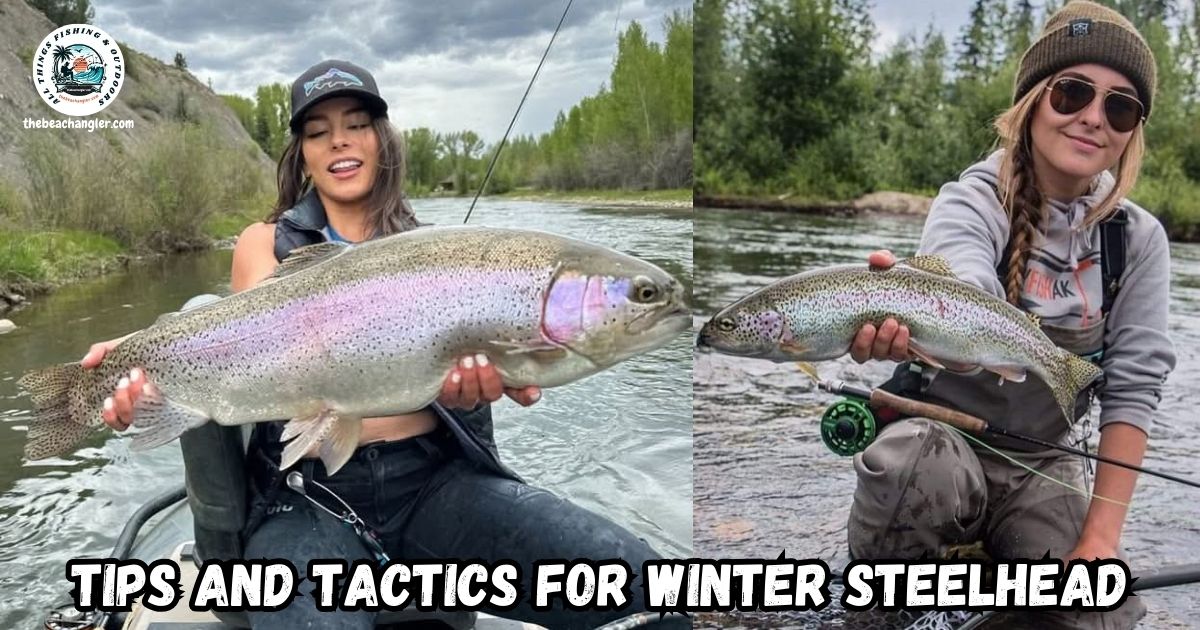
If you enjoy fishing during the colder months, winter steelhead fishing can be incredibly rewarding. I find that chasing steelhead when rivers are cold and full of fresh fish offers a unique challenge. Success means dialing in your gear, timing, and tactics to fit winter’s conditions. If you’ve been thinking about heading out for winter steelhead, I’m sharing key strategies, proven gear tips, and practical know-how to help you catch more fish and have a safe, enjoyable experience.
QUICK LOOK: Where, and When to Fish for Winter Steelhead
Steelhead begin showing up in rivers across the Pacific Northwest, Great Lakes region, and northern California from late fall through early spring. I usually mark late December through March on my calendar as the prime window for winter fish. The peak often comes in February, depending on local conditions and river flows.
I prefer to fish after rain events that bring in new waves of fish and boost river levels, but I avoid going out when rivers are completely flooded and muddy. Midday hours are surprisingly productive for winter-run steelhead. A little sunshine can bump water temperature up a few degrees, which can really turn on the bite between 10 a.m. and 3 p.m.
Some of my favorite rivers for winter steelhead include the Cowlitz and Hoh in Washington, the Clackamas and Siletz in Oregon, and northern California’s Smith and Eel Rivers. In the Great Lakes, I’ve done well on New York’s Salmon River and Michigan’s Pere Marquette.
Essential Gear for Winter Steelhead Fishing
Having the right gear goes a long way when I’m fishing for winter steelhead. These fish are powerful, and the conditions can be cold and wet, so I always make sure my equipment is up to the task. Most anglers, including me, choose a 9 to 10.5-foot medium-action spinning or casting rod for float fishing or hardware.
For fly fishing, I reach for a 10-foot 7-weight rod or a two-handed Spey rod with a heavy sink tip, which works well for bigger rivers and winter flows. For reels, smooth drags are crucial. I stick to reels that hold plenty of 10 to 12-pound mainline. My setups usually include braided line with a monofilament or fluorocarbon leader, since steelhead can be line-shy in clear water.
Because winter can get extremely cold, proper clothing matters a lot. I always layer up with moisture-wicking baselayers, fleece insulation, and waterproof jackets. Neoprene waders, wool socks, and a quality rain shell are all in my bag.
Cold hands can make fishing miserable, so I keep fingerless wool gloves handy. Bringing a large, rubberized landing net and a sturdy pair of wading boots with cleats helps me land fish safely and keeps me on my feet, even on slick banks. An extra set of dry clothes in the truck is a game-changer on brutally cold days, and I often bring chemical hand warmers to put inside my gloves or pockets.
Proven Techniques: Bait, Lures, and Flies
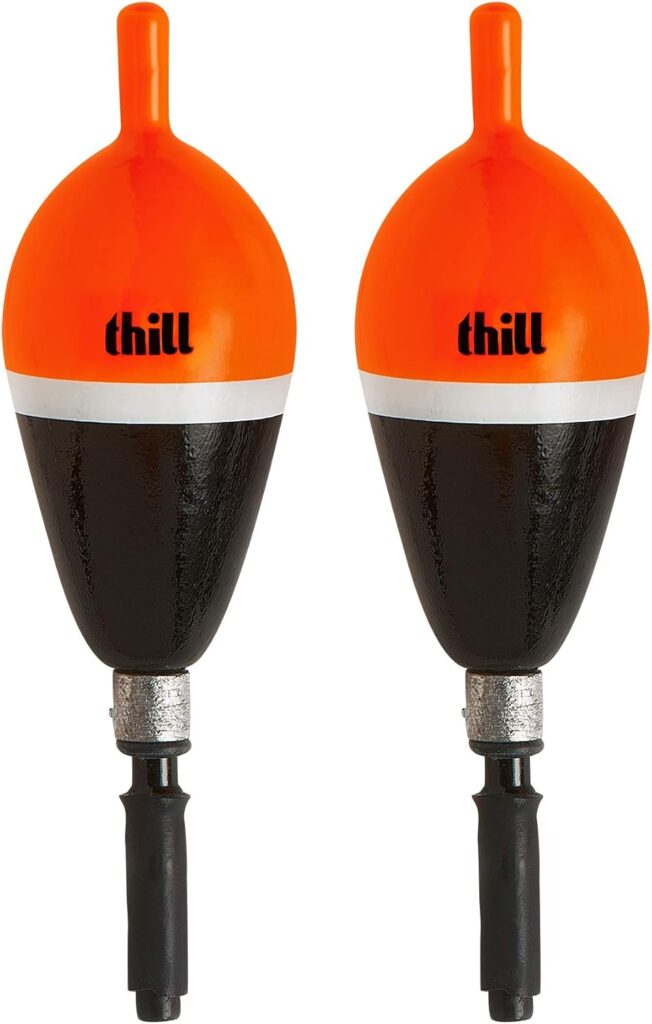
Jumping into winter steelhead tactics, I rely on several tried-and-true methods depending on water conditions and regulations. If bait is legal, I reach for cured salmon eggs or shrimp. Floating these baits under a bright bobber, tipped with a small jig, keeps my presentation near the bottom, right in the strike zone.
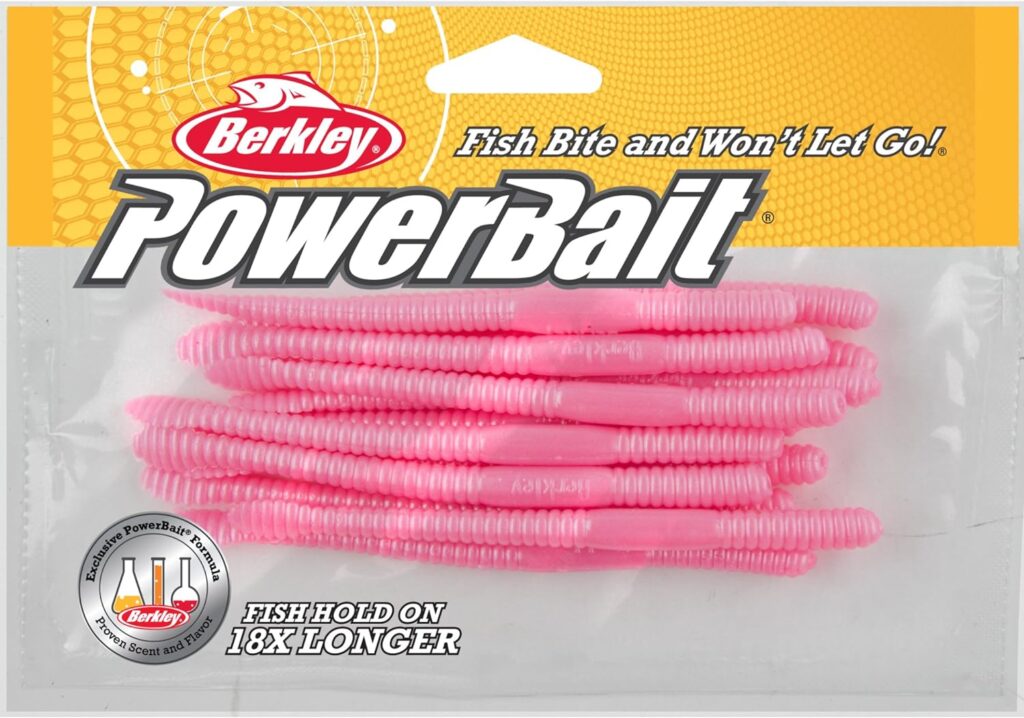
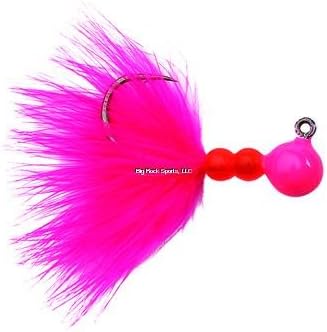
Soft plastic pink worms—especially 4 to 6 inch versions—are something I never leave home without. Steelhead seem to love the bright color, especially after rain events. Jigs are another go-to for me. Using 1/8 to 1/4 ounce marabou or rabbit fur jigs tipped with bait or fished plain can trigger bites when fish aren’t aggressive.
I prefer slow, subtle drifts through deep pools and edges of current seams. If the regulations allow hardware, spinners and spoons are classic choices. In winter, a slow and steady retrieve works best. I cast across and downstream, letting the lure swing through prime holding water.
For fly anglers like myself, marabou streamers and rabbitstrip flies imitate leeches and egg patterns. I cast them with a heavy tip to get down quickly, using slow strips or letting the fly swing in soft water near the bottom.
Location and River Strategies
Winter steelhead often hold in deeper pools and slow “walking speed” runs, especially when water dips below 36°F. I focus my time on pool tails, the edges of fast water, and behind large boulders or woody debris. Fish will conserve energy and rarely move far for food in these temperatures.
When rivers are low and clear, I go with smaller, more realistic presentations like single beads, small soft baits, or downsized jigs. During high, colored water, I upsize to brighter, larger lures or baits and cover water methodically. I always pay attention to water levels after a rain; when rivers start dropping and clearing, I see some of the best fishing.
This “steelhead green” water is well-known among anglers for holding aggressive, fresh arrivals. Bank fishing often means moving from spot to spot. I use a scout-and-cast strategy, spending 15 to 30 minutes in each prime spot before moving on.
Drift boats or rafts give me more access, but walking and wading remain effective if I focus on travel lanes and deepwater buckets. I often try to time my approach for first light or dusk, since these periods produce more takes from wary fish, especially on pressured rivers.
Timing: When and Where to Fish
Steelhead begin showing up in rivers across the Pacific Northwest, Great Lakes region, and northern California from late fall through early spring. I usually mark late December through March on my calendar as the prime window for winter fish. The peak often comes in February, depending on local conditions and river flows.
I prefer to fish after rain events that bring in new waves of fish and boost river levels, but I avoid going out when rivers are completely flooded and muddy. Midday hours are surprisingly productive for winter-run steelhead. A little sunshine can bump water temperature up a few degrees, which can really turn on the bite between 10 a.m. and 3 p.m.
Some of my favorite rivers for winter steelhead include the Cowlitz and Hoh in Washington, the Clackamas and Siletz in Oregon, and northern California’s Smith and Eel Rivers. In the Great Lakes, I’ve done well on New York’s Salmon River and Michigan’s Pere Marquette.
These spots tend to have healthy runs and public access, but always check for the latest updates and forecasts before driving out. Exploring lesser-known stretches of river, or hitting small creeks after a warm spell, can bring unexpected success when main rivers are crowded or blown out.
Handling Fish and Understanding Regulations
Knowing how to identify and handle steelhead is really important, both for the fish and to avoid costly mistakes. Many states and provinces require wild steelhead to be released unharmed. Wild fish are usually identified by an intact adipose fin, while hatchery fish have this fin clipped.
Regulations can change year to year, so I always double-check the latest rules from the local wildlife agency, whether it’s the New York DEC or Oregon Department of Fish and Wildlife. I keep fish in the water while unhooking and use barbless hooks when possible. A soft, rubber-coated net helps prevent scale and fin damage.
If I need a photo, I cradle the fish gently and avoid squeezing or touching the gills. Returning wild fish quickly and respectfully is not just about following the law, but also helping ensure good runs into the future. When regulations say so, I keep hatchery fish for the table and freeze extra fillets for later.
Troubleshooting Common Winter Steelhead Challenges
Winter steelhead fishing comes with its own set of hurdles. I always check river conditions before heading out because high flows, freezing rain, or icy banks can shut fishing down in a hurry. Battery-powered hand warmers and extra dry clothes in my truck have saved a few trips for me.
If the action is slow, I try changing my baits or moving downstream to lesspressured water. Freezing gear is another hassle in winter. Ice buildup can clog guides and freeze reels solid, so I carry a small bottle of reel oil and dip rod guides in the water often.
Extra patience and staying alert have helped me hook finicky, lightbiting fish; some strikes look like nothing more than a twitch on the float or a gentle tug. I often bring a thermos of hot coffee or soup to warm up while taking breaks.
Layering and Comfort
I learned quickly that cold feet and hands make it hard to stay out long enough to catch fish. Good wool socks, layered clothing, and a reliable jacket make those long winter hours on the river a lot more comfortable. When discomfort really gets to me, even the best fishing can’t keep me out there for long, so investing in comfort and warmth always pays.
Advanced Tactics to Boost Your Catch Rate
When I’m ready to mix things up and dial in my approach, I use a few advanced tactics. I might go with a lighter line and smaller hooks when the water is super clear. Long leaders—sometimes up to four or five feet—help keep baits drifting naturally.
I also pay attention to little details like scenting my baits with shrimp oil or adding split shot to my leader to control depth perfectly. Switching presentation styles depending on what worked last time is something I do often. If fish have seen the same drift all morning, a slow-witched spoon or a different color bead can trigger bites.
When it’s legal, fishing at night under the full moon can also bring out aggressive steelhead right after a rain. I sometimes experiment with floats of different sizes or colors, adjusting depth every half hour to match changes in river current or fish movement. Building in variety keeps fish interested and me learning every trip.
Frequently Asked Questions
Here are a few questions I often hear from anglers heading out for winter steelhead fishing:
What’s the single most important piece of gear for winter steelhead?
I can’t go without a warm, waterproof jacket. Staying dry and comfortable keeps me fishing longer, which leads to more chances at fish. I’d also add that a good headlamp is a must for early starts and late finishes during winter’s short days.
Is it worth using scent or bait additives?
For me, adding shrimp oil or anise to my baits makes a noticeable difference, especially in cold, slow water where fish aren’t very aggressive. A bonus is that it covers up human scent, which can sometimes spook careful steelhead in clear water.
How do I handle wild steelhead so they survive release?
I use rubber nets, wet my hands, and mostly avoid lifting fish out of the water. I remove hooks gently and release fish as quickly as possible. Letting them gently swim off at their own pace instead of tossing them back helps their survival odds, too.
Can I use my bass gear for steelhead?
Some bass rods and spinning reels can work, especially on smaller rivers. Just make sure the gear can handle longer casts, big fish, and heavier weights. Swapping in a longer rod and adding a slightly heavier leader is an easy upgrade for most bass gear.
My RealWorld Advice for Winter Steelhead Success
Consistent success for me comes down to preparation, flexibility, and a positive attitude. Watching water levels and forecasts helps me pick the best days, while my willingness to walk long banks or try new techniques leads to more hookups.
I learn from every trip, even when I’m skunked, and that keeps me coming back for another shot at elusive winter steelhead. Each outing builds new experiences and better instincts. For anyone curious about this winter sport, a little preparation and persistence can lead to thrills you won’t forget.
Being out in the quiet beauty of wintry rivers, watching mist roll over the water, or sharing coffee with friends on the bank—those things make the adventure as memorable as the catch.
Check Out Our Most Recent Articles:
- Wade Fishing The Laguna Madre Corpus Christi Texas
- The Okuma Cavalla 2 Speed Lever Drag Reel
- Berkley Gulp Ripple Mullet
- Seviin GW Series Spinning Reels
- New Mirrolure Chameleon Series Lures
- Field-testing The Quantum Benchmark Spinning Reel
As always, stay safe, enjoy the journey, and please try to leave it cleaner than you found it. If you have any comments, questions, ideas, or suggestions, please leave them in the comment section below, and I’ll get back to you ASAP. You can follow us on Facebook: Rex The Beach Angler, Instagram: thebeachangler7, Twitter: @AnglerBeach, and YouTube: Man Art Creations.
P.S. Thanks so much for checking out our blog; we really appreciate it. Just so you know, we may receive a commission if you click on some of the links that appear on our site. This helps us keep our content free and up-to-date for everyone. We appreciate your support!





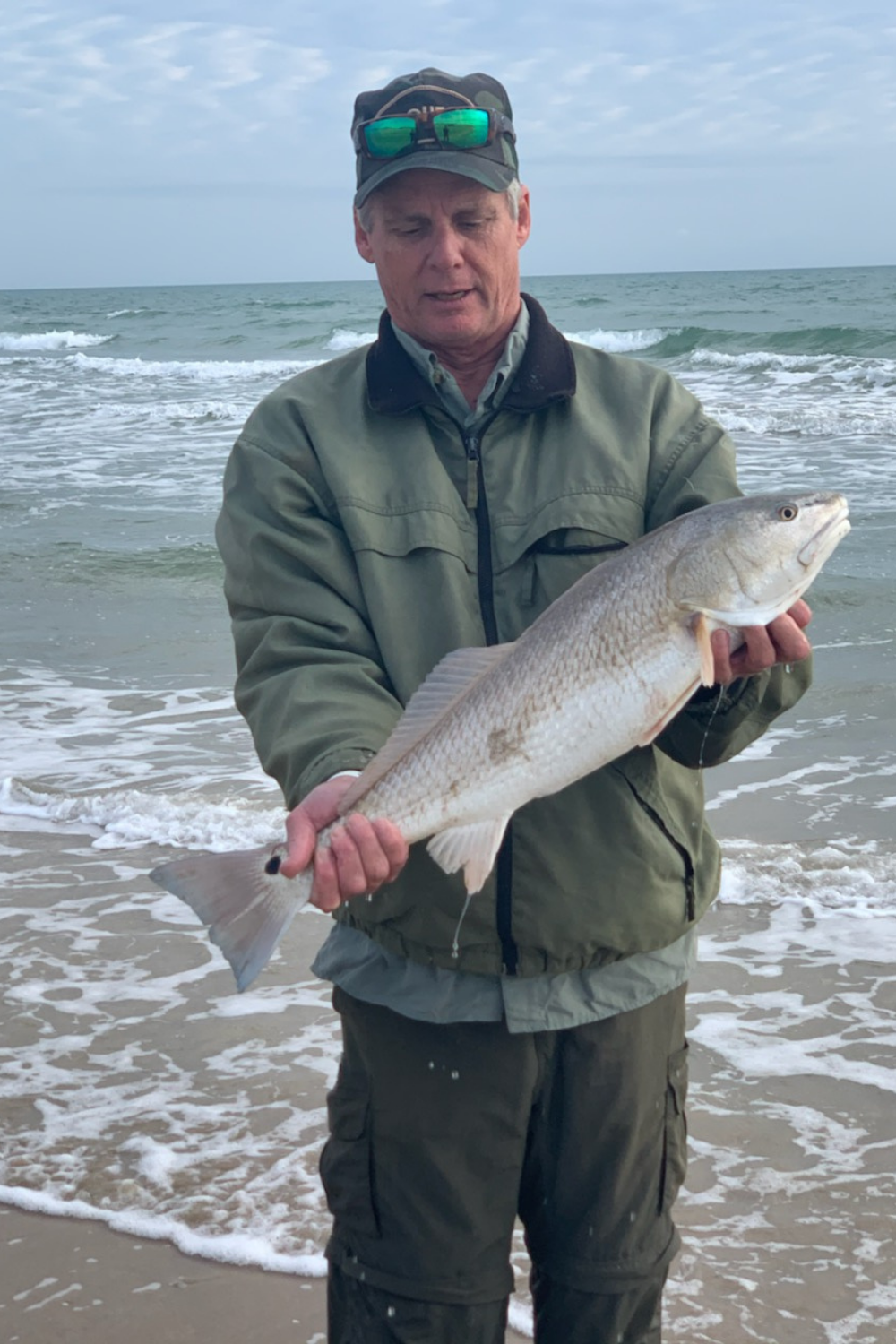
A life long surf fisherman with 50+ years of experience, I am also an avid hunter and outdoorsman. I will be sharing my passion for the outdoors with you so be prepared for hunting, fishing, camping, hiking and more. Along with gear reviews and the latest trends and innovations in the outdoor industry.