

The Shimano Speedmaster II Lever Drag Reel stands out as a favorite for saltwater anglers who want power and reliability without spending a fortune. I’ve found this reel to be a strong performer when targeting both big offshore species and hard-fighting fish close to shore.
QUICK LOOK: Advantages and Potential Downsides of the Shimano Speedmaster II
| Advantages of the Shimano Speedmaster II |
|---|
| Packed with Value: This reel offers features usually seen on higher-priced reels, yet costs much less. I get high-end performance for a midlevel price, which helps when I want to outfit more than one rod. |
| Smooth Drag Action: The drag feels reliable and steady, even under real pressure. It’s nice not worrying about sticky or jerky drag when a trophy fish is on the line. |
| Comfort in the Hand: The compact body feels good during hours of use, and the handle gives plenty of grip, even if I’m covered in bait or fish slime. |
| Versatile and Adaptable: I’ve taken these reels on everything from deep trips to the Gulf or fast runs chasing coastal kingfish. Swapping between braid and mono is easy when I need to make adjustments to my setup. |
| Strong Build: The solid frame and corrosion-resistant bearings mean my reels last longer, even in salty, harsh conditions. I’ve left them on the boat overnight with no issues. |
| Downsides of the Shimano Speedmaster II |
|---|
| Weight: Compared to some high-end ultralightweights like Shimano’s Talica, this reel feels a bit heavier. It’s not bad for most trips, but if I’m standing and jigging all day, the difference adds up. |
| No Harness Lugs: When fighting extra-large fish, a harness makes a real difference. The Speedmaster II does not have lugs for attaching a harness, so battling extra-heavy catches can get tiring. |
| Finish Issues: Over time, I’ve seen a bit of cosmetic wear, such as pitting on the frame from saltwater, even though I always rinse the reels after use. Others have mentioned similar issues in online reviews. |
| Occasional Quality Control Hiccups: Most of the reels I’ve had have been reliable, but I did get one with a sticky lever drag right out of the box. Thankfully, the shop swapped it out right away. |
The sturdy build, smooth drag, and versatile twospeed gearing help it suit a wide range of fishing situations. Here, I’ll share my experience and perspective on what makes the Speedmaster II worth a look if you’re thinking about upgrading your saltwater gear.
Core Features of the Shimano Speedmaster II
The Speedmaster II combines smart engineering with a price that feels reasonable for serious saltwater use. Some features really make it stand out in my own kit and help it handle demanding trips on the water.
- Twospeed Gear System: With the push of a button, I can switch between high gear for quick retrieves and low gear for fighting tough fish that require more torque. This quick switch lets me adjust easily when the action changes fast.
- Hagane Body: The all-metal frame keeps the reel from flexing or twisting, even when fighting big fish. I rely on this because it means smoother performance and fewer problems if a big tuna or grouper makes a long, hard run.
- Cross Carbon Drag: This drag system gives a wide range of adjustment. I can set it light for finesse work or crank it down hard when I need serious stopping power. On larger models, I’ve used up to 40 pounds of drag without losing smoothness.
- Compact Profile: The side plate is designed to fit snug in my palm, which is nice during long days of jigging or bottom fishing. It simply feels less bulky and more comfortable after hours of reeling.
- Corrosion-Resistant Bearings: The special SARB bearings are shielded from sand, salt, and grime. Over time, this protection really pays off; I have fewer issues with grit slowing down my reel after multiple trips.
- Extra Drag Cam (20II/25II): Getting a spare drag cam helps me tune the drag curve depending on whether I’m loading up with braid or monofilament. I like this flexibility, as it works well for both live bait and artificial lure fishing.
Best Fishing Styles and Target Species
The Speedmaster II reels are flexible enough for a bunch of different saltwater techniques. Owning a few different sizes, I’ve been able to use them for everything from snapper inshore to targeting yellowfin offshore. Here’s how I match reels to my fishing days:
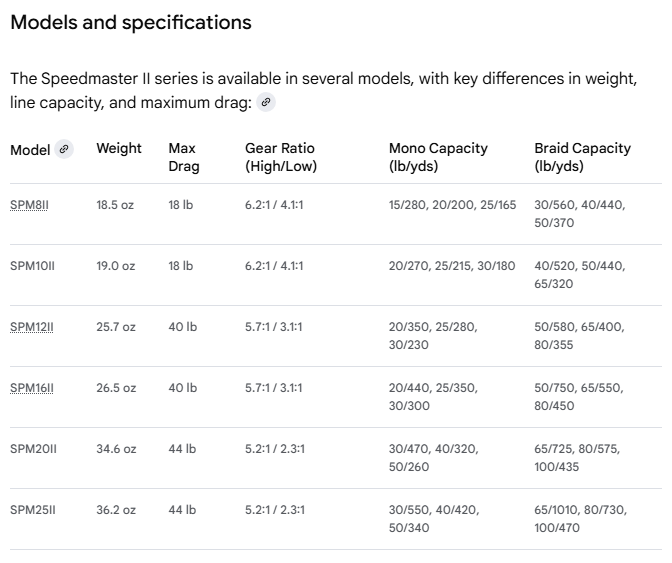
- Smaller Models (8II, 10II): The compact sizes work really well for nearshore reefs, light bottom fishing, and chasing schoolsized pelagics. I use these models for sea bass, flounder, and inshore snappers.
- Larger Models (12II, 16II, 20II, 25II): When I’m headed offshore for bigger game like tuna or even sailfish, I grab the 16II or higher. They offer more line capacity and higher drag, which is needed when I’m using heavier setups or pulling fish out of deep water.
- Trolling and Liveling: The smooth free spool makes trolling for king mackerel or slow trolling live baits for yellowtail much easier. Plus, the lever drag lets me adjust quickly on the fly when a fish is making a long run.
- Bottom Fishing/Jigging: When dropping heavy jigs or bait to deep structure, the lower speed gear is a huge help. It makes pulling up stubborn grouper or snapper manageable without wearing myself out too quickly.
Performance Pros: My Favorite Aspects
After using the Speedmaster II on different trips, a few key points keep me coming back:
- Packed with Value: This reel offers features usually seen on higher-priced reels, yet costs much less. I get high-end performance for a midlevel price, which helps when I want to outfit more than one rod.
- Smooth Drag Action: The drag feels reliable and steady, even under real pressure. It’s nice not worrying about sticky or jerky drag when a trophy fish is on the line.
- Comfort in the Hand: The compact body feels good during hours of use, and the handle gives plenty of grip, even if I’m covered in bait or fish slime.
- Versatile and Adaptable: I’ve taken these reels on everything from deep trips to the Gulf or fast runs chasing coastal kingfish. Swapping between braid and mono is easy when I need to make adjustments to my setup.
- Strong Build: The solid frame and corrosion-resistant bearings mean my reels last longer, even in salty, harsh conditions. I’ve left them on the boat overnight with no issues.
Downsides I’ve Noticed
Even with all the positives, no reel is completely perfect. Here’s what I think could be better with the Speedmaster II:
- Weight: Compared to some high-end ultralightweights like Shimano’s Talica, this reel feels a bit heavier. It’s not bad for most trips, but if I’m standing and jigging all day, the difference adds up.
- No Harness Lugs: When fighting extra-large fish, a harness makes a real difference. The Speedmaster II does not have lugs for attaching a harness, so battling extra-heavy catches can get tiring.
- Finish Issues: Over time, I’ve seen a bit of cosmetic wear, such as pitting on the frame from saltwater, even though I always rinse the reels after use. Others have mentioned similar issues in online reviews.
- Occasional Quality Control Hiccups: Most of the reels I’ve had have been reliable, but I did get one with a sticky lever drag right out of the box. Thankfully, the shop swapped it out right away.
Comparing the Speedmaster II to Other Shimano Reels
I own a couple of different Shimano lever drag reels, so I can compare them directly. The Talica series, for instance, is lighter and a bit smoother, but also a lot more expensive. The Speedmaster II offers similar performance for most fishing, but keeps the price reasonable.
For anglers like me who want a collection of reels for different setups, the Speedmaster II helps balance cost and performance. If I were only chasing big bluefin tuna, I’d probably reach for a Talica or something even more rugged. For mixed-species trips, though, the Speedmaster II holds its own.
Another similar reel worth mentioning is the Shimano TLD series. The TLD is also a budget-friendly lever drag, but it feels a bit less solid than the Speedmaster II. If you’re looking for a more modern casting feel and smoother drag action, the Speedmaster II edges the TLD out by a decent margin.
Maintenance, Upkeep, and RealWorld Durability
Saltwater can be rough on any gear. I always rinse my Speedmaster II after each trip and give it a light oiling every few uses. So far, this regular care has kept it running smoothly. The bearings hold up well, and the drag still feels new after lots of big fish. One tip: pay attention to the drag lever and handle since a few owners, myself included, have seen some rubber wear or peeling after a full season.
I recommend opening the side plate for a complete clean about once or twice a season, especially if you’ve had the reel dunked or exposed to a heavy splash. This helps prevent salt buildup and keeps your Speedmaster II working for years. And, as always, keep it stored in a dry spot when not on the water—even a basic reel bag makes a difference.
Quick Guide: Setting Up and Using the Shimano Speedmaster II
Getting the most out of the Speedmaster II involves some basic setup and a few on-the-water tips I’ve picked up along the way:
- Pick Your Line: Check the reel’s size and match it to the line class you plan to use (monofilament or braid). Use the extra drag cam if you need a different drag profile for mono.
- Spool Up Properly: Put on your line with even tension to fill the spool, leaving a small gap below the spool lip. This helps prevent the line from bunching and causing backlashes when casting or letting line out quickly.
- Learn the Drag System: Get comfortable adjusting the drag before you hook up. I like to set it to about one-third the breaking strength of my line to start.
- Practice Gear Changes: Switching between high and low gear should feel easy. I try this a few times at the dock to be ready for any quick adjustments on the water.
- Regular Cleaning: After fishing, rinse under fresh water, dry thoroughly, and check for any salt or sand buildup. Oil the bearings as needed to keep everything smooth.
Frequently Asked Questions
I often get questions from other anglers about the Speedmaster II. Here are a few that come up a lot:
Is the Speedmaster II good for beginners?
Yes, its simple lever drag and two-speed system are easy to learn. The reel is forgiving, and it handles a wide variety of fishing styles well.
Which size should I pick?
For inshore use and lighter species, go with the 8II or 10II. Offshore anglers after tuna or big grouper will want the 16II or larger.
How does it hold up against saltwater?
With regular rinsing and basic maintenance, the corrosion resistance works well. Occasional cosmetic wear happens, but functionally, it stays solid.
Is it suitable for deep dropping or heavy trolling?
It handles moderate trolling and most deepdropping tasks, though the lack of harness lugs might make it tougher for the heaviest catches.
Final Thoughts on the Shimano Speedmaster II
For anglers looking for a dependable, strong, and affordable lever drag reel, the Shimano Speedmaster II deserves a close look. The combination of power, smoothness, and value lines up well for many saltwater fishing trips. With the right care, it sticks with you trip after trip, helping you handle everything from your first snapper to that personal best tuna.
Whether you’re putting together your first serious saltwater setup or adding another workhorse reel, I think this one is genuinely worth considering. If you want reliable performance without breaking the bank, the Speedmaster II is a reel you’ll probably reach for again and again.
Check Out Our Most Recent Gear Review Articles:
- New Mirrolure Chameleon Series Lures
- Field-testing The Quantum Benchmark Spinning Reel
- Z-man Swag Lt Swimbait
- Kastking Kapstan Se Saltwater Spinning Reel
- The Daiwa Crosscast Surf Reel
- Kastking Megajaws Elite Saltwater Baitcasting Reel
As always, stay safe, enjoy the journey, and please try to leave it cleaner than you found it. If you have any comments, questions, ideas, or suggestions, please leave them in the comment section below, and I’ll get back to you ASAP. You can follow us on Facebook: Rex The Beach Angler, Instagram: thebeachangler7, Twitter: @AnglerBeach, and YouTube: Man Art Creations.
P.S. Thanks so much for checking out our blog; we really appreciate it. Just so you know, we may receive a commission if you click on some of the links that appear on our site. This helps us keep our content free and up-to-date for everyone. We appreciate your support!






A life long surf fisherman with 50+ years of experience, I am also an avid hunter and outdoorsman. I will be sharing my passion for the outdoors with you so be prepared for hunting, fishing, camping, hiking and more. Along with gear reviews and the latest trends and innovations in the outdoor industry.