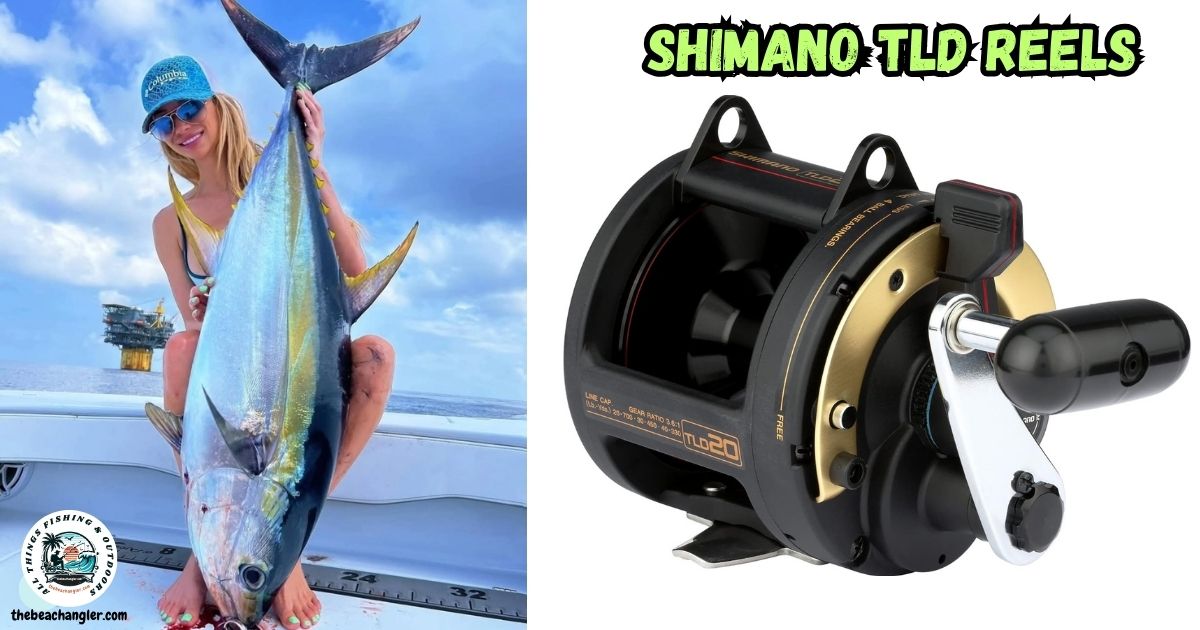
If you’re looking for a dependable and user-friendly conventional saltwater fishing reel, the Shimano TLD series has probably caught your attention. From my own time on the Gulf Coast, I’ve found TLD reels to be a popular pick among anglers who want reliable performance for everything from trolling to bottom fishing. In this article, I’ll walk you through what makes these reels special, how they perform in different fishing scenarios, and what you should know before deciding if they’re right for you.
QUICK LOOK: Best Uses for the Shimano TLD
- Nearshore and Offshore Trolling: TLD 15, 20, and 25 models work really well for species like kingfish, Spanish mackerel, dorado, and wahoo. The bigger TLD 30 and 50 step up for heavier trolling when you’re chasing large wahoo or smaller billfish offshore.
- Bottom Fishing: If you’re dropping down for snapper, grouper, or amberjack, I’ve found that the TLD 2050 sizes hold enough line and power for deep drops and can handle tough fights.
- Livebait Applications: When rigging up for kingfish or school tuna, the lighter TLD 15 or 20 is nimble for quick strikes and easy to hold for extended periods. Drag control is especially handy when livebait bites are unpredictable.
- Heavy Offshore and LongRange: If you go after yellowfin tuna, bigger amberjack, or deepwater species, the twospeed TLD II models are my recommendation. Low gear helps during grinding battles; high gear is great for clearing lines or fast retrieves.
Shimano TLD Reels: Full Overview
Shimano TLD reels are known for being lightweight, big-game, and built to handle saltwater abuse. These reels are especially popular along coastal areas like Texas, thanks to their combination of big-game capability and affordability. The TLD series covers a wide range, from inshore setups up to serious offshore models.
Whether you fish for snapper near the bottom, troll for kingfish, or target larger offshore species, there’s likely a TLD model that fits your needs. Shimano built the TLD series with anglers in mind who need gear that works hard without being too heavy or expensive.
These reels don’t have all the bells and whistles of the most premium models, but they do focus on the basics that matter. Strong materials, corrosion resistance, and straightforward drag systems that hold up over repeated use in salty water all come standard.
Key Features of the Shimano TLD Series
I’ve spent many days on the water with different TLD models, and I can say firsthand that some features make them stand out for all the right reasons. Here are some of the main features I appreciate:
- Graphite Frame & Sideplates: The body and side panels use graphite, which keeps the reel light in hand and helps reduce fatigue during long fights with strong fish.
- Stainless Steel Gear Train: The gears are sturdy and resist corrosion, which is really helpful when reels get splashed, dunked, or used regularly in saltwater.
- A-RB AntiRust Bearings: Shimano coats these bearings to last up to ten times longer in salty environments than standard bearings. I’ve noticed this helps keep reels smooth even after a long season.
- Lever Drag System: The lever drag makes it really easy to adjust drag settings smoothly throughout the fight and helps avoid jams or sudden changes that can cost you a fish.
- A Range of Sizes: The models range from the TLD 15 up to the TLD 50, covering everything from lighter inshore work to true big-gamereal-world fishing.
- Optional 2Speed Versions (TLD II): Some models offer a 2speed system, so I can drop to low gear during a tough battle or switch to high gear to bring in line quickly.
Pros and Cons: My Honest Experience
All reels have their ups and downs; the TLD is no exception. Here’s what stands out to me based on real-world use:
| Pros of the Shimano TLD |
|---|
| Lightweight, which really matters if you troll all day or run a lot of trips back to back. |
| Pretty tough when it comes to resisting saltwater and corrosion. |
| Costs a lot less than most all-metal offshore reels, so buying a few for a boat doesn’t break the bank. |
| The leverdrag system is simple and less likely to fail on the water. |
| Works for a lot of different fishing styles: trolling, bottom fishing, livebaiting, and more. |
| Cons of the Shimano TLD |
|---|
| The graphite frame can flex if you crank the drag up on larger fish, while full-metal reels hold steadier. |
| You won’t get the ultrasmooth operation and drag of high-end reels like the Shimano Tiagra. |
| Moderate drag capacity makes it less ideal for very big tuna or marlin. |
| Onespeed models can feel sluggish if you have to bring in a lot of line fast. |
Shimano TLD Reel Models and What They’re Good For
Each model in the TLD range is designed for a slightly different job. From my experience on both charter and private boats, here’s where these reels really shine:
- Nearshore and Offshore Trolling
TLD 15, 20, and 25 models work really well for species like kingfish, Spanish mackerel, dorado, and wahoo. The bigger TLD 30 and 50 step up for heavier trolling when you’re chasing large wahoo or smaller billfish offshore. - Bottom Fishing
If you’re dropping down for snapper, grouper, or amberjack, I’ve found that the TLD 2050 sizes hold enough line and power for deep drops and can handle tough fights. - Livebait Applications
When rigging up for kingfish or school tuna, the lighter TLD 15 or 20 is nimble for quick strikes and easy to hold for extended periods. Drag control is especially handy when livebait bites are unpredictable. - Heavy Offshore and LongRange
If you go after yellowfin tuna, bigger amberjack, or deepwater species, the twospeed TLD II models are my recommendation. Low gear helps during grinding battles; high gear is great for clearing lines or fast retrieves.
Important Considerations Before Buying a TLD Reel
Even though I’ve had a lot of good days with TLD reels, there are some points to think about so you get the right reel for your style and expectations:
- Graphite vs. Metal Frame: If you want ultimate strength or plan to max out your drag for huge fish, a fullmetal frame might be the way to go. For lighter or moderate loads, graphite keeps things manageable and saves weight.
- Onespeed vs. Twospeed: Think about your target species. The singlespeed TLDs are easy to use and cheaper, but I really value the twospeed option when I need to switch gears during tough fights or when big fish run deep.
- Maintenance: While TLD reels are easier to maintain than some advanced models, regular rinsing and occasional bearing lubrication help keep them working their best year after year.
- Right Size for the Job: Bigger is not always better. If you mostly fish inshore, a TLD 15 or 20 is easier to handle and more fun when chasing midsize fish. Only step up if you routinely target larger game.
Corrosion Resistance
I always look for gear that doesn’t give up after one season. The antirust bearings and robust graphite body do a really good job against corrosion. After months of use in high-salinity water, my TLD reels typically show far less wear and tear than some other budget reels I’ve fished in the same conditions.
Usability and Comfort
These reels sit comfortably in the hand, and the weight savings make a noticeable difference when you’re holding a rod all day. The drag lever is also easy to find by feel, which is a bonus when things get hectic during a bite.
Practical Examples: The TLD in Real Fishing Settings
I’ve seen plenty of setups featuring TLD reels both on charter boats and private skiffs. For example, in Port Aransas, many guides use TLD 20s and 25s almost daily for trolling and bottom fishing. They stand up to repeated charter use, which says a lot for reliability. I’ve landed kingfish and snapper with my own TLD 25, and it handled the runs, head shakes, and salt exposure impressively well for its price bracket.
If you ever get the chance to fish a long-range trip out of Texas or Florida, you’ll probably spot a few TLD 30 or 50 reels on deepdrop setups for big amberjack or tunas. Their high-line capacity and two-speed, heavy-duty option give anglers the flexibility to adapt as needed during tough offshore runs.
Frequently Asked Questions
Some questions come up a lot when people consider the Shimano TLD series for saltwater fishing. Here are a few I heard most often, along with answers from my own fishing experience:
Can the TLD series handle true big-game species?
For most Gulf Coast species, like kingfish, snapper, amberjack, and mahi, the TLD series does a good job. For very big tuna or marlin, you’ll want a heavy-duty, all-metalreel with more drag power.
Are TLD reels easy to maintain?
Yes, they’re less complicated than some premium reels. I rinse mine with fresh water after every trip and occasionally oil the bearings. This easy upkeep keeps them smooth and ready all season long.
Is the TLD good for beginners?
I think so. The controls are simple, and the drag system is straightforward. Even if you’re new to leverdrag reels, the TLD’s setup isn’t intimidating,, and you can learn as you go.
Should I get a single-speed or two-speed model?
If you often fish deep or target strong fighters, the twospeed is helpful. For general inshore or light offshore, a single-speed is fine and saves you some money.
Final Takeaway on the Shimano TLD
The Shimano TLD series stands out for its mix of reliability, light weight, and price. Whether I’m rigging for a day of trolling inshore or gearing up for a deeper offshore adventure, these reels hold up well and don’t wear me down.
For anglers on the Gulf Coast or anywhere saltwater reliability matters, TLD reels are an easy recommendation. They’re not the fanciest on the market, and they do have limits on the heaviest game, but for most saltwater applications, they’re a solid workhorse you can depend on time and again, and are a step-up in capability over the Shimano Triton series.
If you want even more detailed tips and tricks, check out Shimano’s own support guides or dig into regional forums that cover TLD setups for Gulf Coast fishing. These extra resources are a great way to track down upkeep secrets and different rigging ideas from seasoned anglers.
Wrapping up, if you’re picking out your next saltwater reel, don’t overlook the TLD series; they offer strong performance without the extra bulk or steep price tag of the most popular offshore reels.
Check Out Our Most Recent Articles:
- Best Surf Rods Under $150

- Targeting Tarpon In The Surf

- Secrets To Finding And Catching Snook

- 4 Tips for Targeting Striped Bass In The Surf
- Live Bait Vs Artificial Lures In The Surf

- The Reel Everyone Recommends Vs. The Reel That’s Built For Saltwater
As always, stay safe, enjoy the journey, and please try to leave it cleaner than you found it. If you have any comments, questions, ideas, or suggestions, please leave them in the comment section below, and I’ll get back to you ASAP. You can follow us on Facebook: Rex The Beach Angler, Instagram: thebeachangler7, Twitter: @AnglerBeach, and YouTube: Man Art Creations.
P.S. Thanks so much for checking out our blog; we really appreciate it. Just so you know, we may receive a commission if you click on some of the links that appear on our site. This helps us keep our content free and up-to-date for everyone. We appreciate your support!





A life long surf fisherman with 50+ years of experience, I am also an avid hunter and outdoorsman. I will be sharing my passion for the outdoors with you so be prepared for hunting, fishing, camping, hiking and more. Along with gear reviews and the latest trends and innovations in the outdoor industry.