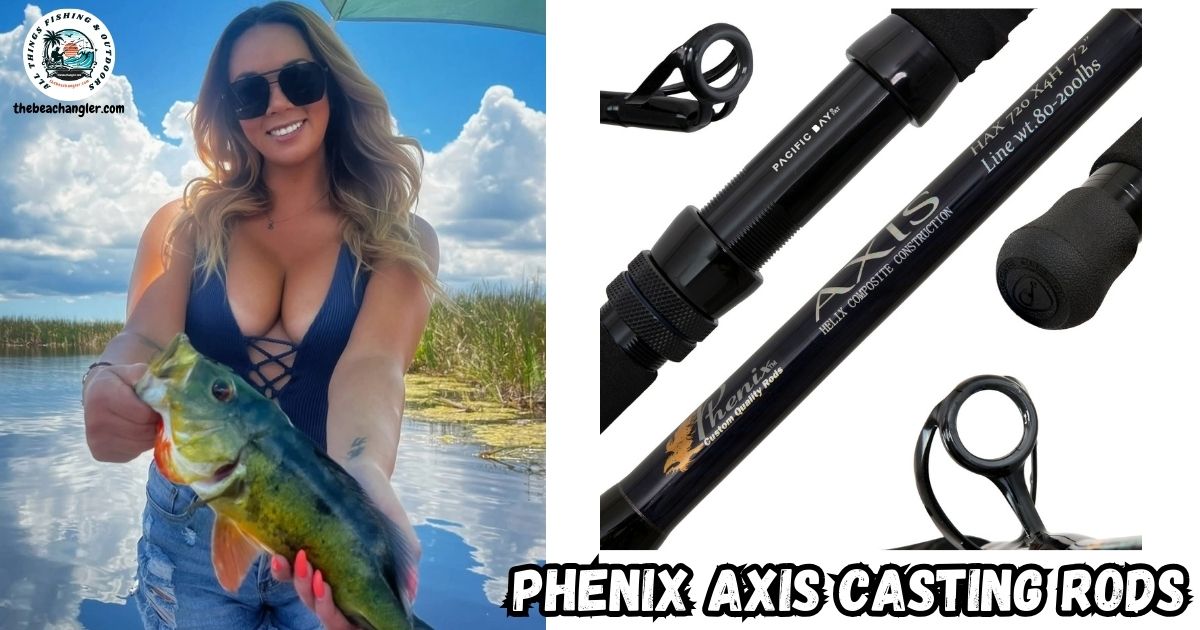
Phenix Axis Casting Rods have built a loyal following among saltwater anglers thanks to their lightweight build, sharp sensitivity, and sturdy backbone. Right away, I picked up on how every part of their design feels focused on high-end performance, far more than just a slick look on the water.
QUICK LOOK: Pros and Cons of the Phenix Axis Casting Rods
| Pros of Phenix Axis Rods |
|---|
| Lightweight but Sensitive: That composite construction makes each rod light in the hand and responsive, so I really pick up on gentle bites without losing casting ease. |
| Reliable Backbone: The rods have just enough flex in the tip for both casting accuracy and using live bait, but the midsection has enough grit to control hard-fighting fish. |
| Quality All the Way: Upgraded guides and reel seats mean fewer problems down the road, even with rough braid use and regular saltwater exposure. |
| Plenty of Choices: Whether your target is calico or yellowtail, or you chase bigger fish like tuna, there’s a rod in the Axis family for it. |
| Serious Rail Rods Available: If you chase big offshore fish, it’s rare to find production rods purpose-built for rail work—Axis gives you strong options. |
| Cons of Phenix Axis Rods |
|---|
| Price: Axis rods do cost more than other rods on the market, and the high-end materials and construction are reflected in those numbers. That can make it tough for anglers on a tight budget. |
| EVA Handle Life: From what I’ve seen, EVA handles, while comfortable, might start breaking down faster under harsh sun and saltwater—more quickly than the blank or guides do. |
| Some Unclear Sourcing: Sometimes, the specifics about component sourcing aren’t laid out in detail, which matters to those wanting only US-sourced or premium imported hardware throughout. |
If you’re weighing an upgrade to your saltwater arsenal, or just want more details about what makes this rod series stand out, let me break down why so many anglers go with Axis rods, how the models set themselves apart, and what details matter most before you make a choice.
What Sets Phenix Axis Casting Rods Apart?
Saltwater fishing is demanding: the environment is tough, the fish are stronger, and days on the water can be long. I found that the Phenix Axis Casting Rods are up to these challenges. The rods use a blend of SGlass, T16 carbon fiber, and graphite in their blank construction.
This combination provides a well-balanced mix of toughness and responsiveness, making each cast lighter without giving up the strength you need to handle a big catch. The multihelix construction featuring a spiral-wrapped design cranks up the rod’s strength-to-weight ratio. As a result, you get a thin, light rod that never feels weak or brittle.
Key Features and Components
Several design choices on the Axis series have a direct effect on rod performance. Here are some that really shine in use:
- Composite Blank Material: A smart mix—SGlass is used for flexibility, T16 carbon fiber for a boost in lifting power, and graphite makes the blank lighter but strong enough for saltwater battles.
- Multihelix Construction: The spiral wrap design locks in extra durability and helps tone down twisting or rod torque when you’re fighting a hard-pushing fish.
- Guide and Reel Seat Choices: Axis rods offer Fuji, Essex, or PacBay guides and reel seats from Fuji or Alps, depending on the model. These make sure your reel stays secure and your line moves smoothly, for better casting and fighting experience.
- Customizable Handles: Choices like Hypalon, EVA, or custom cork tape handles mean you can set a grip that really fits your hand and your style, adding serious comfort when you’re out on the water for hours.
- Rail Rod Versions: Select Axis rods come as true rail rods, outfitted with long foregrips to make using the boat’s rail for leverage easier during epic battles with tuna or other trophy fish.
Together, these details give a strong boost to rod sensitivity and durability, both critical advantages when you’re pulling big fish from the ocean’s depths.
Phenix Axis Model Options and Pricing
The Axis lineup isn’t just a single rod; there’s a whole roster, each with its own length, action, and power rating. This lets anglers pick the ideal match for their targets and local waters. Here’s a sample of what’s out there and how the pricing shakes out:
- HAXC 720MH: 7’2” long, set up for 20–40 lb. line. Solid choice for mediumweight saltwater action—calico, yellowtail, and similar fish.
- HAXC 720XH: Same length, but with a 30–80 lb. line rating for ramped-up strength.
- HAXC 680X3H: 6’8”, built to handle 60–130 lb. lines, so it’s right at home with heavier species like yellowtail or schoolie tuna.
- HAXC 800X4H: At 8’, this one handles 80–200 lb. lines—ready for serious biggame fishing.
- HAX760X4H Rail Rod: A 7’6” rod for the 80–200 lb. class, specifically tailored for tuna fishing with the rail style of fighting fish.
Pricewise, Axis rods start around $300 for standard models, with rail or custom versions climbing toward $500. Several factors, like handle material, components used, and where you pick up your rod, play into the exact price. Doing thorough research helps anglers choose the right model for their fishing plans and pocketbook.
Pros: Why I’m Sold on Axis Rods
- Lightweight but Sensitive: That composite construction makes each rod light in the hand and responsive, so I really pick up on gentle bites without losing casting ease.
- Reliable Backbone: The rods have just enough flex in the tip for both casting accuracy and using live bait, but the midsection has enough grit to control hard-fighting fish.
- Quality All the Way: Upgraded guides and reel seats mean fewer problems down the road, even with rough braid use and regular saltwater exposure.
- Plenty of Choices: Whether your target is calico or yellowtail, or you chase bigger fish like tuna, there’s a rod in the Axis family for it.
- Serious Rail Rods Available: If you chase big offshore fish, it’s rare to find production rods purpose-built for rail work—Axis gives you strong options.
Cons and Things To Keep in Mind
- Price: Axis rods do cost more than other rods on the market, and the high-end materials and construction are reflected in those numbers. That can make it tough for anglers on a tight budget.
- EVA Handle Life: From what I’ve seen, EVA handles, while comfortable, might start breaking down faster under harsh sun and saltwater—more quickly than the blank or guides do.
- Some Unclear Sourcing: Sometimes, the specifics about component sourcing aren’t laid out in detail, which matters to those wanting only US-sourced or premium imported hardware throughout.
As with any serious gear purchase, make sure to check your own priorities: top performance usually means some maintenance, and paying attention to the care of handles and guides will stretch your investment further.
Tips: Getting the Best from Your Axis Rod
Based on my time fishing with Axis rods, here are a few practical ideas to help you get great results:
- Use the Right Power for the Right Fish: Don’t overwork a rod by pairing it with out-of-range fish. For calico and yellowtail, the 2040 lb. model shines. I bump up to 80200 when going after tuna offshore.
- Pair with TopNotch Reels: This rod deserves a solid, smooth reel. Make sure the seat fits your preferred size, especially if you’re gearing up for big battles.
- Rinse After Every Use: Even though Axis rods are built for saltwater, rinsing every part—including guides and reel seat—after each outing is key for long-term reliability.
- Keep an Eye on Your Handle: Don’t let worn-out handle material get worse—replace it sooner rather than later so you have a firm grip even during long fights.
Common Axis Rod Questions, Answered
I get plenty of questions about Phenix Axis rods. Here are some popular ones you might be wondering about, too:
Are these rods too light for tackling bigger offshore fish?
The blank’s structure and composite blend pack plenty of backbone, so even when chasing big tuna, the rod can take the load—just use the right model.
Do I really need a rail rod for tuna?
If you’re going to fish the rail technique regularly, picking up a railrod model like the Axis HAX760X4H makes things easier, and the long foregrip boosts both comfort and control when a fish drags you to the rail.
Is it worth upgrading to a custom handle?
If you’re logging long hours or targeting heavy hitters offshore, swapping to cork tape or another custom handle material can stretch the rod’s life and really ramp up comfort on multi-day trips.
Who Gets the Most Value from the Phenix Axis Casting Rods?
In my experience, Axis rods really shine for those who fish saltwater often and push their gear hard. If you’re a dedicated offshore angler or regularly take on yellowtail, barracuda, or schoolie tuna, Axis rods earn their price in sensitivity and durability.
If you’re newer to fishing or just hit the salt a few times a year, the cost and high-end build might be more than you need, but if reliability and performance are top of your list, it’s a strong option to check out. The right model, paired with your fishing style and regular upkeep, will keep Phenix Axis Casting Rods feeling like trusted tools for even the toughest days on the ocean.
Check Out Our Most Recent Gear Review Articles:
- Best Surf Rods Under $150
- The Reel Everyone Recommends Vs. The Reel That’s Built For Saltwater
- Reviewing The New Kaku Kayaks
- The Okuma Cavalla 2 Speed Lever Drag Reel
- Berkley Gulp Ripple Mullet
- Seviin GW Series Spinning Reels
As always, stay safe, enjoy the journey, and please try to leave it cleaner than you found it. If you have any comments, questions, ideas, or suggestions, please leave them in the comment section below, and I’ll get back to you ASAP. You can follow us on Facebook: Rex The Beach Angler, Instagram: thebeachangler7, Twitter: @AnglerBeach, and YouTube: Man Art Creations.
P.S. Thanks so much for checking out our blog; we really appreciate it. Just so you know, we may receive a commission if you click on some of the links that appear on our site. This helps us keep our content free and up-to-date for everyone. We appreciate your support!





A life long surf fisherman with 50+ years of experience, I am also an avid hunter and outdoorsman. I will be sharing my passion for the outdoors with you so be prepared for hunting, fishing, camping, hiking and more. Along with gear reviews and the latest trends and innovations in the outdoor industry.