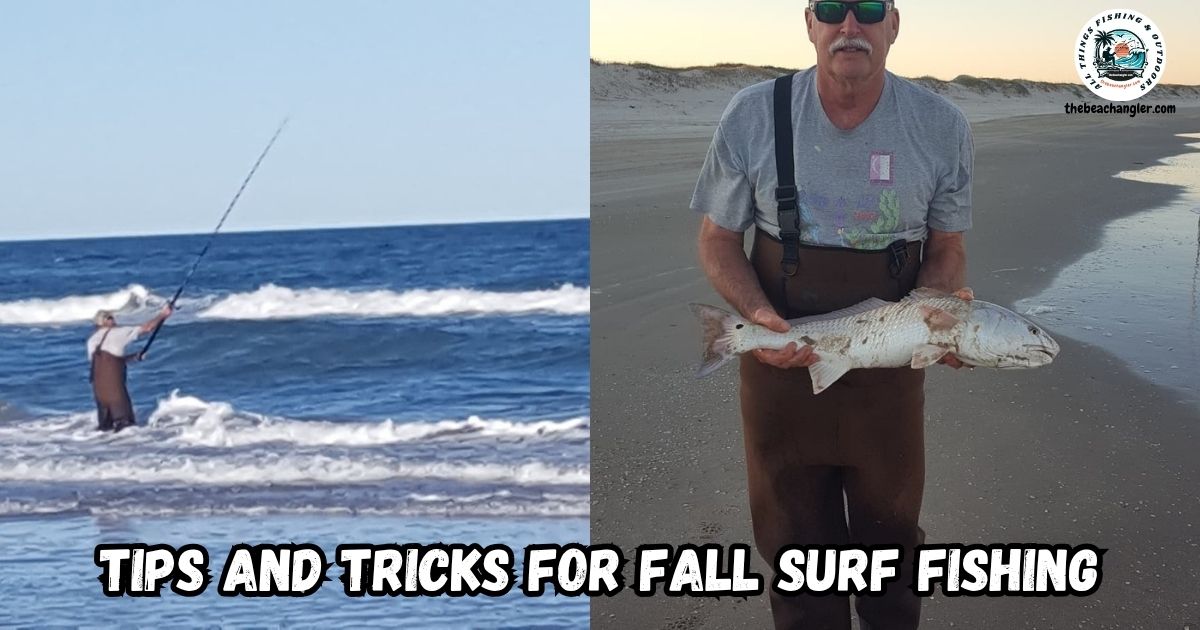
Fall surf fishing holds a special place in my fishing calendar. Cooler air, migrating fish, and less crowded beaches make this season appealing for anyone who wants solid action on the shoreline. I rely on a mix of experience, observation, and practical prep to get the most out of these months. Here, I’m sharing my tips, favorite rigs, and reliable gear choices to help both new and seasoned anglers enjoy more productive surf sessions as temperatures drop.
QUICK LOOK: Tips and Tricks for Fall Surf Fishing
- Tide timing: Two hours before and two hours after high tide have given me my biggest catches. This window sees baitfish on the move and predators coming closer to shore.
- Don’t overlook the first trough: I’m surprised how many good fish hang just yards off the sand. My first casts always go short before I start making longer ones. Many large fish see the shallow wash as an easy hunting ground.
- Steady movement: Instead of letting bait sit, I use slow, steady retrieves or twitch lures to spark a reaction bite, especially in moving water.
- Night fishing: Large fish, especially stripers and blues, get bolder under the cover of darkness. I use lures with a little glow or reflective finish and keep a headlamp handy.
- After a storm, I visit beaches where new cuts have formed. These fresh structures often hold fish that move in quickly.
- I look for beaches with minimal seaweed, which can gum up my rigs and make fishing frustrating.
- I keep a lightweight backpack with essentials: pliers, knife, small tackle tray, snacks, and plenty of water. Efficient packing lets me move up and down the beach easily, chasing feeding frenzies when they appear.
- When I run into other anglers, I don’t mind chatting. Trading tips or sharing what baits are working can make the day more fun and productive for everyone.
- If I see a group of birds diving persistently, I hurry over and cast in that area. Sometimes, the action only lasts a few minutes, and being ready can pay off.
Why Fall Is a Prime Surf Fishing Season
I always look forward to autumn for one big reason: fish feed heavily before winter. Many species, such as striped bass, bluefish, red drum, speckled trout, and more, move south and closer to the surf zone while chasing bait schools. The water remains warm enough for fish to stay active, but not so warm that they become sluggish. For me, fall creates the perfect storm for lots of bites and a shot at some large, healthy fish before the winter slow-down.
I also notice less beach traffic in fall, which means I can focus on reading the water and finding fish instead of jockeying for a spot. This lower pressure can result in more aggressive feeding behavior and better odds for anglers willing to put in the effort.
One overlooked benefit of fall surf fishing is the changing scenery—autumn sunrises and sunsets are truly eye-catching, and the crisp air brings a different pace to the beach. Quiet moments while waiting for a strike let me soak in the beauty of the season, something I always appreciate about this time of year.
How to Find the Best Surf Fishing Spots in Fall
Location matters more than any lure or bait in my kit. In fall, fish relate strongly to structure and changing tides. Here’s what I look for:
- Natural structures: Jetties, rocks, and sandbars always attract baitfish. Predators follow closely. I walk the beach and watch where waves break unevenly, since these are hints about underwater contours holding fish.
- Deeper troughs and cuts: I pay close attention to troughs or deeper pockets just outside the breaking waves; these areas often act as fish highways, especially as tides switch up.
- Inlets and outflows: Anywhere freshwater or tidal creeks meet the ocean, I find both baitfish and aggressive feeders gathered for an easy meal.
During fall, I spend extra time scouting during low light. Fish like striped bass move closer to shore at dawn, dusk, and even in full darkness. Spotting bird activity is another quick tip. Birds diving often point to bait schools close by.
In addition to natural features, I make it a habit to look for recent changes in the beach’s layout caused by storms or shifting tides. Fresh cuts or new sandbars can pop up after heavy weather, and these temporary features often draw fish in. Using local fishing forums or checking in with nearby tackle shops can also help track down hot spots that have been producing lately.
Choosing the Right Baits and Lures
Matching the hatch is really important. In fall, many predatory species focus on dense schools of migrating baitfish such as mullet, menhaden, and anchovies. Here’s what has worked best for me:
- Soft plastics (e.g., paddletails, jerkbaits): I use these to mimic baitfish. A 4- to 6-inch paddletail in silver, white, or olive usually gets hits from both bass and bluefish. I rig them on ½ to 1-ounce jig heads for enough casting distance.
- Cut or live bait: Fresh cut mullet, bunker, or squid can’t be beat for scent and realism. I carry a small cooler and keep my bait fresh with a little ice, especially if I’m planning a long session.
- Jigs: Bucktail jigs with a teaser fly ahead of the hook do double duty, imitating bait and getting to the right depth.
- Spooning: Metal spoons shine when I need distance and want to cover water, especially under windy fall conditions.
Whenever I spot a shrimp or sand flea run, I’ll switch things up and use shrimp-pattern soft baits or try digging up live sand fleas right at the water’s edge. Natural scents and presentation can make a big difference when fish are keyed in on certain prey. Sometimes, even using fresh clams or bloodworms can change a slow day into a good one, depending on what species are active along your beach.
Adapting Techniques for Fall Surf Conditions
Tides, currents, and changing light all play a role in fall. I tweak my technique depending on conditions to keep my presentation as realistic as possible:
- Tide timing: Two hours before and two hours after high tide have given me my biggest catches. This window sees baitfish on the move and predators coming closer to shore.
- Don’t overlook the first trough: I’m surprised how many good fish hang just yards off the sand. My first casts always go short before I start making longer ones. Many large fish see the shallow wash as an easy hunting ground.
- Steady movement: Instead of letting bait sit, I use slow, steady retrieves or twitch lures to spark a reaction bite, especially in moving water.
- Night fishing: Large fish, especially stripers and blues, get bolder under the cover of darkness. I use lures with a little glow or reflective finish and keep a headlamp handy.
Persistence pays off in fall, especially since many fish feed in short, aggressive bursts instead of all day long. Adjusting techniques to suit the water clarity, wind, and current is important for getting more strikes. If I notice a lull in action, I might upsize or downsize my bait or lure to find out what gets a bite.
Tackle and Gear for Reliable Fall Surf Action
My go-to fall surf fishing setup is built for distance and durability. Here’s how I break it down:
- Rod and reel: I like a 9- to 11-foot spinning rod with medium-heavy power for casting baits and lures up to two ounces. A sturdy reel with good drag is important for handling long runs and heavy fish.
- Line selection: I spool my reels with 30–40-pound braided line for extra casting distance, topped with a few feet of 30–50-pound fluorocarbon leader to prevent biteoffs from toothy fish.
- Rigs: High-low rigs let me fish two baits at once. Fishfinder rigs work great when I’m using live bait. Circle hooks help with clean hook sets and make unhooking easier for me and the fish.
- Sinkers: Pyramid sinkers stay put in rough surf. I keep a range of weights from 1 to 4 ounces to adjust for wave strength and current.
I also keep extra leaders, split rings, and pliers handy so I’m ready for quick fixes on the beach. For me, being prepared saves a lot of time and frustration. A good sand spike rod holder and a small cutting board can make bait prep smoother and give my rod a safe place while waiting for bites. Bringing a small first aid kit is never a bad idea, since dealing with hooks and fish can lead to unexpected nicks or scrapes.
What to Wear: Staying Warm and Dry
Fall weather changes fast. I focus on comfort and safety by layering:
- Moisture-wicking base layers keep sweat off my skin.
- An insulating midlayer like fleece for warmth.
- A waterproof windbreaker or shell fights off chilly sea spray.
- Waterproof boots and waders when I’m dealing with wet sand or rocky jetties.
I always pack extra dry clothes in a waterproof bag and bring hand warmers for extra chilly mornings or nights. Proper gear means I can fish longer and stay focused, which always leads to better results. Even on milder days, an unexpected rain shower or strong wind can chill you if you’re not dressed properly, so I never skip prepping for the unexpected.
Keeping Safety in Mind
Surf fishing means dealing with changing tides, rough water, and slippery terrain. Here’s how I keep safety at the forefront:
- I fish with a buddy whenever possible. If I’m solo, I make sure someone knows my plans and expected return time.
- Before heading out, I check local tide charts and weather forecasts. Rising tides can cut off access, and storms develop fast.
- Nonslip boots or cleats are a must on rocks, especially after rain or when seaweed is present.
- I’m always careful when casting and handling hooks; even a quick distraction can lead to an accident.
- I don’t skip sunscreen and UV-protective gear, even on cloudy fall days. Sunburns sneak up on you at the beach.
Taking these simple steps gives me peace of mind and more time to focus on fishing. Having a small waterproof flashlight or headlamp, plus a whistle or signaling device, can make a difference if you’re fishing early, late, or during low visibility. Safety is as much about preparing ahead as watching your step while out on the water.
Extra Tips From My Own Surf Fishing Experience
Some tricks I’ve picked up over the years have helped me squeeze the most out of every fall trip:
- After a storm, I visit beaches where new cuts have formed. These fresh structures often hold fish that move in quickly.
- I look for beaches with minimal seaweed, which can gum up my rigs and make fishing frustrating.
- I keep a lightweight backpack with essentials: pliers, knife, small tackle tray, snacks, and plenty of water. Efficient packing lets me move up and down the beach easily, chasing feeding frenzies when they appear.
- When I run into other anglers, I don’t mind chatting. Trading tips or sharing what baits are working can make the day more fun and productive for everyone.
- If I see a group of birds diving persistently, I hurry over and cast in that area. Sometimes, the action only lasts a few minutes, and being ready can pay off.
If you’re just starting with fall surf fishing, don’t get discouraged by slow starts. Take notes after each trip about what worked and what didn’t. Over time, you’ll build a playbook that gets better each season. Sharing these insights with fellow anglers pays off, too, since everyone learns faster and the community grows stronger.
Common Questions About Fall Surf Fishing
Here are some questions I often hear, along with my straightforward answers:
What’s the best time of day for fall surf fishing?
I’ve had the most luck early in the morning, just before sunrise, and during the evening around sunset. These periods line up well with baitfish movement, and predators are usually closer to shore.
Can I catch big fish close to shore in fall?
Yes. Larger fish frequently come right into the wash to hunt, especially under low-light or rough surf conditions. I always make some short casts; it’s how I’ve hooked some of my heaviest stripers and drum.
What should I do if I’m not catching fish?
I try moving up and down the beach until I find better structure or signs of baitfish. Sometimes, switching lures, adjusting retrieval speed, or freshening up cut bait makes the difference. Staying flexible always helps.
Fall Surf Fishing: A Season Worth the Effort
Fall surf fishing is something I look forward to each year. The combination of bigger fish, active feeding, and beautiful beach days is tough to resist. With the right approach, including scouting spots that hold fish, matching bait to what’s in the water, using dependable gear, and staying safe, I’ve had some of my most memorable fishing trips in the fall. I hope these tips help you do the same. Time to grab your rod, hit the sand, and make some memories while the bite is hot.
Check Out Our Most Recent Articles:
- Seviin GW Series Spinning Reels
- New Mirrolure Chameleon Series Lures
- Field-testing The Quantum Benchmark Spinning Reel
- Z-man Swag Lt Swimbait
- Kastking Kapstan Se Saltwater Spinning Reel
- The Daiwa Crosscast Surf Reel
As always, stay safe, enjoy the journey, and please try to leave it cleaner than you found it. If you have any comments, questions, ideas, or suggestions, please leave them in the comment section below, and I’ll get back to you ASAP. You can follow us on Facebook: Rex The Beach Angler, Instagram: thebeachangler7, Twitter: @AnglerBeach, and YouTube: Man Art Creations.
P.S. Thanks so much for checking out our blog; we really appreciate it. Just so you know, we may receive a commission if you click on some of the links that appear on our site. This helps us keep our content free and up-to-date for everyone. We appreciate your support!





A life long surf fisherman with 50+ years of experience, I am also an avid hunter and outdoorsman. I will be sharing my passion for the outdoors with you so be prepared for hunting, fishing, camping, hiking and more. Along with gear reviews and the latest trends and innovations in the outdoor industry.