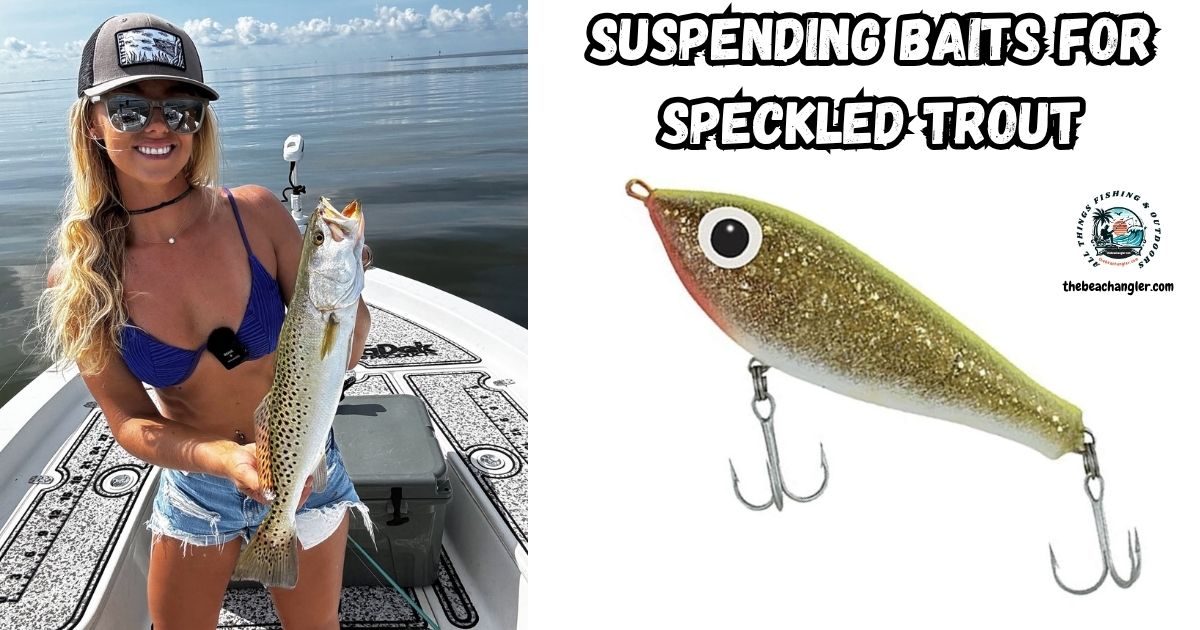
Finding trophy speckled trout often comes down to how convincingly I can present bait in the right spot, for the right amount of time. Suspending baits have become my go-to choice, especially when the biggest fish in the water are wary or sluggish.
QUICK LOOK: Tips for Using Suspending Baits for Trophy Speckled Trout
- Use lighter line: Lighter lines give a more natural action and let the lure suspend correctly. Four-pound fluorocarbon is my starting point, but I move up in diameter if the cover is thick or fish are running very large.
- Make small modifications: If your lure floats up or sinks too quickly, tweak it with SuspenDots, slightly larger hooks, or even a new split ring until it’s just right. Checking the action in the water before you fish saves time and headaches later.
- Match colors to forage: For clear water, I use shad, rainbow, or brown trout patterns. In stained or murky conditions, brighter colors like chartreuse or orange work much better. I also like flashy metallic finishes when there’s little sun or at dusk.
- Pay attention to retrieve timing: Sometimes it’s the tiniest adjustment in pause length or twitch intensity that sets off a bite. If you see trout following but turning away, try changing up the rhythm until you find what works.
Using these lures keeps them in the strike zone longer, mimics injured prey, and increases my odds of catching truly memorable fish. I’ll walk through why suspending baits work, the gear I rely on, plus some details on the retrieves and spot selection that have helped me catch trophy trout. There’s also a quick checklist and a detailed FAQ to make sure you’re prepared for anything.
Why Suspending Baits Work for Big Trout
When trout get selective or water temperatures drop, their feeding habits change. I’ve noticed that big trout tend to hold close to structure or position themselves in current seams, patiently watching for meals that require almost no effort.
Suspended baits, whether commercial jerkbaits or customized hard plastics, allow me to hold my lure at the right depth instead of it drifting out of the strike zone. This means I can keep tempting a wary fish for longer, increasing my odds.
The slow, nearly motionless movement of a suspending bait perfectly mimics a wounded or vulnerable prey fish. From my experience, large trout are especially drawn to this because it represents an easy target.
If I’m fishing in cold, clear water, especially during early spring, late fall, or winter, getting a lure to suspend just inches from a big trout can be the difference between a follow and a strike. Giving the bait those few extra moments in front of the fish is usually what gets the bite.
Types of Suspending Baits and How to Make Them Work
There are a bunch of lures that help me get a suspending action, and a few tricks for making other baits act the same way. Here’s what I reach for most often, plus some thoughts on experimenting with buoyancy:
- Suspending jerkbaits: These are probably my top pick for targeting trophy speckled trout. They’re made to hover in place during the pause of a retrieve. Baits like the Mirrolure Mirrodine, or Paul Brown Fat Boy are favorites. They tend to have perfect balance right out of the box, but sometimes a tiny adjustment helps. Matching the size of your bait to the local forage, usually in the 3 to 5-inch range, is key.
- Modified hard baits: Some sinking or floating hard baits can be tuned to suspend. I’ve tried adding a little lead tape under the chin or using products like SuspenDots or SuspenStrips. Even something as simple as swapping your hooks for a heavier or lighter type can help get that perfect balance. It pays off to experiment in a bucket or at the water’s edge until the bait hangs just right.
- Semi-suspending soft plastics: Certain soft baits and swimbaits, like the Berkley Powerbait Nessie Glide Bait, or Gulp! Alive! Paddleshad rigged on a lightweight jighead, giving a near-suspending action. The trick is to use a jighead that is just heavy enough to keep it level and not let it thud to the bottom. Pausing your retrieve and letting the bait flutter near the bottom helps it look like a struggling baitfish, which can be irresistible to big trout.
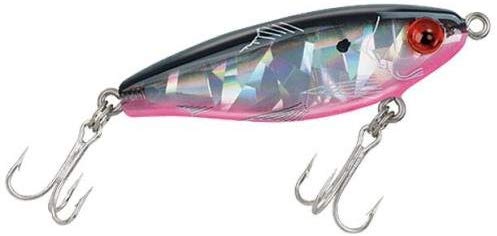
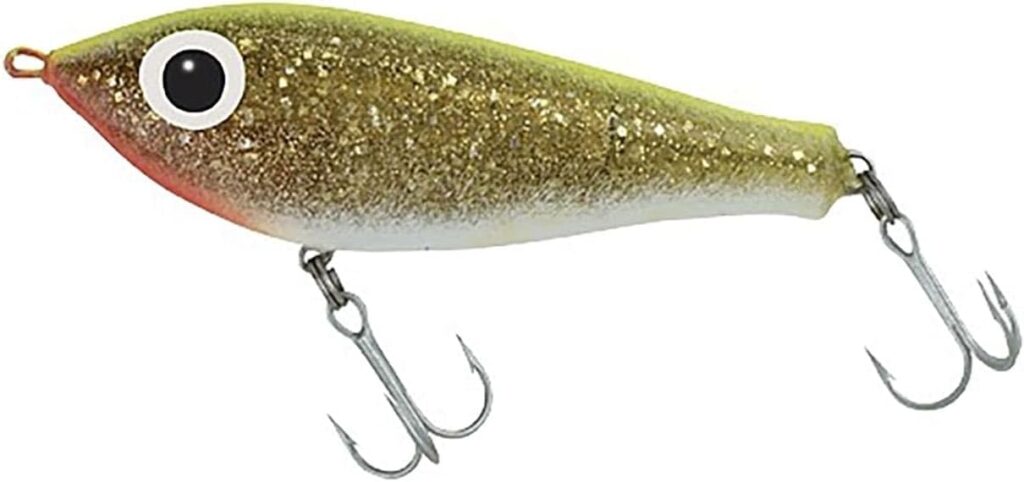
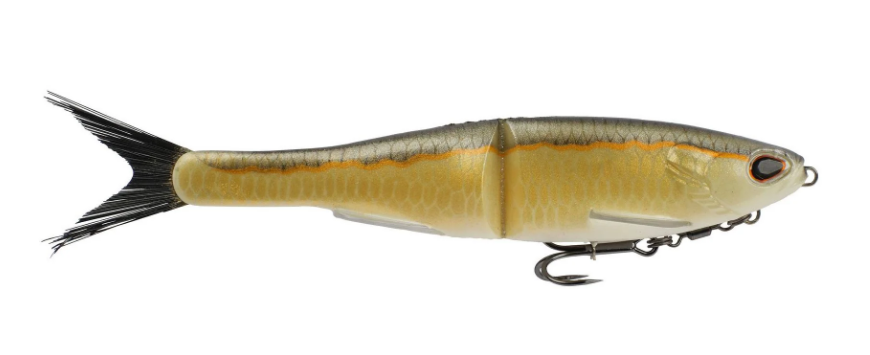
Don’t be afraid to mess around with stick-on weights and split rings at home, even using a glass of water or a small tank to check if a modified lure is truly suspending.
Gear Setup for Suspending Bait Presentations
Choosing the right tackle for suspended baits is pretty simple, but the small changes you make can have a big impact on your results. Here are my most dependable setups and a few tips to go along with them:
- Rods: A medium-heavy spinning rod between 6 and 7 feet gives me the best mix of casting range and twitch control. I like a soft tip for subtle rod actions, but enough backbone to fight big trout in current.
- Reels and line: I always prefer a spinning reel spooled with 10 or 12-pound fluorocarbon. Sometimes, I’ll use a super-thin braid as the main line and a long fluorocarbon leader; this combo allows me to cast farther, and still have enough strength to land a trophy trout. The fluorocarbon is practically invisible and gives the lure better action in clear water.
- Snap connectors: I use the smallest snap or snap swivel practical. This lets me change baits without retying, saving both time and damaged line on cold days. Keeping hardware minimal helps avoid spooking trout with extra flash.
One extra tip: Always double-check your knots with suspending baits since these presentations often produce those “just barely hooked” strikes you don’t want to lose.
Top Techniques: How I Fish Suspending Baits for Trophy Trout
How you work a suspending bait can matter just as much as the lure itself. Through many outings and lots of trial and error, these retrieves have brought in the most fish for me:
- Twitch and pause: This is my main retrieve. After casting, I twitch the rod tip once or twice, then let the lure sit. A pause of 1 to 5 seconds is standard, but in really cold water, I’ll let it hang up to ten seconds. Almost every strike happens when the bait isn’t moving, so patience pays off.
- Current-assisted drift: Using the current caused by wind, waves, and tidal movements. The water’s flow does most of the work, mimicking a wounded baitfish being swept along. I target the tail ends of pools or seams behind rocks where big trout hang out.
- Slow roll and twitch: Especially in cold months, I’ll retrieve incredibly slowly, stopping every crank turn or two for a short pause and a twitch. The key is letting the bait stay visible right where trout expect an easy meal.
Mixing up the retrieve speed and pause length, especially if you’re getting follows but not bites, is a smart move. Trophy fish can be picky, so changing things up until you find what triggers a strike is always worth the effort.
Spot Selection: Where Suspending Baits Shine
Finding the best water to fish suspended lures takes some experience. Here are the kinds of places where I’ve had the most consistent success, plus a couple extras for specific conditions:
- Deep pockets and channels: Most bays and inshore waters have distinct deep spots that hold bigger trout, especially during cold weather. Suspending baits let me keep my lure right in a fish’s face longer than any other type of lure I’ve tried.
- Eddies and current breaks: The backsides of reefs, along sand bars, jetties, bridge pilings, or anywhere current is slowed, are classic spots for big fish to ambush prey. Placing a bait so it hovers just outside a current seam looks natural and gets noticed fast.
- Sand flats next to deeper mud bottom areas: During cold weather months, trout retreat to deeper, warmer water with dark muddy bottom. But on sunny days, the shallow sandy flats warm faster and trophy specks can be found warming themselves in the skinny warm waters.
- Inlets and transitions: Where backlakes and marshes drain into the bay or where sand meets mud or grass, trout patrol for food. Suspending baits are effective for working through these transitions slowly and methodically.
- Locate the Bait: If baitfish are present, there is a good chance that trout will be lurking, looking for a meal. Cast near pods of baitfish and work your bait slowly and erratically to imitate a wounded baitfish.
Tips That Have Worked for Me
- Use lighter line: Lighter lines give a more natural action and let the lure suspend correctly. Ten-pound fluorocarbon is my starting point, but I move up in diameter if the cover is thick or fish are running very large.
- Make small modifications: If your lure floats up or sinks too quickly, tweak it with SuspenDots, slightly larger hooks, or even a new split ring until it’s just right. Checking the action in the water before you fish saves time and headaches later.
- Match colors to forage: For clear water, I use shad, mullet, or other natural patterns. In stained or murky conditions, brighter and darker colors like chartreuse or orange work much better. I also like flashy metallic finishes when there’s little sun or at dusk.
- Pay attention to retrieve timing: Sometimes it’s the tiniest adjustment in pause length or twitch intensity that sets off a bite. If you see trout following but turning away, try changing up the rhythm until you find what works.
Common Questions About Suspending Baits for Trophy Trout
When do trophy trout bite best on suspending baits?
Most of my success has come in early spring and late fall, especially when water temps cool down and big trout spend more time midwater. Overcast days, dawn, and dusk are usually best, but I’ve still caught plenty of fish in full sunlight in clear conditions by working the bait slowly.
How do I know if my bait is truly suspending?
The simplest way is to watch your lure between twitches. If it neither rises nor sinks when paused, it’s suspended right. Any fast movement up or down means you need to adjust weight, hooks, or line size until it hovers at the right level.
Can I use suspending baits in rivers?
Definitely. The current actually helps make these lures effective. I cast upstream or crosscurrent, let the current push the bait just above the bottom or structure, and use soft twitches. The moving water keeps the bait in the strike zone longer and creates a lifelike presentation.
Quick Checklist: Getting Results with Suspending Baits
- Pick the right lure: Choose proven jerkbaits or modify your favorites with stick-on weights or new hooks for a neutral balance.
- Use the right rod, reel, and line: Light, clear lines, or braid, and a sensitive rod are crucial for subtle retrieves and detecting soft bites.
- Fine-tune your retrieve: Focus on pauses, twitches, and changing cadence when you’re not getting bit.
- Target prime spots: Fish deep holes, current seams, areas with a dark muddy bottom, and marsh drains where big trout wait for easy meals.
- Adjust as you go: Don’t be afraid to tweak your setup, change colors, or make minor modifications until you crack the code for that day’s conditions.
Suspending baits have totally changed how I fish for trophy trout and have led to many of my most unforgettable catches. With a little experimentation, thoughtful tweaks, and attention to detail, these techniques can help anyone find success and connect with the giants lurking in their favorite waters.
Check Out Our Most Recent Articles:
- Piscifun Saltflow Rod Review
- Winter Surf Fishing On The US West Coast

- The Abu Garcia Beast Low Profile Reel

- 6 Tips to Using Slider Rigs For Surf Fishing
- Daiwa Seaborg Electric Reels
- 9 Winter Surf Fishing Tips For Stripers

As always, stay safe, enjoy the journey, and please try to leave it cleaner than you found it. If you have any comments, questions, ideas, or suggestions, please leave them in the comment section below, and I’ll get back to you ASAP. You can follow us on Facebook: Rex The Beach Angler, Instagram: thebeachangler7, Twitter: @AnglerBeach, and YouTube: Man Art Creations.
P.S. Thanks so much for checking out our blog; we really appreciate it. Just so you know, we may receive a commission if you click on some of the links that appear on our site. This helps us keep our content free and up-to-date for everyone. We appreciate your support!





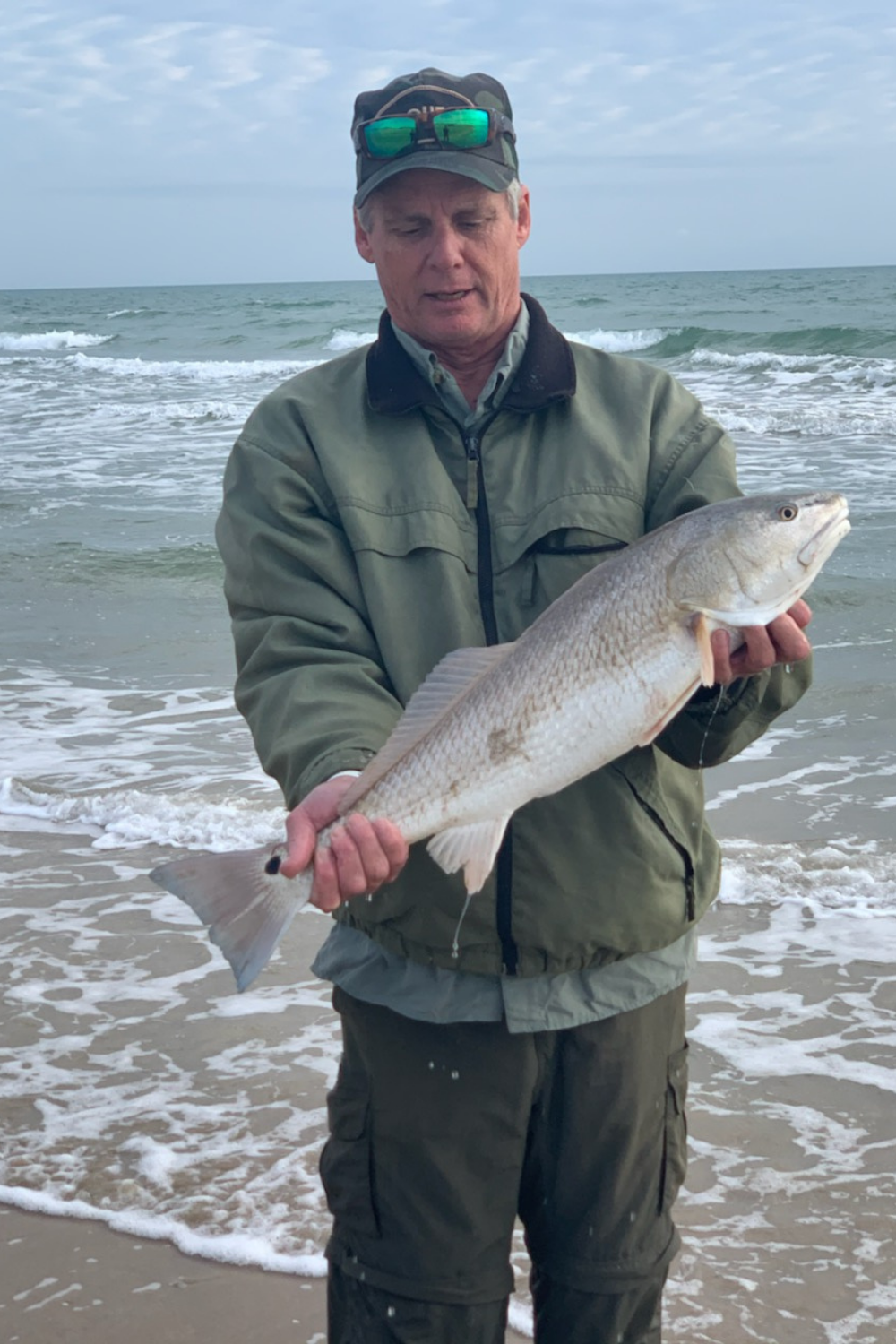
A life long surf fisherman with 50+ years of experience, I am also an avid hunter and outdoorsman. I will be sharing my passion for the outdoors with you so be prepared for hunting, fishing, camping, hiking and more. Along with gear reviews and the latest trends and innovations in the outdoor industry.