
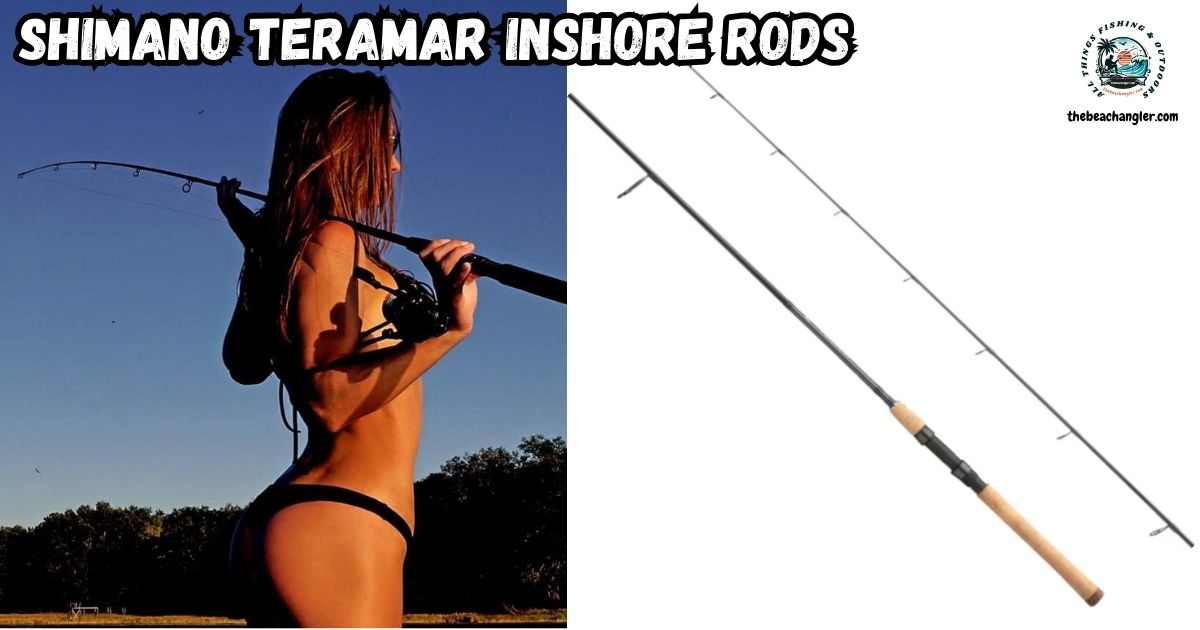
The Shimano Teramar Inshore Series has earned a strong reputation among saltwater anglers who rely on dependable gear for inshore fishing. When picking a rod in this category, I find it’s essential to have something lightweight, responsive, and tough enough to handle hard-running species.
QUICK LOOK: Key Features of the Shimano Teramar Inshore Rods
- TC4 Blank Construction: Shimano’s signature TC4 blends a T-Glass core with a spiral graphite wrap. The result is a rod that stays light in the hand but still has the flex and power to turn powerful fish, perfect for preventing fatigue during day-long trips without sacrificing strength.
- Regional Design Focus: Models are tailored for Northeast, Southeast, and West Coast fisheries. This means you often get the perfect action and power for the usual baits and fish of your area.
- Quality Guides and Reel Seats: Most Teramar SE rods sport SeaGuide Zirconia or Fuji guides, both of which can take the abuse of braided line and saltwater. Reliable Fuji or custom reel seats make sure your reels stay locked and steady.
- Comfortable Grips: Depending on the model, you’ll find full cork or split cork, along with EVA—each designed for all-day comfort and a secure grip, even when your hands are wet or covered with fish slime.
- Refined Aesthetics: The modern Teramar rods look sharp. I notice a clean, updated design with blue and silver highlights; the cork-EVA blend is a classic touch where it’s wanted.
- Rubber Gimbal on Heavier Models: Some rods offer a rubber gimbal butt for keeping the rod steady in a holder or against a fighting belt. This is especially helpful for protracted battles with strong fish.
The Teramar lineup covers plenty of ground, from back-bay speckled trout to brawling jacks and stripers. In this guide, I’ll walk through what sets these rods apart, how their regional differences help you match local fishing conditions, and what you can expect when it comes to performance and value.
Shimano Teramar Inshore Series Overview
Shimano’s Teramar Inshore rods stand out thanks to their TC4 blank construction, offering a balance of sensitivity and backbone. The series breaks down into several regional models, each designed for the tactics and fisheries common to the East Coast, Gulf, and West Coast.
I respect that Shimano knows inshore fishing isn’t the same everywhere; pitching shrimp at redfish in a marsh is a completely different experience from tossing swimbaits into Pacific kelp beds. This dedication to regional design means you can find a great fit, whatever your local challenge may be.
The series features both spinning and casting rods, so whether I’m tossing light artificials, working bait under a popping cork, or muscling big snook out of structure, there’s a rod in the lineup to do the job. Key differences across Teramar models boil down to guide type, grip material, and specific blank technologies tailored for local conditions.
Main Features of Shimano Teramar Inshore Rods
I always look closely at rod specs, and the Teramar series packs in some thoughtful features crafted for inshore use:
- TC4 Blank Construction: Shimano’s signature TC4 blends a T-Glass core with a spiral graphite wrap. The result is a rod that stays light in the hand but still has the flex and power to turn powerful fish, perfect for preventing fatigue during day-long trips without sacrificing strength.
- Regional Design Focus: Models are tailored for Northeast, Southeast, and West Coast fisheries. This means you often get the perfect action and power for the usual baits and fish of your area.
- Quality Guides and Reel Seats: Most Teramar SE rods sport SeaGuide Zirconia or Fuji guides, both of which can take the abuse of braided line and saltwater. Reliable Fuji or custom reel seats make sure your reels stay locked and steady.
- Comfortable Grips: Depending on the model, you’ll find full cork or split cork, along with EVA—each designed for all-day comfort and a secure grip, even when your hands are wet or covered with fish slime.
- Refined Aesthetics: The modern Teramar rods look sharp. I notice a clean, updated design with blue and silver highlights; the cork-EVA blend is a classic touch where it’s wanted.
- Rubber Gimbal on Heavier Models: Some rods offer a rubber gimbal butt for keeping the rod steady in a holder or against a fighting belt. This is especially helpful for protracted battles with strong fish.
Breakdown of Regional Teramar Models
One thing I like is how Shimano splits the Teramar range into specific regional models. Choosing the right rod is easier when it’s built for your home waters. Here’s a snapshot of each lineup:
Teramar Southeast (SE)
The SE models are well-suited for anglers along the Gulf Coast and Southeast Atlantic. They target trout, redfish, snook, and even smaller tarpon with ease. SE rods rely on the classic TC4 blank, SeaGuide guides, and timeless cork grips.
Power ratings range from mediumlight for tossing small jigs to heavy models made for slinging mullet and battling drum or tarpon. The fast action is accurate for casting lighter baits and forgiving enough to buffer wild runs from inshore bruisers.
Teramar Northeast (NE)
For the northern coasts, the NE models step up to suit those after stripers, bluefish, fluke, and blackfish. Their continued use of TC4 blanks, combined with durable EVA grips and Fuji aluminum oxide guides, means they can handle cold, sand, and constant wear. Heavier powers and longer lengths are made for chucking bait off jetties or working bucktails in deeper water, while shorter rods bring precision for fluke and tautog specialists.
Teramar West Coast (WC)
Out in the Pacific, the WC series is truly specialized. Shimano adds a Techtape wrap on top of TC4 construction, guarding the rod against chips or nicks from boat rails or decks. You’ll notice longer rods with extrafast actions, specifically designed for casting irons, swim jigs, or soaking baits for calicos, sand bass, and yellowtail. Handles use EVA or shrink tube to withstand wear and provide a confident grip in wet conditions.
Teramar PX Southeast (SE)
A more recent addition, the PX subseries, offers a step up in performance using HiPower X technology. This helps minimize blank twist—something I really appreciate when I need long, accurate casts or when battling heavy fish. Premium guides and reel seats are standard, with subtle but sharp cosmetic updates. While these rods target pros and serious anglers, even a novice can sense the boost in control and casting power.
Practical Guide: How to Choose the Right Teramar Rod
With so many options, picking the right rod can feel overwhelming. I break it down to three questions: Where am I fishing? What will I throw? What am I trying to catch? Here’s a straightforward way to sort through the models:
- Match Your Region: Choose the SE, NE, or WC lineup that fits your local waters and target fish.
- Pick Your Power and Action: Lighter, fast-action rods work well for soft plastics, while heavier, beefier sticks are best for pitching live bait or tackling larger fish.
- Think Comfort: Pick between cork or EVA handles based on what feels comfortable in your grip after hours on the water.
- Consider Your Reel: Both spinning and casting models are available, so choose what you’re familiar with and what matches your current gear.
I like to check out in-person reviews, chat with other local anglers, or physically handle the rods at my local shop whenever I can. If that’s not an option, comparing the model specs to my fishing priorities is the next best thing to avoid surprises out in the field.
Pros and Cons of Shimano Teramar Inshore Rods
- Durability and Strength: TC4 and HiPower X builds let these rods handle big fish and tough conditions, but they don’t weigh you down.
- Sensitivity: Despite their stoutness, I still feel subtle bites from cautious fish, whether I’m tossing artificials or drifting natural baits.
- Specialized Designs: Regional tailoring saves you guesswork, letting you attack local waters with confidence.
- Reliable Components: Premium guides and reel seats ensure consistent, season-after-season performance.
- Great Value: For their price and features, Teramar rods stand out among comparable inshore models, giving you durability and performance without the premium price tag.
- Potential Downsides: Some users mention small quality control issues, such as guide alignment, and a few aren’t fans of the reel seat feel on certain models. I suggest double-checking these parts if you can handle one in person.
Real-World Applications: Where Teramar Shines
Inshore rods get put through the wringer, so time fishing the Teramar series has shown me that their versatility is a real asset. Here are a few situations where these rods do an exceptional job:
- Backwater Speckled Trout and Redfish: Lightweight SE models handle small lures or shrimp with sensitivity, but still have enough power when a good-sized red pounces.
- Fluke and Striped Bass Up North: Northeast rods bounce jig heads right to the bottom and have enough backbone to turn big bass out of tight structure—just what I want up there.
- West Coast Jigging: The lengthy WC rods propel heavy irons past the breakers and hold their own during ongoing surf or kelp battles.
- Bridge and Pier Duty: For wrangling large snook or tarpon around pilings, the heavier PX rods show their worth with serious backbone and reliability.
Frequently Asked Questions About Shimano Teramar Rods
Here are several questions I often hear from those looking to add a Teramar:
Which Teramar rod is best for redfish?
Medium power models in the Southeast range suit redfish perfectly, whether using artificial lures or bait under a popping cork.
Are the Teramar rods suitable for braided line?
Definitely. All Teramar guides handle braid with no issues, maximizing both casting distance and fish-fighting strength.
Can Teramar rods be used for offshore fishing?
Some of the heavier PX and WC rods can work for nearshore and lighter offshore duty, but these rods really shine for inshore species. For bigger offshore fish, I prefer gear built for those battles.
Is there a big difference between cork and EVA grips?
Cork offers classic looks and a soft feel, while EVA stands up better to salt, sand, and hard use. It really comes down to personal preference and comfort.
Final Thoughts on the Shimano Teramar Inshore Rods
Overall, the Shimano Teramar Inshore Series excels for anglers who want versatility, dependability, and quick response for just about any saltwater challenge. The regional attention to detail makes picking the right rod a breeze, and the durability of TC4 or HiPower X construction means you can focus more on landing fish and less on babying your gear.
If you’re hunting for a tough, trustworthy inshore rod that won’t empty your wallet, Teramar is absolutely worth tracking down. Matching the right Teramar to your favorite waters can add both enjoyment and success on your next fishing trip. If you are looking for a high-quality, but more budget-friendly option, check out the Shimano GLF Inshore rods.
Check Out Our Most Recent Articles:
- Shimano Tiagra Reel Review
- The Daiwa Exist Spinning Reel
- Shimano Spheros SW Spinning Reel
- Daiwa Emcast Surf Rod Review
- The Shimano Socorro SW Spinning Reel
- Daiwa Sealine Surf Rod Review
As always, stay safe, enjoy the journey, and please try to leave it cleaner than you found it. If you have any comments, questions, ideas, or suggestions, please leave them in the comment section below, and I’ll get back to you ASAP. You can follow us on Facebook: Rex The Beach Angler, Instagram: thebeachangler7, Twitter: @AnglerBeach, and YouTube: Man Art Creations.
P.S. Thanks so much for checking out our blog; we really appreciate it. Just so you know, we may receive a commission if you click on some of the links that appear on our site. This helps us keep our content free and up-to-date for everyone. We appreciate your support!






A life long surf fisherman with 50+ years of experience, I am also an avid hunter and outdoorsman. I will be sharing my passion for the outdoors with you so be prepared for hunting, fishing, camping, hiking and more. Along with gear reviews and the latest trends and innovations in the outdoor industry.