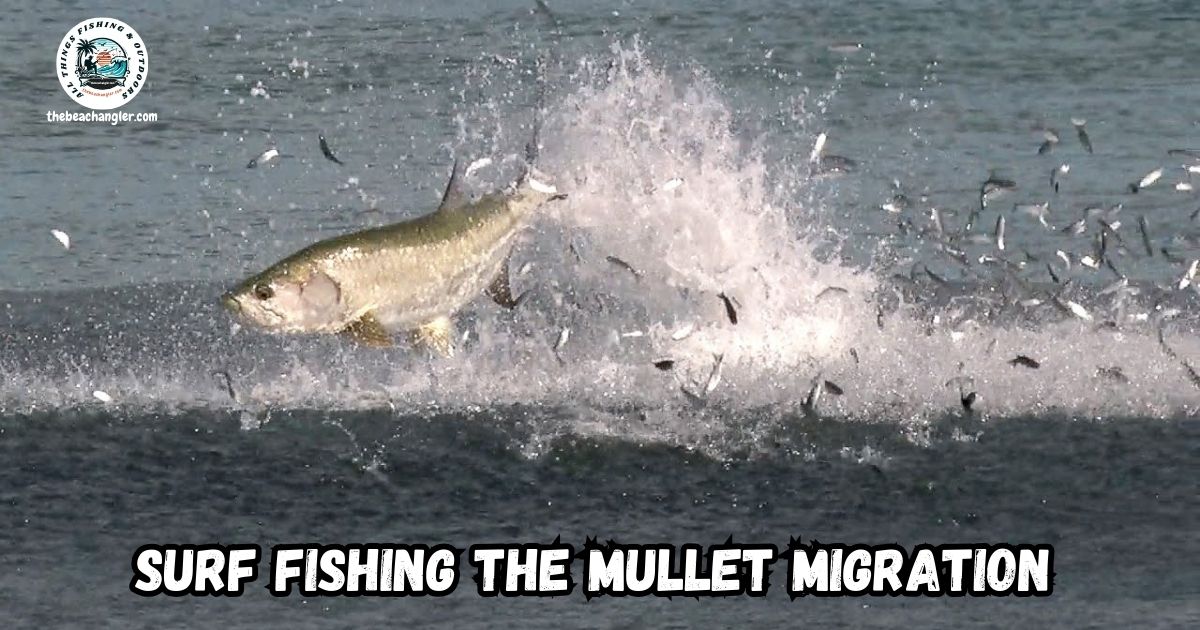
Surf fishing during the mullet migration is something I always look forward to every year. The sight of huge schools of mullet moving down the coast is a signal for experienced anglers that the action is about to heat up.
QUICK LOOK: Tips for Surf Fishing the Mullet Migration
- Key activity periods: Early morning and sunset sessions often produce the most bites. I arrive before sunrise when the surf is calm and stay through the first few hours of light. At dusk, the bite gets a boost as feeding intensifies before nightfall.
- Prime conditions: Light winds and clear water let me spot mullet more easily. Right before or after a cold front, schools bunch tighter as predators get more aggressive. If the wind picks up, try fishing behind a sandbar where mullet pile up seeking calmer water.
- Cast placement: Throwing right into the heart of a school sometimes works, but often I get more bites by working my bait along the edges. Predators watch for mullet breaking away or straggling, since these make the easiest prey. Keep an eye out for lone mullet sprinting away from the main group—casting near these can draw instant strikes.
- Pace the retrieve: If fish are blitzing the surface, I speed things up with pops and twitches. If the action is slow, a steady, slow retrieve or deadsticking a mullet chunk on the bottom brings bites.
- Dealing with crowds: I try less popular beach accesses or walk farther from parking lots to find quieter water. Early mornings or weekdays are usually less busy. If you set up early, you can often pick a prime spot and avoid the cluster once the regular crowd arrives.
- Changing weather: Sudden storms can shut down the bite and make the surf unsafe. I always check forecasts and stay ready to leave if lightning or strong winds move in. Bringing a poncho or light jacket helps if a quick rain passes through, giving you the option to wait things out safely.
- Picky fish: Sometimes, fish ignore my best bait and only hit mullet that look injured or separated. I try rigging mullet differently, using different retrieve speeds, or switching to cut bait when strikes slow down. Don’t be afraid to try new hook placements like tailhooking or sidehooking to change how the bait moves.
- Handling big fish: When a trophy fish jumps, I keep my rod tip low to avoid pulling the hook, especially with tarpon. Patience is really important, as letting the fish tire itself out before bringing it close to shore is the safest way to ensure a successful release and protect your gear.
This seasonal event triggers aggressive feeding from predators like tarpon, snook, bluefish, and jacks. For anyone interested in chasing trophy fish in the surf, understanding how to work with the migration is really important. I put together this guide to share what I’ve learned so you can get in on the action.
Understanding the Mullet Migration
The mullet migration is a natural event where millions of mullet, both finger-sized and adults, head south along the Atlantic beaches as fall sets in. Mullet move in packed schools, traveling right through the surf zone. This creates a moving buffet for predators that follow closely and attack in frenzies. Timing is pretty important, since the migration has peaks that change each year with water temperatures and weather swings.
For me, the best fishing always lines up with the thickest schools. These usually push through in pulses right after the first few cold fronts. I plan my fishing windows around changes in weather, or right after a blow from the north, when new schools appear in the surf.
Staying flexible and watching local reports helps me stay on top of the movement. Sometimes these reports come from other anglers, but I also keep an eye on social media, surf cams, and even bait shops, since locals often spot the first schools before most people realize the migration has started.
If you’re new to the area, ask around—most surf anglers are happy to help you track down the best timing for your local beaches. The fall winds and shortening days signal not just to the fish, but also to the coastal ecosystem, setting everything in motion.
Ospreys and dolphins join in, feasting on mullet alongside the common predatory fish. This whole event turns the beach into a spectacle, where both seasoned anglers and curious bystanders gather to watch nature’s show. Even if you aren’t fishing, the sight of mullet being chased by hungry fish, birds crashing into bait balls, and the drama of the chase is next-level cool. It’s truly one of those natural marvels everyone should check out at least once.
How to Find Mullet and Feeding Predators on the Beach
Locating the action is always my first priority when surf fishing the mullet run. I walk the beach or scan from a pier, looking for obvious signs of bait. Big schools of mullet look like moving dark patches in the water, almost like shadows shifting with the surf. Sometimes the water churns, and you’ll see nervous mullet leaping for their lives at the surface. Wherever there are mullet, predators are close behind.
- Look for birds: Diving seagulls, pelicans, or terns often mean predators just pushed a mullet school to the surface.
- Watch for splashes: Sometimes it’s a tarpon rolling, a big snook striking, or bluefish slashing through the school. These signs usually mean feeding is happening right there.
- Check structure: Rocks, jetties, sandbars, and inlets all create ambush points where mullet bunch together and predators wait.
- Pay attention to tides: I find mullet stack up best on outgoing tides, especially around pinch points or inside the first trough along the beach. Fish often corral mullet up shallower during lowlight periods or when the tide is moving strongly.
I always carry polarized sunglasses to help cut glare, since this makes it easier for me to spot bait in shallow water. Early morning and late afternoon are the times when schools are easiest to spot, and predators seem to feed more actively. Sometimes, standing atop a dune or elevated walkway for a few minutes gives you a better look at what’s happening along the surf, helping you pick your spot before getting set up.
Choosing Baits and Lures That Work During the Mullet Migration
Picking the right bait is a big part of surf fishing the mullet migration. I’ve had success with both live bait and artificial lures, but matching what’s in the water always seems to give me better results.
- Live mullet: These are my go-to. Strong, healthy mullet rigged on a circle hook mimic what predators are already chasing. I hook a mullet through the lips or behind the dorsal, then cast just outside the main school to look like an easy target. Keeping your mullet lively by refreshing your bait often makes a big difference, as predators tend to shy away from sluggish fish.
- Cut bait: Sometimes fish ignore the live schools altogether and look for easy meals. A chunk of mullet, especially the head, soaked on the bottom can draw in redfish, snook, or a lazy tarpon. I’ve found that using a bit of scent or letting the bait sit for a few minutes without moving sometimes brings in a strike when things seem slow.
- Lures: When I want to cover ground or trigger reaction strikes, I pick lures that match the mullet in size and shape. Big swimbaits, paddle tails, pencil poppers, and minnow plugs all work. Fast, erratic retrieves across the edges of a bait school help my lure stand out. If the fish are slashing and feeding on top, I’ll lean into topwater action for heartpounding strikes. For even more realism, try working your plug through the foam or whitewater where mullet hide from predators.
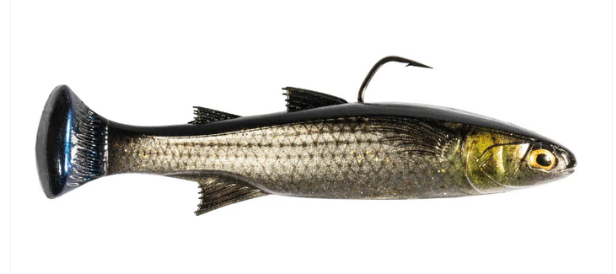
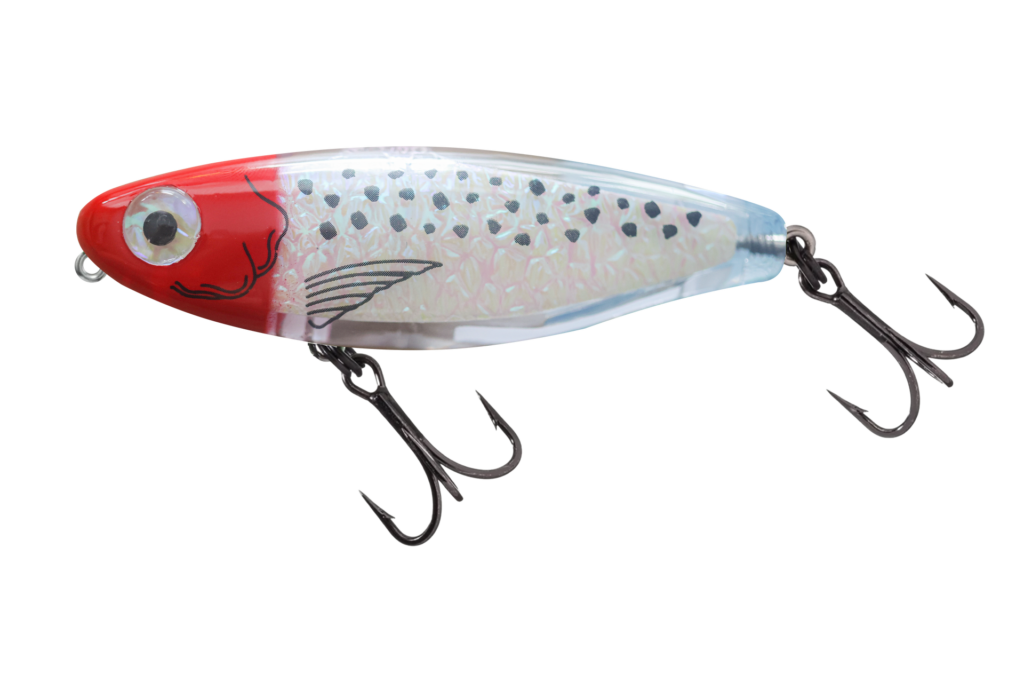

Matching the lure size to the bait around is really important. Too big, and predators ignore it; too small, and they don’t notice. I usually check the school and switch up if strikes slow down. When picking colors, natural silvers and smokes work best, but sometimes a flash of chartreuse really makes your offering pop during cloudy days or dirty water conditions.
The Gear I Use for Surf Fishing the Mullet Migration
Strong gear is necessary during the mullet migration because the fish feeding on mullet are usually large and make hard runs. Losing a trophy to weak tackle is frustrating, so here’s what has worked for me.
- Surf rod: A 10 to 12-foot rod lets me throw heavy baits far enough past the breakers. A stiff backbone is needed for fish like tarpon and big snook.
- Spinning reel: I spool up a 6000 or 8000 size reel loaded with 40-50 pound braided line. This gives me enough capacity and power to handle long runs and some abrasion.
- Leader: A Clear 60-80-pound fluorocarbon leader about four feet long reduces cutoffs from snook, tarpon, and bluefish teeth. If toothy fish are thicker, I go up to wire for extra protection.
- Hooks: 6/0 to 8/0 circle hooks for live or cut bait, or large trebles/inlines for lures, keep me ready for anything big that bites.
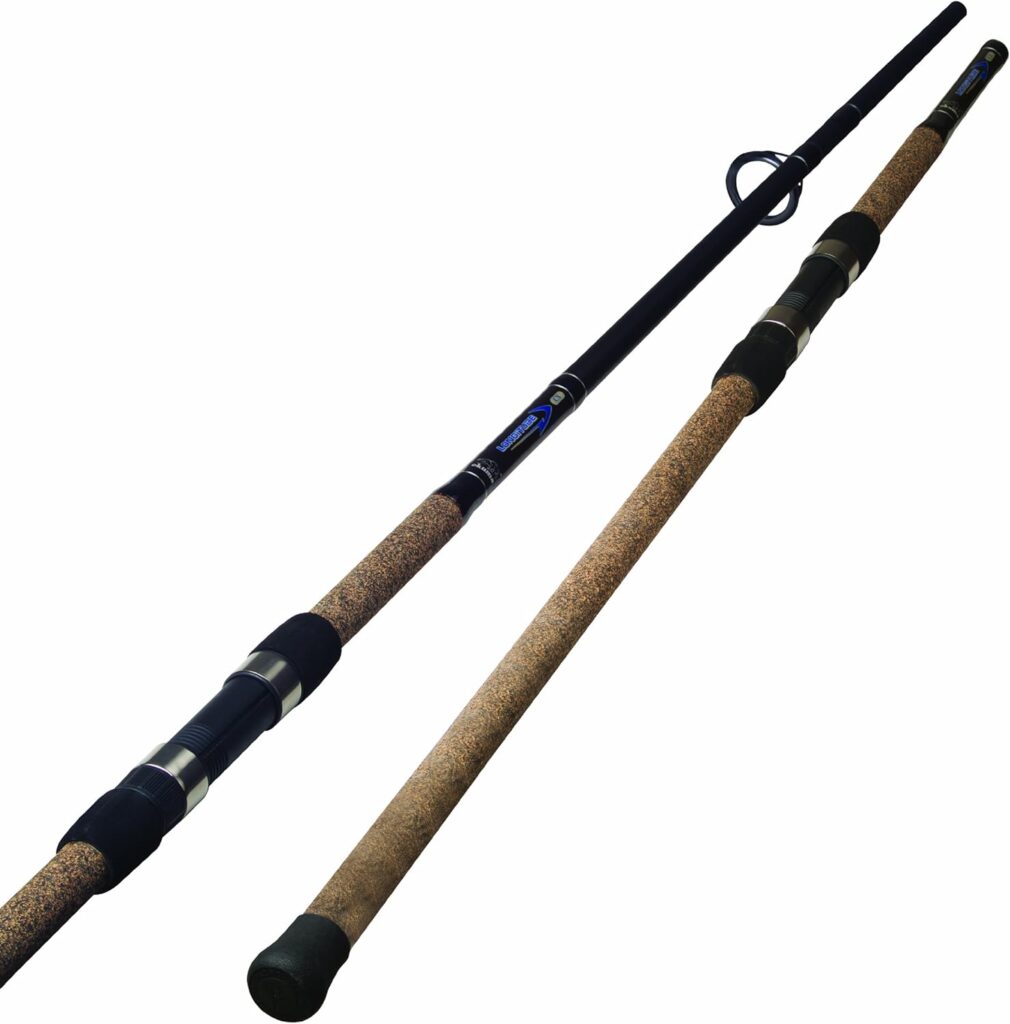


Extra essentials include a sturdy sand spike, a shoulder sling for landing fish, and a reliable pair of pliers for safe hook removal. I always rinse my setup with freshwater after each session, since saltwater can ruin gear quickly. It’s also a good idea to bring a small towel, extra leaders, and spare lures to be ready for quick changes—constant casting and fighting big fish can wear out equipment fast.
Surf Fishing Tactics During the Mullet Migration
Timing and technique play major roles in hooking up during the run. Here’s what I’ve learned works best:
- Key activity periods: Early morning and sunset sessions often produce the most bites. I arrive before sunrise when the surf is calm and stay through the first few hours of light. At dusk, the bite gets a boost as feeding intensifies before nightfall.
- Prime conditions: Light winds and clear water let me spot mullet more easily. Right before or after a cold front, schools bunch tighter as predators get more aggressive. If the wind picks up, try fishing behind a sandbar where mullet pile up seeking calmer water.
- Cast placement: Throwing right into the heart of a school sometimes works, but often I get more bites by working my bait along the edges. Predators watch for mullet breaking away or straggling, since these make the easiest prey. Keep an eye out for lone mullet sprinting away from the main group—casting near these can draw instant strikes.
- Pace the retrieve: If fish are blitzing the surface, I speed things up with pops and twitches. If the action is slow, a steady, slow retrieve or deadsticking a mullet chunk on the bottom brings bites.
Reading the water and staying ready to adjust my approach keeps me catching even when the conditions change. Sometimes, the bite shuts down after a big storm, but after things settle, action returns quickly. Always bring a backup rod rigged with a lure in case the bite switches up, and be open to mixing in some new retrieval speeds or baits on slow days. Flexibility is your friend during the mullet run.
Challenges and How I Handle Them
Surf fishing during the mullet migration can be a wild ride. I run into crowded beaches, tangled lines, and picky predators. Here are a few things I’ve learned to help keep things going smoothly:
- Dealing with crowds: I try less popular beach accesses or walk farther from parking lots to find quieter water. Early mornings or weekdays are usually less busy. If you set up early, you can often pick a prime spot and avoid the cluster once the regular crowd arrives.
- Changing weather: Sudden storms can shut down the bite and make the surf unsafe. I always check forecasts and stay ready to leave if lightning or strong winds move in. Bringing a poncho or light jacket helps if a quick rain passes through, giving you the option to wait things out safely.
- Picky fish: Sometimes, fish ignore my best bait and only hit mullet that look injured or separated. I try rigging mullet differently, using different retrieve speeds, or switching to cut bait when strikes slow down. Don’t be afraid to try new hook placements like tailhooking or sidehooking to change how the bait moves.
- Handling big fish: When a trophy fish jumps, I keep my rod tip low to avoid pulling the hook, especially with tarpon. Patience is really important, as letting the fish tire itself out before bringing it close to shore is the safest way to ensure a successful release and protect your gear.
Tips for Protecting Local Wildlife and the Fishery
I believe in looking after the beach and the fish I chase. Practicing catch and release with large, spawning fish like tarpon and snook is really important for healthy populations. Keeping the beach clean by packing out all trash and avoiding trampling dunes helps protect the environment for everyone.
Quick photos and gentle handling mean released fish swim away strong for the next angler to enjoy. If you come across tangled birds or turtles, call local wildlife rescue instead of trying to fix it yourself—safe, informed help is best for these animals.
Participating in beach cleanups or helping to educate others goes a long way in keeping these natural events around for years to come. Little things like flattening sand castles or filling in holes after fishing mean turtles and other wildlife won’t get stuck when the tide comes in. We all share the coast, so respecting the habitat ensures the mullet migration stays a much-loved tradition.
FAQs: What New Anglers Want to Know
Here are some questions I often hear from first-time anglers during the mullet migration.
What’s the best bait for surf fishing the mullet run?
Live mullet are my first choice because they match the natural food. Artificial lures that look like mullet work well, especially if fish are actively chasing schools at the surface. Make sure your bait moves like a real mullet—lively bait outperforms sluggish fish almost every time.
When do the biggest fish bite during the mullet migration?
I find early morning around sunrise and periods after a strong cold front are the most consistent for trophy catches. Watching for thick schools and predator activity helps pinpoint the best times. Late evenings when the surf is calm and the light is low are also great windows for big fish action.
How do I avoid losing big fish in the surf?
Strong gear with a quality leader and steady pressure during the fight really helps. Lowering my rod tip when a fish jumps, especially with tarpon, keeps me from pulling the hook. Always check your knots, leader, and hooks before each session to avoid heartbreak on the big one.
Why Chasing the Mullet Run Stays Special for Me
Every fall, I get reminded why surf fishing during the mullet migration brings anglers together on the sand. The thrill of seeing a blitz, watching your line tighten into a massive fish, and feeling the surf on your feet never grows old.
I enjoy connecting with new friends on the beach, swapping stories, and always trying new tricks to fool the predators that follow the run. With the right timing, gear, and approach, this natural event makes for some of the most exciting surf fishing you’ll ever experience. And even if you go home with only a story or two, the memories and friendships built on the sand are worth every early morning.
Check Out Our Most Recent Articles:
- Best Surf Rods Under $150

- Targeting Tarpon In The Surf
- Secrets To Finding And Catching Snook
- 4 Tips for Targeting Striped Bass In The Surf
- Live Bait Vs Artificial Lures In The Surf
- The Reel Everyone Recommends Vs. The Reel That’s Built For Saltwater

As always, stay safe, enjoy the journey, and please try to leave it cleaner than you found it. If you have any comments, questions, ideas, or suggestions, please leave them in the comment section below, and I’ll get back to you ASAP. You can follow us on Facebook: Rex The Beach Angler, Instagram: thebeachangler7, Twitter: @AnglerBeach, and YouTube: Man Art Creations.
P.S. Thanks so much for checking out our blog; we really appreciate it. Just so you know, we may receive a commission if you click on some of the links that appear on our site. This helps us keep our content free and up-to-date for everyone. We appreciate your support!





A life long surf fisherman with 50+ years of experience, I am also an avid hunter and outdoorsman. I will be sharing my passion for the outdoors with you so be prepared for hunting, fishing, camping, hiking and more. Along with gear reviews and the latest trends and innovations in the outdoor industry.