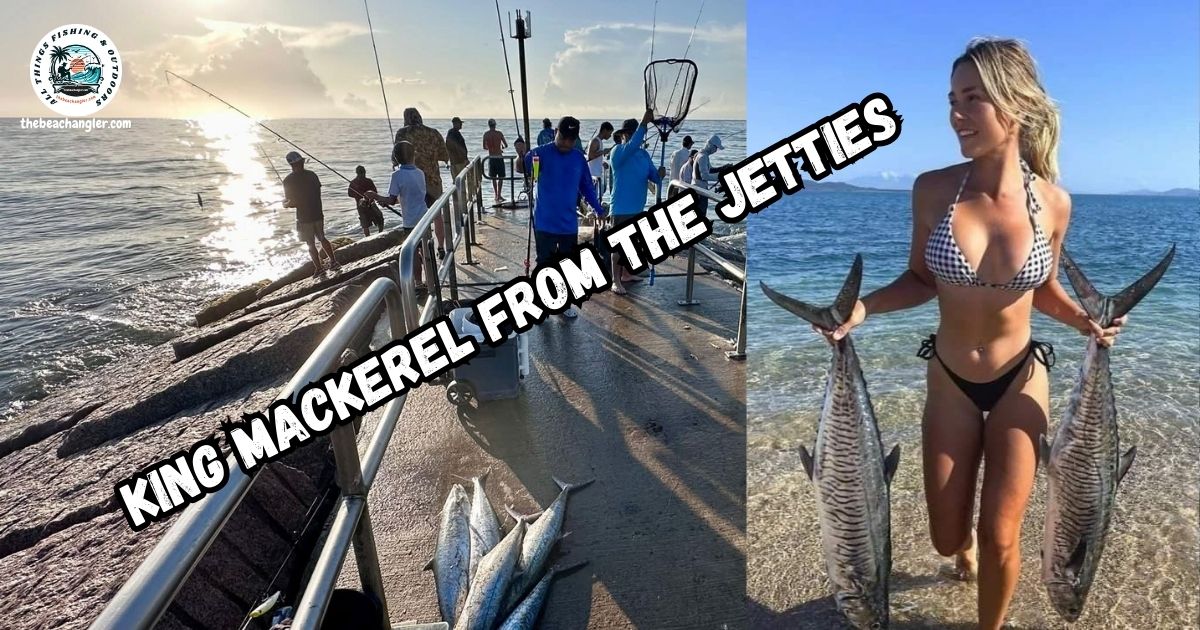
Chasing summertime king mackerel from the jetties is one of my favorite saltwater fishing adventures. These fast, aggressive fish offer a real test of skill and preparation. Jetty fishing for kings in summer comes with unique patterns, gear needs, and tactics compared to fishing offshore or from a pier. I want to walk you through everything you need to know to make your next jetty trip count when the heat is on and the kings are around.
QUICK LOOK
- BumpTrolling or Controlled Drifting: Using a kayak or working the current from the jetty, I drift my live bait along the rocks, especially near the tips and passes. If the flow is right, I’ll slowly walk my bait down the jetty edge, letting it move just like a natural baitfish in the current. This approach helps me mimic what kings are already hunting.
- Fish the “King Green” Water: I always look for that slightly green, clear water rather than chocolate brown. Kings want some cover to attack, but still need to see the bait. When the water is too muddy, I often move to another section or fish a different day. The color and clarity of the water really dictate your presentation and chances at success since king mackerel rely a lot on sight when hunting near the rocks.
- Matching the Hatch: I pay attention to what bait is thickest that day and stick with a similar size and species, whether it’s pogies, mullet, or blue runners.
- Chumming: I sometimes build a light chum slick with chunks of baitfish or menhaden oil to attract kingfish closer. It also draws in big predators like sharks, so I always use caution and stay alert if I start chumming heavily. Light chumming works best when kings are around but just out of casting range.
- Casting Artificial Lures: When live bait is less effective, I cast large spoons, swimming plugs, or topwater lures that walk the dog. A quick retrieve or sharp darting action helps trigger strikes from aggressive kings, especially when I spot feeding frenzies on the surface. Changing up lure color or action can make a difference if the bite slows.
Why Target King Mackerel at the Jetties in Summer?
King mackerel, also called “kings,” follow warm currents and piles of baitfish in the summer, bringing them close to shorelines and jetty structures. I find this time of year opens up opportunities to catch trophy kingfish without needing a boat.
Jetty points and adjoining beachfronts become hotspots because they attract schools of menhaden, mullet, and blue runners. Jetty rocks create breaks in the current, offering ambush points that kings use to corner and smash baitfish.
Early-morning calm and the first spark of light kick off feeding activity. Later in the day, the bite might slow when the sun gets high. Targeting the right tidal stage and water color is just as important as bringing the correct tackle.
I’ve seen king mackerel ignore the most tempting baits in dead-still, muddy water, but go wild when the current runs strong and the water turns “king green.” Jetty king fishing is fast-paced, and part of the fun comes from adapting your approach to how the fish and bait move hour by hour throughout the day.
Essential Gear and Rigging for Jetty King Mackerel
Having the right setup makes a huge difference when fishing for kings from shore. I’ve learned that king mackerel will punish anything weak or poorly tied. Their razor-sharp teeth and explosive runs mean you need gear that can stand up to tough battles.
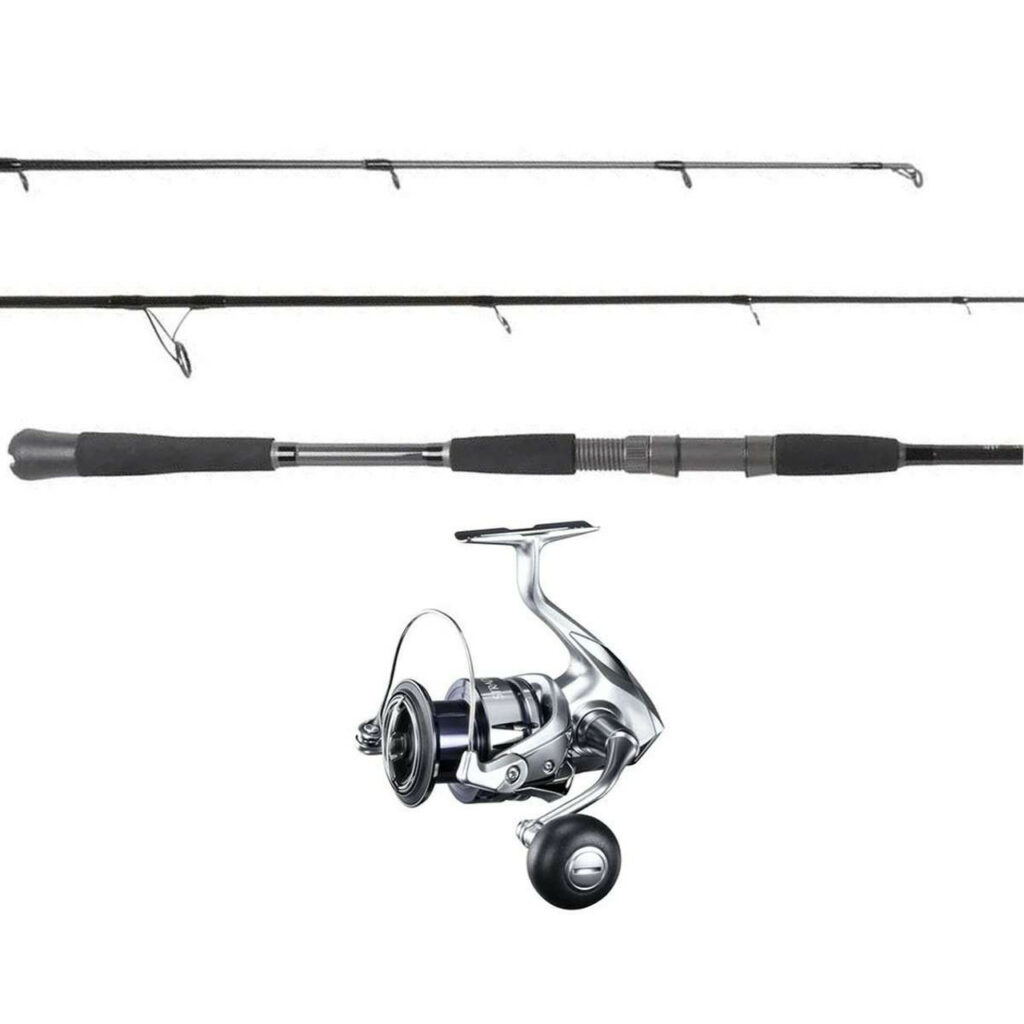
- Rod and Reel: I use a medium to heavy-action rod around 7 to 8 feet long, paired with a high-capacity spinning or conventional reel. My reels hold at least 200 yards of 20 to 30-pound braided line for blistering kingfish runs. A smooth drag system is really important to prevent pulled hooks or breakoffs.
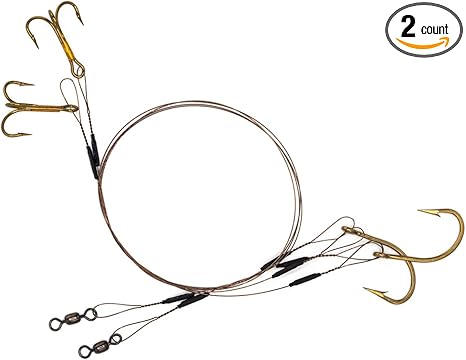
- Wire Leaders: Monofilament and fluorocarbon just won’t stand up to kingfish. I make my leaders with 45 to 90-pound single-strand wire, around 18 to 24 inches long.
- Stinger Rigs: For live bait, I set up a rig with a main J-hook through the bait’s nose or mouth and a trailing treble “stinger” near the dorsal fin or tail. The stinger helps connect when a kingfish slashes at the rear of a bait. For dead baits like ribbonfish, I use multiple hooks in line, spaced about 3 to 4 inches apart.
- Landing Gear: A longhandled gaff helps control the fish when lifting big kings over slippery rocks. I never grab a king by the tail. Instead, I always go for a solid gaff behind the gill plate for safety, especially with sharks in the area.
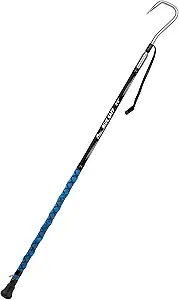
Bringing a good pair of split-ring pliers, wire cutters, and extra rigs is always on my checklist. Kingfish strikes are fast, and gear can get worn down or bitten off, so being able to quickly re-rig matters a lot. A small tackle box with extra floats, leader material, and varying sizes of hooks can really save the day midbite.
Live Bait Tactics: Matching the Hatch and Keeping It Real
I consistently catch more kings from the jetty when I use live bait that matches what’s in the water. Kings lock onto forage like menhaden (pogies), mullet, and blue runners as they stream past the rocks.
- Menhaden: I catch these with a cast net in the shallows. They school in tight balls, and splashes on the surface tell me they’re present. Kings shadow these pods, waiting to blitz any bait that strays.
- Mullet: Six-to eight-inch mullet are kingfish candy. I focus on baits that swim strongly, since lively movement draws fast strikes from passing kings.
- Blue Runners: These baits last long on a hook and attract bigger kings. I catch them with a sabiki rig around deeper jetty edges. Their hardiness lets them stay alive longer, even in strong currents.
I rig live baits to swim as naturally as possible, keeping casts soft and using a float if needed to prevent them from diving into rocks. I usually nosehook the main Jhook through the tough cartilage at the mouth, then lightly pin the stinger near the dorsal or tail.
This setup has saved many fish for me when kings swipe only at the back half. Don’t overlook the benefit of swapping baits frequently—lively, fresh bait often triggers bites better than tired or stressed baits left out too long.
Top Tactics and Techniques for Summer Jetty Fishing
Catching king mackerel from the rocks is more about presentation and timing than brute force. Here’s what I do for consistent success in summer:
- BumpTrolling or Controlled Drifting: Using a kayak or working the current from the jetty, I drift my live bait along the rocks, especially near the tips and passes. If the flow is right, I’ll slowly walk my bait down the jetty edge, letting it move just like a natural baitfish in the current. This approach helps me mimic what kings are already hunting.
- Fish the “King Green” Water: I always look for that slightly green, clear water rather than chocolate brown. Kings want some cover to attack, but still need to see the bait. When the water is too muddy, I often move to another section or fish a different day. The color and clarity of the water really dictate your presentation and chances at success since king mackerel rely a lot on sight when hunting near the rocks.
- Matching the Hatch: I pay attention to what bait is thickest that day and stick with a similar size and species, whether it’s pogies, mullet, or blue runners.
- Chumming: I sometimes build a light chum slick with chunks of baitfish or menhaden oil to attract kingfish closer. It also draws in big predators like sharks, so I always use caution and stay alert if I start chumming heavily. Light chumming works best when kings are around but just out of casting range.
- Casting Artificial Lures: When live bait isn’t an option, I cast large spoons, swimming plugs, or topwater lures that walk the dog. A quick retrieve or sharp darting action helps trigger strikes from aggressive kings, especially when I spot feeding frenzies on the surface. Changing up lure color or action can make a difference if the bite slows.
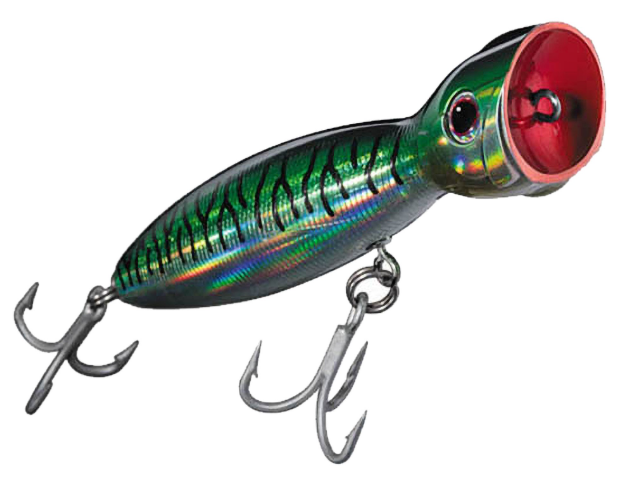

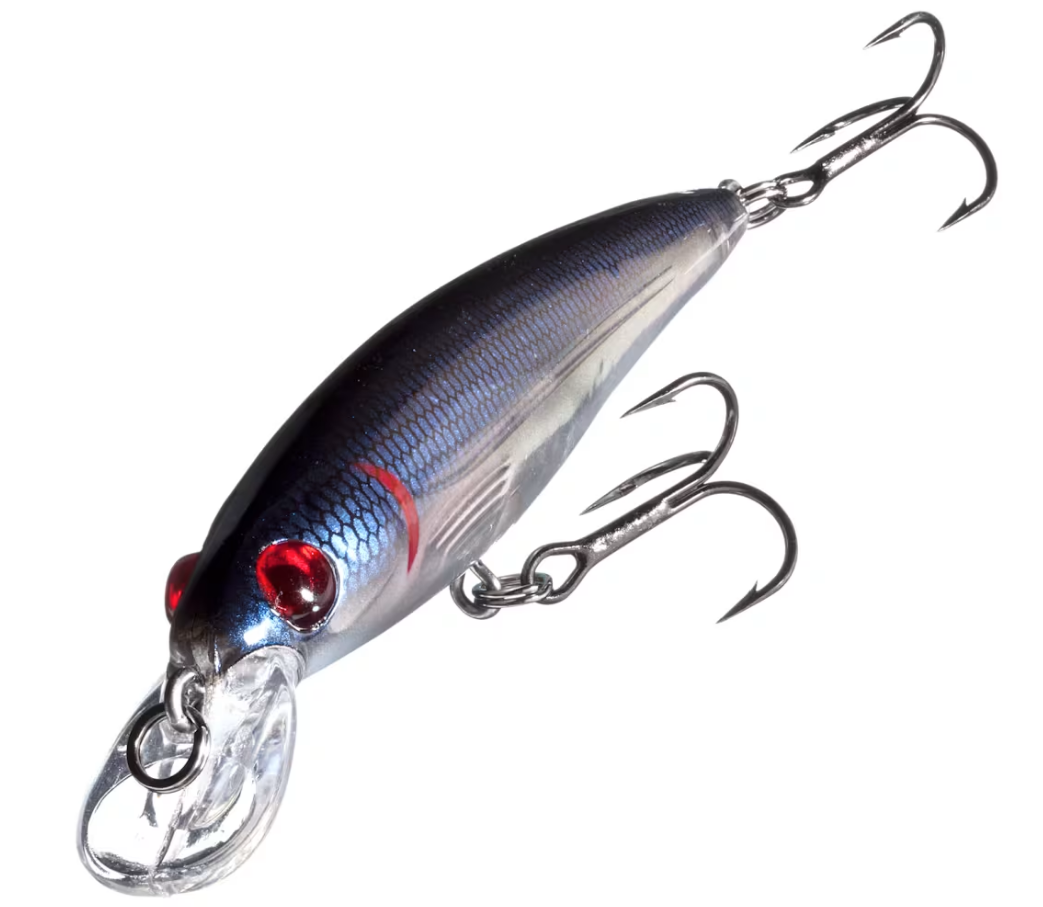
Tide and timing play a big part in success. I have my best luck fishing the first few hours of daylight or late afternoon when the sun is lower and the current picks up. Jetty points and narrow passes almost always hold more kings, especially where waves break and push bait into the rocks. While consistency is key, experimenting with depth and retrieve style, especially on slower days, can help unlock a bite that others might miss.
When and Where to Fish for Jetty Kings
My experience shows summer king mackerel are regular visitors along the Texas, Louisiana, and Florida Gulf Coast jetties from late May through early September. Water temperatures in the 74 to 84 Fahrenheit range are ideal. I focus my trips mainly on these details:
- Low Light Times: Dawn and dusk are high-percentage windows. Kings move higher in the water column to ambush bait when the lighting is dim.
- Moving Tidal Water: Incoming or outgoing tides help stir up baitfish. Kings use the moving current to blend in and hunt efficiently. I skip slackwater periods since action almost always dies down.
- Jetty Points and Passes: These spots act as funnels for bait, creating ambush points. I position myself where the structure breaks up the current and causes bait to concentrate.
- Scouting Baitfish: I watch for diving birds, flickering bait pods, or nervous water on the surface. Where bait is thick, the kings are usually close by. Staying observant of the surroundings often leads to some of my best hookups since king mackerel rarely hang far from their next meal.
I like to arrive before sunrise to stake out a good spot on the rocks, especially on weekends when it gets crowded. Bringing good shoes, plenty of water, and sun protection makes a long session much more comfortable.
Remember that jetty rocks can get slippery and unpredictable, so safety should always be a top priority—one bad misstep can end your fishing day early. Packing a compact first-aid kit and a buddy for safety can add peace of mind if you’re out there for hours.
Common Challenges and How I Handle Them
Fishing for king mackerel from jetties isn’t always easy, and learning to deal with problems on the fly matters. Here’s how I address a few common hurdles:
- Dealing With CutOffs: Kings destroy mono or light wire, so checking leaders after each bite and replacing frayed ones helps prevent losing fish.
- Fishing Heavy Currents: Using bigger live baits like blue runners and adding a small float helps me keep the bait visible and out of the rocks, even when the current runs strong.
- Shark Interference: If sharks show up, I either move down the jetty or change up my chum use. Losing multiple baits to sharks back-to-back means it’s probably time to relocate.
- Snags and Rocky Bottoms: Casting just out from the rocks and using floats on live bait rigs lets me fish close to the action but helps avoid snagging up constantly.
- Crowded Jetties: Arriving early and maintaining a respectful distance from other anglers helps everyone have a better experience and prevents tangled lines when a king runs down the rocks.
By staying flexible, bringing backup gear, and paying attention to changing conditions, I always feel ready to find success, even if I have to change my plan or move around during the morning. Sometimes, just being willing to relocate, talk with other anglers, or adjust bait size turns a slow day around.
FAQs: Extra Details for First-Time Jetty King Anglers
Here are some common questions and answers based on what I hear most from folks trying jetty king mackerel fishing for the first time:
What’s the most reliable bait for summer kings near jetties?
Live menhaden, mullet, and blue runners catch the most fish for me. Freshness and lively swimming action matter more than anything else. If you can’t get live bait, very fresh dead ribbonfish or cigar minnows can work in a pinch.
How do I handle landing a big king on slippery rocks?
I always keep a long gaff close and wait until the fish is tired before trying to hoist it up. I never try lifting by hand or tail-grabbing kings, since their sharp teeth and aggressive thrashing make them dangerous and easy to drop. Wearing grippy footwear and moving slowly can also help reduce accidents.
How should I adjust if the water turns muddy after a storm?
If I see brown, muddy water, I usually move to the jetty tip or the opposite side if it’s clearer. Kingfish rarely feed in muddy water. If conditions don’t improve, I will come back on a better tide or after things settle down. Sometimes switching to a more eye-catching, flashy lure helps in slightly dirty water, but when it’s too muddy, it’s best to wait for clear conditions.
Can I catch kings from the jetty using only artificial lures?
It’s possible, especially during early-morning frenzies. I use big spoons, large diving plugs, or fast-walking topwaters to cover water and trigger reaction bites when I don’t have fresh live bait. Having several styles and colors on hand improves your chances since kings can be picky based on light and baitfish activity.
Getting More Out of Your Summertime Jetty King Trips
Experience, careful bait selection, and good gear help stack the odds in your favor. I find that every trip is different, whether I’m dealing with shifting tides, changes in bait schools, or just the unpredictability of king mackerel themselves.
By showing up prepared, adapting to the water, and paying attention to what the fish want each day, jetty king trips in the summer become not only more productive but a lot more rewarding. There’s nothing quite like feeling a powerful strike from a king mackerel, hearing that drag scream, and knowing your plan came together on the rocks. Whether it’s your first time or your hundredth, the excitement of chasing kings off the jetty never gets old.
Check Out Our Most Recent Articles:
- Best Surf Rods Under $150
- Targeting Tarpon In The Surf
- Secrets To Finding And Catching Snook
- 4 Tips for Targeting Striped Bass In The Surf
- Live Bait Vs Artificial Lures In The Surf
- The Reel Everyone Recommends Vs. The Reel That’s Built For Saltwater
As always, stay safe, enjoy the journey, and please try to leave it cleaner than you found it. If you have any comments, questions, ideas, or suggestions, please leave them in the comment section below, and I’ll get back to you ASAP. You can follow us on Facebook: Rex The Beach Angler, Instagram: thebeachangler7, Twitter: @AnglerBeach, and YouTube: Man Art Creations.
P.S. Thanks so much for checking out our blog; we really appreciate it. Just so you know, we may receive a commission if you click on some of the links that appear on our site. This helps us keep our content free and up-to-date for everyone. We appreciate your support!





A life long surf fisherman with 50+ years of experience, I am also an avid hunter and outdoorsman. I will be sharing my passion for the outdoors with you so be prepared for hunting, fishing, camping, hiking and more. Along with gear reviews and the latest trends and innovations in the outdoor industry.