
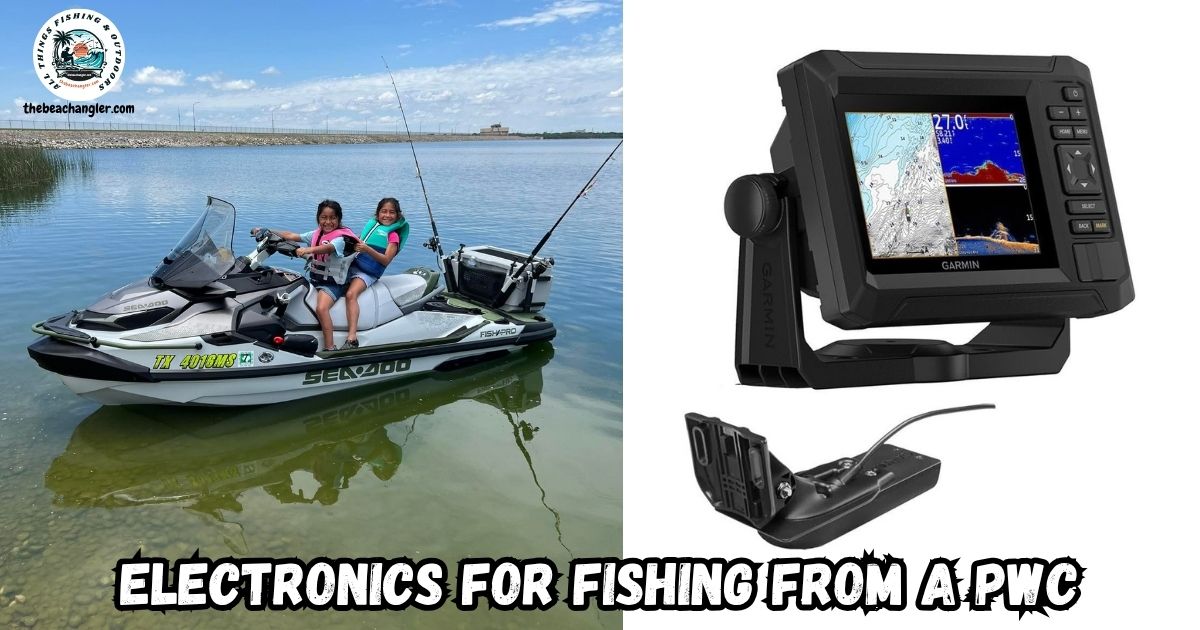
I’ve learned that having the right waterproof electronics can change how productive and enjoyable a day of fishing from a personal watercraft (PWC) can be. With so many advancements in technology, even compact crafts like jet skis can be rigged with high-quality fish finders, GPS, and other helpful gear. I’m here to guide you through getting started and choosing smartly for your setup.
QUICK LOOK: Essential Electronics for Fishing from a PWC
- Fish Finder with GPS Combo: A waterproof fish finder can locate fish, show underwater structures, and let me save favorite fishing spots. Options like the Garmin ECHOMAP series or the Humminbird HELIX units are popular for PWC anglers thanks to their waterproof designs and reliable sonar features.
- Waterproof VHF Radio: Communicating with other boaters or getting help in an emergency is important, especially if I’m fishing out of cell service range. Waterproof handheld VHF radios stay functional even when they’re splashed or rained on. Brands like Standard Horizon and Icom offer reliable choices.
- Rugged Power Supply: Running electronics need power. A waterproof, marine-rated battery box or a sealed lithium battery lets me run my gear all day without worry. I pick units designed for boats; these hold up better in splash zones and salt air.
Key Waterproof Electronics for PWC Anglers
Fishing from a PWC used to mean relying on your eyes and maybe a basic map. Things have changed. Electronics built to handle the splashes and rough conditions that come with PWC fishing now give a real boost to my odds on the water. These are the pieces of equipment I always recommend considering first:
- Fish Finder with GPS Combo: A waterproof fish finder can locate fish, show underwater structures, and let me save favorite fishing spots. Options like the Garmin ECHOMAP series or the Humminbird HELIX units are popular for PWC anglers thanks to their waterproof designs and reliable sonar features.
- Waterproof VHF Radio: Communicating with other boaters or getting help in an emergency is important, especially if I’m fishing out of cell service range. Waterproof handheld VHF radios stay functional even when they’re splashed or rained on. Brands like Standard Horizon and Icom offer reliable choices.
- Rugged Power Supply: Running electronics need power. A waterproof, marine-rated battery box or a sealed lithium battery lets me run my gear all day without worry. I pick units designed for boats; these hold up better in splash zones and salt air.
Upgrading your setup with these pieces can turn a standard PWC fishing trip into a more productive and safer experience. Checking product waterproof ratings (like IPX7 or better) helps ensure gear survives real-world use.
Starting Out: Choosing Waterproof Electronics for Your PWC
Getting electronics set up on a personal watercraft can be a bit different than on a boat. Limited space, constant water exposure, and lots of movement mean I have to pick products built tough and small. Here’s what I look for during my search:
- Waterproof Ratings: I always check for IPX6 or IPX7 ratings on electronics. IPX6 means a device can handle powerful water jets, while IPX7 devices survive full submersion for a brief time. This is especially important for gear mounted close to the waterline.
- Compact Design: Space is at a premium on any PWC. I make sure electronics have a small footprint or removable mounts so they don’t get in the way during riding or casting.
- Simple Displays: Bright, sunlight-readable screens help me glance at information without getting distracted. Larger screens are great, but they have to fit the PWC and my rigging preferences.
Placing a fish finder and other electronics close to the handlebars lets me keep one hand on controls while still checking depth, temperature, or direction. Removable mounts mean I can take my gear inside after each trip to extend its life. More details and installation tips can be found on PWC fishing forums and trusted marine supply shops like West Marine.
Step by Step: Setting Up a Fish Finder for Personal Watercraft
Installing a fish finder on a PWC takes some planning, but it pays off with better fishing results. When I started rigging my craft, these are the main steps I followed:
- Pick the Right Unit and Features: Decide if a sonar-only unit is enough, or if you want GPS and mapping. CHIRP sonar and Down Imaging are helpful for reading fish and structure below. GPS lets me mark hot spots and track where I’ve been.
- Mounting the Display: I look for a solid, adjustable mount that keeps the display visible but protected if I hit a wave the wrong way. RAM mounts work for a lot of models and are easy to adjust or remove after each trip.
- Transducer Placement: The transducer (which sends and receives sonar signals) needs to be underwater and clear of bubbles or turbulence. On my PWC, a transom mount just below the waterline worked best. I made sure it wouldn’t be hit by debris or while beaching the craft. For more information, I often check manufacturer installation videos on YouTube or links like NOAA Fisheries: About Sonar Technology for background.
- Wiring and Power: I use marine-grade wire and waterproof connectors to keep everything safe from salt and splashes. Fusing the power line is smart for protecting the unit. I double-check that the system isn’t drawing too much from my PWC’s electrical system, especially if I’m running other gear.
Testing everything before heading out gives me peace of mind. I spend a few minutes checking that the fish finder reads depth, the display shows GPS, and the radio transmits and receives clearly.
Useful Tips for Maintaining Electronics on a PWC
Once your electronics are rigged and working, keeping them in good shape is the next step. Here are the habits I follow to protect my investment:
- Rinse After Each Trip: Saltwater and grime can wear down gear quickly. After getting home, I use fresh water and a soft cloth to wash down my fish finder, radio, and battery case.
- Dry Storage: Where possible, I remove devices and store them in a dry area out of the sun. Even the toughest electronics last longer with this habit.
- Cover Screens: I use screen covers or cloth pouches to avoid scratches and UV damage on sunny days. Accessories like neoprene fish finder covers are easy to find online.
- Battery Maintenance: Checking battery terminals for corrosion and topping up the charge after use keeps things ready for next time. Lithium batteries, while more expensive, offer lasting performance and lighter weight for PWCs.
For more tips, I often check advice from marine manufacturers or angler communities on dedicated PWC fishing sites. Many anglers share their maintenance routines or clever storage solutions to help others get more life from their electronics.
One popular tip is to use silica gel packets in your storage bags to help soak up moisture; another is labeling your wiring in advance so future upgrades are easier. If you ever run into an issue, don’t hesitate to ask in online forums—someone’s often got a smart fix to share.
Common Questions about Waterproof Electronics on Personal Watercraft
If you’re new to outfitting a jet ski or similar craft for fishing, you might wonder what works best. Here are answers to questions I’ve gotten from friends and fellow anglers:
Do I really need a fish finder on a PWC?
While you can fish without a finder, I’ve caught more and saved time searching with one. They help show depth, structure, and fish location, especially in new waters. It’s also great for finding safe channels and avoiding hazards beneath the surface.
How do I power everything without draining my PWC battery?
I use a dedicated marine battery box for electronics. Lithium batteries are lighter and last longer. If I use my PWC battery, I make sure to turn electronics off when not needed. Solar chargers are another handy option for topping up batteries between trips.
Will electronics hold up in saltwater?
Most high-quality gear is built for saltwater, but regular rinsing and proper maintenance are really important. Always choose waterproof-rated products from trusted manufacturers.
Can I mount electronics without drilling into my PWC?
Yes, with clamp-on mounts or suction devices, but I’ve found that bolted mounts are more secure for rough rides. Always check product manuals and online forums for mounting ideas. Some brands offer custom brackets that fit PWCs without permanent changes, so there’s likely a solution for your model.
Smart Picks for Best Waterproof Electronics for PWC Fishing
Choosing electronics that can take a beating and still perform is important when fishing from a PWC. Based on my trips and talking with other anglers, here are some good options:
Waterproof Electronics for Personal Watercraft Fishing
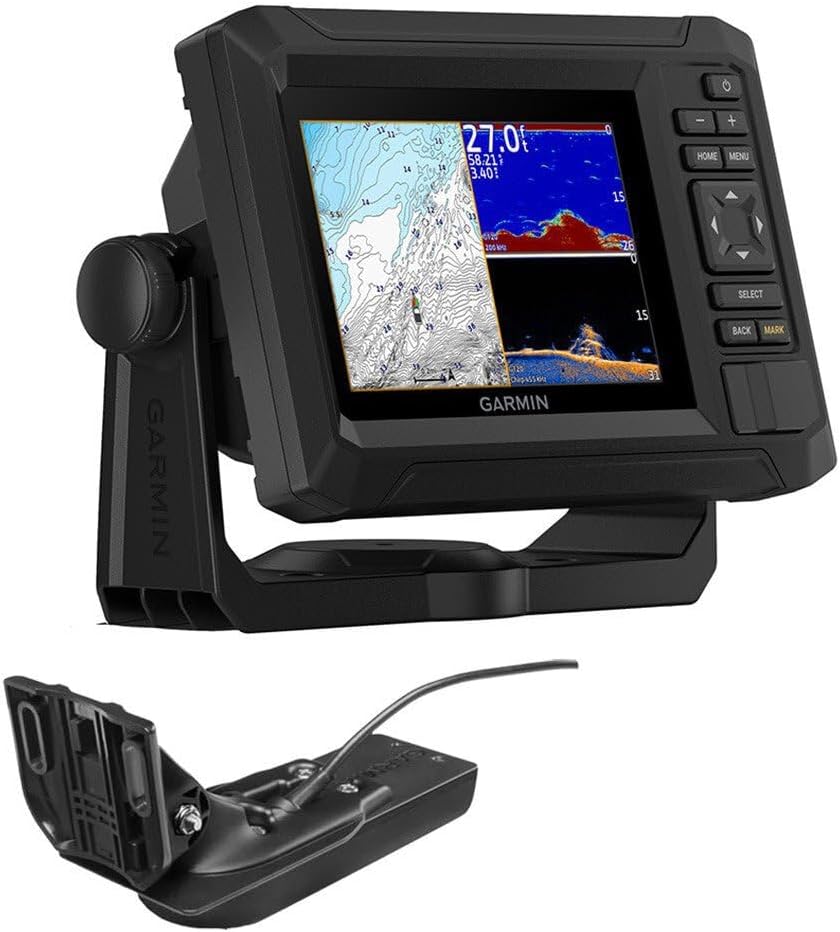
Garmin ECHOMAP UHD2
Tough, clear display, waterproof to IPX7, and the combo model includes fish finding, mapping, and GPS waypoint features. The bright 5” keyed display is made for convenience. Get double the views1 with Garmin CHIRP traditional and ClearVü scanning sonars. What’s under the water looks even better with high-contrast vivid color palettes. Wi-Fi® connectivity2 between compatible chartplotters makes it easy to share info. Enjoy No. 1 in mapping3 with their LakeVü g3 and BlueChart® maps with Navionics® data.
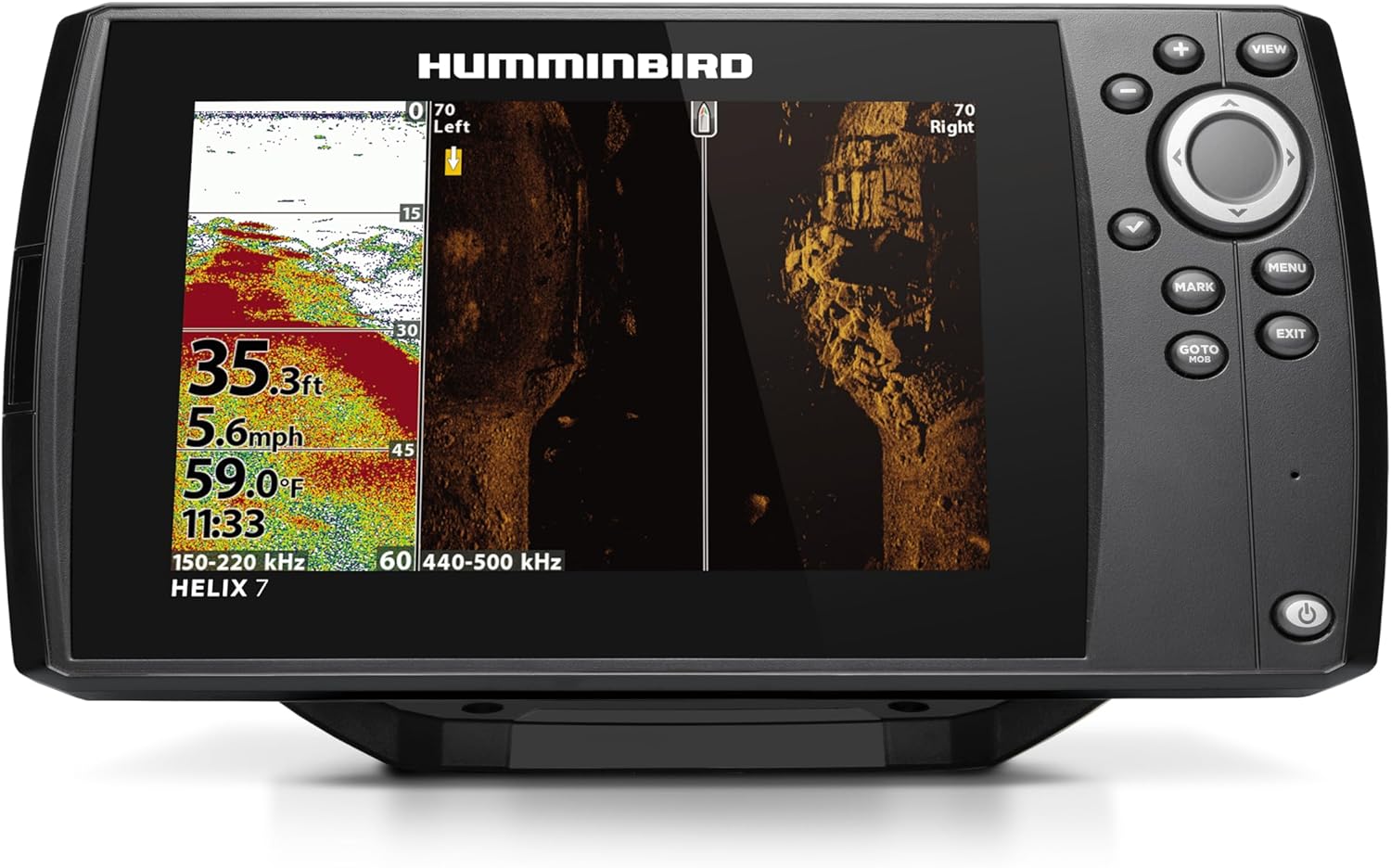
Humminbird HELIX 7 G4
Great sonar options, rugged housing, lots of mounting flexibility, and very readable in sunlight. Dual Spectrum CHIRP sonar with highly detailed fish arches and a clear view of fish-holding structure and the bottom. Powered by a proprietary, Low-Q CHIRP transducer, Dual Spectrum CHIRP 2D sonar offers two ways to search: Wide Mode for maximum coverage and Narrow Mode for focusing on the slightest detail. The enhanced basemap provides you with a clear view of underwater terrain and surrounding points of interest so you can fish and navigate with total confidence. Includes charts of more than 10,000 lakes, plus coastal coverage for the continental U.S.
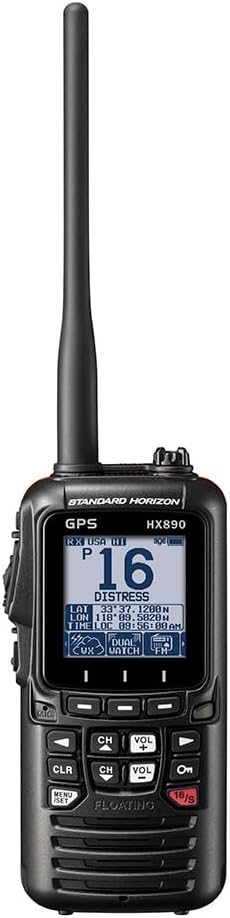
Standard Horizon HX890
The new HX890 shares all the same capabilities of the extremely popular HX870, with the addition of some great new features. Fully waterproof, floats if dropped, and has built-in GPS for emergency tracking. It has also been redesigned with a new ergonomic case design and tested to conform to Military Standard (MIL-STD-810F). HX890 comes packaged with a rechargeable Li-Ion battery, Alkaline battery tray, 110V wall charger, 220V adapter, charging cradle, 12V charger, PC programming cable, and belt lip with lanyard, and it’s backed by an industry-leading 3-year warranty.
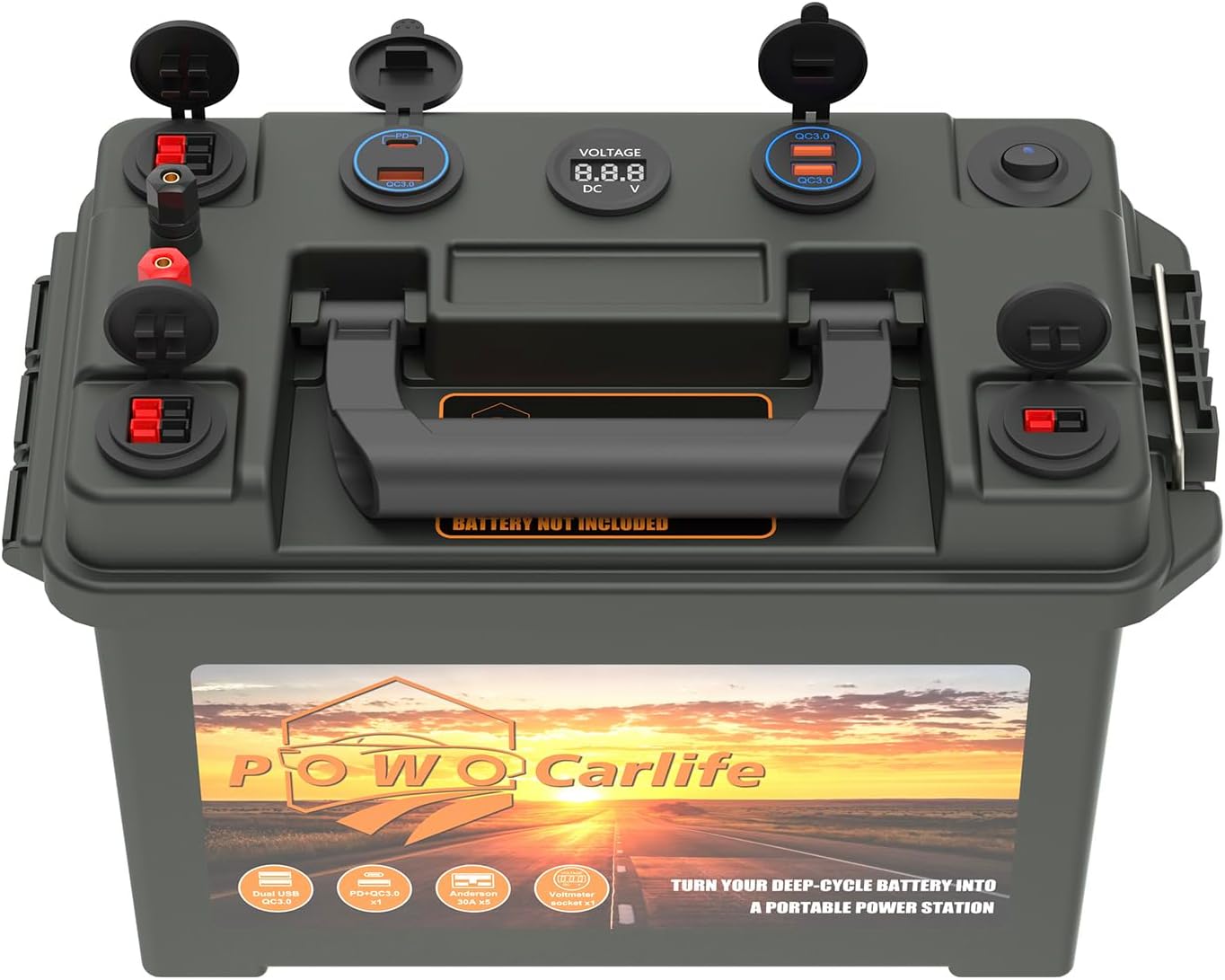
COWO Carlife Waterproof Battery Box
It is simple, weatherproof, and works to power electronics independently of your PWC. The small battery has good sealing performance and can be used for multiple purposes, such as photography, hunting, camping, and fishing. The Small Battery box has a 30A overload protection, which can better protect the battery and extend the battery life. The Anderson plug can be charged by solar energy to ensure an outdoor power supply.
Comparing several models before buying helps match your preferences with your craft’s layout. Visit stores in person to see screen readability and button sizes, as these matter a ton on the water. Reviews on angling forums like The Hull Truth or directly on manufacturer sites are great for checking real-world durability and battery life. Don’t forget to check for accessories like screen protectors, custom battery mounts, or extension cables to make rigging even easier.
Final Thoughts on Waterproof Electronics for Your PWC
Adding an electronic edge to your PWC fishing trips can bring a lot more fish within reach and make your time on the water easier to manage. My best advice is to invest in gear built for water, keep maintenance simple, and keep learning from other PWC anglers. Over time, you’ll figure out what works best for your adventures, and you might even stumble upon a few handy hacks as you go.
By sticking with proven gear, sharing tips with the community, and taking a few simple steps for care and setup, you can get so much more out of every trip. Whether you’re an occasional weekender or someone who wants to chase trophy fish on every cast, high-quality waterproof electronics give you a boost and add peace of mind for each outing.
Check Out Our Most Recent Articles:
- Winter Surf Fishing On The US West Coast

- The Abu Garcia Beast Low Profile Reel

- 6 Tips to Using Slider Rigs For Surf Fishing
- Daiwa Seaborg Electric Reels
- 9 Winter Surf Fishing Tips For Stripers

- KastKing Sharky Baitfeeder III Spinning Reel
As always, stay safe, enjoy the journey, and please try to leave it cleaner than you found it. If you have any comments, questions, ideas, or suggestions, please leave them in the comment section below, and I’ll get back to you ASAP. You can follow us on Facebook: Rex The Beach Angler, Instagram: thebeachangler7, Twitter: @AnglerBeach, and YouTube: Man Art Creations.
P.S. Thanks so much for checking out our blog; we really appreciate it. Just so you know, we may receive a commission if you click on some of the links that appear on our site. This helps us keep our content free and up-to-date for everyone. We appreciate your support!






A life long surf fisherman with 50+ years of experience, I am also an avid hunter and outdoorsman. I will be sharing my passion for the outdoors with you so be prepared for hunting, fishing, camping, hiking and more. Along with gear reviews and the latest trends and innovations in the outdoor industry.