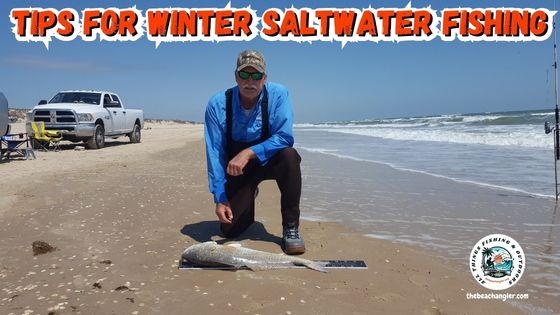
Winter is a time of transformation in the world beneath the waves. This change of seasons has a dramatic affect on winter saltwater fishing. Fish, like all creatures, respond to the shortening days and plummeting temperatures.
QUICK LOOK Tips for Winter Saltwater Fishing
- Know Winter Fish Habitats. – Finding fish in winter isn’t just about dropping a line and hoping for a bite. It’s about understanding their habitat changes when the mercury drops.
- Baits and Lures for Winter – Nailing down the right bait and lure selection in winter can turn a quiet day into an awesome trip. As fish metabolism slows with colder waters, they get choosier about meals, making bait selection critical.
- Locate Fish Holding Structure – Structure is the unsung hero of wintertime fishing. When water temperatures dip, fish tend to congregate around various structures for warmth and safety.
- Pay Attention to Weather and Tides – Weather and tides play a vital role in shaping fish behavior during winter months. Recognizing these natural cues can help determine the best times and spots for fishing.
- Winter Fishing Techniques – During the winter, adapting your technique is just as important as choosing the right bait or knowing where to find fish.
- Wintertime Fishing Safety – Winter Saltwater fishing demands more than just technique and location knowledge; it requires preparation for the cold, ensuring a safe and comfortable experience.
This seasonal shift impacts their behavior, making them more predictable in their movements and feeding patterns. Understanding these changes is central to successful winter fishing. Fish adjust their diet in the colder months, eating what’s still available in their cooler waters.
With shrimp and shad migrating away, their diet predominantly switches to a few crabs and mostly mullet. Recognizing this switch can make all the difference in locating your catch. Beyond diet, fish seek warmer waters, migrating toward deeper regions when the weather gets harsh.
But even on chilly days, they head up to the flats, basking in any warmth the sun offers as they feed. As an angler, knowing where and when these movements occur provides a critical advantage. Experienced saltwater anglers know that adapting techniques for winter is a must.
When the water chills, the fish grow lethargic. This impacts how they hunt and interact with baits. Winter fishing isn’t just about tougher conditions; it offers opportunities for those who take the time to learn and adapt. So, gear up, respect the rhythms of nature, and enjoy the rewarding challenges that winter saltwater fishing presents.
Identifying Key Fish Habitats for Winter Saltwater Fishing
Finding fish in winter isn’t just about dropping a line and hoping for a bite. It’s about understanding their habitat changes when the mercury drops. Warmer water spots become fish magnets, and knowing where these spots are can drastically improve your success on the water.
Shallows warm up faster than deeper waters, creating a comfortable zone for fish. But don’t overlook deep channels near flats either. These channels offer refuge when the cold truly sets in, giving fish a space to escape the frigid surface temperatures.
Many deepwater areas such as channels, passes, and holes will hold slightly warmer water, making them hotspots for fish seeking a break from the chill. These natural thermal refuges attract more than just the predators; they bring the entire aquatic food chain together, creating rich feeding grounds.
Sunny shorelines also play a role in winter fish behavior. Areas that catch long hours of sunlight provide essential warmth, drawing fish in just like a cozy sunbeam draws a chilly cat. Knowing these key habitats lets you focus your efforts, saving you time and maximizing your chances of catching fish. So, while everyone else shivers, you’ll be heading straight to where the action is, leveraging your knowledge of the winter landscape to guide your every cast.
Optimal Baits and Lures for Winter Saltwater Fishing
Nailing down the right bait and lure selection in winter can turn a quiet day into an awesome trip. As fish metabolism slows with colder waters, they get choosier about meals, making bait selection critical.
Start with smaller baits. Fish in winter aren’t expending big bursts of energy, so they tend to go for prey that’s easy to catch—resembling smaller fish or crustaceans still hanging around the colder waters. Mimicking this natural winter scene through your bait choice gives you an upper hand.
Incorporating natural baits like live shrimp or small fish works wonders. When the water’s clear and cold, fish are more cautious, often preferring the familiar smell and movement of real prey over artificial substitutes. Live bait can provide a more lifelike presentation that’s hard for lazy winter fish to resist.
If you prefer using lures, stick to those with subtle action. Soft plastics with slow-sinking quality or suspending lures that mimic a wounded fish can be very effective. The aim is to match your lure’s action with the fish’s more laid-back winter attitude.
Adapting your bait strategy to the season’s challenges increases the likelihood of catching fish. Experiment and take notes, each choice of bait or lure teaches you how fish react—a lesson that’ll serve well all year round.
The Importance of Structure for Winter Saltwater Fishing
Structure is the unsung hero of wintertime fishing. When water temperatures dip, fish tend to congregate around various structures for warmth and safety. Knowing how to locate and target these areas will pay off with more catching.
- Oyster reefs are particularly valuable this time of year. They hold heat longer and provide a refuge from strong currents, making them a preferred resting place for fish. These reefs also house smaller organisms, creating a natural buffet for any predator looking for an easy meal.
- Submerged vegetation is another essential structure to focus on. Even if the greenery looks sparse, it can still attract fish by offering cover and slight warmth. It also nurtures aquatic life, drawing fish in with the promise of easy feeding.
- Muddy bottom areas: The dark mud in these areas absorbs heat from the sun and will hold warmer water than the surrounding areas. Bait, and gamefish, seek out this warmer water.
- And don’t dismiss man-made structures. Docks, pilings, and rock piles offer similar benefits. They break up current flows, create shadows, and often harbor food sources. These structures can make a big difference when you’re out searching for that winter catch.
Understanding how fish interact with these structures gives you an edge. It transforms your fishing trip into a calculated expedition, where each cast is both informed and intentional. By prioritizing structure, you place yourself where the fish are most likely to be and improve your odds of success.
Effects of Weather and Tides on Winter Saltwater Fishing
Weather and tides play a vital role in shaping fish behavior during winter months. Recognizing these natural cues can help determine the best times and spots for fishing. Incoming tides bring slightly warmer water, creating a temporary haven for fish.
These warmer currents often bring with them bait and forage, enticing fish to move in and feed. Aligning your fishing trips with these tidal movements can significantly improve your chances of finding fish.
Pay attention to wind direction, too. Wind affects water temperature and surface conditions, which can either congregate fish in a specific area or scatter them. A gentle, warm wind can push warm surface water toward the shore, inviting fish closer and offering you prime opportunities.
Tide cycles are also crucial in planning your fishing expeditions. High tide periods, for instance, may offer access to fish hiding in normally unreachable spots. But fish also tend to feed more actively during tidal changes, turning these times into primetime for fishing.
By planning around these weather and tidal patterns, you’re fishing when the fish are most likely to be feeding, making each fishing outing more predictable. Combining this with smart bait choices and fishing locations will give you the best chances for a successful winter saltwater fishing trip.
Winter Saltwater Fishing Techniques
During the winter, adapting your technique is just as important as choosing the right bait or knowing where to find fish. As the water cools, so does the metabolism of fish, slowing their reactions and often making them less aggressive.
To counter this, slowing your retrieve can work wonders. A slower pace aligns with a fish’s reduced energy, giving them time to react and strike. Gentle jigging motions also complement this strategy, offering a lifelike action that tempts the fish without causing alarm.
It’s also beneficial to present your lures and baits closer to the bottom, where fish often linger. Letting your lure sit longer during pauses can entice cautious fish into biting, as they perceive it as an easy meal rather than a threat.
Sometimes, it pays off to switch to extremely subtle presentations. Light lines and delicate tackle allow for a more natural presentation, avoiding spooking wary fish in clear, cold waters. Suspending lures allow you to keep the bait in the strike zone longer and trigger fish to bite.
These specialized techniques enable you to make the most of each session out on the water, tuning into the seasonal patterns and planning accordingly. Success in winter saltwater fishing isn’t about brute force or speed; it’s about patience, finesse, and understanding fish behaviour in the cold winter environment.
Fishing Safety and Comfort for Winter Saltwater Fishing
Winter Saltwater fishing demands more than just technique and location knowledge; it requires preparation for the cold, ensuring a safe and comfortable experience. Proper clothing can make or break your day on the water.
- Layering is essential. Start with a moisture-wicking base layer to keep sweat off your skin. Add insulating mid-layers, like fleece or wool, which trap warmth yet allow for movement. Top it off with a waterproof and windproof outer shell to block the elements, keeping you dry and shielded from chilly breezes.
- Don’t forget your extremities. Investing in good-quality thermal gloves and socks can prevent numb fingers and toes, which not only protects against the cold but also makes handling fishing gear significantly easier. A warm hat or beanie is crucial too, as a great deal of body heat escapes through your head.
- Consider Waders: If you will be wading or surf fishing, a good pair of waders can make for a much safer and more comfortable fishing expedition, If it is extremely cold, there are insulated, and even heated wader options.
- Besides clothing, always pack a thermos with a hot beverage and some snacks. Quick, warming energy keeps you alert and engaged when the temperatures drop, offering comfort and sustaining focus.
- Stay informed about the weather forecast before heading out. Sudden changes can escalate quickly in winter, so keeping an eye on the sky and having a plan to retreat if necessary ensures your fishing remains a safe and enjoyable adventure.
Final Thoughts on Winter Saltwater Fishing
Winter saltwater fishing is as much about strategy and adaptation as it is about the pursuit itself. As the environment shifts with the season, it invites all those who venture into it to learn, adjust, and catch fish while most anglers are waiting for warmer seasons.
Key Takeaways
- Embrace the knowledge of fish behavior: where they gather for warmth, what they’re eager to eat, and how environmental factors like tides and weather inform their daily routines. Every insight into these patterns not only increases your chances of a productive day but deepens your knowledge and experience.
- Adapting your techniques—from bait selection and presentation style to your physical comfort and safety—means you’re prepared not just to face the challenges winter brings, but to excel in them.
- Remember, every outing offers its lessons. Listen to what the water teaches you with each cast, and make notes. The more skilled you become at interpreting these signs, the more rewarding your fishing adventures become, regardless of the season.
Applying these winter saltwater fishing insights will help you be more successful while enjoying the serenity, beauty, and solitude that comes with the colder months on the water. Gear up, adjust your tactics, and relish the peaceful, yet thriving, experience winter saltwater fishing can be.
As always, stay safe, enjoy the journey and please try to leave it cleaner than you found it. If you have any comments, questions, ideas, or suggestions please leave them in the comment section below and I’ll get back to you ASAP. You can follow us on Facebook: Rex The Beach Angler, Instagram: thebeachangler7, Twitter: @AnglerBeach, and YouTube: Man Art Creations.
See More Fishing Tips and Tricks
- Targeting Tarpon In The Surf
- Secrets To Finding And Catching Snook
- 4 Tips for Targeting Striped Bass In The Surf
- Live Bait Vs Artificial Lures In The Surf
- 5 Beach Shark Fishing Tips For Beginners
- Yes, You Can Catch Flounder In The Surf
P.S. – Thanks so much for checking out our blog we really appreciate it. Just so you know, we may receive a commission if you click on some of the links that appear on our site. This helps us keep our content free and up-to-date for everyone. We appreciate your support!





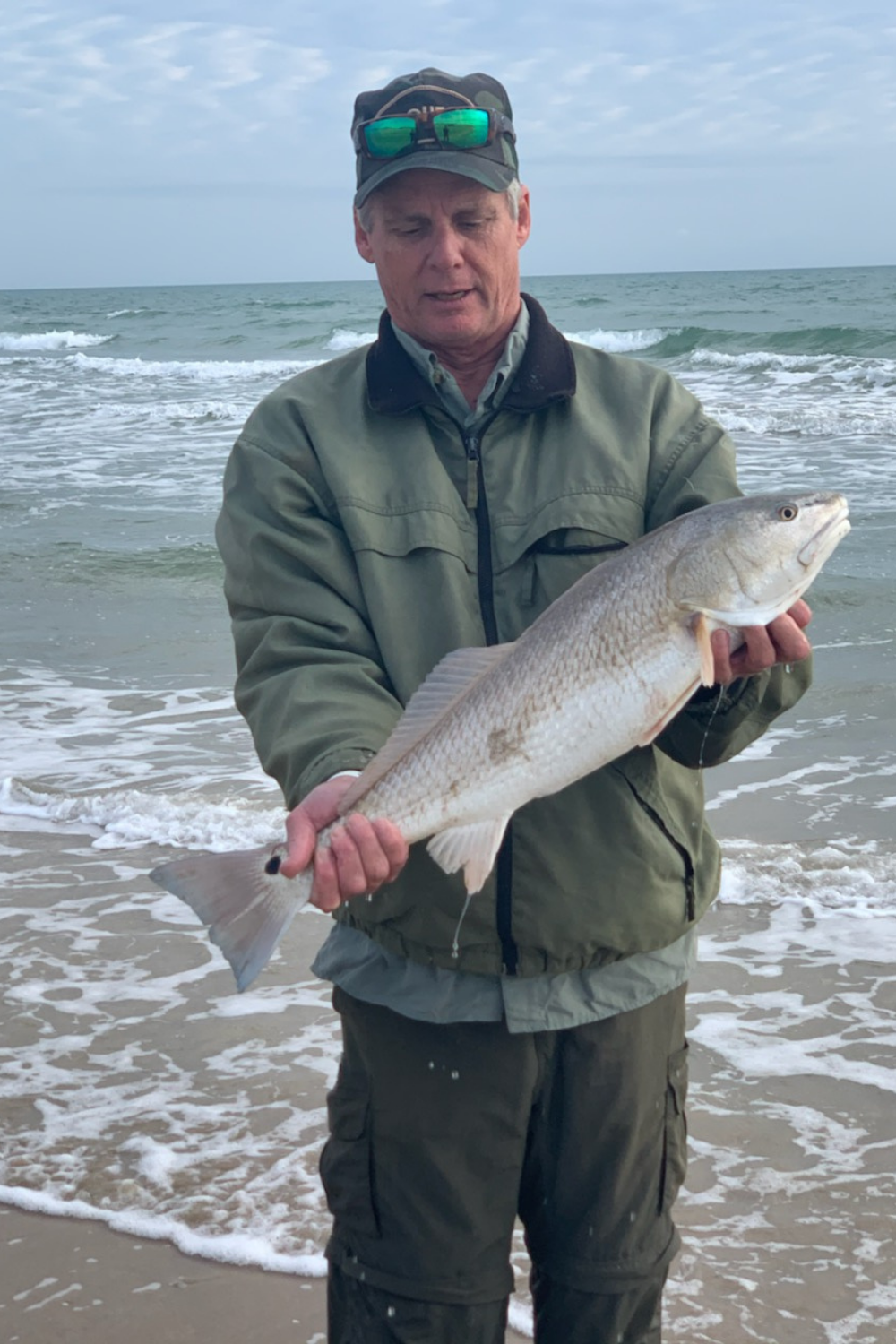
A life long surf fisherman with 50+ years of experience, I am also an avid hunter and outdoorsman. I will be sharing my passion for the outdoors with you so be prepared for hunting, fishing, camping, hiking and more. Along with gear reviews and the latest trends and innovations in the outdoor industry.