
Tides play a huge role when it comes to successful surf fishing. The rise and fall of the ocean can change everything, from where fish are located to how active they are and even how safe it is to be on the beach. When I started surf fishing, I quickly learned that paying attention to the tides could be the difference between an empty cooler or a day full of action. This article lays out what tides mean in surf fishing, why they matter so much, and how you can use them to get better results whenever you head out to the beach with your rod and reel.
QUICK LOOK: Tide Tips for Surf Fishing
- Check Local Tide Charts: Either use an app, a tide table, or even ask your local tackle shop staff. Knowing exactly when the tides switch up is the first step to planning a good trip.
- Fish the Running Tide: Target the couple of hours after the tide turns; either after low tide starts to rise or after high tide starts to fall. These are usually the most active bite windows.
- Scout the Beach at Low Tide: Map out where sandbars, troughs, and channels are so you can target them once they’re underwater again.
- Focus on Structure: Cast near areas where the current moves strongly over structure. Predators are waiting there for food to be delivered right to them.
- Stay Flexible: If the bite shuts off, move locations or try a different tide phase if you have time. Sometimes, a half-hour’s difference can switch things up completely.
Why Tides Make a Difference in Surf Fishing
Surf anglers like me are always keeping an eye on the tides, and for good reason. Tides affect water depth, current strength, prey movement, and fish feeding patterns. Without moving water, it’s easy to find yourself standing in a beautiful spot with absolutely no bites for hours.
Learning how tides work and taking advantage of them can really give your chances a boost of hooking fish that swim close to your feet. Most species that surf anglers target, like striped bass, pompano, redfish, bluefish, and whiting, move around based on the tides.
They follow smaller bait and other prey that the running water carries along the shore. The tidal flow not only moves the bait but also stirs up nutrients, creating a natural feeding event twice a day. I pay close attention to the tidal charts to plan my trips, aiming for periods when the water is moving instead of just sitting still.
Understanding the Tidal Cycle
The basics of the tidal cycle are simple: there’s a high tide, a low tide, and the water moves in between those points. What’s important is knowing what this movement does for fishing. Here’s a quick explanation:
- Incoming (Rising) Tide: The water level rises as the ocean pushes closer in toward the shore. Fish follow baitfish and small crustaceans that get pushed up onto the sandbars or flats. This period usually brings predatory fish within easy casting range.
- Outgoing (Falling) Tide: The water level drops, pulling baitfish and smaller prey back off the flats and sandbars toward deeper water. Predator fish often wait by deeper troughs and cuts to ambush them, making this period another prime time to catch fish.
- Slack Tide: This is the short window at the top of high tide or the bottom of low tide when there’s no real water movement. Fishing can be slow during slack tide because there isn’t enough current to encourage feeding.
For surf fishing, I try to focus my efforts on the hours right before and after high tide and low tide, when the water is moving fastest, and fish are most active. Local tide charts, apps, or websites can help you plan when these periods will occur at your favorite beach.
How Moving Water Triggers Feeding Activity
Water movement is the real trigger that gets fish feeding. When the tide is running, current forms along the beach, stirring up sand and dislodging things like worms, crabs, and shrimp that predatory fish love to eat. Baitfish such as mullet and anchovies get swept along with the flow, often in big schools.
Predator fish are built to take advantage of this. They use the current to make ambushes easier and save energy, letting the food come to them. I find that fish just seem a lot more aggressive when the current is moving steadily, especially during the middle hours of an incoming or outgoing tide.
Another reason the running tide matters is oxygen. As water moves in, it brings cooler, more oxygen-rich water from the ocean, making fish more energetic and likely to bite. On a hot summer day, an incoming tide can turn quiet water into an active feeding zone almost instantly.
If you watch closely, you might spot baitfish jumping or birds diving during this period. These are signs that predators are hunting nearby, triggered by the current’s food delivery. Surf anglers with a sharp eye for these clues tend to do very well.
Where Fish Go During Different Tides
As the tide changes, the places where fish gather also move. Understanding how these shifts work can help you guess where fish will be at different times:
- During the Incoming Tide: Fish move up onto shallow spots like sandbars, flats, and inlets, getting closer to the beach in search of food. This pulls them out from deeper water, making them easier to reach with a long cast.
- During the Outgoing Tide: As the water falls, baitfish and crustaceans leave the flats and shallow water. Predator fish wait near deeper troughs, cuts, or channels to intercept the prey as it funnels back out to sea.
- On the Slack Tide: Most fish seem to disappear or settle down. I treat this period as a chance to move spots, change lures, or take a break, knowing that fishing action should pick up again once the water starts running.
Observing birds, baitfish movement, and even looking for surface disturbances can clue you in about where the action is happening. Tides rarely stop moving for long, so there’s always a new opportunity coming up if you pay attention.
Seasonal changes also play a role. In the spring and fall, certain species might arrive or leave the beach depending on the temperature of the running tide. If you track down local fishing reports, you can keep up with these trends and adjust your fishing routine accordingly.
Reading Beach Structure with the Tides
Beach structure means hidden features like sandbars, troughs, cuts, and holes that fish use for feeding and shelter. I like to scout the shore at low tide, when more of these features are visible above the water. This helps me target the same areas when the tide is higher, and fish will likely be congregating there.
When the tide moves, it pushes bait and small prey across these structures. Fish will station themselves just outside a cut or trough to wait for the water to deliver them an easy meal. Knowing where these features are will help you cast to exactly the right places during the running tide.
Tide changes can also uncover or hide obstacles. Rocks, jetties, and even drop-offs that look harmless at low tide can become dangerous or totally covered at high tide. I always make a mental map of these spots so I can fish smart and less risky.
If you walk the length of the beach at different tide levels, you’ll spot “fish highways”—channels where predator fish travel or lie in wait. Marking these with GPS or just taking a photo can help you return to productive spots all season.
Effect of Tide on Wave and Water Conditions
Tides do more than just move fish around; they also change how the water looks and behaves. Higher tides often bring bigger and stronger waves because deeper water lets the swell push closer to shore. This can stir up feeding frenzies, but can also make casting and controlling bait trickier.
On an incoming tide, I notice that the water is usually cleaner since the ocean is pushing out debris and silt. Outgoing tides, on the other hand, can make the water cloudy and filled with particles from the beach, which affects what kinds of lures or bait might work best.
Water temperature can mix it up, too. Incoming tides usually bring cooler water, which is especially important in the summer. Sometimes, just a few degrees difference is all it takes to spark a strong feeding period. Knowing this can help you decide when and where to fish, especially during long, hot days when fish get sluggish.
Frequently Asked Questions About Tides and Surf Fishing
What’s the best tide for surf fishing?
I get this question a lot, and the answer depends on your location and target species. Most of the time, the best fishing happens on a rising or falling tide, with a lot of anglers favoring the last half of the incoming tide.
Is it worth fishing at slack tide?
Fishing tends to be slowest when the tide isn’t moving, so I usually take a break or move to scout new spots during this period.
Can I use Tide knowledge anywhere?
Yes, whether it’s a sandy beach, rocky shore, or estuary, tide movement affects fish behavior in all surf fishing spots. Adjust your strategy based on the way water flows in your particular area.
How do I check tides?
I use a combination of smartphone apps, websites, or printed tide tables. Most coastal towns also have tackle shops with up-to-date local information.
Staying Safe: Tides and Access for Anglers
One thing I never ignore is the risk that tides bring. Tidal movement can cover up sandbars or trap you on islands that seemed easy to reach during low tide. Waves and unexpected currents get a lot stronger as the water rises, which can be dangerous, especially if you are wading or standing out in the surf.
To stay safe, I always check the tide charts before heading out and plan an escape route in case the water starts coming in faster than expected. Some beaches are famous for having really fast-moving tides, so it’s always better to keep an eye on your surroundings and never get complacent.
Bringing a buddy with you can make fishing safer, especially in unfamiliar places. Wearing a quality PFD (personal flotation device) and keeping a phone in a dry bag can be a lifesaver when beaches or sandbars flood quickly.
Practical Tips for Using Tides in Surf Fishing
Getting the most from the tides doesn’t require a science degree, just a bit of planning and awareness. Here are some tips that have worked for me:
- Check Local Tide Charts: Either use an app, a tide table, or even ask your local tackle shop staff. Knowing exactly when the tides switch up is the first step to planning a good trip.
- Fish the Running Tide: Target the couple of hours after the tide turns; either after low tide starts to rise or after high tide starts to fall. These are usually the most active bite windows.
- Scout the Beach at Low Tide: Map out where sandbars, troughs, and channels are so you can target them once they’re underwater again.
- Focus on Structure: Cast near areas where the current moves strongly over structure. Predators are waiting there for food to be delivered right to them.
- Stay Flexible: If the bite shuts off, move locations or try a different tide phase if you have time. Sometimes, a half-hour’s difference can switch things up completely.
Don’t forget to pack extra gear, sunscreen, and some snacks, especially if your session stretches several hours to follow a tide cycle. Staying comfortable and ready lets you make the most of every bite window.
Using Tides for Better Surf Fishing
Paying attention to the tides is one of the most practical and effective things I do whenever I go surf fishing. Tides not only decide when and where fish are likely to bite but also influence safety and beach access. With a bit of planning and some simple observations, you can use the tide to turn any average fishing day into a really productive one.
I always recommend checking the tidal schedule, reading the beach, and adapting your tactics to match the movement of the water. Getting to know your local tides is a big part of becoming a more skilled and consistent surf angler.
Joining local fishing forums or social media groups is another way to get timely tips on tide patterns and when the bite is hottest in your area. Sometimes, a quick chat with a local can put you on fish faster than any chart.
By keeping these tips in mind and making a habit of reviewing tide information before each trip, surf anglers at any level can make the most of every adventure on the beach. Happy fishing, and may your lines always be tight!
Check Out Our Most Recent Articles:
- Why Are Tides Important In Surf Fishing?

- Understanding Fish Behavior To Improve Your Fishing
- How To Choose The Right Reel For Saltwater Fishing
- Emerging Trends In Saltwater Fly Fishing

- How To Choose A Saltwater Fishing Rod

- The Daiwa KAGE Inshore Rods
As always, stay safe, enjoy the journey, and please try to leave it cleaner than you found it. If you have any comments, questions, ideas, or suggestions, please leave them in the comment section below, and I’ll get back to you ASAP. You can follow us on Facebook: Rex The Beach Angler, Instagram: thebeachangler7, Twitter: @AnglerBeach, and YouTube: Man Art Creations.
P.S. Thanks so much for checking out our blog; we really appreciate it. Just so you know, we may receive a commission if you click on some of the links that appear on our site. This helps us keep our content free and up-to-date for everyone. We appreciate your support!





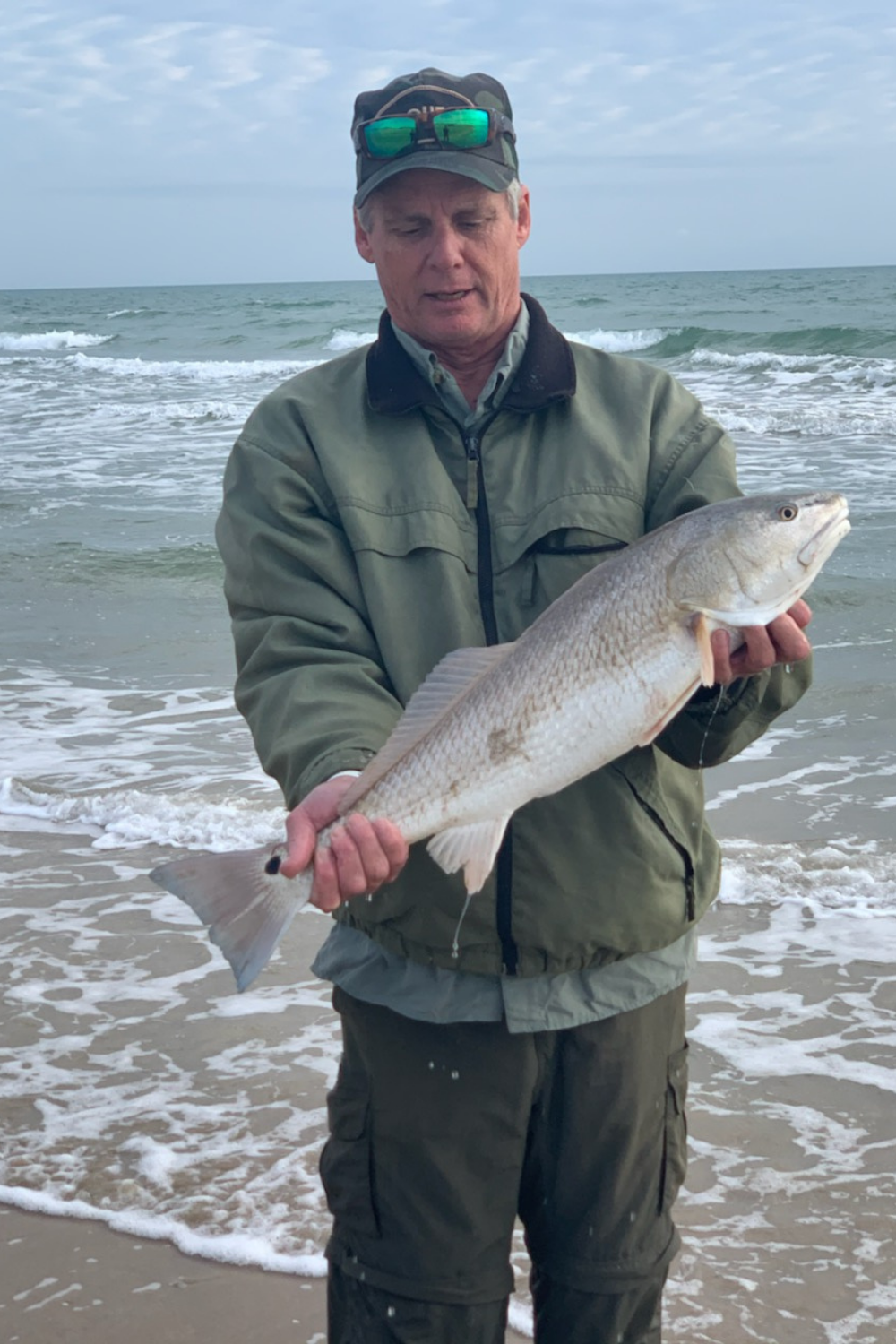
A life long surf fisherman with 50+ years of experience, I am also an avid hunter and outdoorsman. I will be sharing my passion for the outdoors with you so be prepared for hunting, fishing, camping, hiking and more. Along with gear reviews and the latest trends and innovations in the outdoor industry.