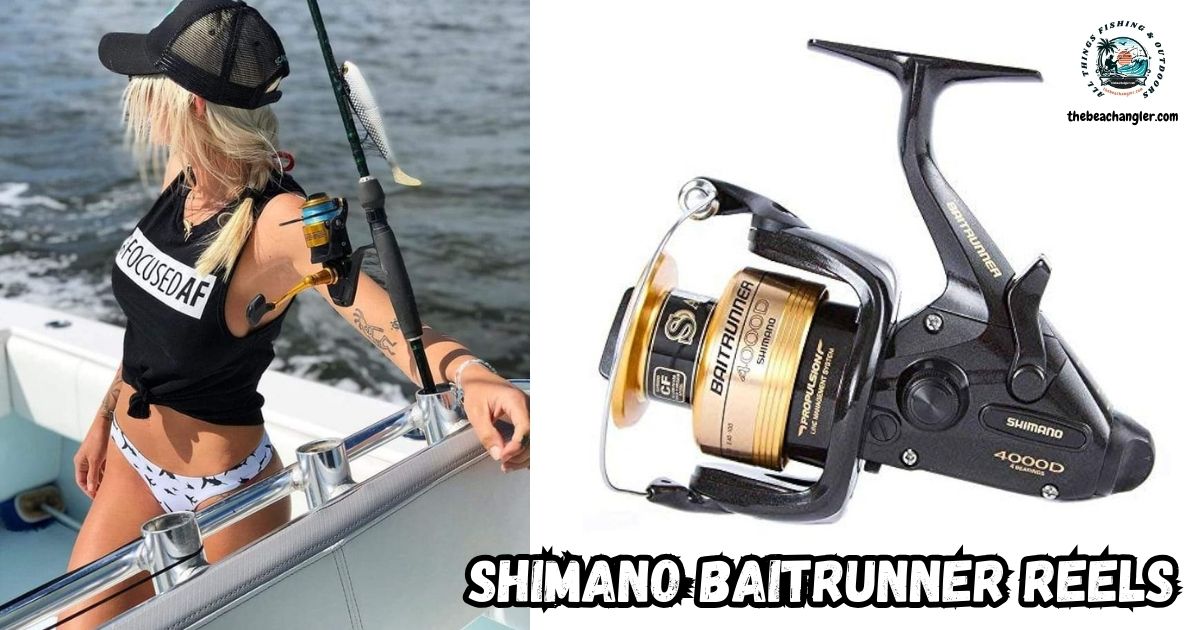
Fishing with live bait in saltwater demands a reel that’s both reliable and practical. The Shimano Baitrunner D Spinning Reel is an option I often choose because it’s built specifically for these situations. This reel blends traditional spinning performance with unique features, helping me present live bait naturally and land a wide variety of fish with confidence. Here’s my personal guide to understanding what makes the Baitrunner D such a solid pick. If you value both comfort and control on the water, read on for what sets this reel apart.
QUICK LOOK: Tips for Fishing with the Shimano Baitrunner D Reels
- Rinse the reel with fresh water after every saltwater trip, paying extra attention to the Baitrunner lever and drag knobs. Salt can build up in these spots and cause the switch to get sticky if you don’t keep up. A quick rinse and wipe-down can make the difference between smooth drags and annoyances next trip.
- Use the right drag settings for both the Baitrunner and main drag. If I’m targeting bigger fish, I pre-set my main drag a bit tighter so I don’t have to guess once the fight starts. Double-check your settings before each cast—it saves frustration when a big one bites.
- Consider line capacity and quality. For live bait situations, smoother line flow means fewer lost fish. I like using quality braid with a mono leader for most saltwater fishing. This combo allows for better sensitivity and durability in abrasive environments.
- Apply a small dab of reel oil to the Baitrunner mechanism every few trips—that keeps everything functioning smoothly even after repeated exposure to salt spray.
- Store your reel in a dry place, ideally with the drag loosened between trips, to keep all components fresh and ready to go when the next adventure calls.
Key Features of the Shimano Baitrunner D
The Baitrunner D, as an upgrade to their Thunnus line of baitfeeder reels, stands out to me thanks to a suite of features designed for effective live bait fishing. If you’re interested in gear that lets fish run with minimal resistance before setting the drag, this reel is definitely worth a closer look. So, these are the features I think you’ll really like.
- Baitrunner System: The heart of this reel is Shimano’s signature Baitrunner feature. This separate drag system allows line to peel off the spool at controlled tension with the bail closed. I switch it on using a simple lever and pick my ideal resistance with the rear knob. When a fish grabs the bait and swims off, it feels almost no resistance. The second I’m ready to set the hook, a turn of the handle switches back to the main drag, giving me full control for the fight.
- Smooth Drivetrain & Auto-Return: I appreciate the smooth retrieval and positive hooksets I get from Shimano’s proven drivetrain. The auto-return Baitrunner lever means I don’t have to fumble around during those crucial seconds after a strike. It’s quick and straightforward to engage the main drag.
- Better Casting & Line Lay: The Baitrunner D includes Shimano’s Propulsion Line Management System and an oval oscillation gear. This pairing gives me longer, smoother casts and less trouble with wind knots or tangles. I’ve noticed my casting distance increases and my line lay stay nice and even after repeated use, even with different types of fishing line.
- Comfort Grips & Versatile Settings: The grips are larger and feel far more comfortable in my hands, making long sessions easier and less tiring. The drag system offers a higher max drag, and the range of Baitrunner settings seems wider compared to older Shimano models I’ve owned. The adjustability lets me really dial things in for specific species or situations.
- DynaBalance Rotor: Recovering line is super smooth, even when I’m fighting active fish. DynaBalance technology counteracts wobble, and this helps prevent fatigue and keeps me extra sensitive to every bite.
- SaltwaterReady Build: The Baitrunner D uses S A-RB bearings that are shielded for extra corrosion resistance. A one-piece bail helps the line run smoothly and holds up well in harsh marine conditions. The rugged exterior resists dings and saltwater exposure better than most spinners I’ve owned.
Choosing the Proper Size for Your Fishing
Having options is really valuable to me, since fishing styles can change depending on where or what I’m targeting. The Baitrunner D series comes in four main sizes, each with a sweet spot for different applications and fish:
- BTR4000D: This smaller reel feels great for inshore fishing or floating light baits for snapper, trout, or flounder. I use it when I need a finesse approach with lighter lines. The lighter weight helps with backcountry hikes and casting in small mangrove channels.
- BTR6000D: A midsized option that covers a wide range of inshore and nearshore needs. I like it for larger baits, pitching pilchards or squid, and going after bigger snapper or drum. It has enough power for handling surprise runs from larger-than-expected fish.
- BTR8000D: Now I’m moving into true offshore territory. This reel suits heavier mono or braid and works well for casting or fishing bait for kingfish, striped bass, or mackerel. Its capacity and drag help me keep control during long runs and tide changes offshore.
- BTR12000D: My pick for the biggest jobs: chasing big pelagics like tuna, sharks, or mahi mahi. I can load this with heavy braid and go after species that need a lot of line capacity and serious drag power. If I’m out on a boat targeting serious gamefish, this is the reel I bring aboard.
How to Use the Baitrunner D System
Learning to use the Baitrunner system takes a little practice, but it quickly becomes second nature. Here’s my quick process that helps me maximize hookups and give my bait the most natural presentation:
- Set the Baitrunner lever “on” and fine-tune the rear drag knob to suit current, bait weight, and fish size. This lets your bait swim or drift naturally and lets a fish pick it up with just enough resistance so the reel doesn’t overrun.
- Wait for a take. When a fish grabs the bait, it feels very little pull from the reel. I let it run for a moment, watch the line go out steadily, then grab the handle and turn it. I always keep an eye on my rod tip so I know exactly when to react.
- Turning the handle shuts off the Baitrunner, shifting instantly to the main front drag. Now I’m in a position to set the hook hard, with all the strength and control I need for the fight ahead.
This system is especially helpful for fish that might drop the bait if they feel resistance. Using the Baitrunner, I get more hookups and can adjust my drag on the fly. It’s something I find really helpful on busy charter days and when the bite is finicky.
Practical Tips for Maximizing Performance
Getting consistent results from the Baitrunner D means knowing a little about maintenance and fishing style. Here are tips based on real-world use to keep your reel in top shape and performing at its best:
- Rinse the reel with fresh water after every saltwater trip, paying extra attention to the Baitrunner lever and drag knobs. Salt can build up in these spots and cause the switch to get sticky if you don’t keep up. A quick rinse and wipe-down can make the difference between smooth drags and annoyances next trip.
- Use the right drag settings for both the Baitrunner and main drag. If I’m targeting bigger fish, I pre-set my main drag a bit tighter so I don’t have to guess once the fight starts. Double-check your settings before each cast—it saves frustration when a big one bites.
- Consider line capacity and quality. For live bait situations, smoother line flow means fewer lost fish. I like using quality braid with a mono leader for most saltwater fishing. This combo allows for better sensitivity and durability in abrasive environments.
- Apply a small dab of reel oil to the Baitrunner mechanism every few trips—that keeps everything functioning smoothly even after repeated exposure to salt spray.
- Store your reel in a dry place, ideally with the drag loosened between trips, to keep all components fresh and ready to go when the next adventure calls.
Common Pros and Cons According to Anglers
Experience on the water shapes a lot of opinions about gear. Here’s what anglers (myself included) tend to mention as the good and the not-so-good about the Shimano Baitrunner D series:
| Pros of the Shimano Baitrunner D |
|---|
| Baitrunner feature lets fish run with minimal resistance, improving natural presentations and hookups. |
| Feels solid and durable, even in saltwater. The corrosion-resistant bearings save a lot of trouble in the long run. |
| Super smooth retrieve, with wobble-free operation even under pressure, thanks to DynaBalance. |
| Improved casting range and line management help me deal with wind knots and birds’ nests far less often. |
| Larger handles and grips make a long day feel easier, especially on offshore trips. |
| Lots of size options. One reel family covers everything from small inshore targets to big offshore hunters. |
| Quick transition from Baitrunner mode to fighting mode with just a turn of the handle, letting anglers adapt on the fly to sudden strikes. |
| Cons of the Shimano Baitrunner D |
|---|
| The reel is heavier than some standard spinning reels in the same class. For all-day casting, this can be noticeable, especially in the two largest sizes. |
| A few users report that the Baitrunner switch can get sticky after several seasons if it’s not maintained and cared for properly. |
| This isn’t the right reel for ultralight fishing. It’s better for medium to heavy lines and fish that make strong runs. |
| For really fast or hard-running species, some anglers say the transition to the main drag can feel a little slow. In my experience, being prepared and quick with the handle helps a lot, but it’s something to be aware of if you regularly chase speedy fish. |
Situations Where the Shimano Baitrunner D Excels
The combination of features makes this reel an easy pick for certain types of fishing. Here are examples from my trips, highlighting when this reel really shines in action:
- Live baiting for snapper or sea trout: The Baitrunner system lets these cautious feeders move off with the bait before I properly set the hook. This leads to more consistent hookups and natural presentations.
- Floating baits offshore for kingfish or mahi mahi: The huge line capacity and smooth drag keep me prepared for sudden, blistering runs. Offshore, this can make the difference in landing that once-in-a-season fish.
- Cut bait fishing in strong currents: The ability to dial in just the right resistance keeps tension to avoid tangles, but not so much that wary fish drop the bait. I find it especially useful in channels and tidal rips where fish can be unpredictable.
- Night fishing for drum, striped bass, or snook: The quiet operation and Baitrunner system make it easy to detect subtle pickups when it’s too dark to see the line, making the difference at dusk and dawn.
Questions Anglers Often Have About the Baitrunner D
If you’re new to this style of reel or the Baitrunner system in particular, certain questions are going to pop up. Here are some I’ve fielded or had myself, with practical answers to clear things up:
What’s the main difference between the Baitrunner D and other spinning reels?
The main difference is the dual drag system. The Baitrunner lets you offer an almost resistance-free presentation, which is hard to do with a standard reel unless you leave the bail open (which can cause tangles or missed strikes).
Can I use braided line with the Baitrunner D?
Yes, I regularly spool up with braid and add a mono leader. The propulsion spool design works well with both braid and mono, and the one-piece bail helps reduce line wear.
How do I prevent the Baitrunner switch from sticking?
Regular rinsing after saltwater use and an occasional light oiling on the lever mechanism go a long way. If salt or grit gets into the workings, it’s most likely to happen here; pay close attention after long days around spray or sand.
What fish can I reliably target with the Baitrunner D?
I’ve used this reel successfully for snapper, drum, striped bass, kingfish, cobia, tuna, and even some smaller sharks. Choose the size that matches your target species and line class; there’s enough variety to cover most saltwater scenarios.
Is the Shimano Baitrunner D a Good Fit for You?
For anglers who spend time fishing with live or cut bait, especially in saltwater, the Shimano Baitrunner D Spinning Reel has a lot to offer. Its dual drag system, robust build, and thoughtful comfort features keep me coming back to it season after season.
Maintenance and proper drag tuning are both crucial to keep it operating at its highest potential. If you need a tough reel that gives you every advantage in live bait situations and can stand up to harsh saltwater conditions, the Baitrunner D is definitely worth considering.
Wrapping up, this is a well-built, practical tool for anglers who want reliability and performance every trip to the water. It is a bit more expensive and smoother operating than the KastKing Sharky III Baitfeeder Reels.
Check Out Our Most Recent Gear Review Articles:
- The Daiwa KAGE Inshore Rods
- Daiwa Free Swimmer Spinning Reel
- Daiwa Blackline Inshore Rods
- The Daiwa Saltist Back Bay Spinning Reel

- Shimano TR Triton Reel Review
- Shimano TLD Reels Review
As always, stay safe, enjoy the journey, and please try to leave it cleaner than you found it. If you have any comments, questions, ideas, or suggestions, please leave them in the comment section below, and I’ll get back to you ASAP. You can follow us on Facebook: Rex The Beach Angler, Instagram: thebeachangler7, Twitter: @AnglerBeach, and YouTube: Man Art Creations.
P.S. Thanks so much for checking out our blog; we really appreciate it. Just so you know, we may receive a commission if you click on some of the links that appear on our site. This helps us keep our content free and up-to-date for everyone. We appreciate your support!





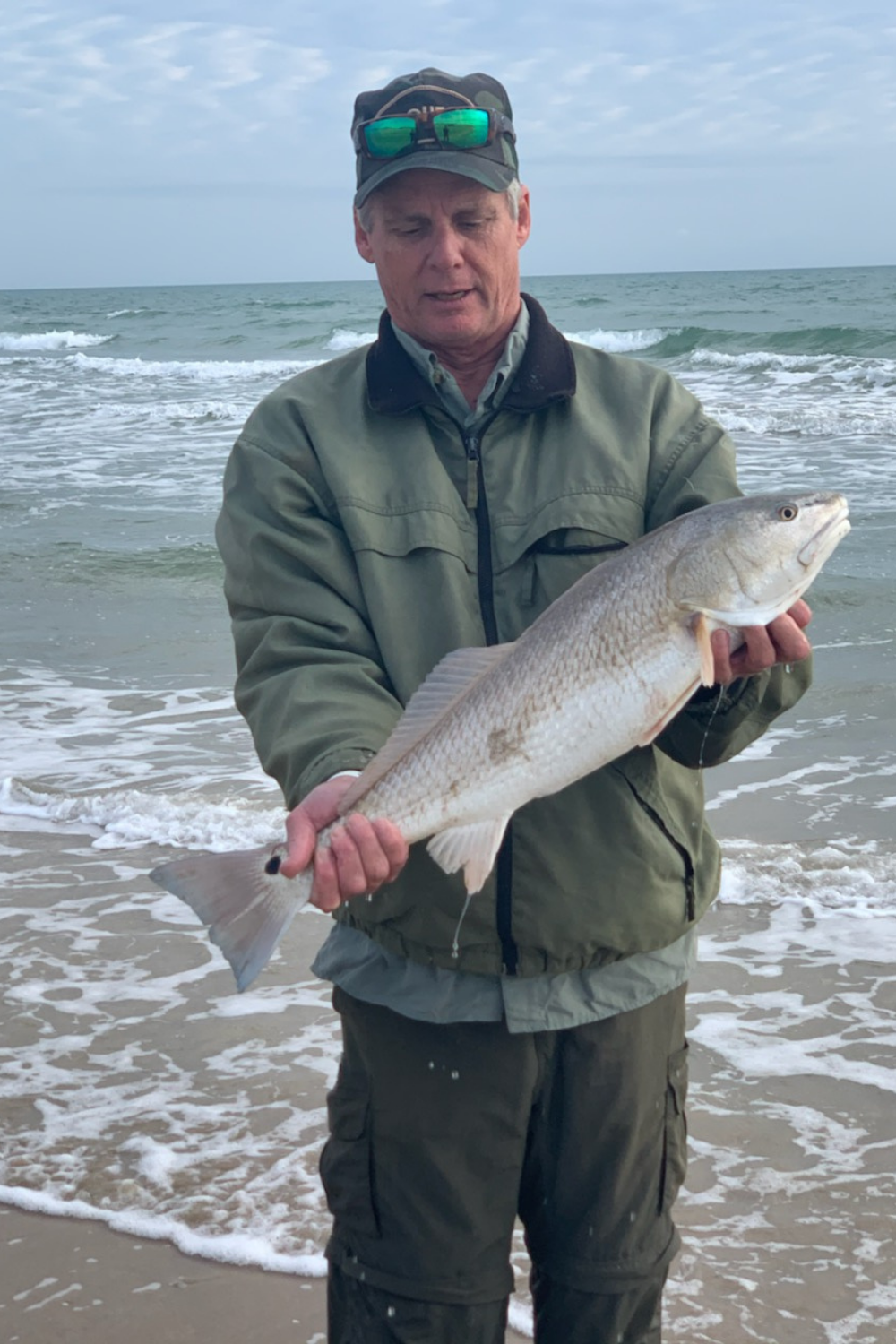
A life long surf fisherman with 50+ years of experience, I am also an avid hunter and outdoorsman. I will be sharing my passion for the outdoors with you so be prepared for hunting, fishing, camping, hiking and more. Along with gear reviews and the latest trends and innovations in the outdoor industry.