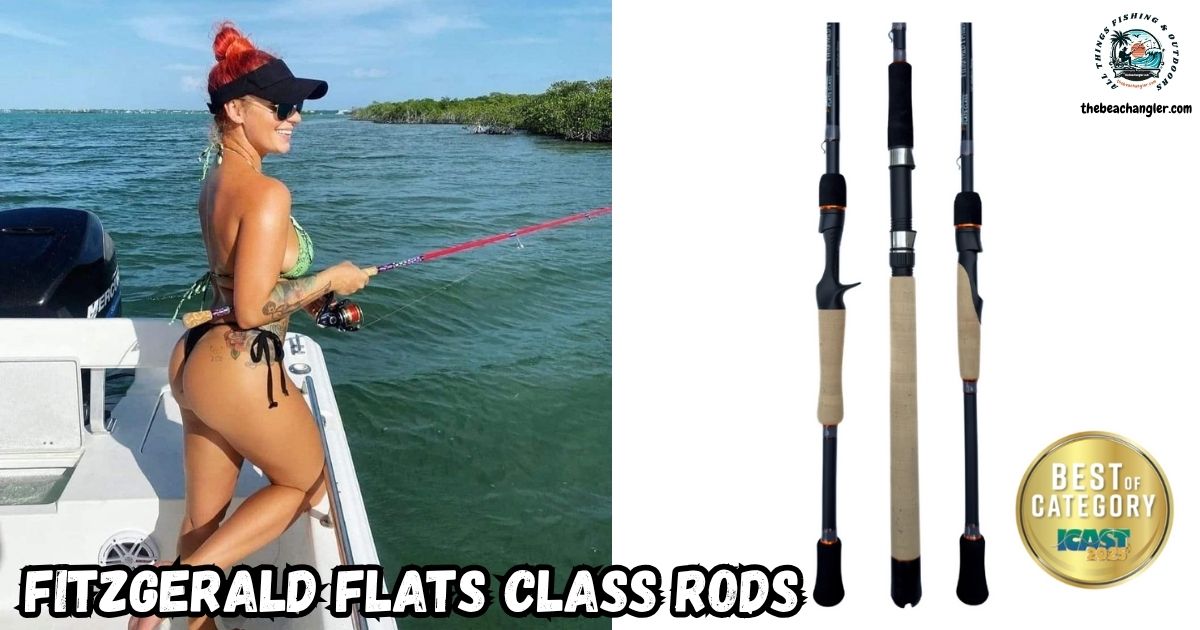
Inshore fishing calls for having the right tool whenever you go after everything from spooky redfish to powerful snook slicing through flats. The Fitzgerald Fishing Flats Class Inshore Rods come up a lot in fishing circles, especially if you care about casting accuracy, comfort, and reliability. After logging plenty of hours with these rods under all sorts of conditions, I’ve put together my thoughts about why they deserve a spot in any serious angler’s lineup.
QUICK LOOK: What Sets the Fitzgerald Flats Class Apart?
- High-quality materials: The 40-ton carbon blank gives obvious advantages in power and sensitivity with every outing. Bites are clear, and hooksets feel instant.
- Corrosion Resistance: The guides stand up well in saltwater—something all coastal anglers can appreciate.
- Comfort and Handling: Thanks to the cork grip and EVA foregrip, even long sessions stay comfortable. When your hands aren’t slipping, casting gets even more accurate.
- Hook Keeper & Snagless Guides: The small touches, like snag-resistant guides and a stainless hook keeper, save time and frustration, especially during lure changes while wading.
- Versatility: It handles topwaters, jigs, and suspending plugs all with one rod. You can cover more ground efficiently.
- Award Recognition: Winning Best Saltwater Rod at ICAST 2025 proves that the people who design these rods know what anglers want. It backs up my own experience that these rods are made for real fishing, not just for looks.
- Warranty: The limited lifetime warranty gives peace of mind. If you’re spending a bit more, the warranty makes it feel like a smart investment.
- Designed with C.A. Richardson: The input from a working guide is a huge plus. On technical flats or with pressured fish, this is not a “one size fits all” setup—it feels tuned for the job at hand.
Key Features of the Fitzgerald Fishing Flats Class Inshore Rods
Choosing a rod always feels personal, but several standout specs pull a lot of anglers—including myself—toward the Flats Class series. These rods blend strength, sensitivity, and durability with a serious eye for what benefits anglers in salty environments.
The core of each rod is its 40-ton Japanese Toray carbon fiber blank. This material delivers a strong mix of power and feel, so even subtle bites are easy to spot while also giving you backbone during a strong fight. I see a big difference when chasing everything from speckled trout that tap lightly to bull redfish that run.
Saltwater is notoriously harsh on gear, but the Ti-forged guides on these rods use corrosion-resistant 316 stainless steel. I’ve noticed these guides shed tangles during windy conditions much better than standard options, and they don’t rust nearly as fast as cheaper ones. The premium cork handle and EVA foregrip make longer sessions comfortable, even with sweaty or wet hands. Secure grip and reduced fatigue make those marathon days more enjoyable.
Some other small details I find genuinely helpful include the split grip design, lightweight construction, a comfortable ergonomic reel seat, and a stainless steel hook keeper that stands up to the elements. These details smooth the way for more reliability and convenience out on the water.
Why the Flats Class Rod Feels Right on the Water
Rod performance isn’t just about numbers on a spec sheet. For me, the Flats Class Inshore rods stand out because of how balanced they feel in hand. Less wrist fatigue after hours of use makes a huge difference, especially when I’m chasing schools inside sprawling bays or casting along grassy shorelines.
Sensitivity sits at a next-level cool spot with these rods. Even with small ticks from soft plastics or live bait, I can spot the action—great for when redfish act cautious. They also shine when long casts are needed using spoons or twitchbaits, delivering solid load and a responsive recovery. When a strong snook or chunky trout charges for cover, it genuinely feels like I have control of the cast and the fight.
With a strong blank and moderate-fast action, these rods fit a wide range of inshore techniques. They’re perfect for working topwater plugs at sunrise and are sensitive enough for subtle work around oyster bars or over sand potholes. The backbone enables me to guide fish out of light cover without stress, but for really thick structure or monster fish, upgrading to a heavier rod makes sense.
Sizing, Models, and Customization
The Flats Class Inshore series comes in a bunch of lengths and powers, meaning there’s a suitable option for whatever you’re targeting. Most models stretch out between 6’9” and 7’6”, offering actions from mediumlight to mediumheavy. I usually stick with the 7’2” medium power, which gives me real flexibility—perfect for tossing small jigs at reds or heavier paddle tails when extra casting distance is needed.
The ergonomic reel seat and split grip design both help keep it light and well-balanced. The EVA in the butt section cuts extra weight and absorbs shocks in a fight. Handle shapes and lengths work for single-handed and two-handed casts, and whether I’m switching between spinning and casting setups, the feel remains reliably steady.
Pros and Cons from My Experience
No rod series can truly cover every situation, so I try to keep things honest. Here’s how it shakes out after real time on the water:
- High-quality materials: The 40-ton carbon blank gives obvious advantages in power and sensitivity with every outing. Bites are clear, and hooksets feel instant.
- Corrosion Resistance: The guides stand up well in saltwater—something all coastal anglers can appreciate.
- Comfort and Handling: Thanks to the cork grip and EVA foregrip, even long sessions stay comfortable. When your hands aren’t slipping, casting gets even more accurate.
- Hook Keeper & Snagless Guides: The small touches, like snag-resistant guides and a stainless hook keeper, save time and frustration, especially during lure changes while wading.
- Versatility: It handles topwaters, jigs, and suspending plugs all with one rod. You can cover more ground efficiently.
- Award Recognition: Winning Best Saltwater Rod at ICAST 2025 proves that the people who design these rods know what anglers want. It backs up my own experience that these rods are made for real fishing, not just for looks.
- Warranty: The limited lifetime warranty gives peace of mind. If you’re spending a bit more, the warranty makes it feel like a smart investment.
- Designed with C.A. Richardson: The input from a working guide is a huge plus. On technical flats or with pressured fish, this is not a “one size fits all” setup—it feels tuned for the job at hand.
But there are some drawbacks. The moderate-fast action covers most needs, but anglers who set hooks hard with weedless plastics may want a rod with a faster tip. The cost—typically in the $200 to $300 range—doesn’t make this an entry-level purchase. For heavy cover or truly big fish (think huge tarpon or giant jacks), you might want to look for a beefier rod.
Common Fitzgerald Flat Class Inshore Rod Questions
Because plenty of anglers ask about this series, here are answers to the top questions I get from friends, clients, and folks on fishing forums:
What makes the Fitzgerald Flats Class rod different from other inshore rods?
The blend of quality carbon fiber, corrosion-resistant components, and advice from a leading saltwater guide sets it apart. The three high points are comfort, distance, and durability.
How does the rod hold up in tough saltwater conditions?
The stainless guides and hook keeper hold strong against corrosion. I always rinse gear after trips, but it’s encouraging to see almost no rust, even after a full season on the water.
Is it worth the price if I only fish the flats a handful of times?
If you fish just a couple of days a year, a cheaper setup might do the trick. But if you appreciate smooth casting, sharp sensitivity, and comfort that lasts all day, it’s a solid investment. Having gear that just works made me get out and fish more often.
What’s the warranty situation?
Fitzgerald Fishing offers a limited lifetime warranty against manufacturing defects. It’s not a blanket, no-questions-asked policy, but it adds confidence if you ever have an issue with the blank or guides.
How I Use the Fitzgerald Flats Class Inshore Rods
Actual use always sheds more light than spec sheets. I count on the Fitzgerald Flats Class for sightcasting along grass lines, skipping baits under low-hanging mangroves, and working soft plastics or small plugs over open sand flats. Quick, accurate casts matter, especially when edgy fish chase bait in clear, shallow water.
When the wind picks up or fish start keeping their distance, the blank loads up and launches lures farther. Pairing it with 10 to 20-pound braided line is perfect for most reds, trout, or snook, and I keep a 20 to 30-pound fluorocarbon leader handy for abrasion resistance.
The rod’s sensitivity makes it a breeze to spot shifting bottom—oyster bars, grass patches, and sand holes all have different “feels”. Spotting those small transitions often leads me to discover the prime ambush zones.
All-day comfort is a game-changer on long stretches. Whether I’m poling, letting the wind drift me, or wading miles, the grip and overall weight keep fatigue low—something my hands and wrists appreciate after using entry-level rods in the past. Little ergonomic tweaks add up the more time you spend on the water.
Should You Choose the Flats Class Inshore Rod?
If you put in real hours fishing inshore and want a rod that keeps feeling good after a full day, holds up under harsh conditions, and casts straight and true, the Flats Class Inshore rod makes a strong case. The extra investment truly pays off down the line with fewer hassles, less tired arms, and better shots at wary fish.
For anglers looking for exceptional feel, strength, and gear that lasts, the Fitzgerald Fishing Flats Class Inshore Rod is a steady performer in the lineup. Whether you’re chasing your PB redfish, dialed in on tricky snook, or just want a top-notch flats rod that does everything well, this rod is worth putting in the boat. Thoughtful design and smart features turn it into a regular pick for my inshore adventures, and I find myself reaching for it again and again.
Check Out Our Most Recent Gear Review Articles:
- Seviin GW Series Spinning Reels
- New Mirrolure Chameleon Series Lures
- Field-testing The Quantum Benchmark Spinning Reel
- Z-man Swag Lt Swimbait
- Kastking Kapstan Se Saltwater Spinning Reel
- The Daiwa Crosscast Surf Reel
As always, stay safe, enjoy the journey, and please try to leave it cleaner than you found it. If you have any comments, questions, ideas, or suggestions, please leave them in the comment section below, and I’ll get back to you ASAP. You can follow us on Facebook: Rex The Beach Angler, Instagram: thebeachangler7, Twitter: @AnglerBeach, and YouTube: Man Art Creations.
P.S. Thanks so much for checking out our blog; we really appreciate it. Just so you know, we may receive a commission if you click on some of the links that appear on our site. This helps us keep our content free and up-to-date for everyone. We appreciate your support!





A life long surf fisherman with 50+ years of experience, I am also an avid hunter and outdoorsman. I will be sharing my passion for the outdoors with you so be prepared for hunting, fishing, camping, hiking and more. Along with gear reviews and the latest trends and innovations in the outdoor industry.