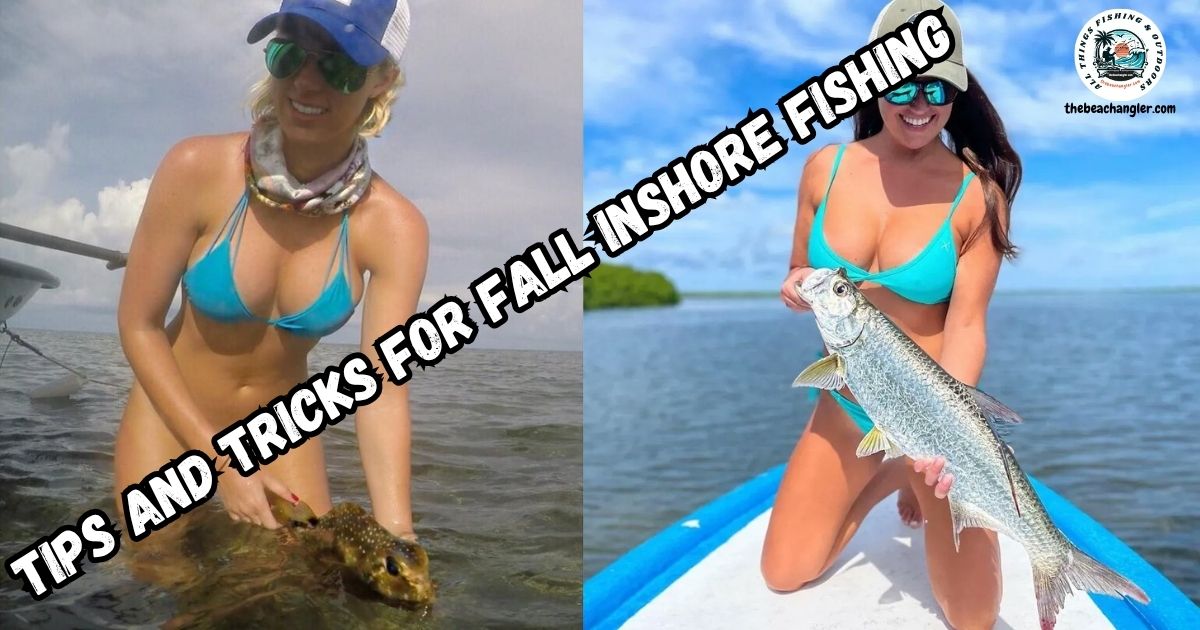
Inshore saltwater fishing during fall is one of my favorite ways to spend time on the water. Fall brings in cooler temperatures and big changes in fish behavior, mainly because baitfish start to move. I often find that learning some practical fall strategies helps me make the most of these conditions and catch more fish.
QUICK LOOK: Best Spots for Fall Inshore Saltwater Fishing
- Creek and River Mouths: My best fall days happen when I fish near creek inlets and river mouths. Trout and flounder move into these areas behind bait. I’ve caught limits by drifting baits along channel edges where the depth changes suddenly. Sometimes short drifts are all you need to find the sweet spot.
- Active Passes and Inlets: Redfish and migrating species often hold around bridges or inlet jetties. I fish the outgoing tide for flounder and the incoming for snook or reds. These bottlenecks are like highways for fish on the move.
- Grass Flats and Oyster Bars: I like to work popping corks or paddle tails over grass flats, especially when the tide rises. Oyster bars give ambush points for snook and reds, making precision casting important.
- Stealthy Approach: The water often becomes clearer as temperatures drop. I usually switch to a trolling motor or even a push pole when moving through skinny water. I avoid making noise, which spooks fish easily.
Not only does autumn offer cooler, more comfortable days, but the changes in the ecosystem kick things up and create perfect fishing moments for anglers of all skill levels. As days get shorter and water temperatures begin their downward slope, patterns start to emerge that reveal where and how to find feeding inshore species. Each outing gives me more insight into how lively and productive this season can be.
Why Fall is Prime Time for Inshore Saltwater Fishing
As water temperatures drop, many saltwater inshore species start putting on weight for winter and follow large schools of bait like mullet and menhaden. Trout, redfish, flounder, and snook become more active and feed aggressively, making fall one of the best seasons to target them.
In my own fishing trips, I’ve noticed how much easier it is to find fish in predictable spots during fall. The more I pay attention to water temperature, bait movement, and tides, the better my success. I usually see more activity on the surface, especially near marshes, flats, and creek mouths, where fish wait to ambush their meal.
This consistency in fish location helps anglers plan trips with more confidence. Fall often delivers those days when everything lines up, allowing you to cover more ground and catch a variety of species in a single outing.
Understanding Fall Feeding Patterns and Fish Movements
Fish feeding habits change a lot during the fall. With cooling water, fish increase their feeding, especially before strong cold fronts. This puts them closer to shallow flats, oyster bars, and grass edges. On my outings, I watch for birds diving or baitfish jumping—signs that predators are on the hunt nearby. Keeping eyes peeled for these clues can help pinpoint the best locations to start fishing after launching from the dock or ramp.
- Follow the Bait: I always keep an eye out for baitfish schools. Fish often stay nearby; diving birds can be a handy clue. Sometimes, if you pay close attention, you can even spot nervous water or see the flash of a predator right under the school.
- Target Ambush Zones: I focus on current breaks, creek mouths, mangroves, sandbars, and oyster beds. I’ve had most luck with redfish and trout where they can pin bait or use cover. These types of locations seem to concentrate fish as they chase bait pushed by the tides.
- Watch the Time of Day: I sometimes get better results during early mornings and evenings, while the water is cooler in early fall. In late fall, midday fishing is more productive when the sun warms up the shallows. This window is perfect for a quick trip during lunch hours or when making an afternoon push to a productive spot.
- Cold Front Timing: The best bite for me is usually right before a front. After a front passes, I slow down and fish deeper channels as fish become less active. Sometimes it pays to be patient, especially after sudden weather changes.
Lures and Baits That Work in Fall
Picking the right lure or bait is essential because fall fish are keyed in on specific prey. One of the things I focus on is matching the size and type of the local baitfish, something many anglers call “matching the hatch.” Fall means baitfish often shrink in size, so downsizing lures can sometimes be the ticket. I also like bringing a mix, since different species in the shallows may be chasing mullet, shad, or shrimp at any point.
- Soft Plastic Paddle Tails: These have been a go-to for me. They mimic mullet or shad well and work for covering large areas, especially on grass flats or shallow points. Their vibration stands out in colder water, which grabs attention when fish are cruising the flats.
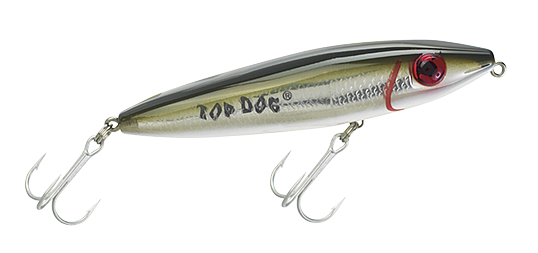
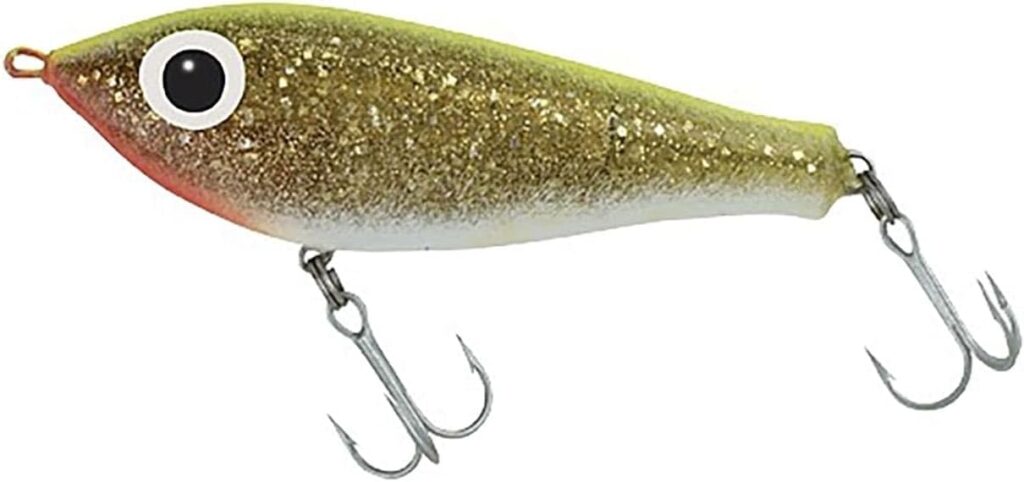
- Topwater Lures: Early mornings or overcast days, I often throw a topwater lure like a walk-the-dog style plug. The strikes are always thrilling and work well when the water is still a bit warm. The surface commotion calls in aggressive feeders looking for a quick meal.
- Suspending Twitchbaits: When the water cools down and fish slow, twitchbaits produce because I can work them slowly over deeper potholes or dropoffs. I like them for spotted trout or when redfish aren’t super active.
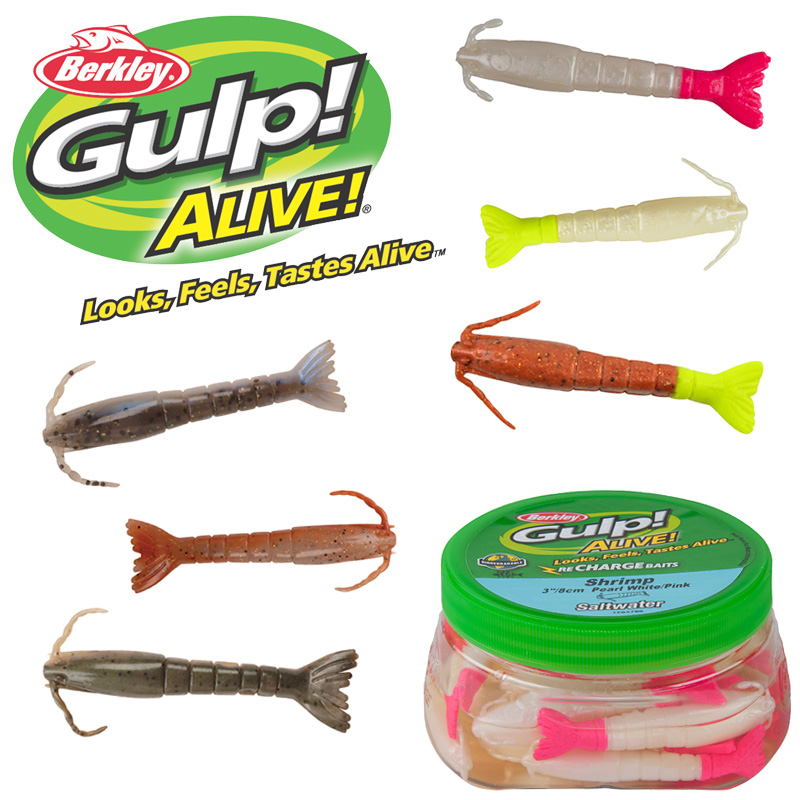
- Shrimp Imitations and Live Shrimp: If I see shrimp runs or the fish are picky, I switch to shrimp-style lures or even live shrimp under a popping cork. Shrimp is something almost every inshore species eats, making this an easy confidence bait for tough days.
- Cut Bait and Live Mullet: For bigger fish such as bull reds or snook, cut mullet or a live mullet freelined near a current break can be very productive. It helps me target trophy fish during the fall run. Large baits also discourage smaller fish, keeping presentations focused on heavy hitters.

Best Places and Approaches for Fall Inshore Fishing
I find that location makes a real difference during fall. Fish don’t just wander; they follow specific routes, especially as bait moves deeper into rivers and creeks. A little scouting ahead of your trip, like checking for recent rains or low tides that concentrate bait, really adds up. Don’t hesitate to move around if a spot seems dead—fall movement is regular and active, so a short trip to a neighboring creek or point can pay off big.
- Creek and River Mouths: My best fall days happen when I fish near creek inlets and river mouths. Trout and flounder move into these areas behind bait. I’ve caught limits by drifting baits along channel edges where the depth changes suddenly. Sometimes short drifts are all you need to find the sweet spot.
- Active Passes and Inlets: Redfish and migrating species often hold around bridges or inlet jetties. I fish the outgoing tide for flounder and the incoming for snook or reds. These bottlenecks are like highways for fish on the move.
- Grass Flats and Oyster Bars: I like to work popping corks or paddle tails over grass flats, especially when the tide rises. Oyster bars give ambush points for snook and reds, making precision casting important.
- Stealthy Approach: The water often becomes clearer as temperatures drop. I usually switch to a trolling motor or even a push pole when moving through skinny water. I avoid making noise, which spooks fish easily.
Often, learning where bait collects and how predators push them around can take some trial and error. Time on the water, paired with notes and observations each trip, helps even more as the weeks progress deeper into fall and early winter. The more you fish, the more you’ll spot trends that bring steady catches over random luck.
Adapting to Changing Conditions and Weather
Fall fishing always keeps me on my toes. Weather changes can dramatically impact fish’s mood and location. Adjusting my methods with changes in wind, barometric pressure, or temperature helps keep my catch rate high.
Even a few degrees up or down can make you rework your strategy, so always pack a few backup plans for sudden shifts. If you find the bite turns off suddenly, it’s smart to give a once-over to your surroundings and rethink tide or bait position.
- Windy Days: I use wind to my advantage, working windblown points and shorelines where bait is pushed up. Sometimes fishing with the wind makes long casts easier and more natural. Adjusting position and boat angle can help keep lines straight and eliminate drag.
- Retrieve Speed: During warm spells, I use a faster retrieve with my lures. When a cold front moves in, I slow down, letting jigs rest on the bottom before twitching. This matches the slower movement of cold-blooded fish in chilly water.
- Gear Adjustments: I bring several rods with different setups; light spinning for trout and flounder, heavier baitcasters for snook and bull reds. That way, I’m always prepared no matter what the day brings. Packing a rod with a heavier leader can be a saver when running into toothier critters, too.
Staying flexible with your tackle and approach lets you keep catching fish even when the weather throws in surprises. Check gear before each trip and be sure to bring extras for last-minute changes or emergencies.
What I Keep in My Fall Inshore Fishing Tackle Box
Having the right gear on hand helps me stay flexible. Besides my favorite lures, I pack a selection of hooks, jigheads in various weights, popping corks, fluorocarbon leader, and a few live bait rigs. I also bring pliers for hook removal and a good landing net for big fish. For fall, I add extra leaders and test knots more often, since changing water temperatures and stronger fish can expose weak links you might not notice in summer.
- Versatility in Lures: Carrying several sizes and colors lets me adjust on the fly, especially when water clarity changes from clear to murky after a rain. Soft baits, hard plastics, and live bait all earn a spot in my box each fall.
- Weather Protection: Even on mild days, I bring rain gear and a hat. Sudden showers or wind mixups can make things uncomfortable fast. Lightweight, quick-dry clothing and a backup shirt keep me ready for anything.
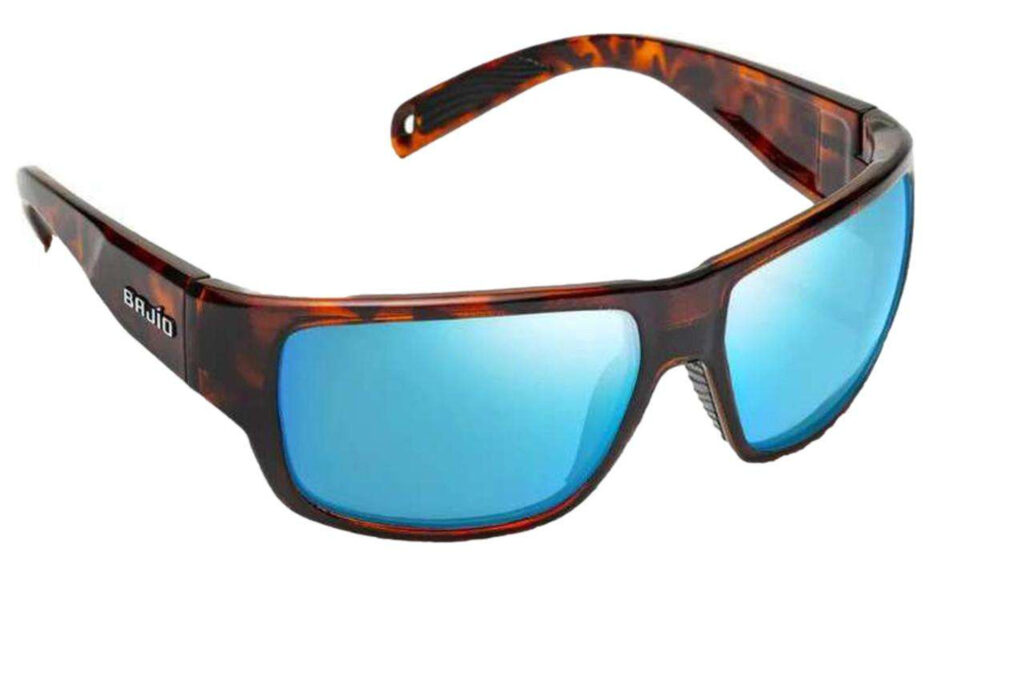
- Polarized Sunglasses: Spotting bait or fish in shallow water is much easier with polarized lenses, making them a really important part of my kit. A lens cloth and backup pair aren’t a bad idea, either.

Don’t forget snacks and water; long fall days can sneak up on you. Having organizational boxes and labeled trays makes swaps and changes much faster, so you spend more time casting than digging through a pile of gear.
Advanced Tips for More Consistent Results
Once I got comfortable with the basics, I started picking up a few extra techniques that made a difference. For example, I use my fishfinder (if I’m fishing from a boat) to scan for schools or structure when visibility is low. I also take notes about conditions on days I catch a lot of fish.
Over time, patterns become clear, making it easier to predict where and when to fish. Comparing your catches with historical weather can help map out future success, and a small journal becomes a major tool if you fish the same waters each year.
Mix Up Your Presentation: If a spot looks promising but I’m not getting bites, I’ll change lure colors or slow down my retrieve even more. Sometimes, just adding a scent to a soft plastic can turn on the bite. Varying casting angles or switching to a lighter leader when water is crystal clear gives shy fish fewer reasons to turn away.
Read the Tides: The biggest thing that improved my fall fishing was learning to time the tides. Moving water almost always means fish are active, especially right as a new tide starts to push in or out. I try to plan my trips to hit these windows, maximizing my chances. Checking wind direction and moon phase can further fine-tune trip timing, and local tackle shops are full of up-to-date tips on recent movements.
Little details, like sharpening hooks or rinsing gear each trip, add up over the season. By keeping organized logs and learning from each outing, you’ll see your skills grow while enjoying more of what fall inshore fishing has to offer.
Frequently Asked Questions
What are the best fish to target during fall inshore saltwater fishing?
Speckled trout, redfish, flounder, and snook are all very active in fall. These species respond well to many of the tactics I’ve covered here. Fall action often brings opportunities for trophy catches along with steady numbers.
How do I find the best tidal patterns for a new area?
I check local tide charts online or use apps to pick fishable windows. I pay attention to areas where the tide moves baitfish into creeks, marshes, or along edges. Fishing around moving water gives you the highest odds anywhere you try during autumn.
What should I do if a cold front just passed?
After a cold front, I slow my presentations and focus on deeper holes or channels, since fish often get sluggish and move off shallow flats. Patience, lighter tackle, and smaller baits often work best in the hours and days right after colder air pushes through.
What safety tips do you have for fall fishing?
I always check the weather before heading out, let someone know my location if I’m fishing alone, and wear a life jacket when boating. Shorter days mean I try to finish up earlier to avoid low-light navigation risks. It’s also smart to keep a charged phone and LED headlamp on hand just in case the trip runs late or fog rolls in.
Get Ready for Some Fast & Furious Fall Inshore Saltwater Action
With some preparation, a flexible approach, and careful attention to changing weather and tides, fall inshore fishing can be the highlight of your year. Happy fishing!
As always, stay safe, enjoy the journey, and please try to leave it cleaner than you found it. If you have any comments, questions, ideas, or suggestions, please leave them in the comment section below, and I’ll get back to you ASAP. You can follow us on Facebook: Rex The Beach Angler, Instagram: thebeachangler7, Twitter: @AnglerBeach, and YouTube: Man Art Creations.
Check Out Our Most Recent Tips and Tactics Articles:
- Daiwa SOL MQ Spinning Reels
- Spinning Reels Vs Baitcasting Reels For Inshore Fishing
- Packing And Storing Your Fish For Freezing
- Make Your Own Surf Weights And Sinkers
- Upriver For Cold Weather Trout And Redfish
- Tips And Tactics For Winter Steelhead Fishing
P.S. Thanks so much for checking out our blog; we really appreciate it. Just so you know, we may receive a commission if you click on some of the links that appear on our site. This helps us keep our content free and up-to-date for everyone. We appreciate your support!





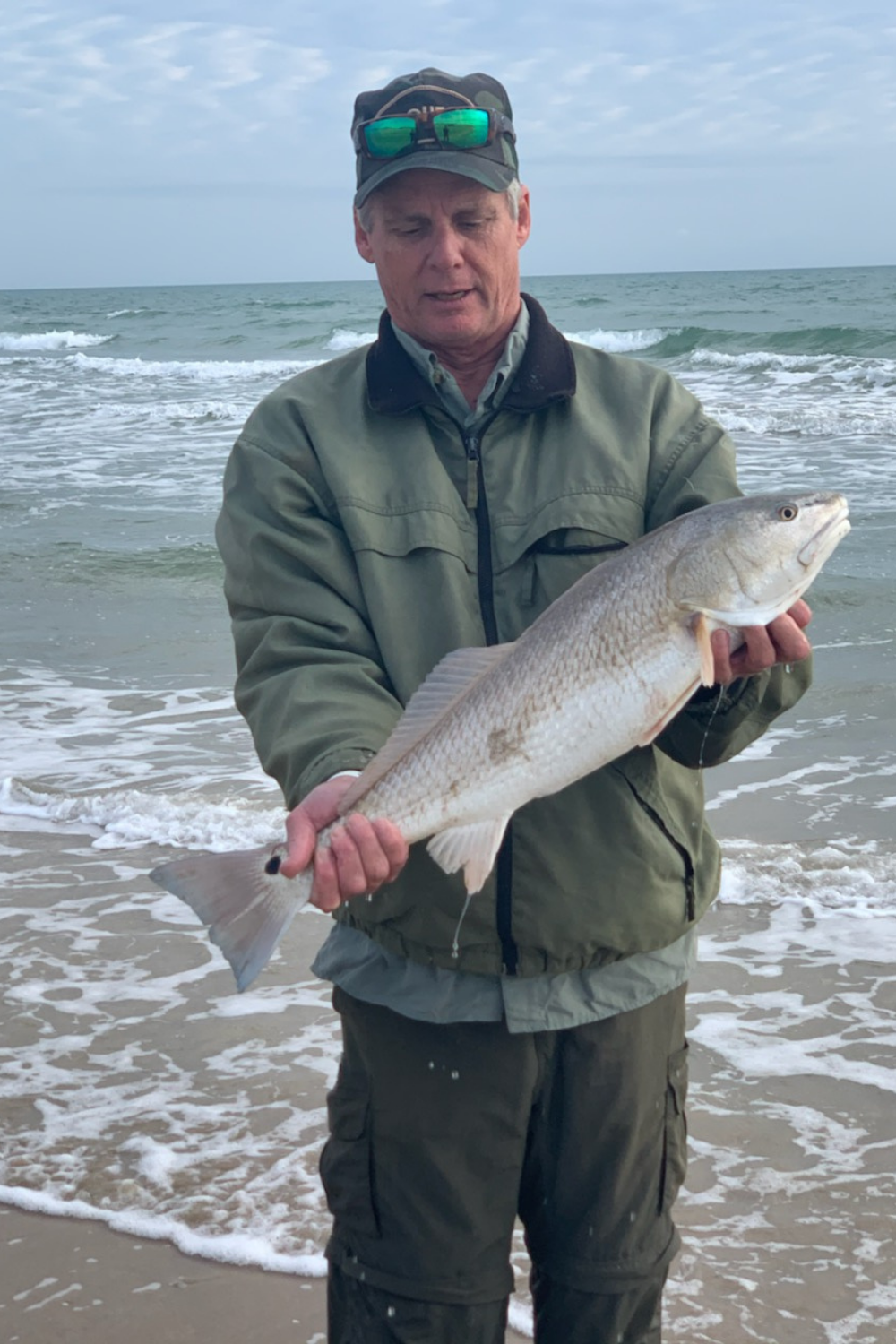
A life long surf fisherman with 50+ years of experience, I am also an avid hunter and outdoorsman. I will be sharing my passion for the outdoors with you so be prepared for hunting, fishing, camping, hiking and more. Along with gear reviews and the latest trends and innovations in the outdoor industry.