
The lionfish (mainly Pterois volitans and Pterois miles) is an invasive, venomous fish now common in the Atlantic Ocean, Gulf of Mexico, and Caribbean Sea. Originally from the Indo-Pacific, lionfish have spread throughout these waters after being released, often by aquarium hobbyists.
QUICK LOOK: Action Steps to Help with Lionfish Control
- Learn to Safely Remove Lionfish: Safety is key. Always use gloves, proper equipment, and follow guidance from professionals before handling lionfish.
- Try Eating Lionfish: If you have access to restaurants or seafood markets offering lionfish, trying it supports removal efforts. Just make sure it’s sourced from reliable operations that follow safety measures for cleaning.
- Get Involved Locally: Volunteer with local removal programs, join educational events, or spread awareness. Grassroots action makes a big difference across affected coastlines.
- Support Research and Conservation: Staying informed and supporting projects focused on lionfish control and reef health helps drive innovation on a larger scale. This long-term commitment by coastal residents, tourists, and policymakers can blend together community power with scientific research for the best results.
Their rapid spread has impacted both native marine life and local economies. In this article, I check out how invasive lionfish affect their new environments and describe the efforts to control their growing populations.
How Invasive Lionfish Impact Marine Ecosystems
Lionfish quickly became known as a big threat to Atlantic and Caribbean marine biodiversity. Because they have no natural predators in these invaded habitats, their populations have exploded. This has brought some real challenges for local fish and habitats that are not adapted to their presence.
Impact on Native Fish Populations
From my research, I found that lionfish are incredibly effective hunters. They eat a large variety of small fish and invertebrates, with over 70 different species by some counts. This includes important commercial and recreational fish like snapper, grouper, and even the herbivores that help keep reefs healthy.
A single lionfish living on a reef can reduce the numbers of native reef fish by as much as 80 percent in just a few weeks. When lionfish eat juvenile fish, they lower the chances that these species will reach adulthood and reproduce. This disrupts the balance of the ecosystem and makes it tougher for native species to recover.
Disruption of the Marine Food Web
A unique problem with lionfish in the Atlantic and Caribbean is that local predators are not adapted to hunt or eat them because of their venomous spines. Without natural enemies, lionfish rise to the top of the food chain. Predatory fish like groupers and snappers lose prey and struggle to compete for food, putting even more strain on their populations.
Consequences for Coral Reefs
The presence of lionfish on coral reefs can cause a chain reaction with long-lasting results. I have seen in various studies that lionfish threaten the very species that keep coral reefs resilient and clean.
Reduction in Herbivorous Fish
Lionfish often target small herbivorous fish, such as parrotfish and surgeonfish. These herbivores play a vital role by eating algae that grow on corals. When their numbers drop, algae can overgrow and smother coral reefs. More algae means less room and light for corals to thrive, which weakens the whole ecosystem.
Increasing Stress on Coral Habitats
Lionfish invasion adds another problem for coral reefs that already face climate change, storm damage, disease, and pollution. Losing fish that help corals grow healthy can lead to reefs becoming less resilient to future stress. Healthy reefs provide shelter for hundreds of species, so this loss extends beyond just fish populations.
Expansion into New Habitats
One thing that surprised me is how well lionfish adapt to different environments. While they are most common on coral reefs, I have read reports of lionfish found in mangroves, seagrass beds, estuaries, and at depths greater than 300 meters (about 1,000 feet). They seem to thrive around artificial structures like shipwrecks and oil rigs, making it even harder to manage their expansion.
Economic and Human Impacts
In addition to harming marine life, the lionfish invasion presents serious economic and health concerns for people who rely on healthy oceans and reefs.
Effects on Fisheries
Lionfish hunt many juveniles of commercially important fish. This lowers populations of species that fishermen and local businesses depend on. Fewer fish make it harder to sustain local fisheries, which can mean lower catches, less income, and job losses. Even recreational fishing is hurt when key species become less common.
Tourism and Reef-Based Activities
Popular dive and snorkel spots in the Caribbean and parts of Florida depend heavily on healthy and biodiverse coral reefs. When lionfish decrease native fish populations and reefs degrade, these destinations become less attractive, leading to lower tourism revenue. People are less likely to visit damaged reefs or areas with fewer fish species to observe.
Risks to Human Health
Lionfish have venomous spines that can cause painful stings if touched or handled. While a sting rarely leads to a life-threatening event, it can cause severe pain, swelling, vomiting, and even temporary paralysis. This is a concern for divers, fishermen, and tourists in areas with high lionfish populations. Learning safe handling techniques has become really important for those who work in affected regions.
The Challenge of Controlling Lionfish
Tackling the lionfish problem takes creative solutions and cooperation among governments, scientists, divers, and local communities. Complete eradication is unlikely, but various efforts help control their numbers and reduce their impact where possible.
Active Removal Efforts
- Spearfishing: Divers with special training use spears or nets to remove lionfish directly from reefs. Many organizations host ongoing removal programs to keep lionfish numbers in check, especially in high-traffic or protected areas.
- Community Lionfish Derbies: I have seen how ‘derby’ events motivate dive communities to remove as many lionfish as possible in a set amount of time. Prizes and recognition encourage more divers to take part, and these events often include education about lionfish risks and safe handling.
- Traps and Robotics: New lionfish-specific traps are under development to catch lionfish at greater depths, outside the range of human divers. Some underwater robots are being tested to identify and capture lionfish in deeper waters. These methods are still improving but show promise for the future.
MarketDriven Solutions
- Promoting Lionfish as Food: Turning lionfish into a sought-after seafood option helps create a reason for fishermen and restaurants to target them. Lionfish is a tasty, white meat fish, and selling it in restaurants provides both a control tool and an economic boost to coastal communities. Many regions have adopted slogans such as “Eat Lionfish, Save the Reef.”
- Developing Lionfish Fisheries: Some areas are looking at commercial lionfish fisheries. This approach requires careful management to ensure safety and prevent bycatch. It takes work to build demand and ensure a consistent supply, but it offers one of the few economic uses for this invader.
Policy and Education
- Reporting and Monitoring: Citizen science reporting apps now help track lionfish sightings and removals. Data from the Florida Fish and Wildlife Conservation Commission app and similar tools offer valuable insight for managers and researchers.
- Regulation of Aquarium Trade: Restricting imports and improving regulations in the aquarium trade are important preventative steps. Making sure no future lionfish are released unexpectedly protects other regions from similar invasions.
- Public Awareness Campaigns: Community outreach programs teach people how to recognize lionfish, report them, and remove them safely. Demonstrations, school programs, and tourist interactions all build local knowledge and support for long-term solutions.
Extra Insights and Practical Steps
During my own efforts to learn about lionfish invasions, I picked up several lessons and practical tips for anyone looking to help:
- Learn to Safely Remove Lionfish: Safety is key. Always use gloves, proper equipment, and follow guidance from professionals before handling lionfish.
- Try Eating Lionfish: If you have access to restaurants or seafood markets offering lionfish, trying it supports removal efforts. Just make sure it’s sourced from reliable operations that follow safety measures for cleaning.
- Get Involved Locally: Volunteer with local removal programs, join educational events, or spread awareness. Grassroots action makes a big difference across affected coastlines.
- Support Research and Conservation: Staying informed and supporting projects focused on lionfish control and reef health helps drive innovation on a larger scale. This long-term commitment by coastal residents, tourists, and policymakers can blend together community power with scientific research for the best results.
Frequently Asked Questions
I gathered some of the common questions people have about the lionfish problem and management strategies.
Can lionfish venom be deadly to humans?
Most lionfish stings are not fatal but cause intense pain and swelling. Immediate first aid includes soaking the wound in hot (not scalding) water and seeking medical help if symptoms are severe.
Why did lionfish spread so quickly in the Atlantic?
The biggest reasons include the lack of natural predators and fast reproductive rates. Lionfish can spawn year-round and produce thousands of eggs per batch, making population growth hard to control once established.
How can I tell if a fish is a lionfish?
Lionfish have long, fanlike pectoral fins, vertical red, white, and brown stripes, and venomous dorsal spines. It’s best to look, not touch, and report a sighting to local conservation agencies if you spot one.
Actively Supporting Lionfish Control Makes a Difference
Invasive lionfish highlight the real risks that come with moving species outside their natural range. By understanding how lionfish impact our oceans and supporting control efforts, whether through responsible consumption, community activism, or standing behind better policies, I believe everyone can play a role in restoring and protecting marine life for the future.
Keeping informed and involved really makes a positive impact in the long run. If we all chip in, even simple actions can help set free our reefs and local economies from this invasive species and help native ecosystems bounce back.
Check Out Our Most Recent Articles:
- Packing And Storing Your Fish For Freezing

- How To Fish The Mirrolure Mirrodine Suspending Twitchbaits
- Make Your Own Surf Weights And Sinkers

- Penn Spinfisher VII Live Liner Spinning Reel

- Upriver For Cold Weather Trout And Redfish
- 5 of the Best Fishing Jackets For Cold Weather
As always, stay safe, enjoy the journey, and please try to leave it cleaner than you found it. If you have any comments, questions, ideas, or suggestions, please leave them in the comment section below, and I’ll get back to you ASAP. You can follow us on Facebook: Rex The Beach Angler, Instagram: thebeachangler7, Twitter: @AnglerBeach, and YouTube: Man Art Creations.
P.S. Thanks so much for checking out our blog; we really appreciate it. Just so you know, we may receive a commission if you click on some of the links that appear on our site. This helps us keep our content free and up-to-date for everyone. We appreciate your support!





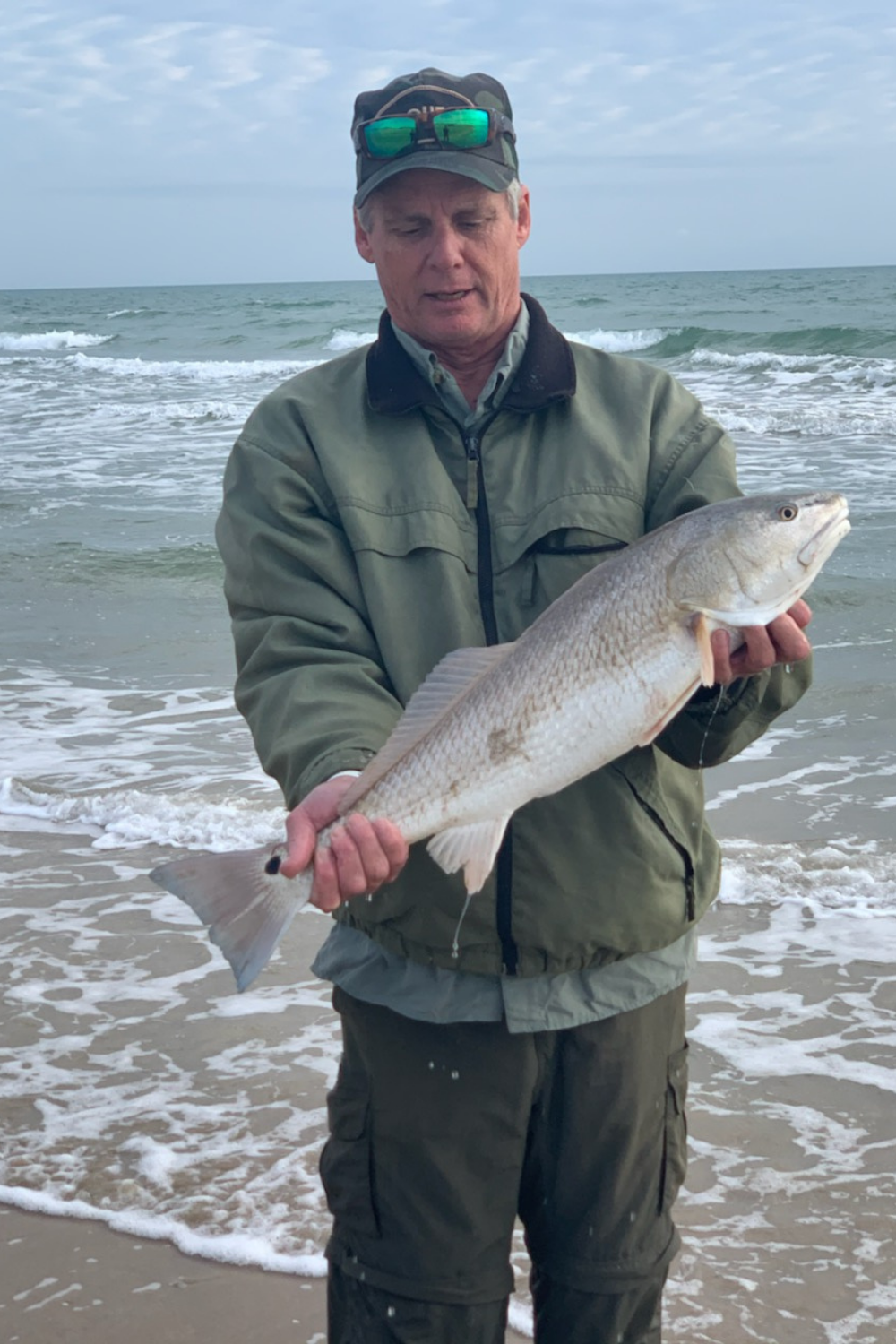
A life long surf fisherman with 50+ years of experience, I am also an avid hunter and outdoorsman. I will be sharing my passion for the outdoors with you so be prepared for hunting, fishing, camping, hiking and more. Along with gear reviews and the latest trends and innovations in the outdoor industry.