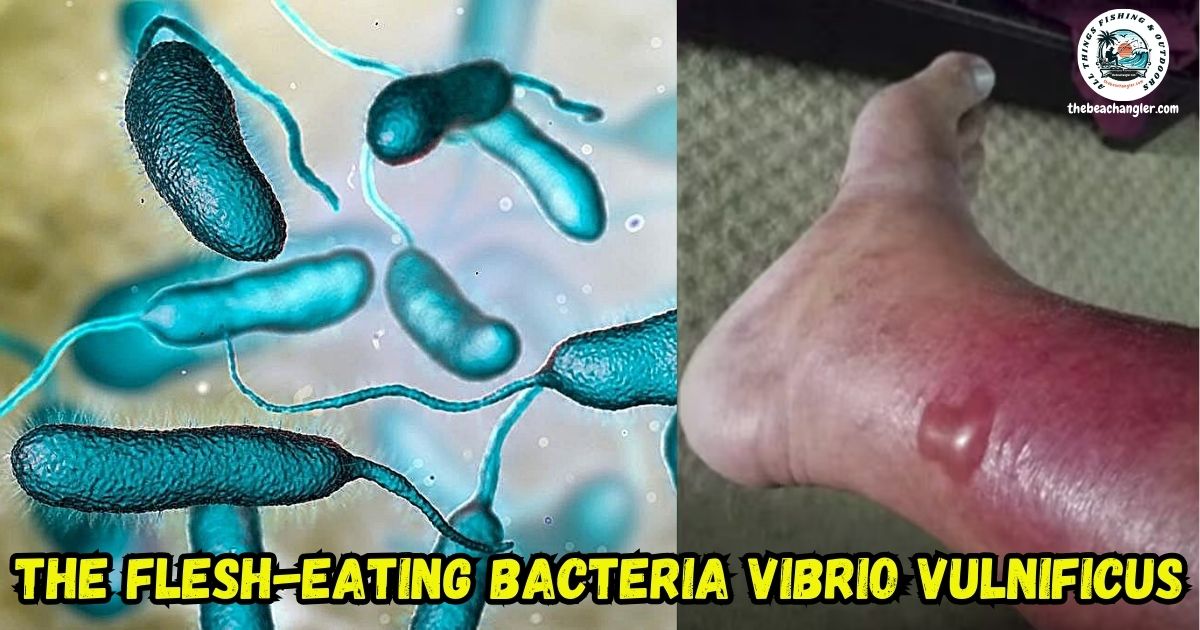
Vibrio vulnificus, the “Flesh-eating bacteria,” is a common term for a severe bacterial infection called necrotizing fasciitis, which rapidly destroys skin, fat, and muscle tissue. It’s not one specific bacterium but a term for several different types that can cause this condition.
QUICK LOOK: Vibrio – The Flesh-Eating Bacteria
While the term “Flesh-Eating Bacteria” is dramatic, the condition is rare, and prompt medical treatment is crucial for survival. Here’s a more detailed explanation:
- Necrotizing Fasciitis: The medical term for the condition refers to the destruction of the fascia (connective tissue) and surrounding tissues.
- Not one bacteria: While Group A Streptococcus is a common culprit, many different bacteria can cause necrotizing fasciitis, including some Vibrio species and other Staph and Strep bacteria.
- How it enters: The bacteria usually enter the body through a break in the skin, such as a cut, scrape, burn, or puncture wound.
- Rapid progression: The infection spreads quickly, as the bacteria release toxins that cut off blood supply to the tissue, causing it to die.
- Symptoms: Symptoms can include severe pain, swelling, redness, fever, and flu-like symptoms. Blisters and tissue death (necrosis) may also occur.
- Treatment: Treatment involves antibiotics, surgical removal of dead tissue, and supportive care, often in an intensive care unit.
- Importance of early treatment: Prompt diagnosis and treatment are crucial, as the infection can be life-threatening and lead to septic shock, organ failure, and limb amputation.
- Vibrio vulnificus: This specific type of Vibrio bacteria is often mentioned in the context of “flesh-eating bacteria” and is found in warm coastal waters and raw or undercooked seafood. While it can cause necrotizing fasciitis, it’s important to remember that other bacteria can also cause the condition.
Vibrio Vulnificus and Fishermen
For fishermen, the primary danger from Vibrio vulnificus is the risk of infection through open wounds exposed to seawater, which can lead to severe skin infections and, in some cases, bloodstream infections. Individuals with weakened immune systems, especially those with liver disease, are at higher risk for serious complications and even death. Here’s a more detailed breakdown:
- Skin Infections: Vibrio vulnificus bacteria can cause localized skin infections, characterized by redness, swelling, pain, and potentially blistering around the wound. In severe cases, these infections can progress to necrotizing fasciitis, also known as “flesh-eating disease,” which can be life-threatening.
- Septicemia: In some instances, the bacteria can enter the bloodstream, leading to septicemia (bloodstream infection). This can cause a rapid drop in blood pressure, organ failure, and even death.
- Vulnerability of Specific Groups: Individuals with pre-existing liver disease, weakened immune systems, diabetes, or other chronic illnesses are particularly vulnerable to severe Vibrio vulnificus infections.
- How Fishermen Get Infected: Fishermen can be exposed to Vibrio vulnificus through:
- Open Wounds: Wounds from fish spines, hooks, or other fishing gear coming into contact with contaminated seawater.
- Raw Shellfish: Eating raw or undercooked shellfish, which can harbor the bacteria.
- Prevention: Experts recommend the following preventative measures:
- Protect Wounds: Wear waterproof bandages on any open wounds when handling fish or working in saltwater.
- Clean Wounds: Thoroughly clean any wounds with soap and water as soon as possible after exposure.
- Handle with Care: Use gloves or a wet towel when handling fish and avoid touching your face or eyes.
- Avoid Raw Shellfish: Thoroughly cook shellfish before eating.
- Seek Medical Attention: If you develop signs of infection (redness, swelling, pain, fever), seek medical attention immediately.
FAQ on Vibrio vulnificus.
Here I answer common questions to help you understand how to reduce your risk and know what symptoms to watch for.
What is Vibrio vulnificus?
Vibrio vulnificus is a bacterium that lives in warm, coastal waters. It can cause severe health issues when people eat contaminated seafood or cover open wounds exposed to seawater.
How can I reduce my risk of exposure?
I advise avoiding raw or undercooked shellfish, especially oysters. If you handle seafood or visit coastal areas, make sure to cover any cuts and treat injuries quickly to reduce the chance of infection.
Who is more likely to get infected?
People with weakened immune systems or liver diseases are more at risk. Individuals with these conditions should exercise extra caution when around warm seawater or when consuming raw seafood.
What symptoms indicate infection?
Common signs include fever, chills, and skin lesions near the site of injury. In some cases, gastrointestinal symptoms may occur after consuming contaminated seafood. Recognizing these symptoms early helps in managing the infection properly.
What should I do if I suspect an infection?
If you suspect an infection, seek medical help right away. Early diagnosis and treatment with antibiotics are very important to control the infection effectively. This FAQ offers practical advice to help you manage and prevent issues related to Vibrio vulnificus.
Final Thoughts on Vibrio vulnificus
For additional information, always consult healthcare professionals when symptoms emerge. Keep in mind that proper wound care and safe seafood consumption practices are very important. Following these guidelines can help you avoid further complications. It is always a good idea to ask questions from trusted sources and stay informed about marine bacteria. Your alertness in these matters can save lives.
Check Out Our Most Recent Articles:
- Nomad Switcher Shrimp Lures
- Quantum Merit Spinning Reel
- Why Is Surf Fishing Popular?
- Why Do Anglers Use Different Types Of Fishing Lines For Saltwater Fishing?
- Why Are Tides Important In Surf Fishing?

- Understanding Fish Behavior To Improve Your Fishing
As always, stay safe, enjoy the journey, and please try to leave it cleaner than you found it. If you have any comments, questions, ideas, or suggestions, please leave them in the comment section below, and I’ll get back to you ASAP. You can follow us on Facebook: Rex The Beach Angler, Instagram: thebeachangler7, Twitter: @AnglerBeach, and YouTube: Man Art Creations.
P.S. Thanks so much for checking out our blog; we really appreciate it. Just so you know, we may receive a commission if you click on some of the links that appear on our site. This helps us keep our content free and up-to-date for everyone. We appreciate your support!





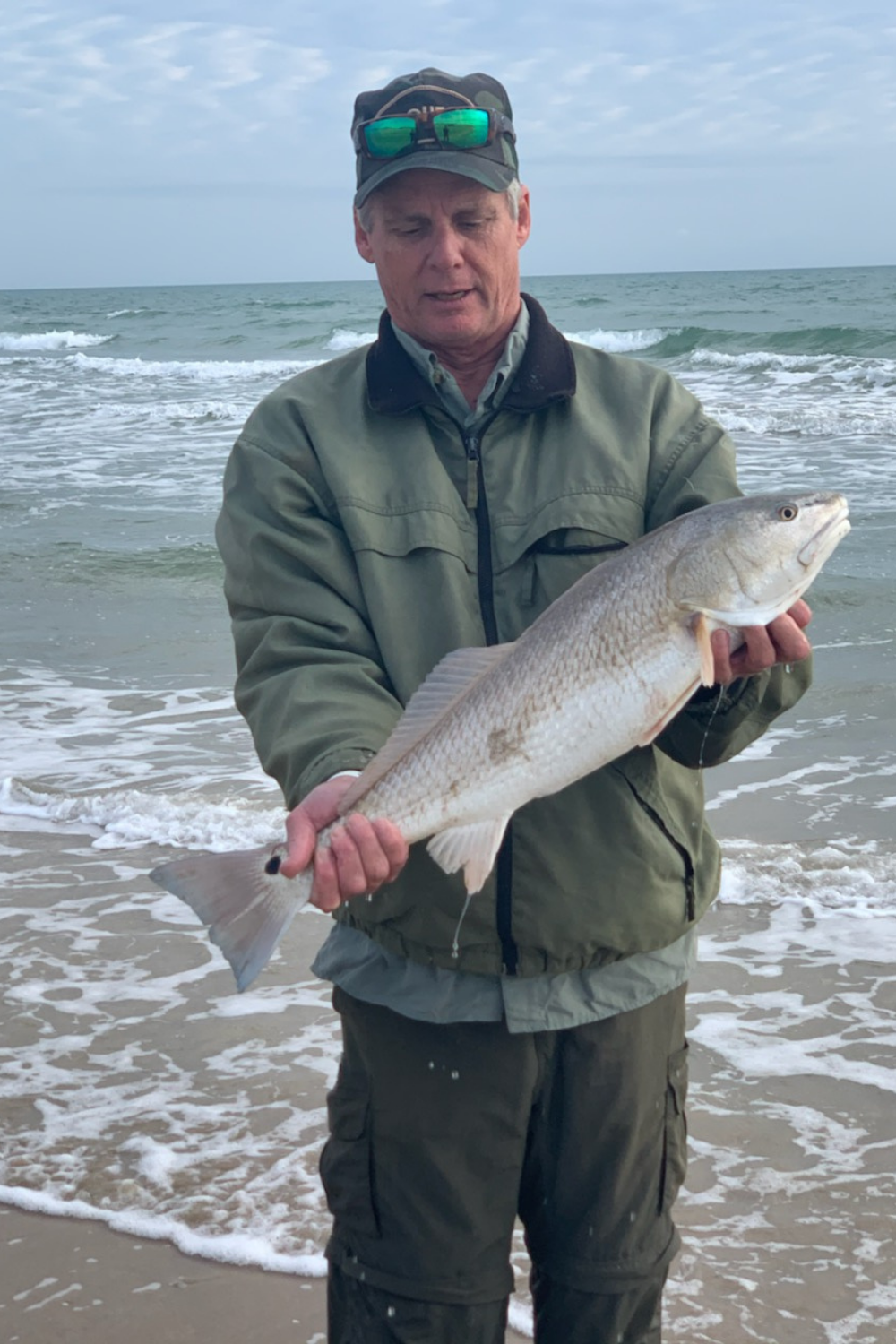
A life long surf fisherman with 50+ years of experience, I am also an avid hunter and outdoorsman. I will be sharing my passion for the outdoors with you so be prepared for hunting, fishing, camping, hiking and more. Along with gear reviews and the latest trends and innovations in the outdoor industry.