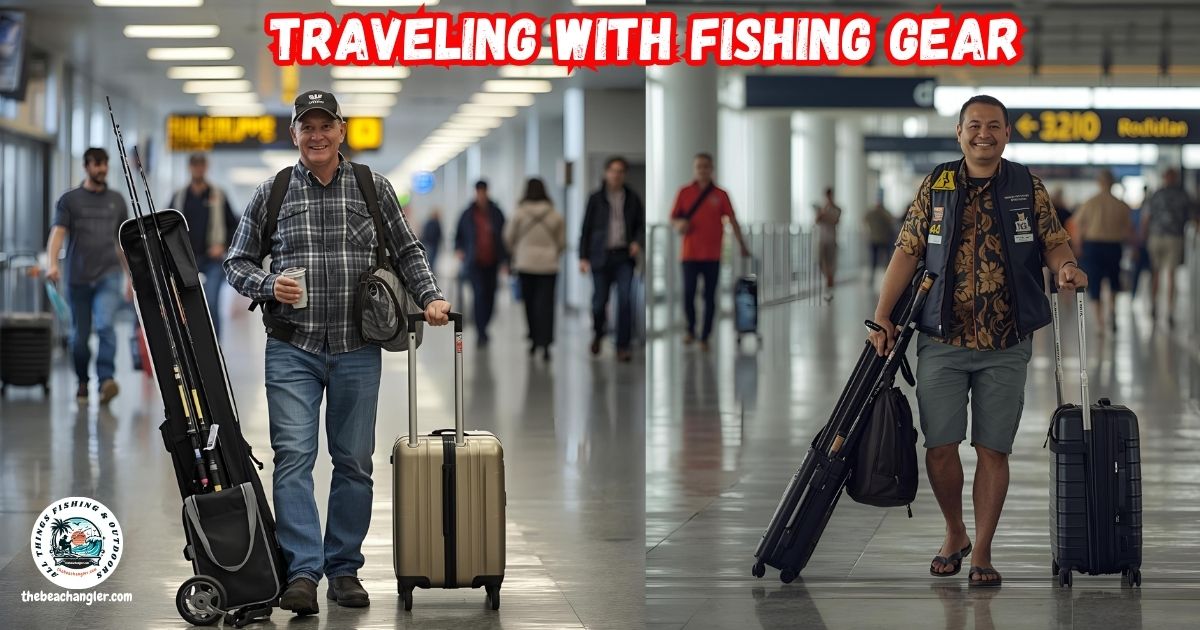
Traveling with fishing gear brings its own set of challenges and rewards. Preparation makes a big difference if you want your gear to arrive safely and your time at the water to go smoothly. Packing for a fishing trip can feel overwhelming, especially if you’re using air travel.
QUICK LOOK: Tips for Traveling by Air with Fishing Gear
- Rod Protection: Using a durable rod case, such as the Plano Airliner or a similar hard shell, brings peace of mind for high-end rods. Multipiece travel rods are a smart pick, since they break down and fit in smaller cases. When I use a two or three-piece rod, it often fits into the overhead compartment if it meets the airline’s length rules.
- Reel Safety: Expensive or fragile reels always travel with me as carry-on items, padded in soft clothing. I avoid checking them unless absolutely necessary.
- Hooks, Lures, and Knives: I pack all sharp tackle in checked baggage and wrap hooks and knives well to prevent injuries to airport staff. Most airport security officers won’t allow large hooks in carry-on bags, even if the official policy says otherwise.
- Flies and Small Tackle: Tiny fly boxes sometimes get through security, but I typically put these in checked bags so there’s no risk of confiscation, especially if I’ve tied some specialty flies for my trip.
- Fishing Tools: Items such as pliers and line cutters head straight into my checked bag. I keep them accessible in a tackle pouch or zippered compartment inside the suitcase in case I want to find them quickly at my destination.
After years of fishing trips, I’ve found some reliable ways to keep rods, reels, tackle, and bulky gear safe, organized, and ready to use when I arrive. With a few clever techniques and some practical tips, you’ll find that taking your fishing gear on any trip becomes a lot less stressful.
How to Pack Your Fishing Gear for Travel
Careful packing is really important for keeping your fishing gear in good shape. Many fishing rods and reels are delicate or costly, and a tackle box filled with hooks isn’t something the average baggage handler wants to discover the hard way. I always take time to organize my gear before making a travel checklist. This way, I know exactly where each item is and avoid rummaging around at the airport or on the water.
For rods, I use a hardsided rod case whenever possible. These cases are built for rough handling and keep rods from being bent or snapped. If you don’t have a dedicated rod tube, wrapping rods tightly with bubble wrap or even your clothing adds a layer of protection.
Reels should go into a padded case or be wrapped in a soft T-shirt or socks. Expensive reels often travel in my carry-on, even though some smaller models fit well in my personal bag. It’s all about keeping valued equipment safe and secure as you move from the garage to the water’s edge.
- Hooks and Lures: Sharp items should be kept in checked bags, sheathed or securely wrapped. I prefer smaller tackle organizers for these and label everything clearly so there’s no confusion if a bag is opened for inspection.
- Terminal Tackle: To save space, I consolidate leaders, swivels, and sinkers into small plastic bags or compact boxes. Compact storage solutions also help keep you organized during the trip.
- Soft Plastics: These baits stay in their original packaging to keep them from drying out or sticking together. Transferring to small, sealable pouches can also help save space.
- Bulky Gear: Items like waders and boots always go in checked luggage. If they’re damp on departure day, I use a heavy-duty plastic bag to protect my clothes and other gear. Having a separate compartment for wet gear makes unpacking easier.
- Electronics: I keep electronics, such as portable fish finders and GPS units, in my carry-on. If any have removable batteries, I take them out before my flight; some airlines require this for safety. A padded laptop sleeve works well for delicate gadgets.
- Tools: Knives, pliers, and braid scissors must be packed in checked bags every time. Double-checking for forgotten tools in an outer bag pocket can spare you headaches at the security line. It’s easy to overlook a small tool, so give your bags a quick once-over before you leave home.
What to Know About Carry-On vs. Checked Luggage
Deciding which gear to pack in your carry-on or checked luggage affects your entire trip. Airline security rules vary, but sharp items are almost always restricted to checked baggage. I’ll put small, non-sharp fishing flies in my carry-on sometimes, but I’m ready for the agent to ask about them or pull my bag for another look.
I try to keep important documents, such as fishing licenses and travel confirmations, within easy reach. If your checked bag gets separated from you, you still have everything you need to rent gear locally or prove your trip is legitimate. Keeping backup digital copies on your phone also offers peace of mind if papers go missing.
Another tip: Use brightly colored tags or straps on your gear cases to make spotting them at baggage claim easier and to help separate your luggage from others’ bags on the carousel. Every little step can make travel smoother.
Air Travel With Fishing Gear
Flying with fishing gear adds more steps to packing and planning. Airlines each have their own approach to sporting gear. I always read up on my airline’s fishing equipment policy a week before departure and measure my rod cases carefully. Some airlines count your rod tube as part of your standard baggage allowance, while others treat it as oversized or special cargo and charge extra.
- Rod Protection: Using a durable rod case, such as the Plano Airliner or a similar hard shell, brings peace of mind for high-end rods. Multipiece travel rods are a smart pick, since they break down and fit in smaller cases. When I use a two or three-piece rod, it often fits into the overhead compartment if it meets the airline’s length rules.
- Reel Safety: Expensive or fragile reels always travel with me as carry-on items, padded in soft clothing. I avoid checking them unless absolutely necessary.
- Hooks, Lures, and Knives: I pack all sharp tackle in checked baggage and wrap hooks and knives well to prevent injuries to airport staff. Most airport security officers won’t allow large hooks in carry-on bags, even if the official policy says otherwise.
- Flies and Small Tackle: Tiny fly boxes sometimes get through security, but I typically put these in checked bags so there’s no risk of confiscation, especially if I’ve tied some specialty flies for my trip.
- Fishing Tools: Items such as pliers and line cutters head straight into my checked bag. I keep them accessible in a tackle pouch or zippered compartment inside the suitcase in case I want to find them quickly at my destination.
If I really need my rods shipped separately, I send them to my hotel or the place I’m staying ahead of my arrival. Tracking the package and insuring it for the replacement value makes the extra work worth it for prized gear. I also contact hotel staff to give them a heads-up that a special delivery is coming, so nothing gets lost.
General Packing Strategies for Flights
Double-checking airline policies ahead of time has saved me more than once. Some airlines are friendlier towards fishing gear than others, and even spell out sporting equipment fees and box requirements on their websites. Major American carriers like United and Delta each have different rules for length and weight; confirming these details avoids surprise costs and delays.
I pack light by being honest with myself about what I’ll use. It’s tempting to fill a bag with backup gear, but extra weight quickly drives up airline costs. I label every case and bag with my full contact details. In case anything goes missing in transit, it increases the chance that the gear is returned to me. If you’re traveling with a buddy, sharing space in a rod case or tackle bin can save both of you money and keep extra gear together. Teaming up with someone on luggage cuts costs and keeps things more organized.
Another packing hack: Roll your clothing and use it to pad rods, reels, and delicate electronics. Clothes double as shock absorbers and save you from carrying extra bubble wrap or foam. Plus, it’s easier to fit rolled clothing into tight spaces in your suitcase.
Tips for Car Travel With Fishing Gear
Driving to your fishing destination allows more freedom with gear. I’ve used several methods for protecting rods and keeping my car organized. A rooftop rod rack works well for long road trips or when I want to have my rods ready to fish as soon as I arrive.
Inside the car, I install homemade PVC rod holders or use a soft organizer bag that hangs from the ceiling, keeping rods safe and out of the way. Car trips let you get creative with storage. I sometimes use old yoga mats to add extra cushion for rods or reels stowed in the trunk.
- Truck Beds: In the back of a pickup, rods still need protection. I put them in a tube to guard against bumps and weather, or line them up in a padded organizer designed to fit a truck bed. Adding a lock to valuable gear keeps it secure if you leave the vehicle unattended.
- Wet and Dirty Gear: Waders, boots, and rain jackets go into a rubberlined bin or a duffel bag with vents. This keeps mud and water from spreading to my other luggage. Quick-dry towels or absorbent mats at the bottom of the bag catch extra water.
- Organization: Small, clear boxes help sort spare parts, extra lures, or prerigged leaders. Knowing exactly where everything is saves me time at the water and cuts down on lost items rolling around the car.
Check storage areas for forgotten hooks so you don’t accidentally grab something sharp when you reach your destination. Little details like these make car travel with fishing gear safer and less stressful. A simple checklist for your car can save you from leaving behind vital gear or having to stop for replacements on the road.
Challenges and Smart Solutions on the Road
Traveling with fishing gear isn’t always smooth sailing. Airlines sometimes lose luggage, extreme weather can ruin soft goods, and gear gets broken if it moves around or isn’t padded. I keep a roll of tape, a few zip ties, and a small patch kit for quick fixes.
Having extras for key items, such as rod tips or line guides, can save a trip if something gets damaged in transit. Portable repair kits are a key part of my fishing travel bag—if you don’t already have one, consider putting one together with spare parts specific to your favorite rods and reels.
- Weight and Size Limits: Airlines limit baggage size and weight. I weigh my gear at home to avoid surprises at check-in and invest in a small digital scale that travels with me.
- Local Rules: Some places have special rules about bringing fishing tackle or live bait. Checking ahead prevents hassle at customs or checkpoints. Sometimes, certain lures or baits are restricted for conservation reasons, so always read up before packing.
- Weather: Rain or snow can damage unprotected gear if your luggage sits outside. I use water-resistant bags for added safety on wet days. Packing a lightweight rain cover takes up almost no space and protects both you and your gear when the weather turns bad.
For long trips, making a habit of inspecting your equipment between locations helps you spot damage quickly. A broken eyelet or guide is much easier to fix early than after you’ve arrived at that remote water.
Quick Answers to Common Questions About Traveling With Fishing Gear
Traveling anglers often have similar questions about keeping gear safe and following the rules. Based on my experience, here are some answers to common problems:
Can I carry fishing rods on a plane as hand luggage?
Many airlines allow multipiece rod tubes as carry-ons if they fit in the overhead bin, but it depends on the airline and the size of your tube. Always measure in advance and check your airline’s baggage policies.
Should I pack reels in carry-on or checked bags?
Expensive or delicate reels are safest in your carry-on. I wrap mine in clothing or padded cases to avoid bumps. For larger or less valuable reels, checked luggage is fine if they’re well protected. Always remove any loose parts.
What about fishing knives and tools?
Any sharp instrument belongs in checked luggage. I double-check side pockets and compartments before heading to the airport. Forgetting a knife in a carry-on can delay your trip at security, so do a final pocket sweep as a parting routine.
How do I travel with wet or muddy gear?
After fishing, I put wet boots or waders in a sealed plastic or waterproof bag. This protects my clothes and keeps the car or suitcase from smelling like a bait shop. If time allows, drying out boots with newspaper or a small towel before packing helps even more.
Wrapping Up: Travel Confidently With Fishing Gear
A little planning goes a long way when preparing for travel with fishing gear. Careful packing and checking airline and local rules saves time and helps avoid frustration. Look after your gear, and it’ll be ready whenever you need it, whether you’re headed to a local lake or an adventure on the other side of the world. Travel safely, and enjoy bringing your favorite hobby wherever your adventure leads.
Check Out Our Most Recent Articles:
- Nomad Switcher Shrimp Lures
- Quantum Merit Spinning Reel
- Why Is Surf Fishing Popular?
- Why Do Anglers Use Different Types Of Fishing Lines For Saltwater Fishing?
- Why Are Tides Important In Surf Fishing?

- Understanding Fish Behavior To Improve Your Fishing
As always, stay safe, enjoy the journey, and please try to leave it cleaner than you found it. If you have any comments, questions, ideas, or suggestions, please leave them in the comment section below, and I’ll get back to you ASAP. You can follow us on Facebook: Rex The Beach Angler, Instagram: thebeachangler7, Twitter: @AnglerBeach, and YouTube: Man Art Creations.
P.S. Thanks so much for checking out our blog; we really appreciate it. Just so you know, we may receive a commission if you click on some of the links that appear on our site. This helps us keep our content free and up-to-date for everyone. We appreciate your support!





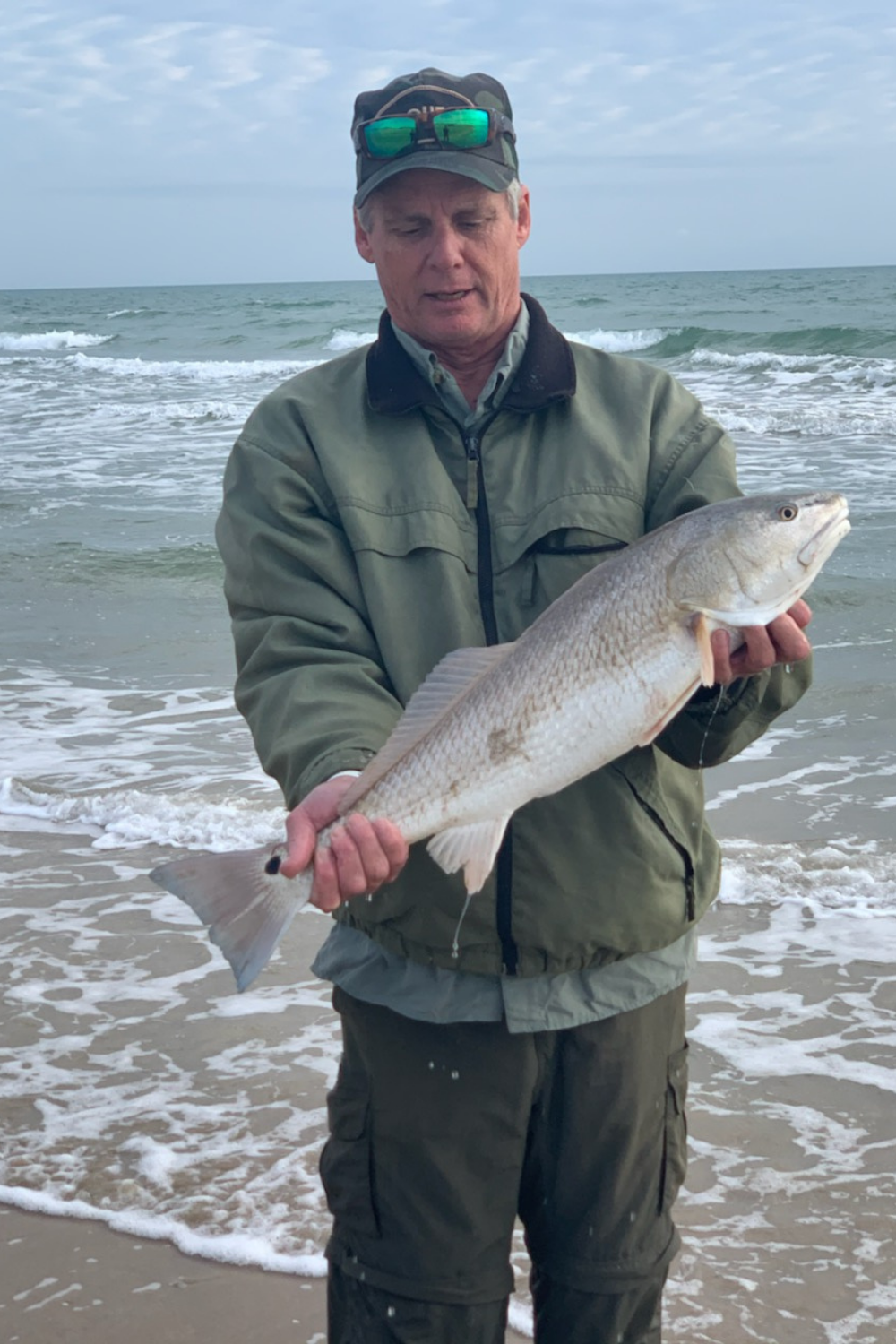
A life long surf fisherman with 50+ years of experience, I am also an avid hunter and outdoorsman. I will be sharing my passion for the outdoors with you so be prepared for hunting, fishing, camping, hiking and more. Along with gear reviews and the latest trends and innovations in the outdoor industry.