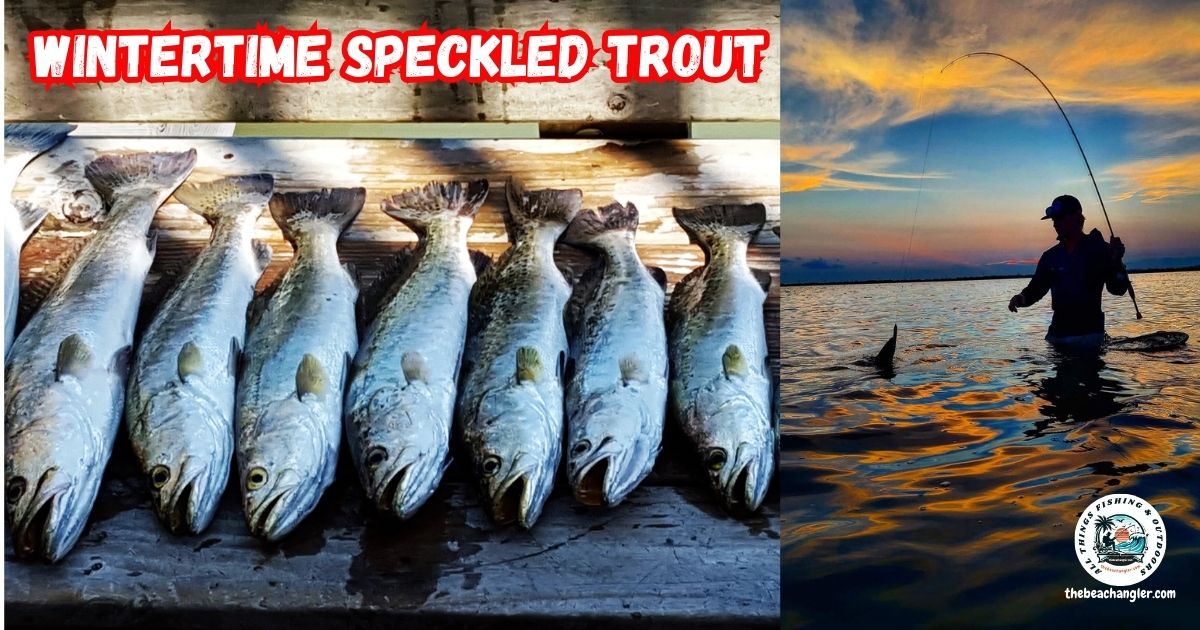
Wintertime speckled trout fishing offers a different challenge compared to the warmer months, but it can also lead to some of the most rewarding days on the water. The colder days push trout into different parts of the bays, rivers, and estuaries.
Tweaking your tactics can make all the difference. In this article, I’ll share exactly how I switch up my approach for winter trout, from reading the water to picking the right lures and working them effectively, so you can boost your catch during the cold months.
Where To Find Speckled Trout In Winter
When cold weather hits, my first move is to focus on areas where water temperatures stick to a more even keel. Fish leave extremely shallow water as chilly weather sets in, and they pile up in spots that offer both protection and a steady food supply.
Deep water, like rivers, creeks, and channels, is a go-to for winter trout because it holds onto stable temperatures that don’t fluctuate as wildly as shallow flats, which cool off quickly overnight. I usually search for deep bends, holes near the mouths of bayous, or canals that are close to flats or grassbeds.
These types of transition zones give trout a fast pass to feeding areas and a safe refuge when the temperature dives. Structure plays a major role. Submerged grassbeds, oyster bars, and places with a mix of mud and shell not only provide warmth but also pull in baitfish looking for cover.
If I spot nervous bait, see small mullet jumping, or catch birds working the surface, that’s a solid sign trout are in the area. Sometimes, docks or bridges with deep pilings can become wintertime hotspots, especially later in the day as the sun brightens up the water nearby.
Choosing Winter Lures And Baits
Colder water definitely changes how trout want to hunt. That’s why I start with a different game plan. Downsizing my lures is key for me; smaller soft plastics (about 3 inches) match up better with winter baitfish and work wonders when bigger lures get ignored.
Picking colors is another big part of getting bites. I go for darker base colors with a flash of something bright—think black or purple bodies with a chartreuse tail—which show up strongly in stained water during low-light conditions.
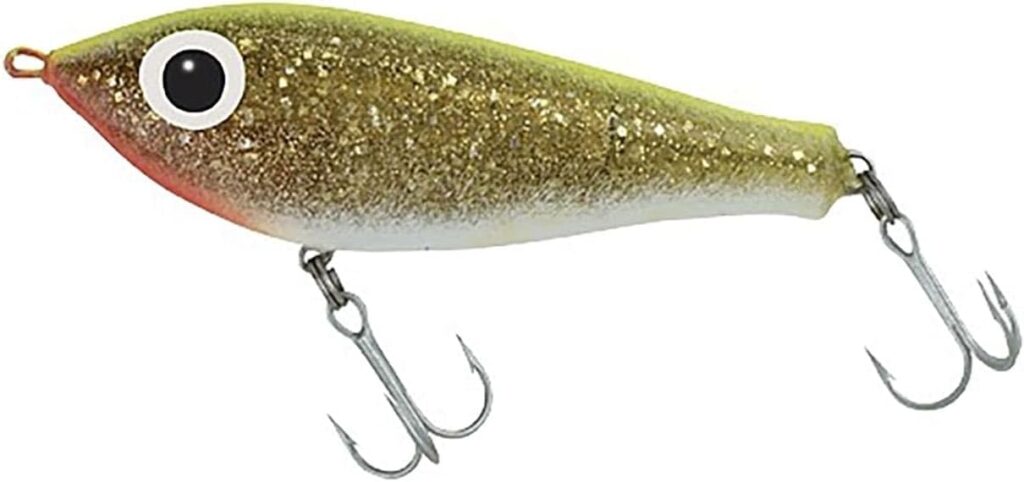
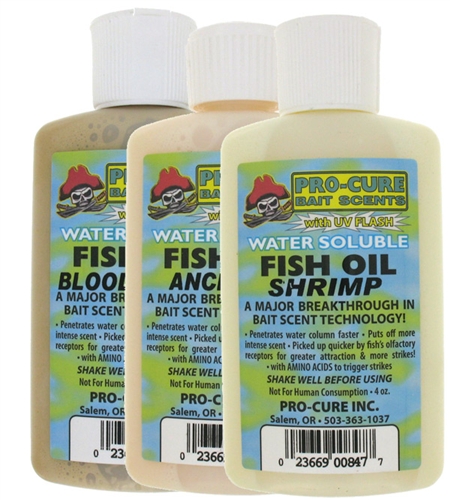
On crystal-clear sunny afternoons, I prefer more natural shades with just a little metallic flash, like silver or gold. Adding scent to my lures, such as shrimp or mullet attractant, has helped me out when bites are few and far between.
Scented soft plastics, or lures like Berkley Gulp! Shrimp sometimes trick reluctant trout into striking. If nothing’s working, I switch over to live baits like shrimp or mud minnows, either rigged under a popping cork or with a light Carolina rig. Both tricks can bring trout sniffing around when they’re looking for a lazy meal.

Best Techniques For Winter Speckled Trout
When the water gets really chilly, a trout’s metabolism slows to a crawl. That means they’re not going to chase after a lure that’s zipping by. I always slow down my whole approach—giving long pauses, moving the lure gently, and keeping a steady, unhurried retrieve.
Patience is critical here, and if you stick with it, you’ll notice your catch rate goes up. For working soft plastics on a jig head, I use the lightest weight I can while still reaching the bottom, usually between 1/8 and 3/8 ounce.
I cast it out, let it sink, then hop it ever so slightly along the bottom, waiting a few seconds between twitches. Most of my bites come when the lure is sitting still. If the bite is dead quiet, I’ll mix in a few sharper pops or swap lures altogether, to see if trout will respond to something different.
Popping corks shine when trout are suspended just above the bottom or holding near grassbeds and drop-offs. The noise and movement can draw in curious trout, keeping my lure right in the sweet zone. I operate the cork with a super slow hand at first, waiting several seconds between each pop for the best results.
How Weather And Tides Affect Trout Location
Good timing is vital for winter trout. More often than not, I plan my trips around the warmest part of the day—from late morning through afternoon. As the sun raises water temperatures on flats or next to structure, trout head up to feed after surviving a cold night. On truly frigid mornings, I stick to deep spots first before working my way toward shallower water as things heat up.
Tidal movement is another part of the puzzle. Moving water kicks up bait and prompts trout to get active. On stronger tides, I look for places where the current sweeps past points, bends, or creek inlets. If the tide goes slack, I keep things extra slow and focus efforts in deep holes where fish might hang out to conserve energy.
Gear Setup For Winter Conditions
Lighter tackle really helps me pick up on those subtle winter bites. My favorite setup is a medium-light spinning rod paired with a 2500 to 3000 size reel. I stick with 10- to 12-pound braided line plus a 24- to 30-inch fluorocarbon leader, somewhere around 12- to 15-pound test.
This gear is sensitive to the taps yet tough enough for bull trout or battling structure. I always check my drag before I start; trout can surprise you with a strong run, especially near shell beds or when the current’s running strong.
Common Challenges And Solutions In Winter Trout Fishing
Colder weather brings some unique hurdles, but with a few adjustments, you can still score great days on the water. Here’s how I deal with some typical winter fishing pains:
- Cold fingers and line management: I keep hand warmers pocketside and put on gloves designed for fishing that leave my fingertips free to deal with knots and lure changes with minimal hassle.
- Bait inactivity: When the water turns frigid, and baitfish vanish, I hunt out mud or shell bottoms that hold heat, or wait for afternoons when temperatures rise to start fishing more seriously.
- Windy conditions: After a front, strong north winds can drain water from bays and leave spots high and dry. When that happens, I move to protected creeks, deep bends, or bayous that offer shelter from the wind.
Staying Patient Pays Off
Winter trout outings often mean making more casts and covering extra ground before finding action. Once I discover fish, they tend to be stacked up tight. When that first bite comes, I slow down and comb the area thoroughly, usually catching a few more trout before the school drifts off.
Using Popping Corks And Float Rigs
Popping corks are such a classic—especially when trout ignore lures hopped along the bottom. This rig lets me keep my bait perfectly suspended above grass or shell, where hungry trout are waiting. I cast far, let the setup settle, and give it slow, easy twitches. On warm days, if the trout get fired up, I’ll pop the cork a little more frequently and speed things up slightly.
Scenarios And Examples From My Fishing Trips
One clear memory is a mid-January morning fishing a bayou off the main river. Temperatures at dawn hovered just above freezing. I drifted a jig through the deepest bend and, after nearly an hour, finally felt a solid thump—then quickly landed two more trout from the same pocket.
As sunlight crept over the banks, I noticed finger mullet appearing on the shallow side and switched to a lighter jig head with a subtle purple/chartreuse plastic. The action picked up steadily after that. Other times, nothing worked until I rigged up a live shrimp beneath a popping cork and barely moved it at all.
Letting the wind gently drift the cork was enough to put several gorgeous trout in the cooler within an hour. On a breezy December afternoon, I remembered noticing the oyster beds were practically glowing from the low winter sun.
Switching to a gold flash swimbait and making casts parallel to the shady side, I scored three fat trout in half an hour. Sometimes, paying close attention to sun angles or baitfish position is the single move that swings a slow day into a great one!
Frequently Asked Questions
These are a few questions I get from newcomers or seasoned anglers alike about targeting wintertime speckled trout:
What’s the best winter lure color?
I’ve had the most success with dark, natural colors like purple or black, especially with chartreuse or pink touches. Metallic or flashy lures are great on rare, clear, sunny days when trout want something that sparkles.
Does live bait work better than lures in winter?
Not always. I often catch just as many winter trout on good soft plastics or slow suspending baits, but when conditions are tough, a live shrimp or mud minnow really can tip the scales your way.
How slow should my retrieve be?
Go slower than you think. Some days, I pause the lure for 10 or 15 seconds (even longer in bone-chilling holes) between movements. If things are tough, slowing down almost always pays off.
Takeaway Thoughts On Winter Speckled Trout Fishing
Keying in on the perfect depth, matching the right lure and color, and slowing down when conditions demand it will push your success rate higher when chasing wintertime speckled trout. Focus on deep spots with structure, don’t be afraid to drop lure size, and use scent or live bait for stubborn fish.
Stick with your plan—add some patience and attention to small details—and those chilly days might just become your favorite time to chase speckled trout. Get your warm clothes ready, head for the water, and who knows: this winter could be the season you stumble upon that trophy trout you’ve been waiting for.
Check Out Our Most Recent Articles:
- Kastking Megajaws Elite Saltwater Baitcasting Reel
- Nomad Switcher Shrimp Lures
- Quantum Merit Spinning Reel
- Why Is Surf Fishing Popular?
- Why Do Anglers Use Different Types Of Fishing Lines For Saltwater Fishing?
- Why Are Tides Important In Surf Fishing?

As always, stay safe, enjoy the journey, and please try to leave it cleaner than you found it. If you have any comments, questions, ideas, or suggestions, please leave them in the comment section below, and I’ll get back to you ASAP. You can follow us on Facebook: Rex The Beach Angler, Instagram: thebeachangler7, Twitter: @AnglerBeach, and YouTube: Man Art Creations.
P.S. Thanks so much for checking out our blog; we really appreciate it. Just so you know, we may receive a commission if you click on some of the links that appear on our site. This helps us keep our content free and up-to-date for everyone. We appreciate your support!





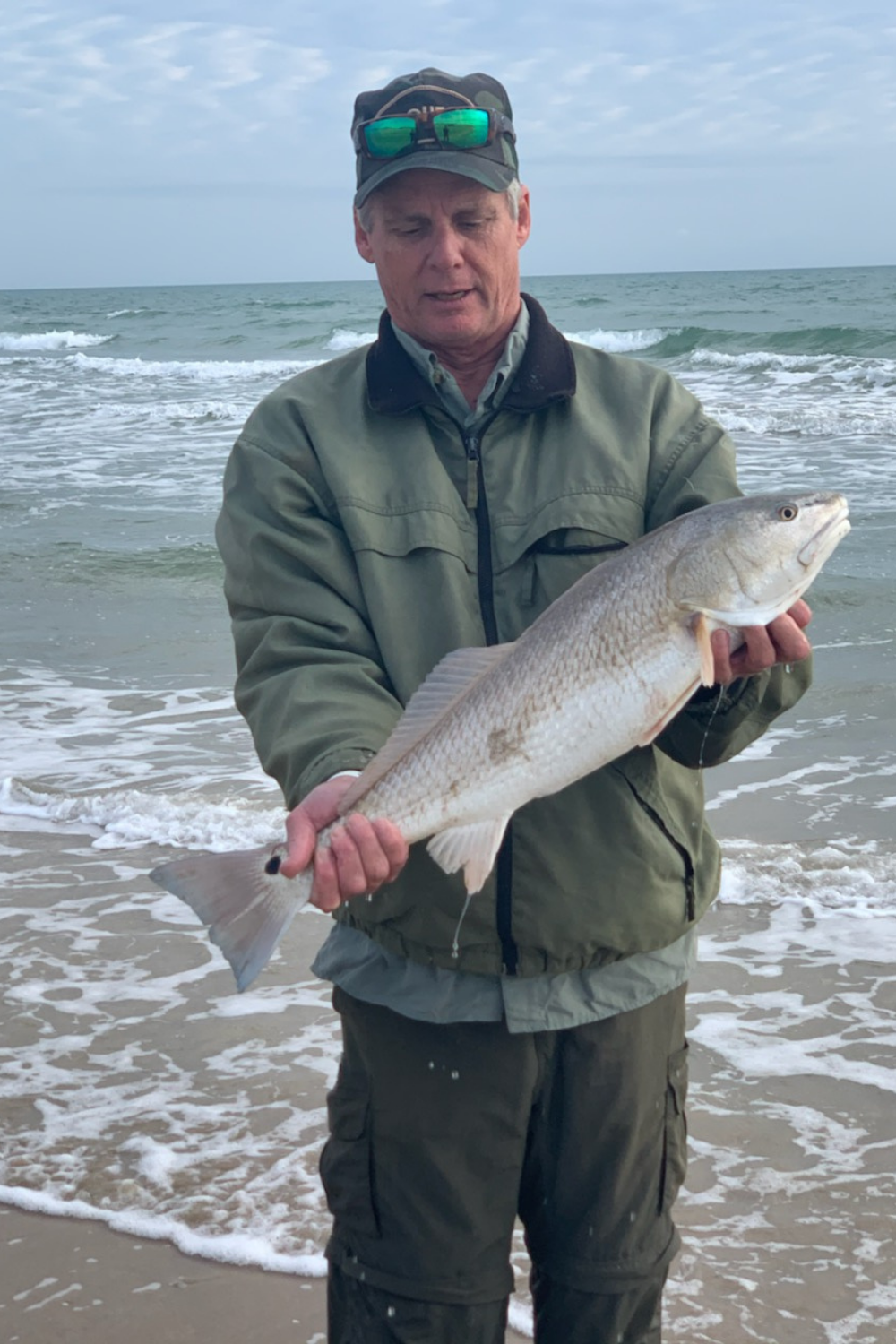
A life long surf fisherman with 50+ years of experience, I am also an avid hunter and outdoorsman. I will be sharing my passion for the outdoors with you so be prepared for hunting, fishing, camping, hiking and more. Along with gear reviews and the latest trends and innovations in the outdoor industry.