Saltwater fishing comes with unique challenges. Picking the right reel plays a huge part in your success out on the water. Factors like salt exposure, tough fish, and casting in the wind all matter. Here, I’ll walk you through the essentials for choosing a reel that works well for your style, target species, and fishing environment. That way, you can get the most out of your saltwater trips and keep your experience fun and productive for years to come.
QUICK LOOK: Saltwater Fishing Reels for Your Fishing Type
- Inshore (Trout, Reds, Flounder): Spinning, size 3000–3500, strong drag (10–15 lbs), a 6.0–6.4:1 gear ratio, carbon composite or aluminum frame.
- Kayak or Wade Fishing: Lighter spinning reels (2500–3000). Compact, well-sealed builds perform best when space is tight.
- Surf Fishing: Spinning or conventional reels, sizes 5000–8000. Look for extra sand resistance and big line capacity for long-distance casts.
- Jetty Fishing: Spinning or conventional, 4000–6000 size. Need more drag power and extra line to haul fish out of rocks and fast current.
- Offshore: Conventional, 20–50 class. High drag, huge capacity, and lever drag options make landing big fish possible.
Key Characteristics of a Good Saltwater Fishing Reel
Saltwater reels need to stand up against corrosion, handle strong fish, and function smoothly in rough conditions. Choosing a reel built for these challenges helps you avoid headaches like rust, broken drags, or dropped fish. Less worry about your gear means more time to cast, fight fish, and enjoy each trip.
The right reel can last for years and hold up great under frequent saltwater use. Since picking one feels overwhelming, let’s break things into practical categories. Focusing on the details helps you make a choice you’ll appreciate, whether you fish the surf, the flats, or deep offshore waters with your friends and family.
Understanding Saltwater Reel Types
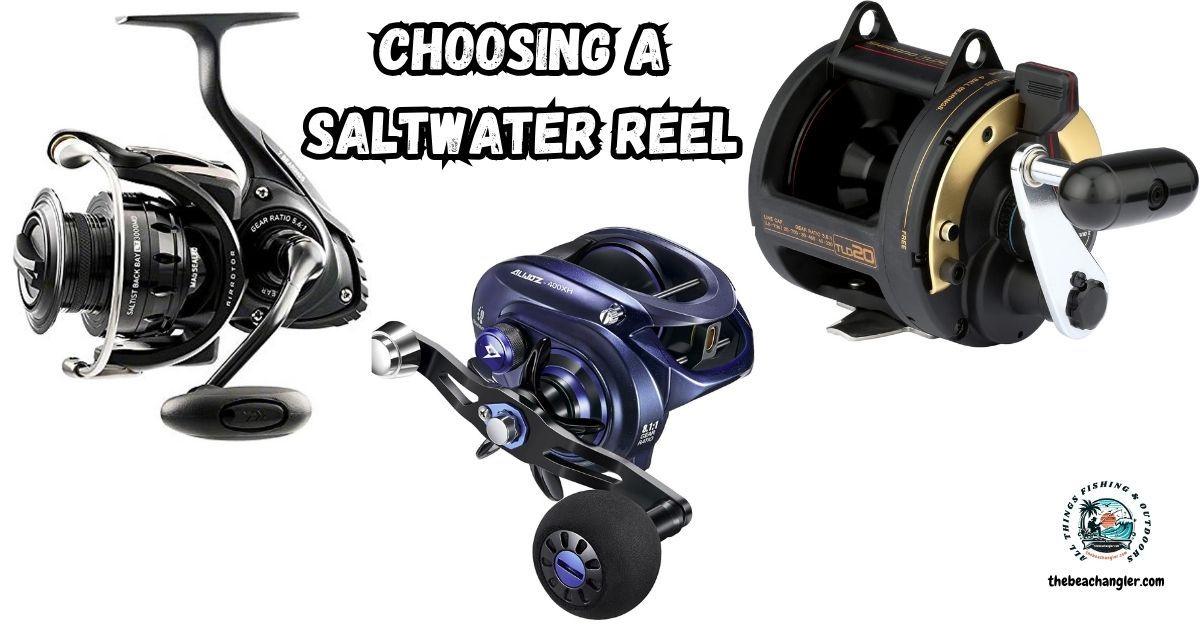
Saltwater reels come in a few main types. Each has a sweet spot, so understanding what each one does best means you can match your reel to your fishing style and target species.
- Spinning Reels: These are the most versatile, easy to use, and forgiving. They’re great for casting lighter lures when it’s windy. Perfect for inshore species like speckled trout, redfish, and flounder. Spinning reels are also popular for kayak fishing since you can operate them one-handed if needed.
- Baitcasting Reels (Low Profile): These give more control with lure placement and casting accuracy. They’re best for topwater lures, spoons, and sight-casting on flats or marshes, where picking specific fish is the goal. Most experienced anglers use these for redfish and similar species when working tight to structure.
- Conventional Reels: Built for power and line capacity, these reels shine on the surf, jetties, or out in deep water. Going after bull reds, sharks, or offshore snapper and kingfish? Conventional reels handle heavier loads and big fish runs better than spinning reels.
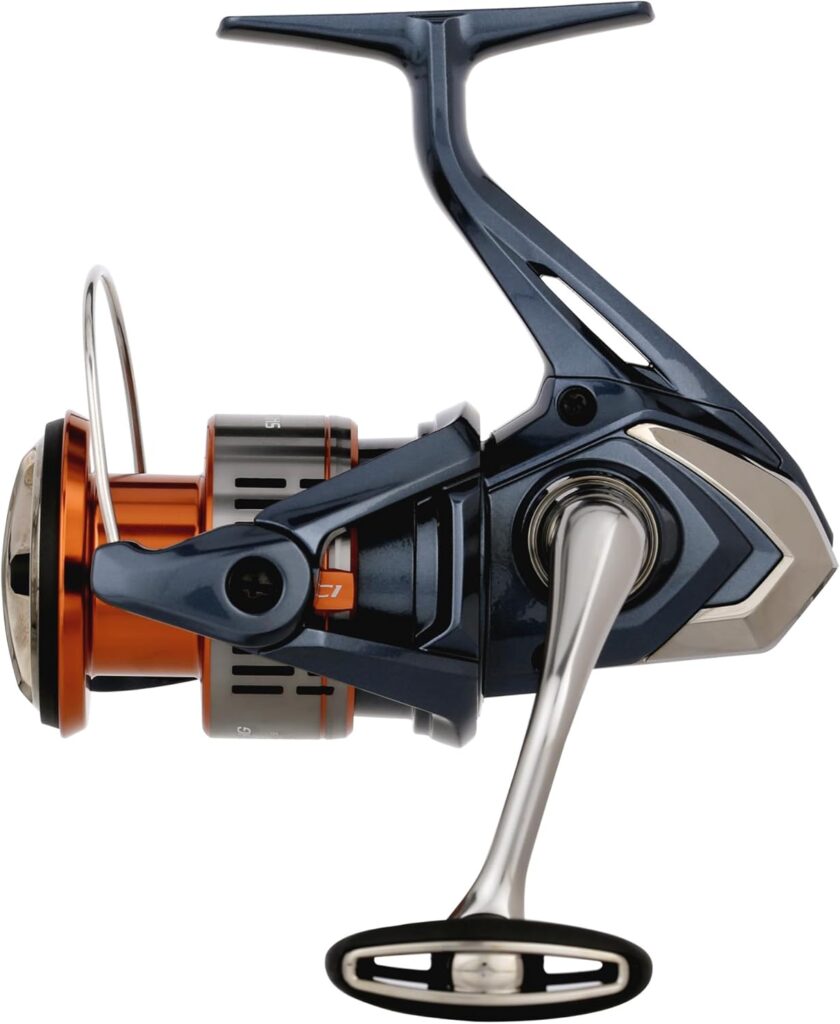
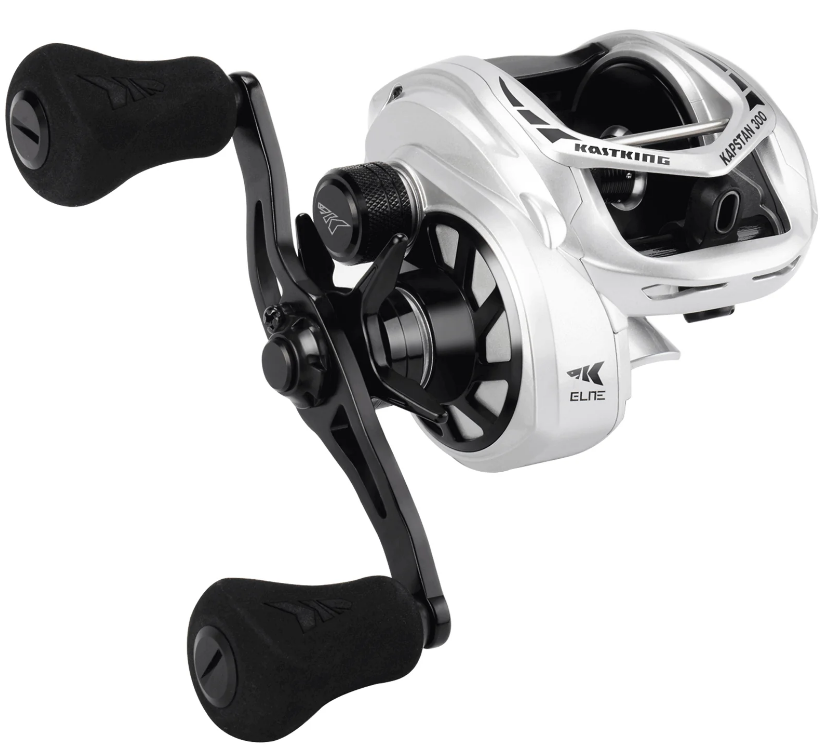
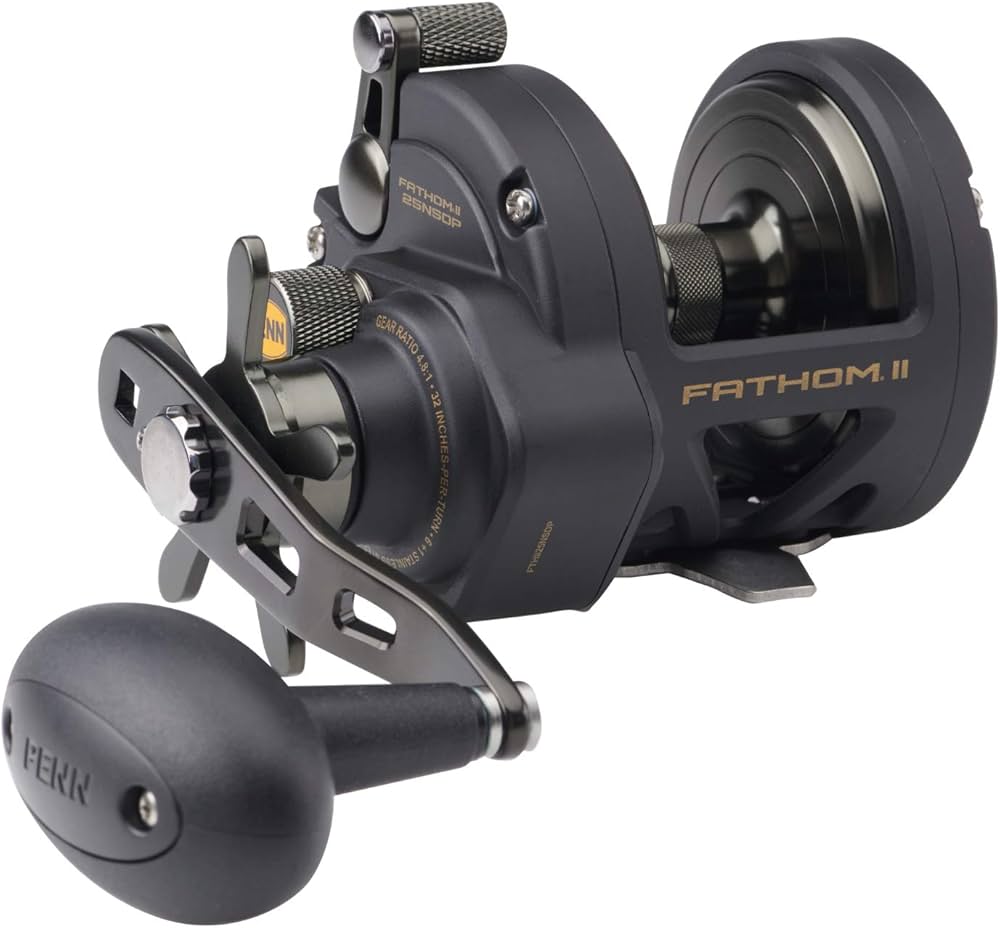
Your choice depends on your main fishing grounds and style. For most anglers fishing inshore on the Gulf Coast, a quality spinning reel in the 3000–3500 size range hits that sweet spot for a range of fish and keeps things lightweight and manageable.
Matching Reel Size to Fishing Needs
Balancing reel size to your target fish keeps your setup comfortable and ensures you have enough line when a brute takes off. Here’s how I check my size choices for different saltwater targets:
- 2500–3000: Best for light inshore fishing, like working finesse lures or chasing schoolie trout and flounder.
- 3000–3500: The all-around size for inshore trips. Handles redfish, specks, and most lures—including topwaters and popping corks.
- 4000–5000: Step up to these when chasing heavier inshore fish, fishing jetties, or targeting drum and slot-sized reds where you need extra muscle.
- 6000–8000: Ideal for surf casting, sharks, and nearshore/offshore work requiring lots of line and strong drag. The Daiwa Crosscast Surf is a good example.
- 10,000+: Strictly for serious big-game action—tuna, marlin, or big sharks, with long runs and brutal battles.
Using an oversized reel for inshore fishing often brings fatigue after a day of casting and jigging. A matched size keeps fishing enjoyable and increases your success on the water.
Corrosion Protection and Saltwater Durability
Salt is hard on fishing gear, and reels are no exception. Corrosion can freeze handles, seize bearings, or make drags sticky. When buying a new saltwater reel, always check for these features:
- Sealed drag systems that keep salt and sand out
- Water-resistant body and gear housings
- Bearings made from stainless steel or other corrosion-resistant metals
- Anodized aluminum or high-quality carbon composite frames
Some top sealing technologies include Shimano’s X-Protect and CoreProtect, Penn’s IPX5–IPX8-rated bodies, and Daiwa’s MagSeal. These features can add years to your reel’s usable life, even under harsh Gulf or Atlantic conditions. I always look for these if I expect to fish in saltwater regularly.
The Drag System: Control and Smoothness
A proper drag system applies steady pressure, letting you tire out hard pulling fish while protecting your line. These details help make a good drag system:
- Front Drag (on spinning reels): Tends to be smoother and stronger, a favorite among inshore saltwater anglers.
- Carbon Fiber Washers: Handle heat and pressure far better than old-style felt or Teflon washers. Nearly every top saltwater reel uses them now.
- Recommended Ratings: Inshore reels should have a smooth drag up to 10–15 lbs. For surf, jetties, or offshore, 20–50 lbs is better.
A smooth, nonstick drag is nonnegotiable for serious saltwater anglers. It means fewer heartbreaks when a trophy fish makes a last dash for freedom.
Gear Ratio: Choosing Your Retrieve Speed
Gear ratio tells you how many times the spool spins with each handle turn. Matching speed to your style makes casting and working lures easier:
- 6.0:1–6.4:1 for inshore fishing—solid mix of speed and power.
- 7.0:1 or higher works for burning topwater baits or quickly taking up slack after a strike.
- 5.0:1 or slower offers more power per handle turn. That’s what you want for heavy lures, jetties, or surf conditions.
Along the Texas coast, I use a 6.2:1 spinning reel for its versatility on most days.
Line Capacity and Braided Line
Saltwater fish make longer, stronger runs than most freshwater fish. You need enough line on your reel so you don’t get spooled. Braid is now the standard for saltwater because it packs more power per diameter and resists damage from salt and rocks better than monofilament line.
- 150–200 yards of 10–20 lb braid for most inshore species
- 250–300 yards of 30–50 lb braid for surf or jetty fishing
- 400+ yards of 50–80 lb braid for offshore brutes
Always check a reel’s specs for capacity using braid, since almost everyone uses it in saltwater these days. Keep the spool just below the lip; overfilling can still cause wind knots and headaches, even with the best setups.
Frame Materials: Strength and Weight
Saltwater reels come made of different frame materials, each with its strengths and tradeoffs. Here are the main options you’ll see:
- Aluminum: Strong and rigid, ideal for surf and offshore reels where you fight big fish and need durability.
- Carbon Composite: Lighter than aluminum and doesn’t rust. Great for wading or kayak fishing trips where every ounce counts.
- Graphite: Super light and easy on the wallet, but not as stiff under heavy pressure. Fine for occasional use or smaller inshore targets.
For my kayak and wading trips, I stick to carbon composite frames. They keep things light and handle salty conditions season after season without looking beat up.
Matching Reel Setup to Different Saltwater Setups
Saltwater fishing looks different depending on where you go and what you’re chasing. Pairing the right reel to your style means easier, more successful days. Here’s my go-to matching guide:
- Inshore (Trout, Reds, Flounder): Spinning, size 3000–3500, strong drag (10–15 lbs), a 6.0–6.4:1 gear ratio, carbon composite or aluminum frame.
- Kayak or Wade Fishing: Lighter spinning reels (2500–3000). Compact, well-sealed builds perform best when space is tight.
- Surf Fishing: Spinning or conventional reels, sizes 5000–8000. Look for extra sand resistance and big line capacity for long-distance casts.
- Jetty Fishing: Spinning or conventional, 4000–6000 size. Need more drag power and extra line to haul fish out of rocks and fast current.
- Offshore: Conventional, 20–50 class. High drag, huge capacity, and lever drag options make landing big fish possible.
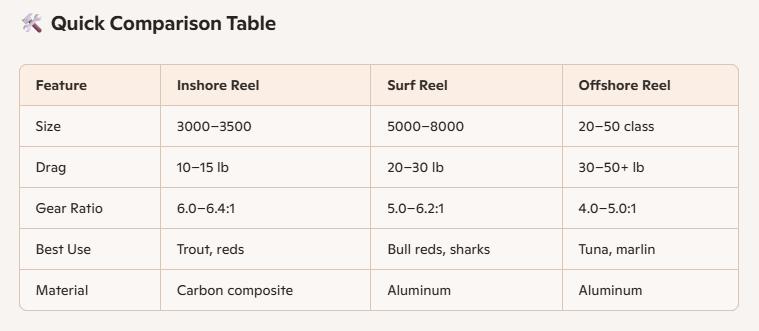
Pairing reel specs to your location and fish makes a real difference—way fewer frustrations and more bent rods in your future.
Frequently Asked Questions
These are questions I get from both seasoned saltwater fishing buddies and first-timers:
What’s the best overall reel for Texas coast inshore fishing?
A 3000–3500 size spinning reel with a sealed drag, sturdy carbon composite or aluminum frame, and 10–15 lbs of smooth drag is ideal for most inshore action. That’s what I reach for when fishing for trout, reds, and flounder around Rockport and Port Aransas.
Can I use my freshwater reels in saltwater?
I don’t recommend it. Even a couple of hours in the salt will rust freshwater reels, especially if they don’t have sealed components. If you’re set on trying, look for a model that clearly says it’s suited for saltwater use and offers sealed features.
How often should I clean my saltwater reel?
After every trip, give it a light rinse with fresh water, wipe it down, and let it air dry. Every few weeks, or after a truly brutal fight, open it up and apply fresh grease and oil to the spots your reel’s manual recommends.
Is braid always better for saltwater?
In nearly all cases, yes. Braid’s strength, slim diameter, and long-casting properties really suit saltwater fishing, especially with fish known for running far. I add a short fluorocarbon leader if I need more abrasion resistance or extra invisibility for picky fish.
Common Pitfalls When Choosing Saltwater Reels
Drawing from both my personal experience and plenty of conversations with other anglers, these are the mistakes I see the most:
- Picking a reel that’s too large for your fishing style. It makes casting and retrieves a hassle all day long.
- Skipping on sealed drag or corrosion protection. Saltwater will seize up an unsealed reel quickly.
- Trying to use a freshwater reel in the salt. It only takes a few trips for rusted parts and ruined bearings.
- Spooling on too much braid, which causes wind knots and birdsnests.
- Choosing reels with cheap bearings or a rough drag system. It ruins casts and loses you fish, even if you saved money at first.
A bit of research and choosing the features that matter most pays off on the water in a big way.
Final Thoughts on Reels for Saltwater Fishing
Choosing a saltwater fishing reel is about matching your gear to the water and fish you want to target. Pay attention to type, size, corrosion resistance, drag quality, gear ratio, line capacity, and frame material. Get this lineup right, and you’ll have a reel that lasts, lands more fish, and keeps you ready for whatever the tide brings.
If you’re unsure, start with a versatile, sealed spinning reel in the 3000–3500 size. It’s easy to manage and perfect for most inshore fishing adventures on the coast. Happy fishing!
Check Out Our Most Recent Articles:
- The Daiwa Crosscast Surf Reel
- Kastking Megajaws Elite Saltwater Baitcasting Reel
- Nomad Switcher Shrimp Lures
- Quantum Merit Spinning Reel
- Why Is Surf Fishing Popular?
- Why Do Anglers Use Different Types Of Fishing Lines For Saltwater Fishing?
As always, stay safe, enjoy the journey, and please try to leave it cleaner than you found it. If you have any comments, questions, ideas, or suggestions, please leave them in the comment section below, and I’ll get back to you ASAP. You can follow us on Facebook: Rex The Beach Angler, Instagram: thebeachangler7, Twitter: @AnglerBeach, and YouTube: Man Art Creations.
P.S. Thanks so much for checking out our blog; we really appreciate it. Just so you know, we may receive a commission if you click on some of the links that appear on our site. This helps us keep our content free and up-to-date for everyone. We appreciate your support!





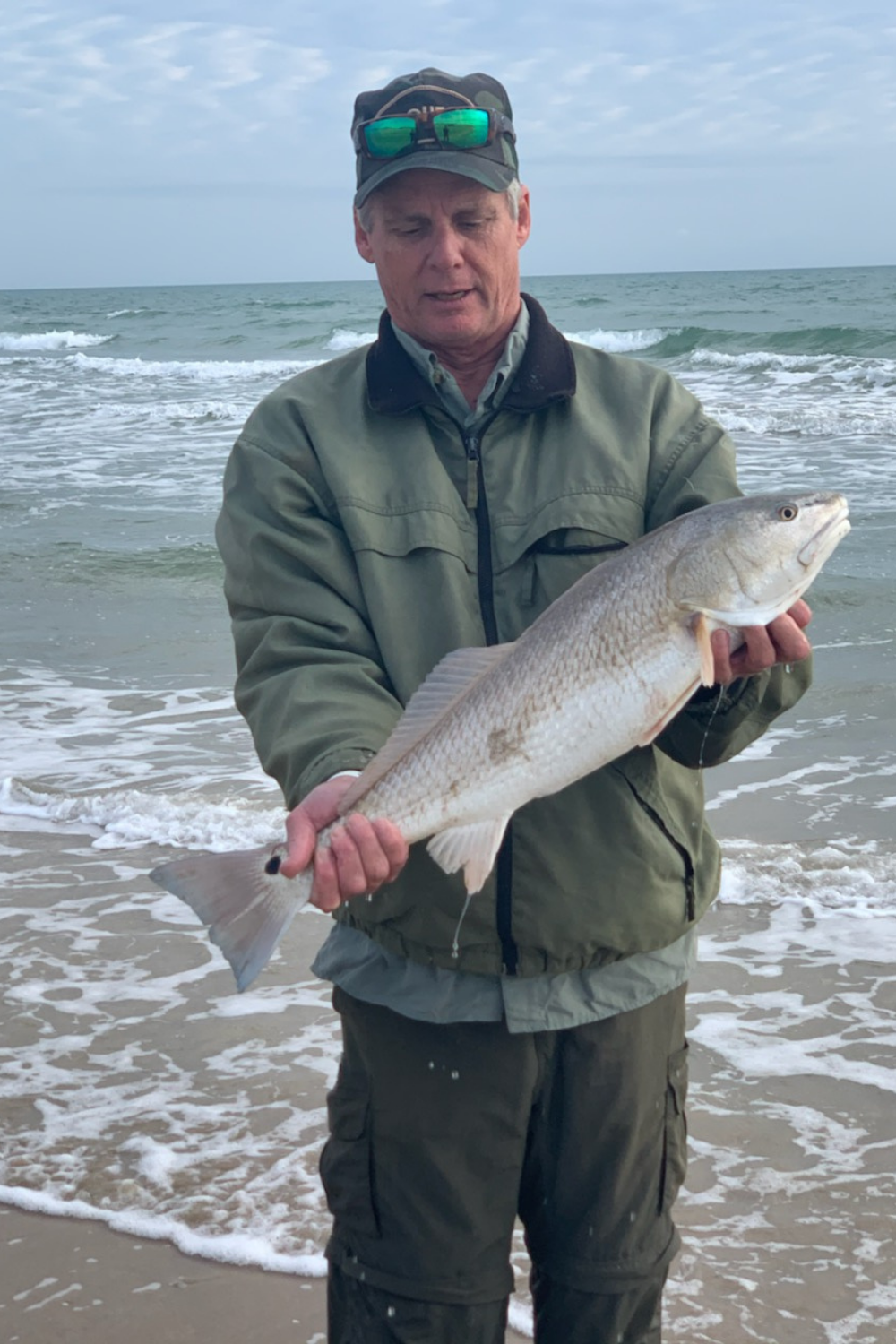
A life long surf fisherman with 50+ years of experience, I am also an avid hunter and outdoorsman. I will be sharing my passion for the outdoors with you so be prepared for hunting, fishing, camping, hiking and more. Along with gear reviews and the latest trends and innovations in the outdoor industry.