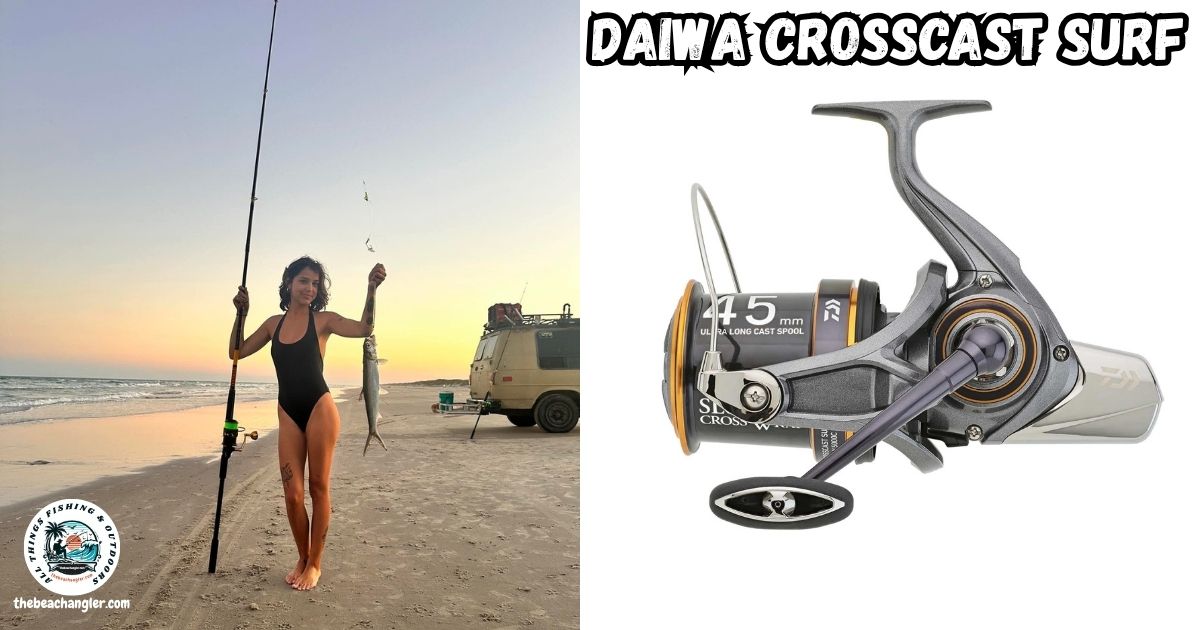
The Daiwa Crosscast Surf Reel has become a go-to choice for anglers looking to cast far, manage tough surf conditions, and handle big fish without breaking the bank. I’ve put this reel through its paces on the Texas coast and at several demanding beaches, so I’ve seen how it holds up in real-life surf conditions. If you need gear that gives you reliability and long casts for your surf fishing, the features and user experience of the Crosscast Surf Reel are well worth checking out.
Why the Daiwa Crosscast Surf Reel Stands Out
Surf fishing presents some unique challenges. Spending long stretches on the shoreline means I need reel gear that shrugs off sand, resists saltwater exposure, and delivers smooth, reliable drag if a bull red makes a blazing run near the first sandbar. Over several seasons, the Crosscast has built a name for solid casting, easy maintenance, and just enough grit for repeated surf trips.
In my opinion, this reel bridges the gap between budget and functionality. While many of the pricey surf reels often feel out of reach for a lot of anglers, the Crosscast lets me make long casts with controlled accuracy and smooth power, without a premium price tag.
Core Features That Matter Most When Surf Fishing
The Daiwa Crosscast Surf Reel brings a list of practical features that actually make a difference out on the water. Here’s what I’ve found matters most under real conditions:
- Slow Cross Wrap (SCW) Technology: SCW controls how line sits on the spool. This means braid or mono stays even, giving me fewer wind knots and helping me launch baits further.
- QD Quick Drag System: Changing from a loose spool to tight drag is fast with only a quick twist. Whenever a fish grabs my bait, or I need to adjust tension, I don’t waste time fumbling with slow adjustments.
- Long Cast Spool (35mm or 45mm): The longer spool helps line come off smooth and soft, making it easier to hit far-off sandbars or deeper guts—a big help for distance casting fans.
- DS4 Graphite Body and Air Rotor: The reel stays light enough for hour-long sessions, but it’s rugged enough for the surf. The graphite holds up reliably if I rinse off salt after every outing.
- Digigear II Gearing: Digitally engineered gears keep things smooth under heavy load, like when I’m hauling in a stubborn redfish.
- Twistbuster II Line Roller & Infinite Anti-Reverse: This system keeps line twist away even after casting chunky rigs. The anti-reverse means the handle doesn’t slip, so every turn matters when a fish is on.
- Aluminum Handle with T-Shaped Knob: The big handle lets me grip easily, especially when reeling against a tough surf current or stubborn fish, and it always feels comfortable even on long outings.
With about 3+1 ball bearings, the reel operates smoothly without extra fuss. I rarely run into maintenance issues compared to more complex surf models.
Specs and Real-World Performance
Spending many sessions with various Daiwa Crosscast models, I can say the real numbers reflect true field use as well as what you see in the paperwork:
- Weight: Around 625 to 640 grams (about 22 ounces); a norm for bigger surf reels.
- Gear Ratio: 4.9:1—not the fastest, but full of winching strength for working heavy rigs or fighting big fish in the wash.
- Max Drag: 15kg (roughly 33 pounds). That’s plenty to handle bull reds, jack crevalle, and medium sharks without running out of stopping power.
- Line Retrieval per Turn: 103 to 118 cm (40 to 46 inches), so even long runs come in without endless cranking.
- Line Capacity: Holds up to 530 meters of 0.35mm mono. For those using braid and a shock leader (like I do), there’s room for plenty of line for serious sessions.
This reel comes with both shallow and deep spool versions based on your favorite line configuration and target species.
My Experience: Where the Daiwa Crosscast Shines
I rely on the Crosscast for surf fishing reds, pompano, or jacks on the Texas coast, and whenever I need that extra casting distance across outside sandbars. It handles 3-to-5 ounce spider weights with ease, throws big spoons and pompano setups, and the line always lays smooth for reliable, long-range casting.
This reel is also practical for pier and jetty fishing, as long as it stays out of heavy water. Even after minor splashes, a good rinse keeps the insides clean and running smooth, though I never intentionally submerge it.
Compared to less expensive surf reels, I face fewer wind knots and tangles, which lets me fish longer, especially on breezy days when re-rigging can eat into fishing time.
If you’re looking for a reel that works hard in the surf and doesn’t fuss with every piece of seaweed or wind gust, the Crosscast stands up well to real-life use. Regular rinsing and basic care are all it asks.
Balancing the Pros and Cons of the Daiwa Crosscast
It’s always important to take a balanced look at any reel. After plenty of time surfcasting, here’s what I’ve seen:
| Pros of the Daiwa Crosscast |
|---|
| Excellent casting distance, thanks to the SCW system and long spool design. |
| Really good value compared to higher-end surf reels. |
| QD drag system quickly reacts to sudden bites or running fish. |
| Huge line capacity, perfect for the big surf or heavy rigs. |
| Classic Daiwa look that doesn’t feel cheap even after a season of real use. |
| Cons of the Daiwa Crosscast |
|---|
| Not sealed, so avoid wading or repeated dunking in waves. |
| A bit heavy compared to some pricier, lighter surf reels—after hours of casting, my arm does notice it. |
| Some users find the graphite body flexes under major load, especially with large fish. |
| The spool lip can catch the line if you’re not careful spooling up; there’s also an occasional faint drag-stick under heavy pressure. |
Frequently Asked Questions
Is the Daiwa Crosscast Surf Reel fully waterproof?
No, it’s not sealed. I always keep it out of strong splash zones and rinse after each use to keep it running well for longer periods.
Can I use the Crosscast for shark or big game fishing?
For medium-sized sharks in the surf, it does the job fine. For huge sharks or long battles, try a fully sealed and higher-capacity reel.
How often should the Crosscast be cleaned or serviced?
I rinse mine after every trip and open it for a re-grease a couple times per season, especially if I sense sand or salt buildup.
What’s the ideal line for this reel?
My go-to is a 30-to-40-pound braid paired with a heavy mono shock leader for the surf. The Crosscast works well with both braid and mono.
Best Scenarios for the Crosscast Surf Reel
This reel shines for surfcasting redfish, black drum, pompano, jacks, and medium sharks. It’s also ideal for heaving heavy rigs a long way out or managing distant kayak-deployed setups. If you’re planning some pier or jetty fishing and want to avoid the hassles of complicated maintenance, the Crosscast delivers confidence and line capacity for big fish runs.
It also works well for heavy lake shore or estuary chores, and I’ve used it for bait delivery when targeting carp or freshwater catfish. The 45 SCW version really sends heavy baits a long way, saving both effort and frustration.
Try not to use this reel for wade fishing or heavy dunk situations. Letting water get inside can damage gears over time. Keep it dry, rinse after every outing, and it’ll reward you with years of reliable service.
Comparing Alternatives: How Does It Rank?
I’ve paired the Daiwa Crosscast with competitors season after season. Here’s a quick run-down:
- Fox EOS 12000: The Crosscast typically casts farther and gives better bang for your buck in all-day sessions.
- Shimano Big Baitrunner XTC: Offers similar smoothness and drag, but costs more and provides a slightly different feeling on the handle.
- Daiwa Emblem Series: The Emblem sits at a premium tier. The Crosscast gives me most of the performance for a much friendlier price.
- Okuma Big Bomber 8000 & Sonik HeroX: These excel for heavy-duty use but don’t manage line quite as nicely—meaning more tangles when the surf gets messy.
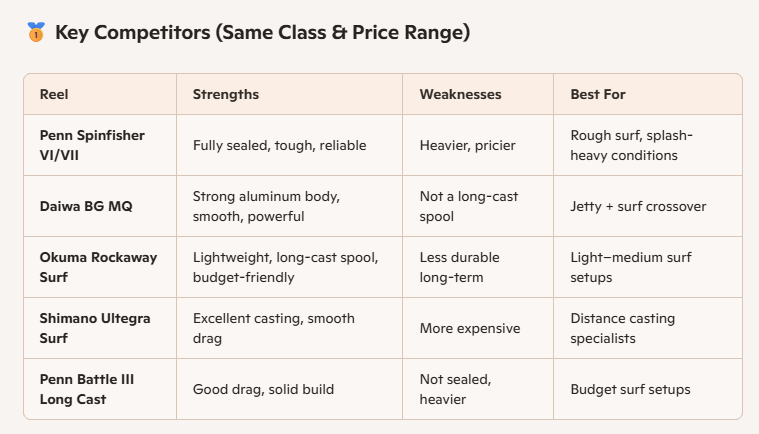
Doing a little research goes a long way—buy the reel that matches your fishing style, but for sheer practical surf features and price, the Crosscast stands out in its class.
Bottom Line: Why I Stand Behind the Daiwa Crosscast for Surf Anglers
The Daiwa Crosscast Surf Reel has tackled my Texas surf trips, added serious range to my casting, and handled the tough situations where other reels sometimes let me down. It offers a balanced mix of power, capacity, and fast drag adjustments, key qualities when every bite counts. If you want a reliable surf reel that won’t break the bank but still brings trustworthy performance to your fishing adventures, the Crosscast is a real winner.
Check Out Our Most Recent Articles:
- Best Surf Rods Under $150

- Targeting Tarpon In The Surf

- Secrets To Finding And Catching Snook

- 4 Tips for Targeting Striped Bass In The Surf
- Live Bait Vs Artificial Lures In The Surf
- The Reel Everyone Recommends Vs. The Reel That’s Built For Saltwater
As always, stay safe, enjoy the journey, and please try to leave it cleaner than you found it. If you have any comments, questions, ideas, or suggestions, please leave them in the comment section below, and I’ll get back to you ASAP. You can follow us on Facebook: Rex The Beach Angler, Instagram: thebeachangler7, Twitter: @AnglerBeach, and YouTube: Man Art Creations.
P.S. Thanks so much for checking out our blog; we really appreciate it. Just so you know, we may receive a commission if you click on some of the links that appear on our site. This helps us keep our content free and up-to-date for everyone. We appreciate your support!





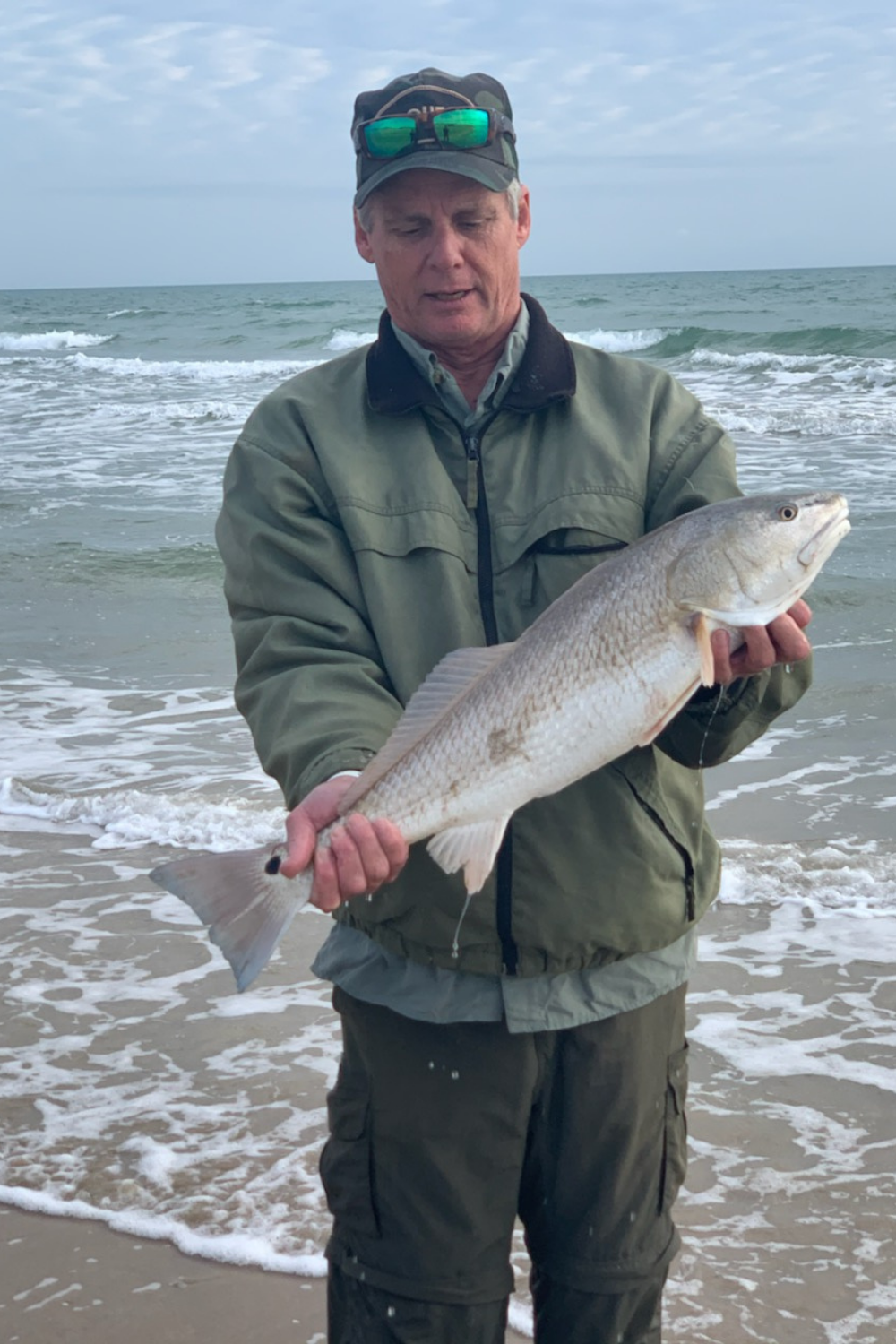
A life long surf fisherman with 50+ years of experience, I am also an avid hunter and outdoorsman. I will be sharing my passion for the outdoors with you so be prepared for hunting, fishing, camping, hiking and more. Along with gear reviews and the latest trends and innovations in the outdoor industry.