
If you’re searching for a sturdy, user-friendly conventional reel for inshore and nearshore fishing that won’t break the bank, the Penn Rival II Level Wind is a reel I’ve found that checks many boxes. After getting hands-on experience and comparing it to other options, I see why this reel appeals to entry-level and practical-minded anglers. I’m going to lay out what you should know about the Rival II so you can figure out if it fits your style and fishing needs.
QUICK LOOK: Pros and Cons of the Penn Rival II Level Wind
| Pros of the Penn Rival II |
|---|
| Accessible Price: The Rival II is priced for anglers who want reliable gear without paying top dollar. |
| Smooth Drag System: The HT-100™ drag delivers steady performance, important when you’re hunting species like striped bass, redfish, or even channel catfish that make unpredictable runs. |
| Reliable Gearing: The heavy-duty gears don’t fail under moderate stress, and the reel maintains its smooth action after multiple trips. |
| Level Wind Simplicity: Beginners and occasional anglers will appreciate not having to fuss with uneven line lay or palm the spool for a smooth return. |
| Good for Saltwater and Freshwater: With a quick rinse after saltwater use, corrosion hasn’t been a problem. |
| Versatility: I’ve found a lot of flexibility based on the size and model you choose; you can easily adapt it to your favorite style without swapping out reels between trips. |
| Limitations of the Penn Rival II |
|---|
| Casting Lever Quirks: I noticed, and a few others have mentioned, that the casting lever can sometimes move back during a hard cast. |
| Some Components Feel Less Solid: Certain parts, like the drag knob or clicker button, feel a bit light compared to reels at a higher price. |
| Not Meant for Long-distance Casting: If you’re mostly casting for distance, this reel may not perform as well as a non-levelwind model. |
| Clicker and Drag Issues: Occasionally, the clicker or drag system may act up. For me, a bit of lube and quick inspection usually sorts things out. |
| Initial Lubrication Might be Weak: My Rival II needed a quick regrease out of the box. I recommend buyers double-check lubrication before heading out, just for peace of mind and long-term performance. |
Key Features and Design of the Penn Rival II Level Wind Conventional Reel
I’ve noticed that fishing reels at this price point can vary a lot when it comes to features and reliability, so I’ll walk through the qualities that stand out. The Rival II keeps things straightforward and functional, focusing on a few core areas that matter to most anglers. If you’re new to conventional reels or want something reliable and simple, these features really shine.
- HT-100™ Carbon Fiber Drag System: This system delivers a smooth, predictable drag even when you’ve got a big fish on the line. I like that the drag does not jerk or stick, making it easier to fight tough species and stay in control while reeling in your catch.
- Level Wind System: The level wind moves the line back and forth evenly across the spool during retrieval. This helps keep the line from bunching up on one side and causing annoying tangles, a common frustration for anglers who regularly put their gear to the test. I’ve run into tangles with reels lacking this feature, but not here.
- Corrosion-resistant Frame and Sideplates: The graphite construction makes the reel lighter and less prone to saltwater corrosion. From my use, it stands up well in both freshwater and coastal environments, especially with just a rinse after each trip. Penn clearly designed this for anglers who require longevity from their reels without constant fuss.
- Heavy-duty Gearing: Inside the Rival II, Penn put in a marine-grade bronze alloy main gear and a machine-cut brass pinion gear. Both feel strong when cranking under load, and the reel keeps its smooth retrieve without feeling sloppy over time. That’s been especially obvious when fighting unexpected grabs by bigger fish.
- Line Capacity Rings: These quick visual markers etched onto the spool make it easy to see how much line is left, which has helped me a few times during long fights or when setting out lines for trolling. You can spot your line usage at a glance, sparing a few worries over running out of line while a fish is still on.
- AutoEngaging Gears: After casting or freespooling, the gears automatically reengage with a quick turn of the handle. I’ve found this to be a simple feature that speeds things up when resetting lines, especially if you’re running several rods at once.
- Optional Line Counter: Some models come with a line counter, perfect for anybody who needs to drop baits to precise depths. It’s practical for trolling or targeting bottom species and is definitely worth considering if precision matters to you.
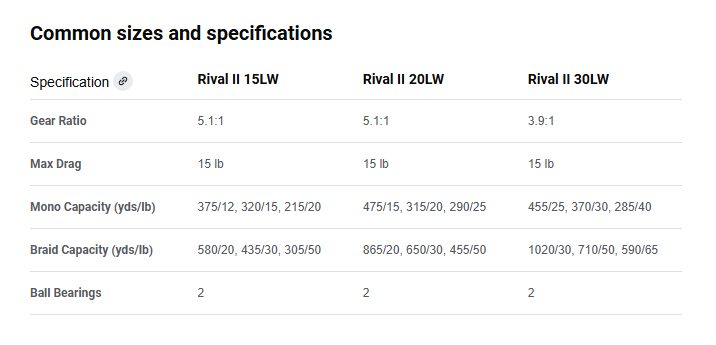
- Multiple Sizes: Sizes like 15, 20, and 30 cover most inshore and nearshore fishing scenarios. This flexibility has made it easier for me to pick a size that matches my preferred line type and fish target without overbuying. If you want versatility, the range has you covered.
How the Rival II Differs from the First-Generation Rival
When I compare the Rival II to the original Rival, I notice some upgrades that make a real difference on the water. The new version feels slightly more refined in my hands, particularly regarding the drag system and internal components.
The same value and accessibility are still there, but Penn tightened up a few issues that popped up in earlier user feedback. Things like smoother drag and improved gear alignment seem to hold up after repeated trips, and the slight changes add up for long-term users who depend on their gear for season after season of fishing.
Even though both versions have a reputation for being solid entry-level reels, the Rival II’s build gives a boost in longevity and ease of use, especially for anglers who don’t want to worry about complex maintenance.
The overall structure just feels sturdier. You still get that affordable price, and the learning curve remains pretty gentle, especially if you’ve used conventional reels before or are making the switch from spinning gear.
The Pros of the Penn Rival II: Where This Reel Shines
From my time using the Rival II, I’ve had some good experiences and picked up on the areas where it’s easiest to recommend. Here are a few that stand out, especially compared to other reels in the same price range:
| Pros of the Penn Rival II |
|---|
| Accessible Price: The Rival II is priced for anglers who want reliable gear without paying top dollar. It makes sense if you want to fish more and worry less about expensive rigs, giving newcomers and frequent anglers an affordable, honest reel. |
| Smooth Drag System: The HT-100™ drag delivers steady performance, important when you’re hunting species like striped bass, redfish, or even channel catfish that make unpredictable runs. That smoothness keeps your line from snapping when a big one takes off. |
| Reliable Gearing: The heavy-duty gears don’t fail under moderate stress, and the reel maintains its smooth action after multiple trips. That’s been my experience even after long sessions trolling or bottom fishing in tougher current and deeper water. |
| Level Wind Simplicity: Especially if you’re newer to conventional reels, the level wind helps avoid line headaches. Beginners and occasional anglers will appreciate not having to fuss with uneven line lay or palm the spool for a smooth return. |
| Good for Saltwater and Freshwater: With a quick rinse after saltwater use, corrosion hasn’t been a problem. The graphite and aluminum frame is light enough that casting and repositioning feel natural, making long days on the boat less tiring. |
| Versatility: People use the Rival II for everything from lake trolling for walleye to pulling bottom rigs for snapper. I’ve found a lot of flexibility based on the size and model you choose; you can easily adapt it to your favorite style without swapping out reels between trips. |
Cons: What I Think Could Be Better with the Rival II
While I’ve had mostly positive results, no reel is perfect. A few things stood out to me as possible drawbacks, and they tend to come up in other angler conversations and reviews, too:
| Potential Drawbacks of the Penn Rival II |
|---|
| Casting Lever Quirks: I noticed, and a few others have mentioned, that the casting lever can sometimes move back during a hard cast. This isn’t an every-trip thing, but it’s something to be aware of if you’re regularly casting heavy leads or using fast casting techniques. |
| Some Components Feel Less Solid: Certain parts, like the drag knob or clicker button, feel a bit light compared to reels at a higher price. They do their job but can seem plasticy in the hand, making the reel feel less premium even though it holds up. |
| Not Meant for Long-distance Casting: The level wind system is great for line management, but has a trade-off in distance. If you’re mostly casting for distance, this reel may not perform as well as a non-levelwind model, so keep your expectations in check. |
| Clicker and Drag Issues: Occasionally, the clicker or drag system may act up. For me, a bit of lube and quick inspection usually sorts things out, but some anglers have reported more persistent problems. A little proactive care helps avoid most snags here. |
| Initial Lubrication Might be Weak: My Rival II needed a quick regrease out of the box. I recommend buyers double-check lubrication before heading out, just for peace of mind and long-term performance. |
Helpful Tips for Getting the Most from Your Penn Rival II
Getting comfortable with your fishing reel can make the difference between an ordinary day and one where you really enjoy yourself on the water. Here are a few straightforward tips I use to keep the Rival II in good shape and working smoothly. These steps are easy to follow, even if you are new to reel maintenance:
- Check Lubrication Before Use: To avoid early wear or unexpected issues, I always open up new reels and check for grease and oil where it should be. A little time up front helps me avoid sticky retrievals or rough-sounding gears later. Most reels benefit from this quick double-check, and it pays off season after season.
- Rinse After Saltwater Use: Salt is rough on even the most “resistant” reels over time. After each trip, I do a rinse with freshwater and let it dry thoroughly. Wiping down key areas prevents buildup and corrosion before it starts.
- Test the Drag and Clicker Regularly: Since these are known weak spots for some users, I make it a habit to test these features before loading up my gear bag. Fixing things at home is much easier than trying to improvise on the boat, saving the headache and keeping you fishing.
- Pick the Right Model Size: Think about line class and target species before choosing. The 15 is great for lighter setups and smaller fish, while the 30 provides more backbone for heavier lines and bigger targets. Matching your gear to your fishing style is always a good game plan.
Common Uses and Real-World Performance
From what I’ve seen and used the Rival II for, it fits a bunch of fishing styles. Trolling for salmon or walleye, bottom fishing for snappers and groupers, or targeting mackerel in coastal waters, the reel was up to the job in all these cases.
I’ve run it both on rivers and at the coast and feel good recommending it for almost any moderate-duty fishing. The reel’s ability to handle different fish and circumstances without skipping a beat speaks to its everyday practicality.
Some friends have added the model with the line counter for consistent trolling depths when fishing for walleye or lake trout. In my experience, the level wind system makes a huge difference for folks who are tired of untangling line after a long retrieve.
Even on tougher fishing days, I found the smooth drag and strong gears kept me covered when that bigger fish finally hit. It fits right into all-in-one setups for anglers who switch up between trolling and casting, offering value you do not see in more expensive reels.
Questions Anglers Ask About the Penn Rival II
Is the Penn Rival II Level Wind suitable for heavy saltwater use?
For moderate inshore and nearshore saltwater fishing, it works well when rinsed after each trip. I would still pick a higher-end reel for sustained big-game use, but for weekend trips, it’s more than enough.
Can this reel handle braided line?
I’ve used 20–40 lb braided line on my Rival II without any issues. The line capacity rings helped track line out, and the level wind distributed braid evenly as long as I packed the line under tension. For average anglers, this is more than sufficient for both trolling and casting setups.
How does the line counter feature help, and do I need it?
The line counter is handy for trolling at exact depths or placing baits at a consistent spot. If you troll often or fish deep without visible structure, I’d say it’s worth paying a little extra for that model. Anyone who prefers precision or who fishes big inland lakes will appreciate it.
Is the Penn Rival II Right for Your Fishing?
If you want a budget-friendly, well-built reel for general inshore, nearshore, or freshwater fishing, I’ve found the Penn Rival II Level Wind is an easy reel to recommend. It combines practical features with durability, avoiding unnecessary extras that drive up costs.
Picking the right model size and spending a little time on maintenance helps you get a lot of use out of it without much trouble. Whether you’re new to conventional reels or just want an everyday workhorse, it’s a choice worth considering for a reliable addition to your fishing gear.
Check Out Our Most Recent Gear Review Articles:
- The Daiwa KAGE Inshore Rods
- Daiwa Free Swimmer Spinning Reel
- Daiwa Blackline Inshore Rods
- The Daiwa Saltist Back Bay Spinning Reel

- Shimano TR Triton Reel Review
- Shimano TLD Reels Review
As always, stay safe, enjoy the journey, and please try to leave it cleaner than you found it. If you have any comments, questions, ideas, or suggestions, please leave them in the comment section below, and I’ll get back to you ASAP. You can follow us on Facebook: Rex The Beach Angler, Instagram: thebeachangler7, Twitter: @AnglerBeach, and YouTube: Man Art Creations.
P.S. Thanks so much for checking out our blog; we really appreciate it. Just so you know, we may receive a commission if you click on some of the links that appear on our site. This helps us keep our content free and up-to-date for everyone. We appreciate your support!





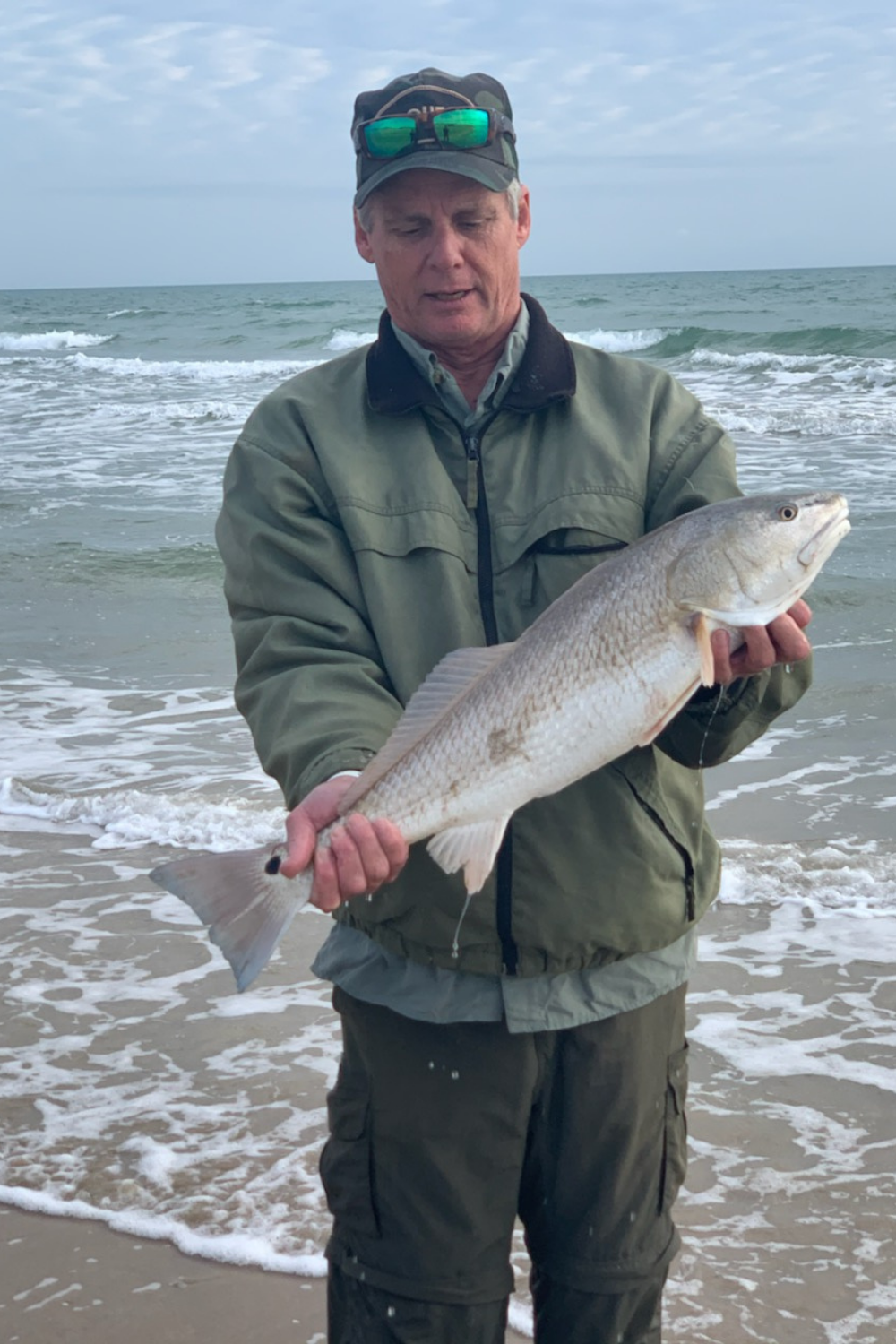
A life long surf fisherman with 50+ years of experience, I am also an avid hunter and outdoorsman. I will be sharing my passion for the outdoors with you so be prepared for hunting, fishing, camping, hiking and more. Along with gear reviews and the latest trends and innovations in the outdoor industry.