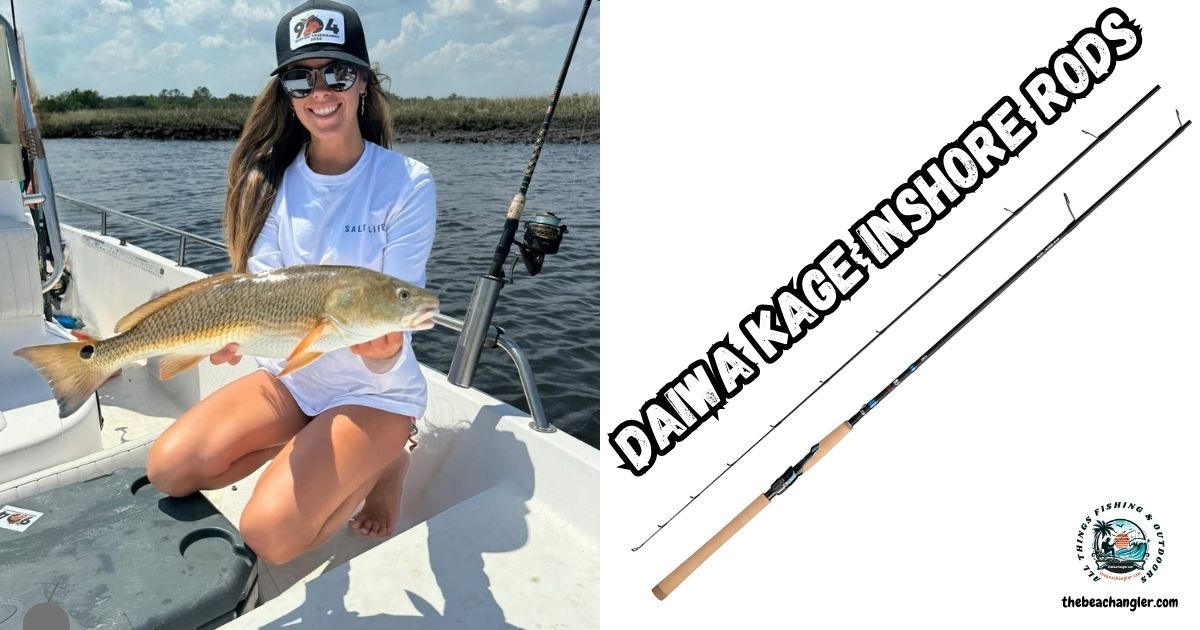
The Daiwa KAGE Inshore Rods are designed for anglers who want both high performance and reliability when working the coastal flats. I’ve found these rods strike a great balance, delivering sharp sensitivity while having enough backbone to meet the demands of speckled trout, redfish, and flounder fishing.
Built using HVF Nanoplus graphite and Daiwa’s X45 BiasWeave technology, the KAGE offers a lightweight experience with increased accuracy and excellent control. While these rods are not at the very top of Daiwa’s price range, they still pack a ton of value and are ideal for Gulf Coast and other inshore anglers looking for something a notch above the usual basics.
Daiwa KAGE Inshore Rods Overview
Daiwa’s KAGE series really stands out because of its focus on sensitivity, accuracy, and durability for saltwater use. Sitting just below the flagship Blackline series, the KAGE inshore models are built for both the casual weekender and serious inshore angler who want a premium edge but don’t want to pay the very highest price point. Made to stand up to regular saltwater use, these rods are mostly available through independent tackle shops, so you’ll likely stumble upon them at smaller specialty retailers instead of big-box chains.
I’ve personally put these rods to the test along the Texas coast, chasing everything from tricky winter trout to powerful slot redfish. Their design lands right in the sweet spot: lightweight and responsive for subtle presentations, yet tough enough to pull bigger fish away from potholes, grass lines, or structure.
Core Features of Daiwa KAGE Inshore
QUICK LOOK
- HVF Nanoplus Graphite Blank: This high-density carbon material uses less resin, which keeps the rod lighter and makes it respond faster to subtle bites. It maintains its shape and performance even after repeated use in harsh coastal conditions.
- X45 BiasWeave Technology: Daiwa wraps the graphite at special 45-degree angles. This construction noticeably reduces how much the rod twists when you cast or set the hook. The result is straighter, more accurate casts and better control when fighting fish, especially in fast-moving water.
- Premium Guides and Reel Seats: The KAGE models feature braid-ready guide trains and ergonomic reel seats that feel comfortable during long sessions. These components help increase casting distance and keep line friction low, even when throwing heavier saltwater braid.
- SaltwaterReady: The entire rod is built to hold up to salt spray, intense sunlight, and daily bumps, which gives me peace of mind during extended trips.
Price and Where to Find Them
The Daiwa KAGE Inshore models are generally priced around $259.99, though it can vary depending on the length and power you choose. This places them higher than standard midrange options but below ultra-premium rods.
Daiwa markets these rods primarily through smaller tackle shops, so you might find availability can be hit-or-miss. I generally ask around at local coastal retailers or check out specialized online shops for the best selection. This shopping method supports local businesses and connects me with the latest gear for my regional conditions.
If you do manage to track down a KAGE rod, I’d recommend chatting with the shop owner—they often have real-world tips and can help you pick the best model for your waters. Plus, you might stumble upon limited rod lengths or exclusive models not listed online.
What I Like (and What’s Less Ideal)
| Pros of the Daiwa KAGE Inshore Rods |
|---|
| Super lightweight with a crisp, lively feel, excellent for finesse fishing or long days on the flats. |
| Standout accuracy in both casting and hook-sets, even when the wind picks up or conditions are wide open. |
| Strong sensitivity, letting me feel those barely-there taps from cold, light-biting trout. |
| Durable and trustworthy when battling hard-pulling reds or the occasional snook. |
| Solid value for anglers wanting to step up from beginner gear but not jump into $400+ territory. |
| Cons of the Daiwa KAGE Inshore Rods |
|---|
| More expensive than rods like the Daiwa Tatula Inshore, making it potentially less appealing for those just getting started. |
| Not quite as sensitive or feature-rich as Daiwa’s most advanced Blackline rods. |
| Limited models and fewer customization options compared to other Daiwa lines. |
| Availability can be inconsistent—not every shop carries the full lineup. |
Frequently Asked Questions
Here are some questions I run into often from anglers curious about the Daiwa KAGE Inshore lineup:
How does the KAGE Inshore compare to the Daiwa Tatula Inshore or Blackline?
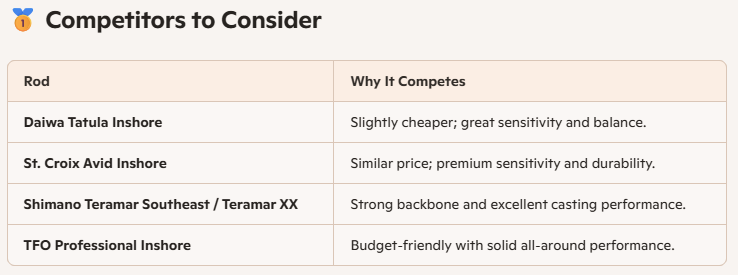
The KAGE is both lighter and more sensitive than the Tatula, though it’s not as loaded with advanced features as the Blackline series. It’s a great choice for serious weekenders who want to move beyond entry gear but don’t need every possible premium extra.
Which lures work best with KAGE Inshore rods?
They work beautifully with soft plastics, topwaters, jigs, and twitchbaits. Choosing the right rod power and length to match the lure weight and fishing style ensures the best results. The KAGE handles both light presentations and heavier rigs without missing a beat.
Are KAGE rods a good pick for someone just starting with inshore fishing?
If you’re new but want to invest in a rod that will last and grow with your skills, the KAGE is an excellent choice. However, if you’re only fishing the flats occasionally, it may be better to start with a less expensive option and move up as your needs change.
How the KAGE Performs Inshore – My Typical Applications
I split my use of the KAGE across several Texas and Gulf Coast fishing techniques. Here’s how they perform in each role:
- Speckled Trout: For soft plastics, topwater baits, and twitchbaits, the MediumLight (ML) and Medium (M) power rods shine. Fast tips allow for long casts with light lures, and the sensitivity increases my chances of feeling even the lightest winter strikes.
- Redfish: The Medium and MediumHeavy (MH) models provide enough strength for solid hook-sets on slot-sized reds. Whether I’m throwing paddle tails, spoons, or jigs around grass edges, the KAGE’s casting ability allows me to target potholes and seams precisely.
- Flounder: For bouncing heavier jigheads on the bottom, MH rods offer just the right mix: enough tip sensitivity for subtle bites, enough backbone for a strong hookset. The rod must maintain its feel with heavy braid and around tough structure.
- Jetty and Pier Fishing: Some of my fishing buddies use the heavier KAGE rods for sheepshead, drum, or during strong current. The rods cast heavy weights comfortably while still feeling natural in hand.
For anyone using a mix of soft plastics, jerkbaits, and heavier jigheads, switching rod power accordingly lets you keep control and maximize results throughout changing tides and seasons. The adaptability across different fishing styles truly sets the KAGE apart.
Before Picking Up a Daiwa KAGE Inshore Rod
Here are a few things I always check before deciding on a new rod, even one as dependable as the KAGE:
- Rod Length and Power: Each model fits different applications. Fishing tight marshes or narrow bayous? Go shorter and lighter. If you’re chasing reds in open bays or casting long distances, consider a 7’6” MH for extra reach and muscle.
- Reel Selection: The KAGE is featherlight, so pairing it with a compact 2500–3000-size reel keeps everything balanced and comfortable for long sessions, whether you prefer mono or braid.
- Tackle Types: Casting soft plastics, jerkbaits, and topwaters pair best with a fast-action rod. For live bait or heavier rigs, a slightly slower action can help cushion the fight and protect light leaders.
- Budget: With a midrange price, think about how often you fish inshore. For me, the extra feel and power made the investment worthwhile, especially since I fish coastal flats year-round.
- Warranty and Support: Daiwa offers dependable warranty coverage, but it pays to double-check with your shop or online resources to understand the details before you buy.
Maintenance Tips
I always rinse my KAGE rods with fresh water after each saltwater use and dry them off before putting them away. Giving a quick wipe with a soft cloth stops salt from building up on the guides and keeps my line and rod in great shape. This habit makes sure my gear stays responsive for years.
Every few months, I check the guide inserts for any rough spots, since nicks can easily damage fine braid. If you find a rough spot, a little polish or even guide replacement can keep your rod fishing like new.
Advanced Fishing Tips with Daiwa KAGE Inshore
Once I found the KAGE model that fits my style, a few simple tweaks helped me use it to the fullest:
- Use a high-quality, thin braid to increase the rod’s already impressive sensitivity. This setup makes even light taps stand out, especially when targeting finicky trout or flounder.
- Making small changes to your retrieve—like pausing mid-twitch or varying your cadence—lets you get the most out of the rod’s fast, snappy tip. I find this brings lures to life and perks up fish even in slow periods.
- For jetty or pier anglers, the longer MH KAGE rods really shine. They allow for longer casts in strong currents, making it easier to present baits where boat traffic or current makes life tricky.
Don’t be afraid to experiment with different retrieve speeds or lure weights. The KAGE’s lightness and feel let you stay connected to your bait and help boost hookup rates, especially when your target is acting picky.
Final Take on the Daiwa KAGE Inshore Rods
The Daiwa KAGE Inshore Rods offer an all-in-one solution for anglers who value sensitivity, accuracy, and lasting build quality at a price that doesn’t quite reach the ultra-premium range. I’d recommend them to anyone hoping for a next-level cool experience on the water without breaking the bank. For me, these rods blend innovative design, reliable performance, and comfort, truly making each fishing trip more enjoyable—and more successful!
Check Out Our Most Recent Articles:
- Quantum Merit Spinning Reel
- Why Is Surf Fishing Popular?
- Why Do Anglers Use Different Types Of Fishing Lines For Saltwater Fishing?
- Why Are Tides Important In Surf Fishing?

- Understanding Fish Behavior To Improve Your Fishing
- How To Choose The Right Reel For Saltwater Fishing
As always, stay safe, enjoy the journey, and please try to leave it cleaner than you found it. If you have any comments, questions, ideas, or suggestions, please leave them in the comment section below, and I’ll get back to you ASAP. You can follow us on Facebook: Rex The Beach Angler, Instagram: thebeachangler7, Twitter: @AnglerBeach, and YouTube: Man Art Creations.
P.S. Thanks so much for checking out our blog; we really appreciate it. Just so you know, we may receive a commission if you click on some of the links that appear on our site. This helps us keep our content free and up-to-date for everyone. We appreciate your support!





A life long surf fisherman with 50+ years of experience, I am also an avid hunter and outdoorsman. I will be sharing my passion for the outdoors with you so be prepared for hunting, fishing, camping, hiking and more. Along with gear reviews and the latest trends and innovations in the outdoor industry.