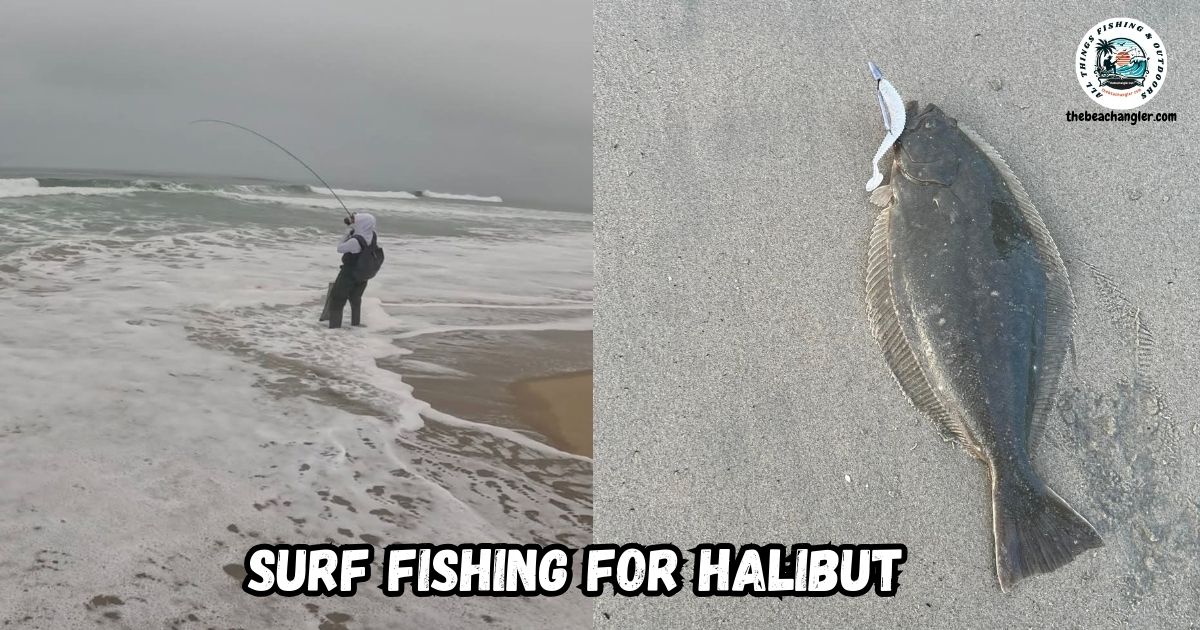
If you love surf fishing and want to try for a tasty and exciting prize, halibut offer a great challenge. I’ve spent many mornings casting from California beaches, feeling the tug of a halibut, and learning what works best.
QUICK LOOK: Tips for Surf Fishing for Halibut
- Sandy beaches are some of my favorite places to fish for halibut. I look for stretches of sand near shallow dropoffs, which are spots where the beach suddenly gets deeper. These transition zones are where halibut often chase bait. Bays and estuaries with muddy bottoms can also hold halibut, especially where small fish school up near the shore.
- Structure is another key. Rocks, jetty arms, piers, and even submerged debris create hiding spots for baitfish, so halibut are usually close by. Halibut often lurk just down current or on the side of these features. I cast my bait right along the edges or just beyond where structure meets sand, letting my bait drift close to the bottom.
- Drop-offs are reliable, too. When walking the beach, I look for spots where the waves break suddenly closer to shore than on the rest of the beach. These dips or troughs in the sand signal a changing bottom, which holds bait and attracts hungry halibut. In addition, areas where seaweed collects or where small depressions form during tides can provide excellent cover for halibut to set up an ambush.
- Dusk and dawn are by far the most consistent windows. The action tends to die down when the sun is directly overhead and beaches are more active with swimmers or surfers, so plan your trips accordingly if you want better odds.
- Tidal changes make a big difference. I’ve had my best days during the turn of the tide, which is the period just as the tide changes from incoming to outgoing or vice versa. The water moves slowly, stirring up sand and making baitfish more active; halibut get into hunting mode around these times.
- Low tide can also be a secret weapon if you know how to read the exposed structure. As the water retreats, you can spot holes and troughs to fish later on a rising tide.
- Season matters too, especially if you fish the West Coast. In Southern California, for example, the spring (March to June) and fall (September to November) are prime. Big halibut move close to shore during these months, and the water clarity is usually better.
This guide covers what you need to know for successful surf fishing for halibut, even if you’re just starting. I’ll share my favorite spots, gear tips, best baits, and real-world strategies that help me catch more of these elusive flatfish.
Where to Find Halibut Along the Surf
Halibut are bottom-dwelling ambush predators, which means they lie flat and nearly invisible on sandy or muddy bottoms, waiting to strike passing prey. I usually target them on sandy beaches or muddy flats, areas where they blend in and hunt for small fish.
- Sandy beaches are some of my favorite places to fish for halibut. I look for stretches of sand near shallow dropoffs, which are spots where the beach suddenly gets deeper. These transition zones are where halibut often chase bait. Bays and estuaries with muddy bottoms can also hold halibut, especially where small fish school up near the shore.
- Structure is another key. Rocks, jetty arms, piers, and even submerged debris create hiding spots for baitfish, so halibut are usually close by. Halibut often lurk just down current or on the side of these features. I cast my bait right along the edges or just beyond where structure meets sand, letting my bait drift close to the bottom.
- Drop-offs are reliable, too. When walking the beach, I look for spots where the waves break suddenly closer to shore than on the rest of the beach. These dips or troughs in the sand signal a changing bottom, which holds bait and attracts hungry halibut. In addition, areas where seaweed collects or where small depressions form during tides can provide excellent cover for halibut to set up an ambush.
Best Times and Tides for Surf Fishing Halibut
When I first started, I learned quickly that timing is super important if you want more bites. I always try to fish for halibut early in the morning or late in the afternoon. During these hours, light is lower and baitfish move in closer to feed, which brings the halibut with them.
- Dusk and dawn are by far the most consistent windows. The action tends to die down when the sun is directly overhead and beaches are more active with swimmers or surfers, so plan your trips accordingly if you want better odds.
- Tidal changes make a big difference. I’ve had my best days during the turn of the tide, which is the period just as the tide changes from incoming to outgoing or vice versa. The water moves slowly, stirring up sand and making baitfish more active; halibut get into hunting mode around these times.
- Low tide can also be a secret weapon if you know how to read the exposed structure. As the water retreats, you can spot holes and troughs to fish later on a rising tide.
- Season matters too, especially if you fish the West Coast. In Southern California, for example, the spring (March to June) and fall (September to November) are prime. Big halibut move close to shore during these months, and the water clarity is usually better.
I still fish year-round, but these seasons bring more consistent action. The summer might offer warm weather and some halibut, yet winter can surprise you with larger solitary fish hunting shallow bays, especially on calmer days after storms.
Essential Gear and Tackle for Surf Halibut
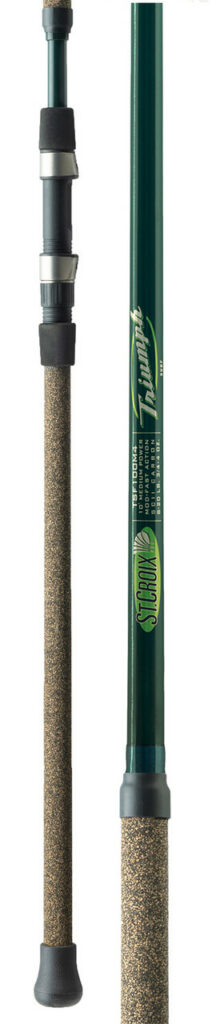
Halibut are strong, and the surf can mess with your gear if it’s not up for the job. My go-to rod is a 6.5 to 8-foot surf rod with medium-heavy or heavy action and a fast tip. The fast tip helps me feel those light halibut bites, which can feel more like a slow weight than a sharp pull.
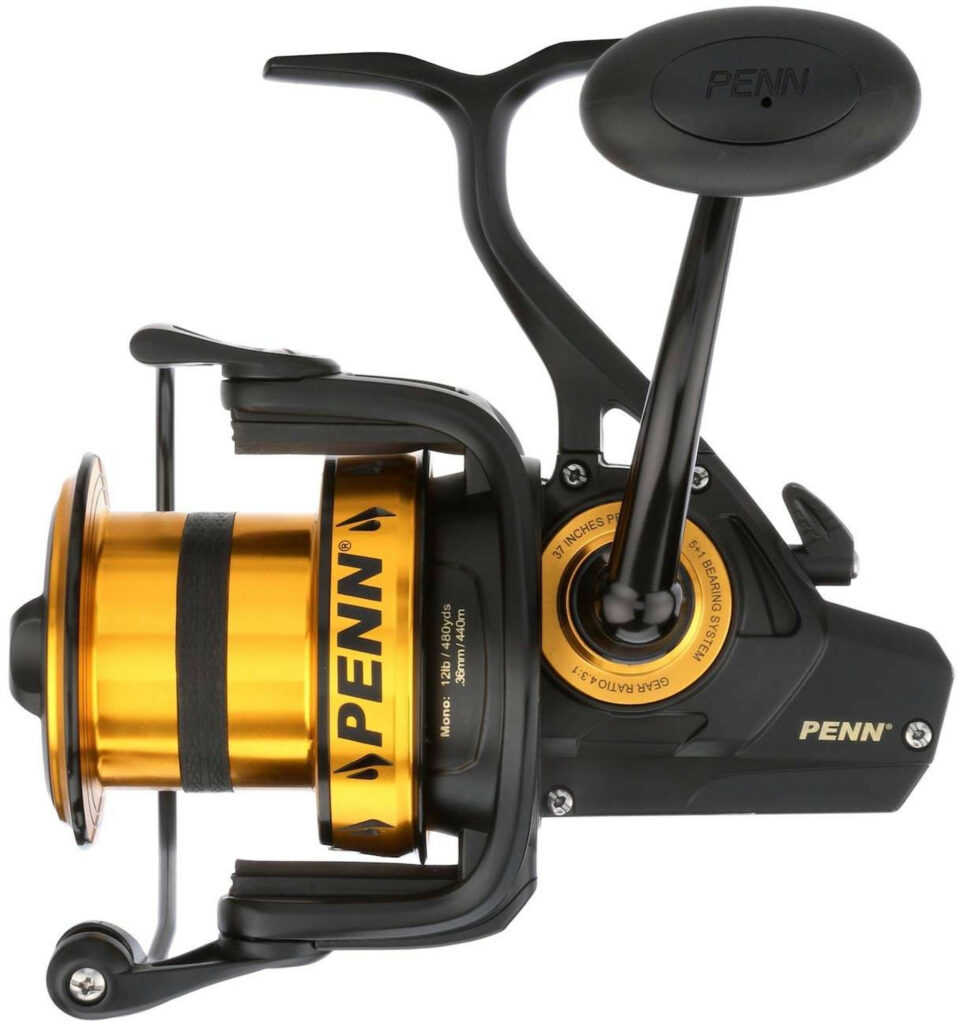
For reels, I use a medium-sized spinning reel that holds plenty of line, nothing fancy, just reliable. I spool up with 15 to 30 lb monofilament or 50 to 60 lb braided line, depending on the surf size. A longer rod helps cast past the breakers, and the heavier line handles both surf and possible big halibut. If you fish around rocky structure, a tougher line can prevent frustrating breakoffs when a fish surges towards cover.
A fluorocarbon leader is really important, usually about three feet long and rated at 20 to 30 lbs. This helps prevent breakoffs from sharp halibut teeth or rough sand. I connect it to my main line with a reliable knot, like an Albright or double uni, that passes through the guides smoothly.
The weight I use changes with surf conditions. I switch between 1 and 3-ounce sinkers, choosing just enough to keep the bait still on the bottom but not buried in the sand. I like sliding sinker rigs, which let the halibut pull the bait without feeling much resistance. Egg sinkers and pyramid sinkers both work, but I prefer the smallest weight that will hold in the current for a more natural presentation.
My favorite rig is the fish finder rig. It slides on the main line and lets live or artificial baits move naturally close to the bottom. This setup keeps me in the strike zone and helps me detect soft bites. For extra versatility, keep a Carolina rig and a drop shot rig handy for when you want to jump between different presentations.

Best Baits and Lures for Surf Halibut
I’ve tried all sorts of baits, and over time, I found a few that consistently catch more halibut from the surf. Halibut are opportunistic, eating whatever fits in their mouth, but some baits catch more than others.
- My top choice is usually live bait. Anchovies, sardines, and small smelt are super effective. If the local regulations allow it, a live grunion can get a quick strike. I rig these baits with a single livebait hook or sometimes a traphook setup if short strikes become a problem. A fresh, dead bait still works, but a moving, lively bait draws in fish. For best results, change your bait regularly if it stops swimming.
- Soft plastic swimbaits, especially those in white or light colors, are another favorite. I use Keitech and BioSpawn brands, usually in the 3 to 5 inch range. I rig them on a lead jig head light enough to keep the bait on the bottom but not sink into it.
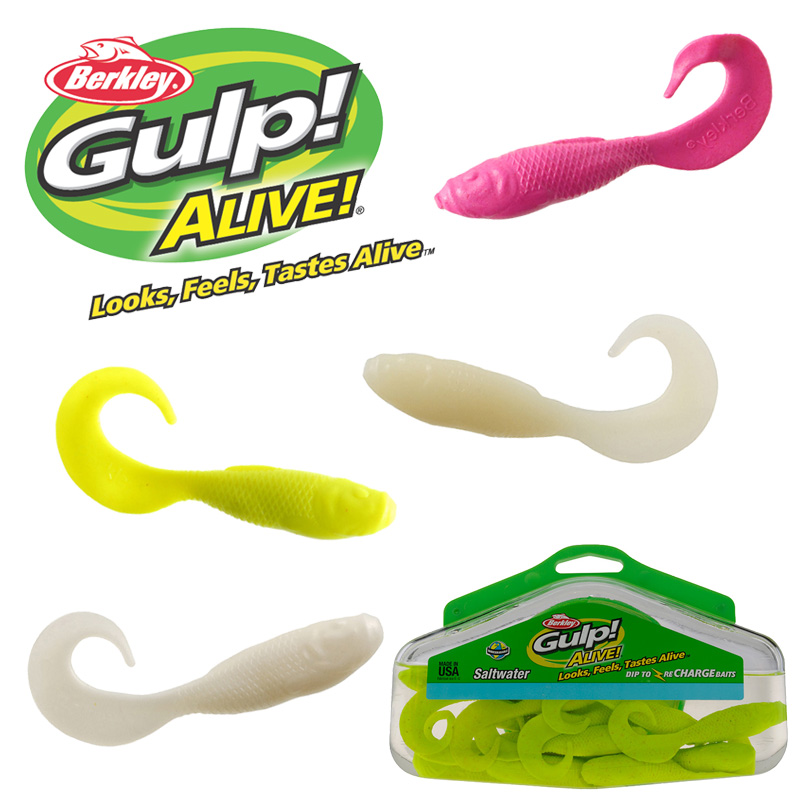
- Paddle tail grubs in similar colors also work well, and I add a bit of scent for an extra edge. Gulp! Scented baits are reliable when natural bait is tough to find or regulations prohibit live bait. These artificial baits release scent as they move and can sometimes outperform the real thing in clear water.
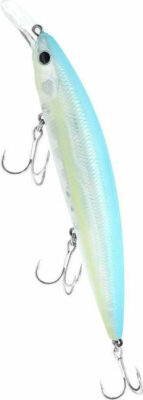
- Jerkbaits that dive and wobble close to the bottom, like the Lucky Craft FM 110, are popular along the California coast. Cast out, and retrieve slowly so the jerkbait bumps into sand and mimics a fleeing wounded fish.
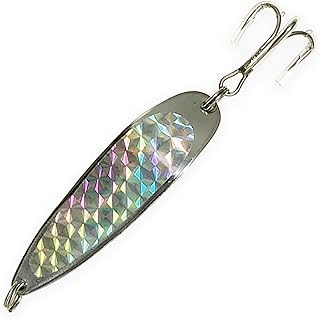
- Spoons, like the classic Krocodile, are another standby. Their shine and wobble grab attention, especially when you drag them right above the sand. These metal lures are especially good at covering water quickly to search for active halibut.
- I always keep a bottle of bait gel in my surf bag; shrimp or sandworm scent can turn a slow bite into a good session, especially if I’m using artificial lures in clearer water.
- Don’t hesitate to experiment with squid strips or cut mackerel, as halibut sometimes go after a meaty offering, particularly when the surf is muddy after a storm or the fish are lethargic.
Proven Techniques for Surf Fishing Halibut
Once I set up my bait or lure, my main goal is to keep it on (or just off) the bottom and moving slowly. Halibut rely on ambush and rarely chase prey a long way, so working the bait “slow and low” is key. My standard retrieve is just fast enough to keep the bait moving through the strike zone.
I reel in slowly, pausing often or bouncing the bait along the sand. This bottom-bouncing style imitates an injured or confused fish, which draws quick strikes. Short pauses every few feet can help, as halibut often hit right when the bait stops moving. If I notice fish are just nipping at the tail, I’ll shorten my bait or try a smaller lure for a better hookup ratio.
Some days, a straight, slow grind works better. I cast out, count down to the bottom, and retrieve at a steady, slow speed, occasionally shaking the rod tip or mixing in a couple of quick cranks. I watch my line closely for any change in pressure or “dead weight.” That’s often a halibut tasting or mouthing the bait.
Try crisscrossing your casts at different angles and distances to thoroughly cover the area, as halibut don’t always sit directly in front of you. If you fish on a beach for the first time, take a few minutes to walk and observe the water. Look for rips, outflows, and areas where sand meets structure. These subtle features can be halibut magnets during tide changes.
Setting the Hook and Landing Halibut Safely
Halibut bites feel different from other surf species. Sometimes it’s a gentle tap; sometimes it just feels like your sinker is snagged. When using live bait, I wait until I feel steady pressure before setting the hook. Halibut often bite short, mouthing the bait before inhaling it. If I set the hook too quickly, I miss more fish. I wait a second or two, feel for continuous pressure, and then sweep the rod upward firmly.
Once hooked, halibut make hard runs and use their flat bodies to resist. When I’m reeling in a good-sized one, I let the waves help. Timing the surf is really important. I use incoming waves to glide the fish up onto the sand, rather than fighting both the fish and the current at the same time.
A long-nosed nosed pliers makes unhooking easier, and I always try to handle the fish gently if I plan to release it. Remember to wet your hands before handling halibut for release to protect their slime layer, which helps reduce stress and promotes healthy releases. If you’re keeping fish for the table, make sure it meets legal length limits and dispatch it quickly and humanely.
Practical Tips and Real World Advice
Over the years, a few practical lessons stand out. Move often if you’re not getting bites; halibut hunt in pockets, so covering more ground often finds a group. If you’re fishing during busy times or at popular spots, get there early for the best access to productive structure.
Pay attention to the birds and bait schools. Halibut stay close to bait, so any surface splash or birds diving is a great clue. Carry spare leader material and a backup rig in your pocket. Surf zone snags happen, and quick rerigging keeps your bait in the water where the fish are.
Don’t be afraid to talk to local anglers, as information about bait runs or active stretches of beach can help you cut down on scouting time. Finally, always respect local regulations—closed seasons, size limits, and gear rules help keep the halibut population strong for everyone.
Frequently Asked Questions
What’s the easiest way to start surf fishing for halibut?
I’d start by using a simple fish finder rig with fresh or live bait on a sandy beach near a jetty or dropoff. Focus on fishing slowly and keeping the bait right on the bottom. If you don’t get bites after 30 minutes, move and try another stretch of beach.
Do I need a special fishing license to target halibut from the surf?
Most places, including California, require a valid saltwater fishing license even if you’re fishing from shore. Check your local regulations before heading out. Some piers may offer an exemption, but always double-check.
How can I tell if my spot is holding halibut?
I pay attention to signs of baitfish, subtle changes in water depth, and proximity to structures. If I catch one halibut, I usually fish that area thoroughly, as they often group up in small zones. Low tide exposes much of the structure where halibut hide, so scouting at these times helps for future sessions.
Wrapping Up on Surf Fishing for Halibut
Finding halibut in the surf and learning how to adjust your approach is one of the most fun parts of fishing. Every trip can teach you something new about timing, technique, and reading the beach. With some practice and the right gear, surf fishing for halibut can be both relaxing and rewarding. Tight lines!
As always, stay safe, enjoy the journey, and please try to leave it cleaner than you found it. If you have any comments, questions, ideas, or suggestions, please leave them in the comment section below, and I’ll get back to you ASAP. You can follow us on Facebook: Rex The Beach Angler, Instagram: thebeachangler7, Twitter: @AnglerBeach, and YouTube: Man Art Creations.
Check Out Our Most Recent Articles:
- How To Choose The Right Reel For Saltwater Fishing
- Emerging Trends In Saltwater Fly Fishing

- How To Choose A Saltwater Fishing Rod
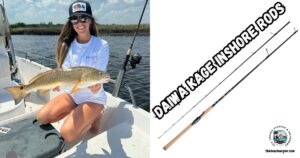
- The Daiwa KAGE Inshore Rods
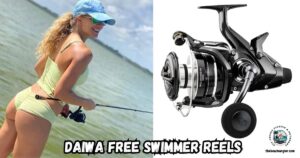
- Daiwa Free Swimmer Spinning Reel
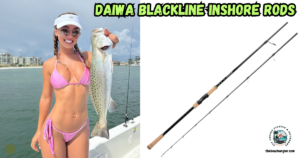
- Daiwa Blackline Inshore Rods
P.S. Thanks so much for checking out our blog; we really appreciate it. Just so you know, we may receive a commission if you click on some of the links that appear on our site. This helps us keep our content free and up-to-date for everyone. We appreciate your support!





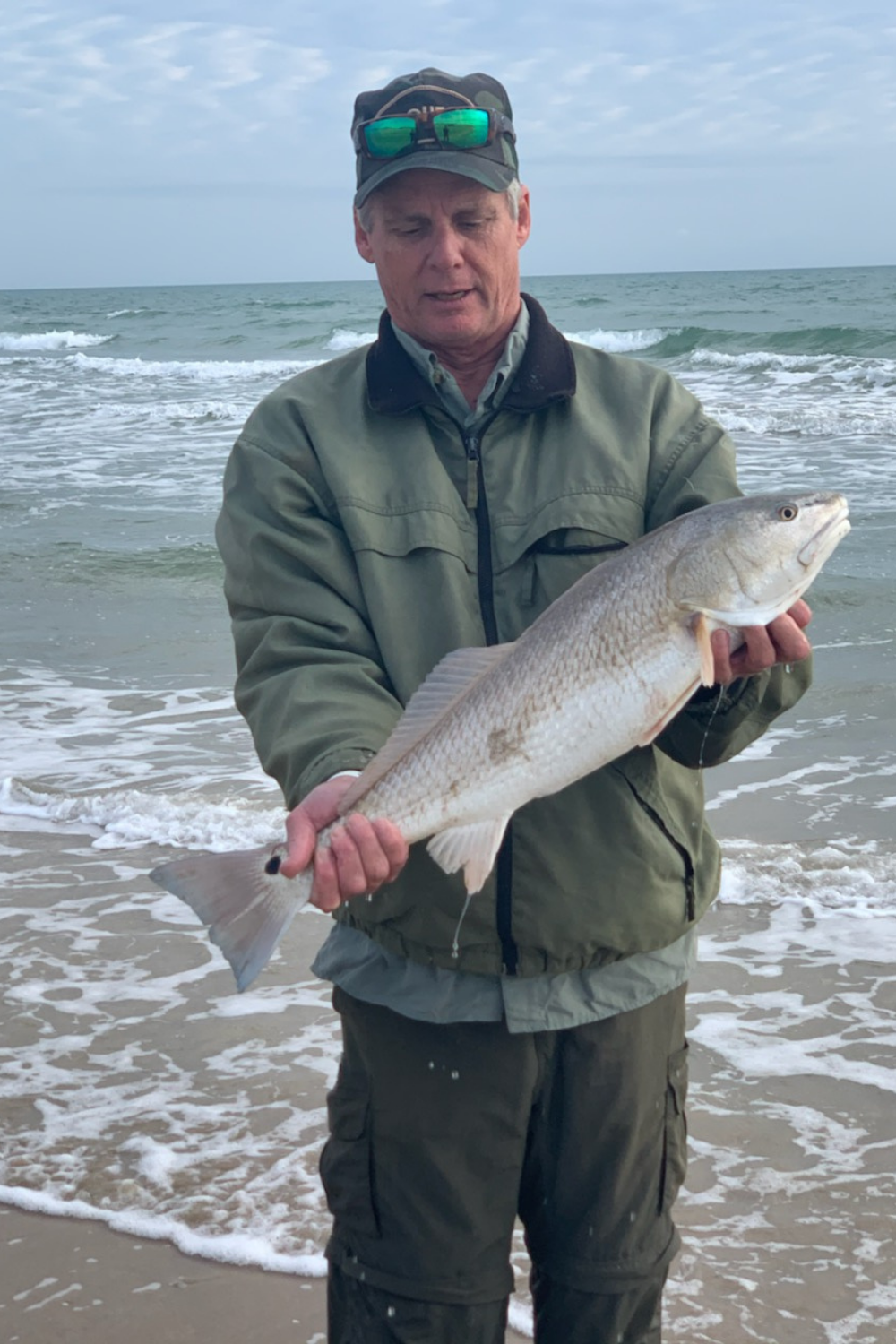
A life long surf fisherman with 50+ years of experience, I am also an avid hunter and outdoorsman. I will be sharing my passion for the outdoors with you so be prepared for hunting, fishing, camping, hiking and more. Along with gear reviews and the latest trends and innovations in the outdoor industry.